Catalogue of spirits
Search, filter and explore the 72 spirits of the Ars Goetia and the 18 of the Grimorium Verum.
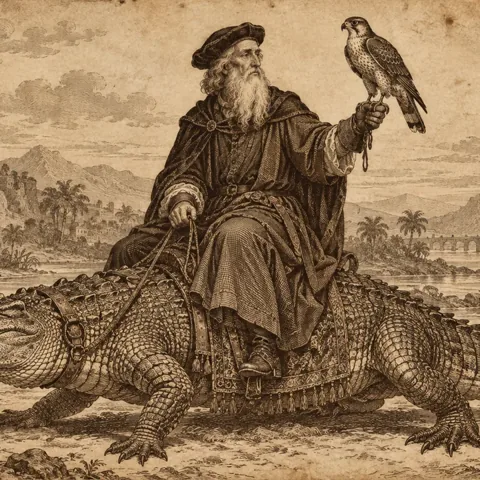
Agares
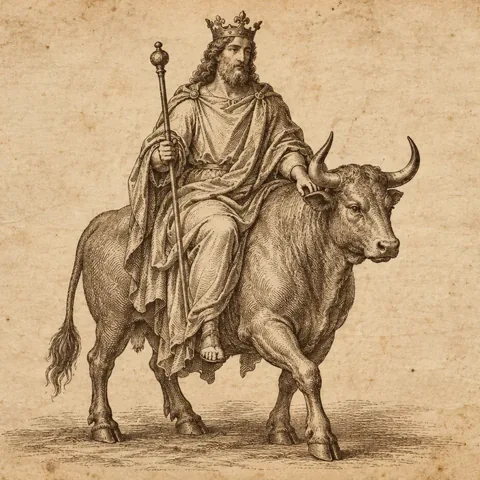
Vassago
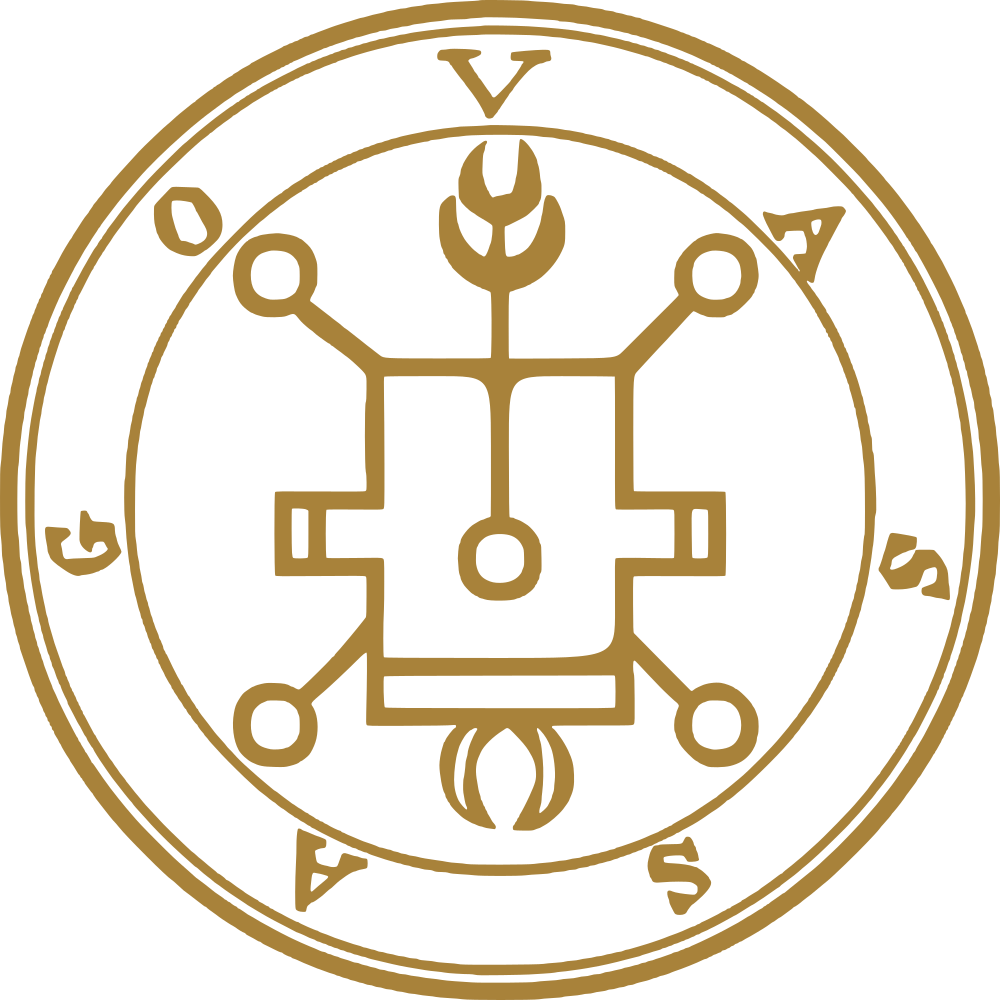
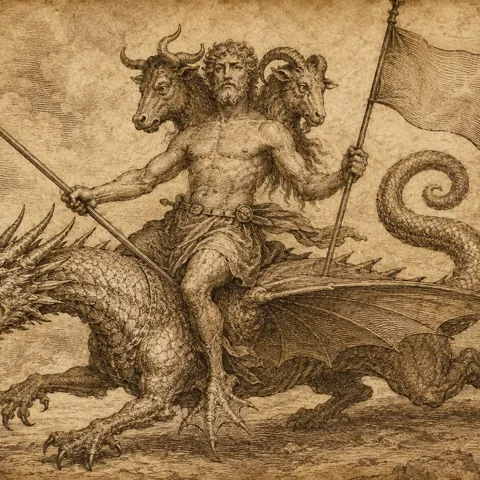
Asmodeus
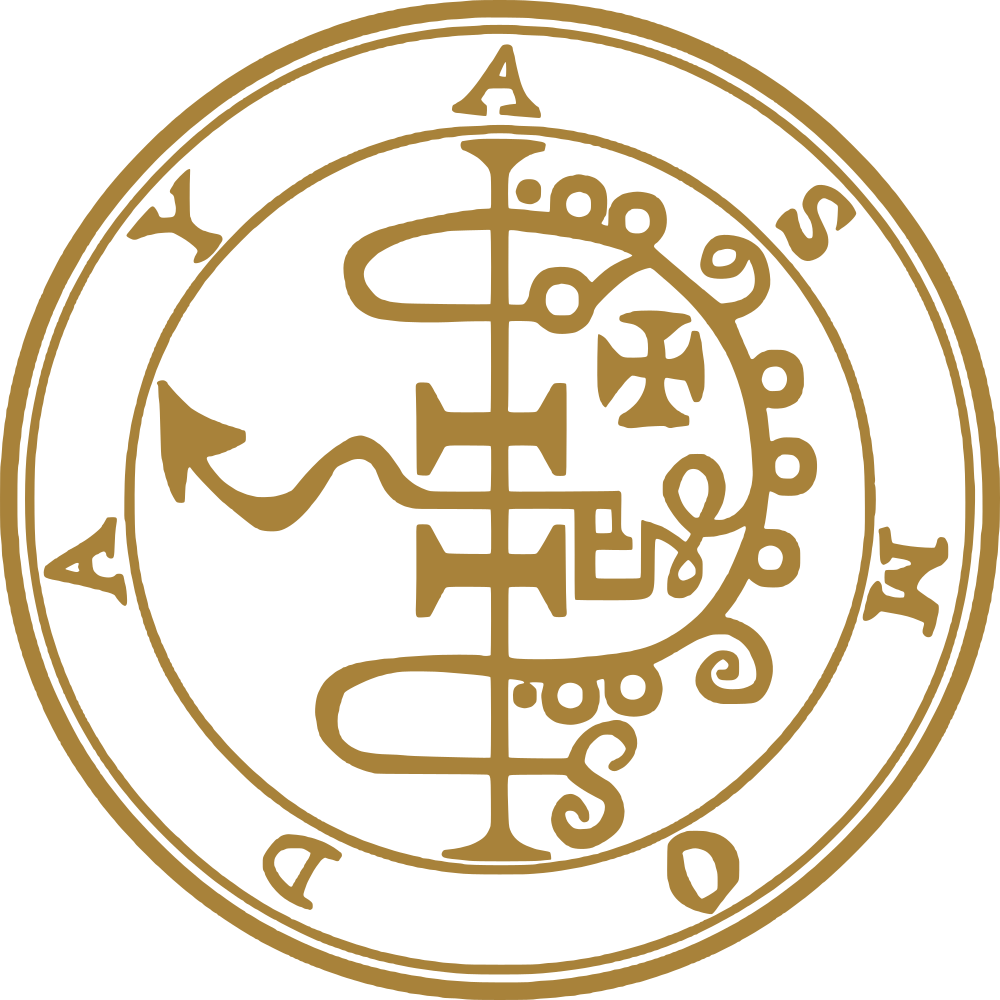
Azazel
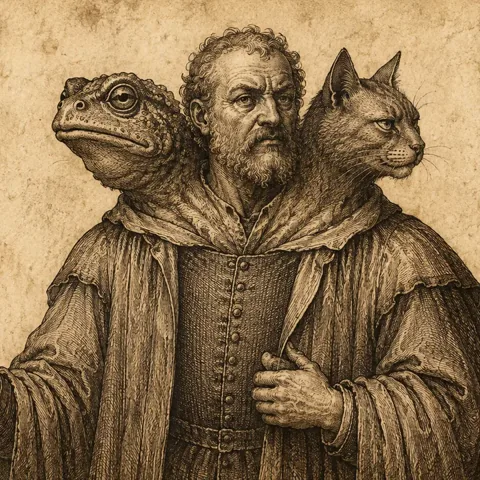
Bael
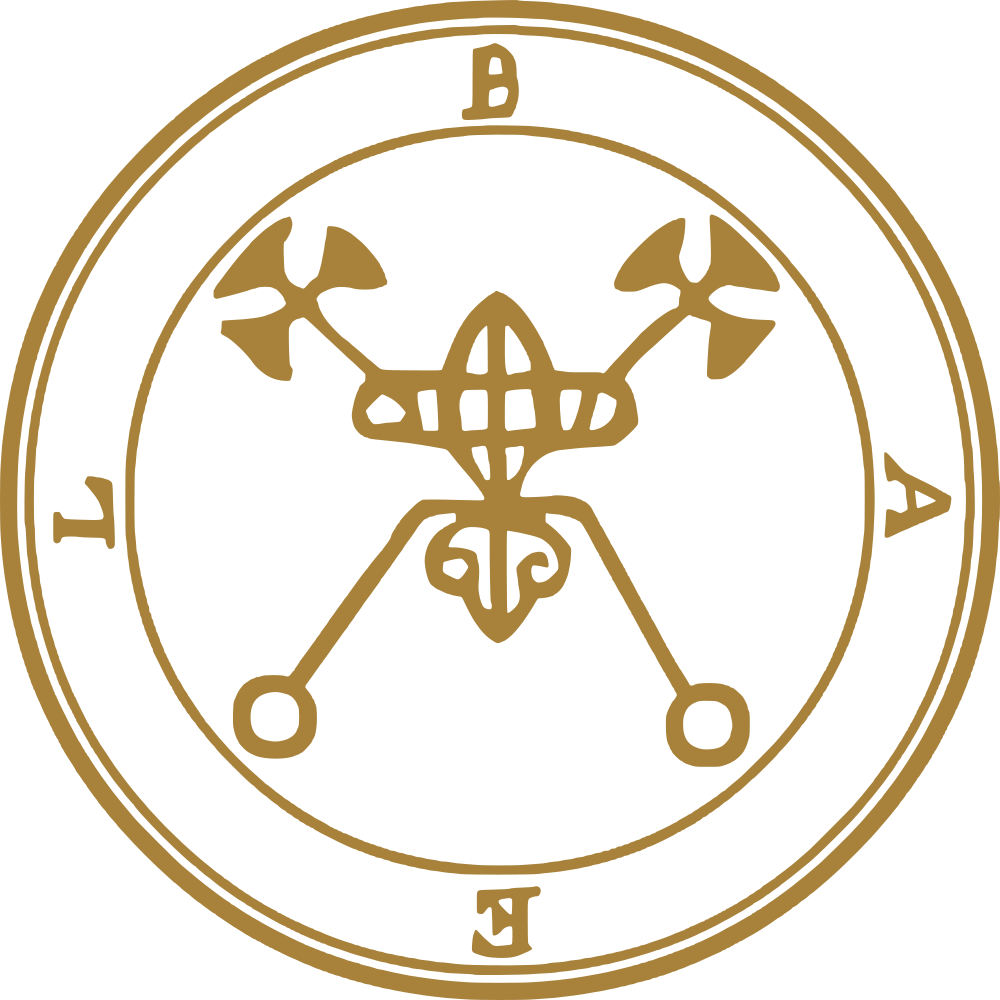
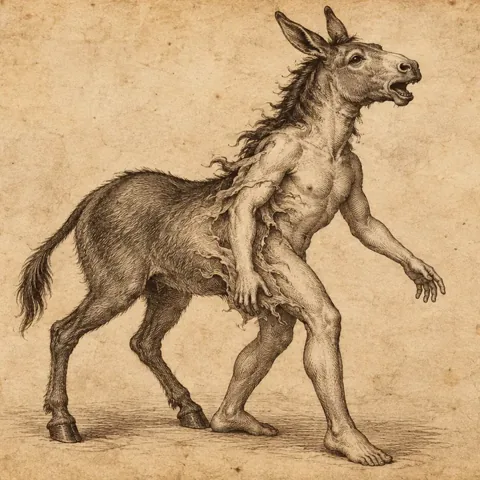
Samigina
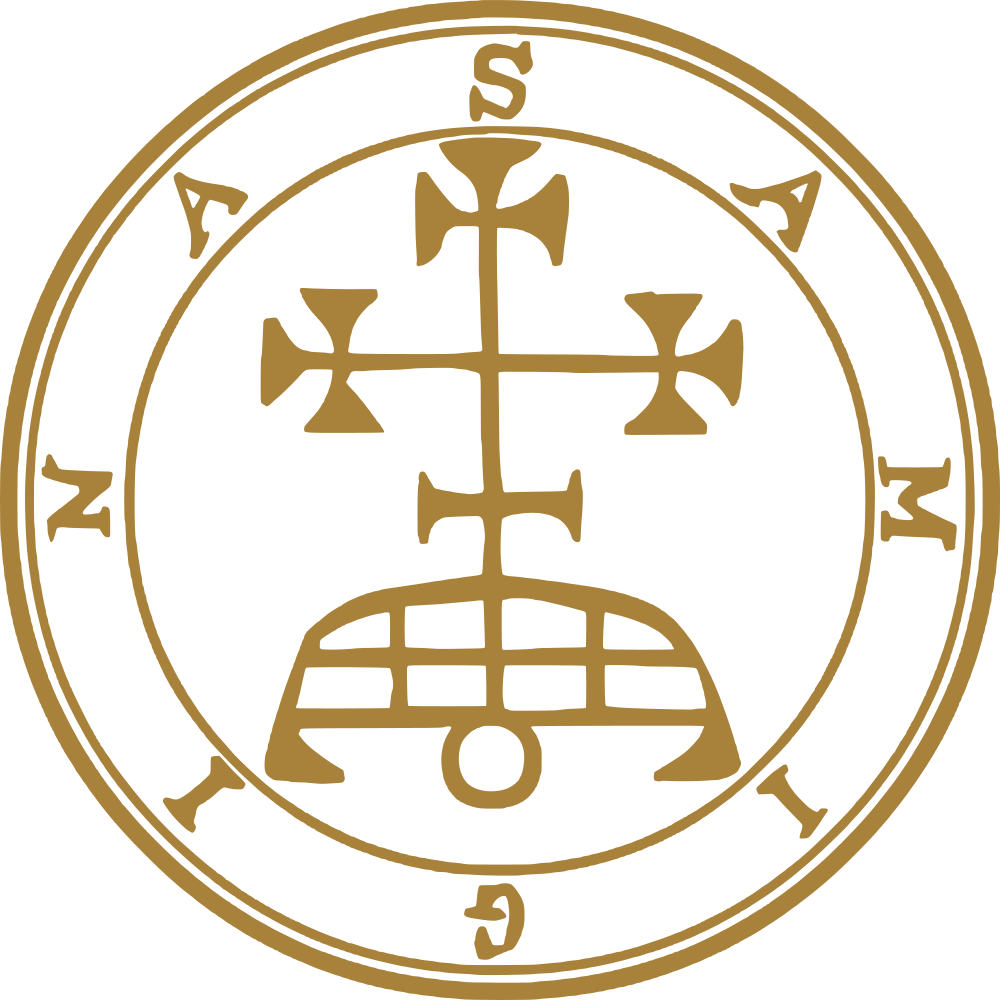
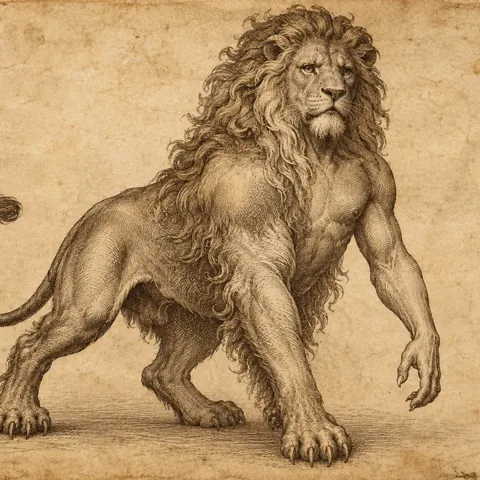
Marbas
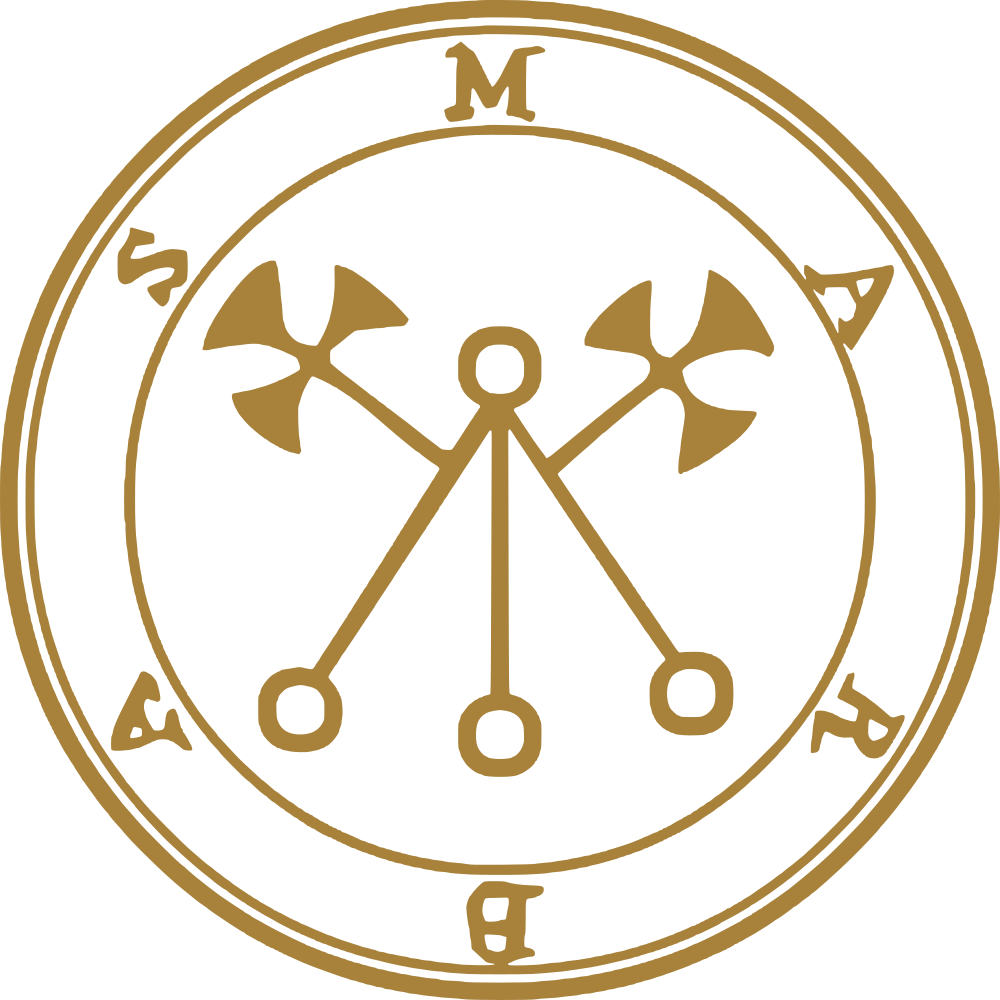
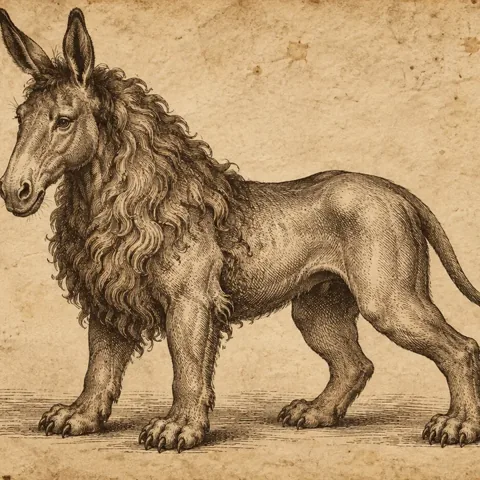
Valefor
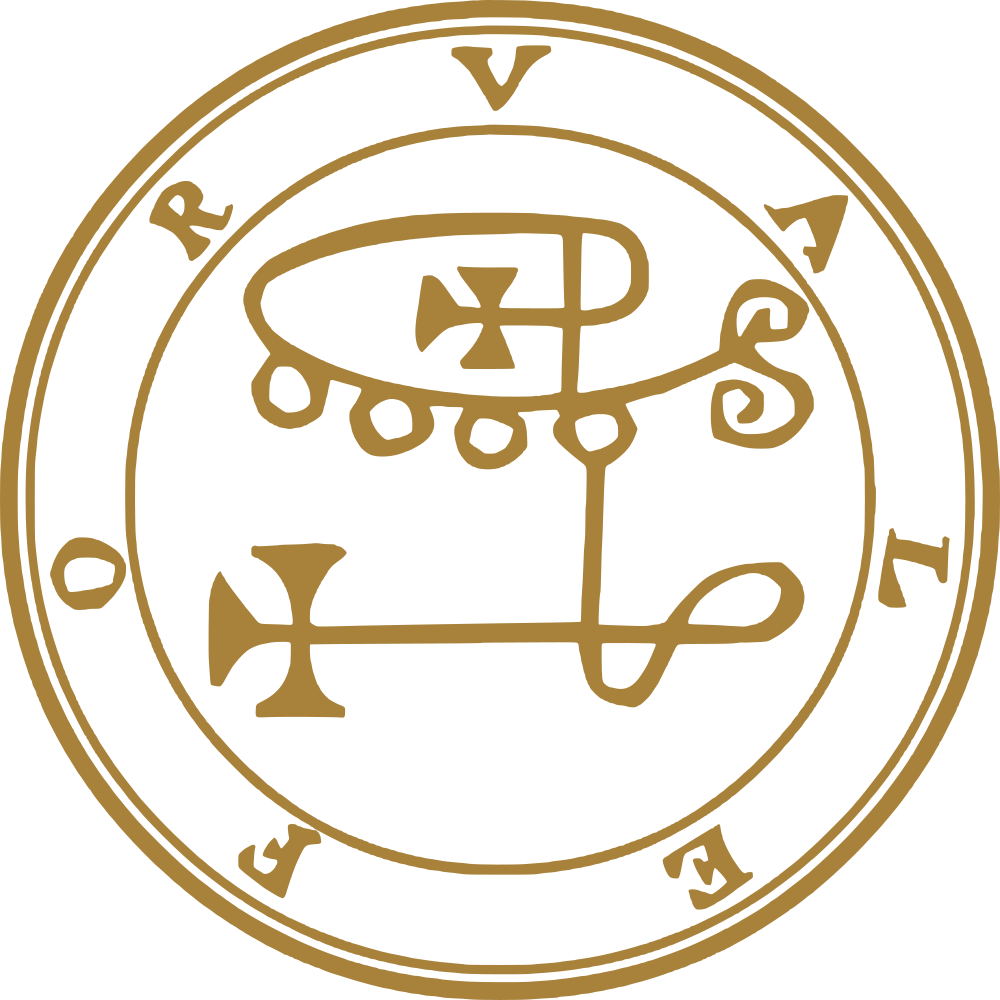
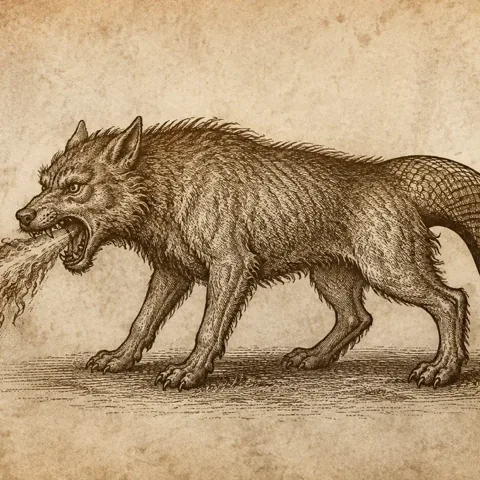
Amon
Barbatos
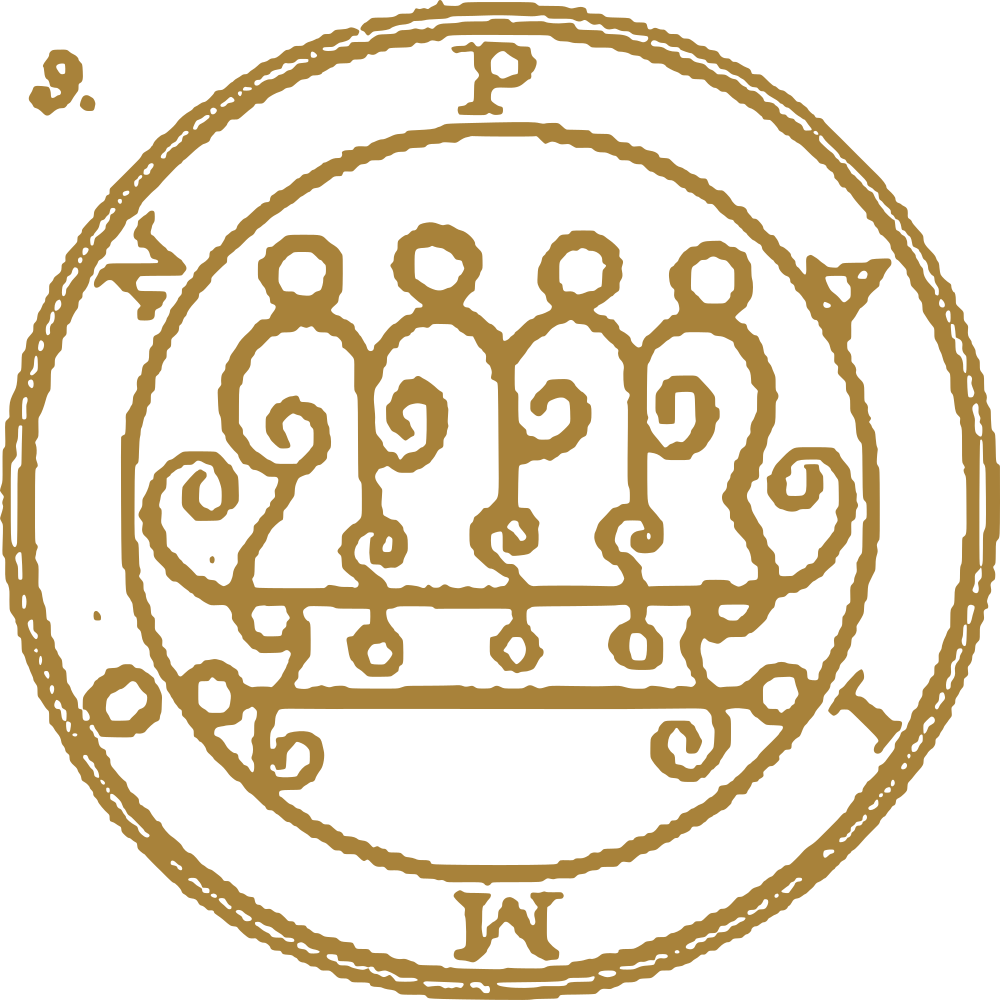
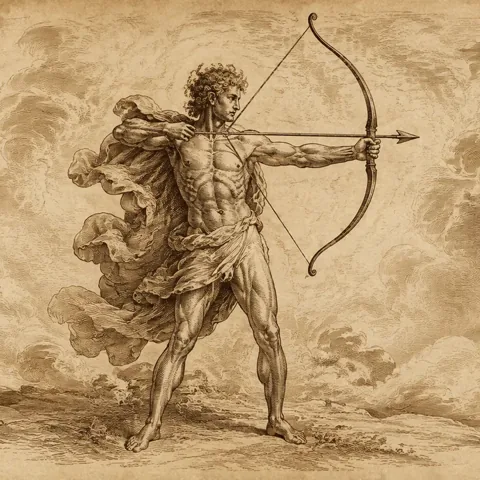
Paimon
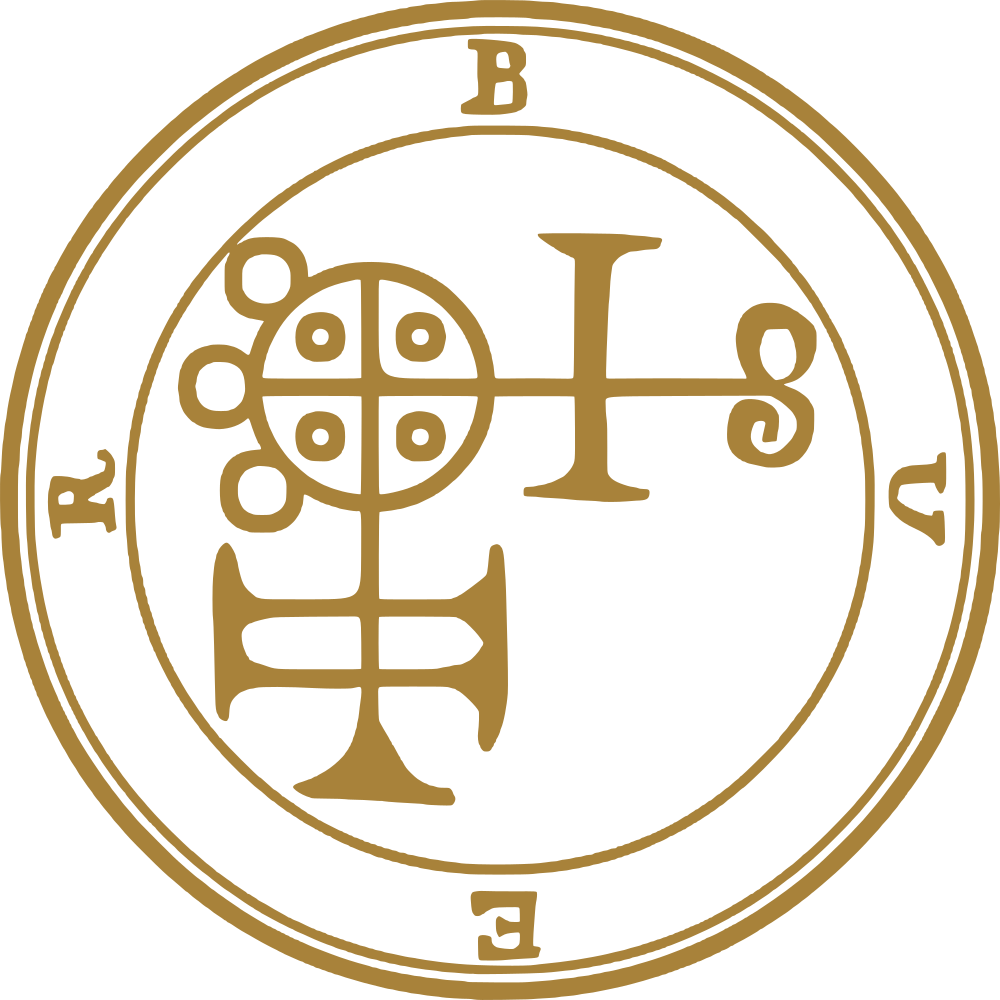
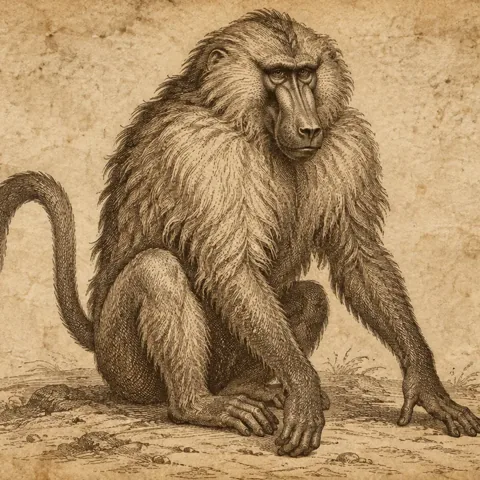
Buer
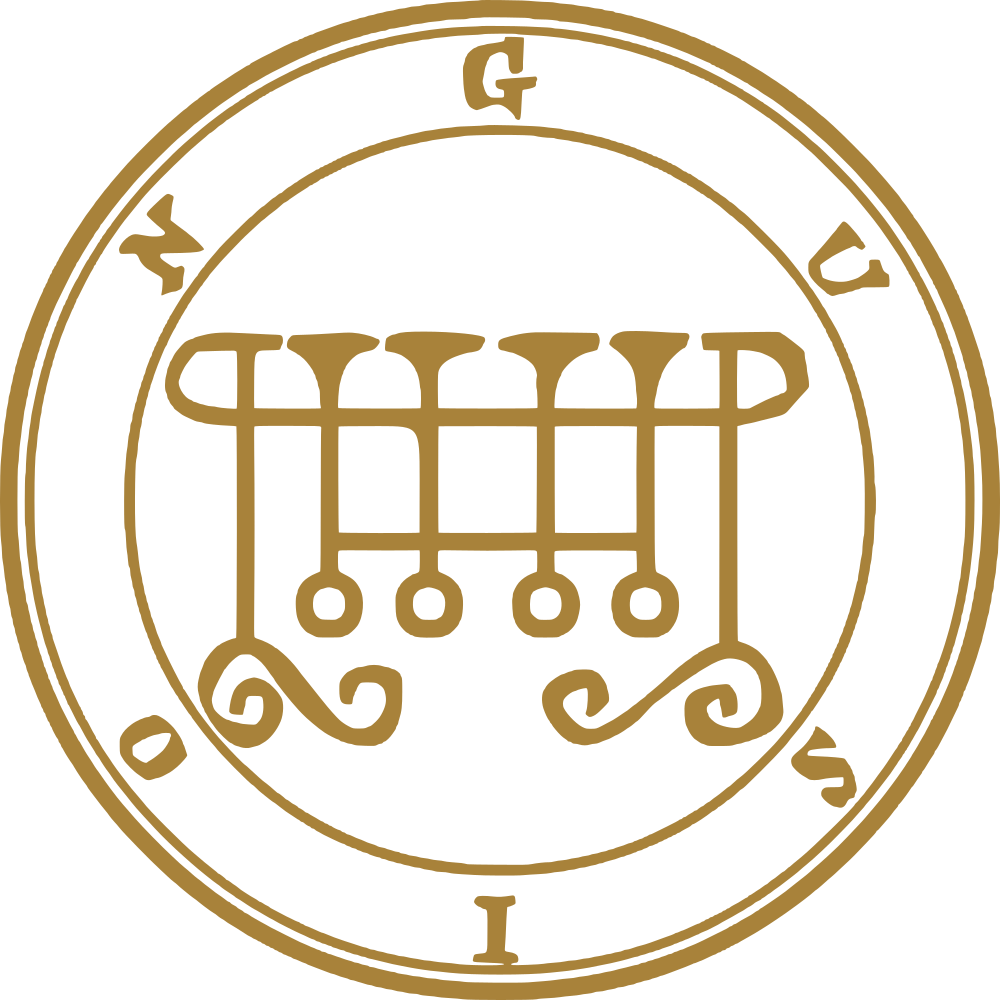
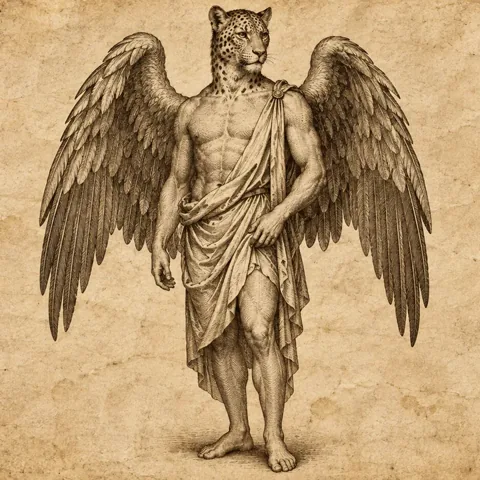
Gusion
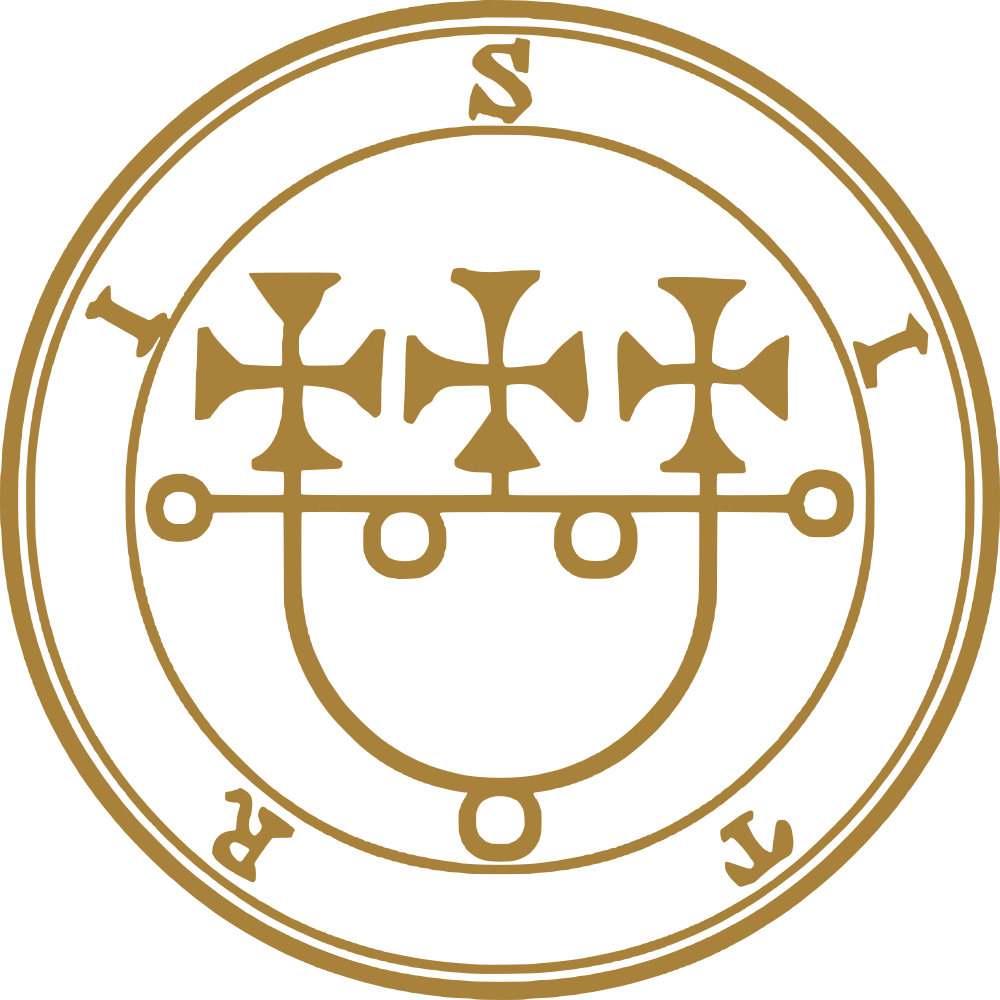
Sitri
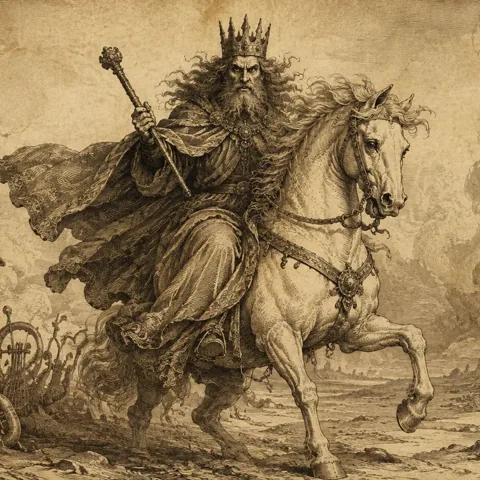
Beleth
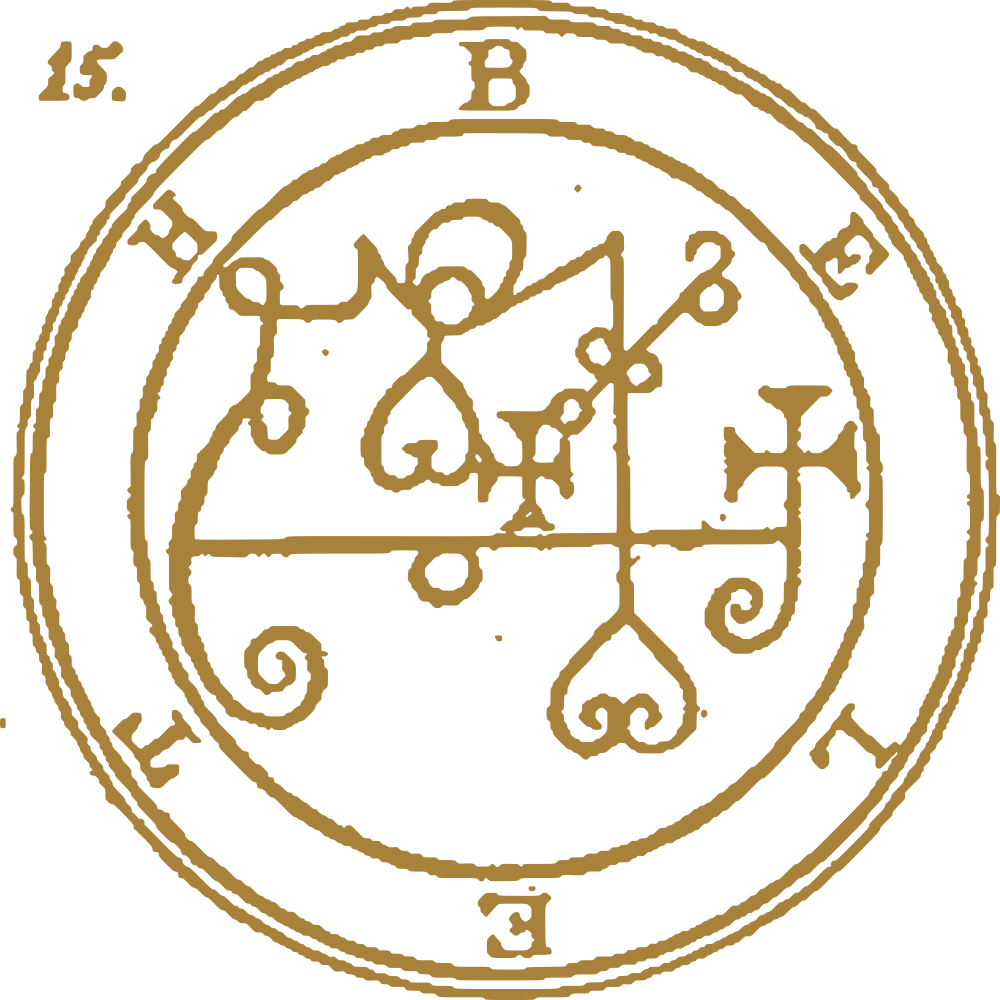
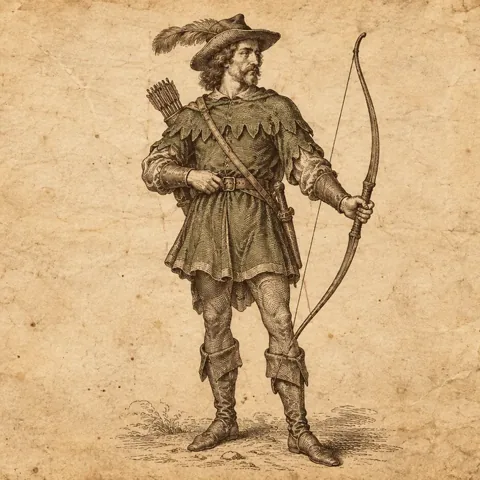
Leraje
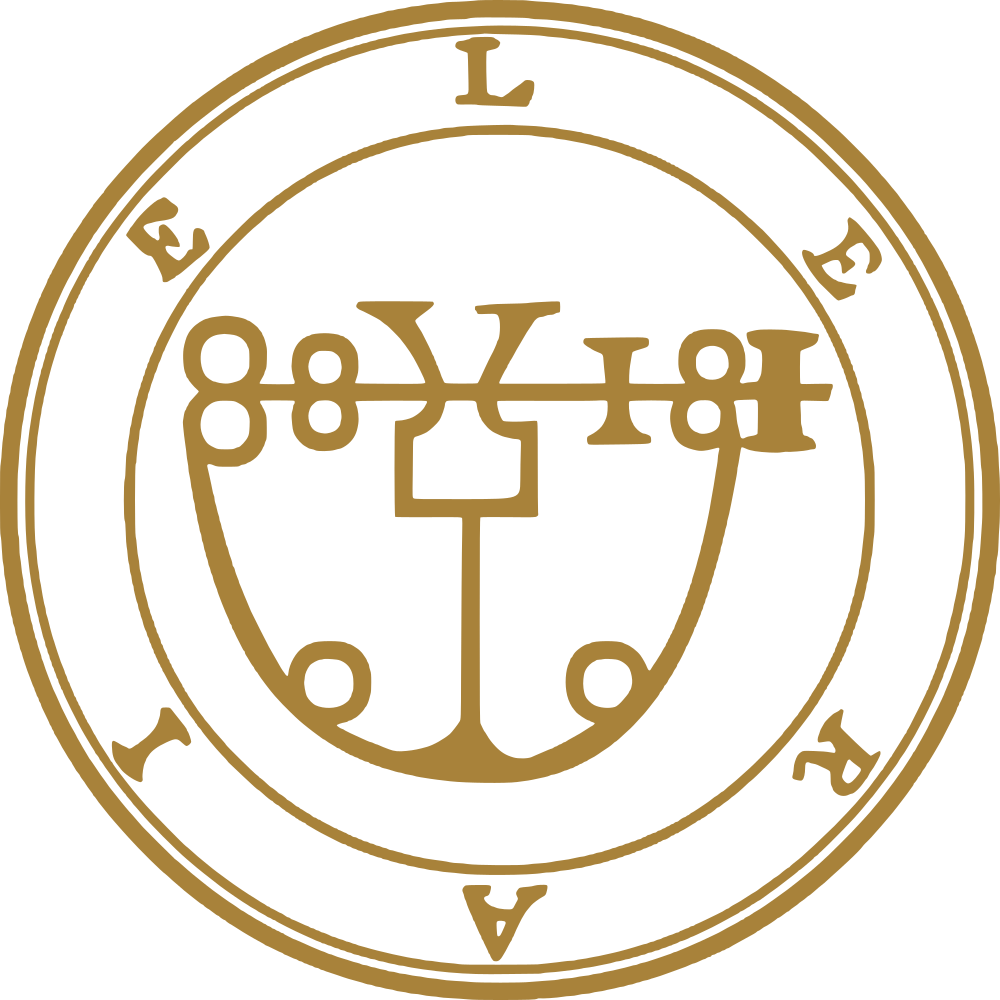
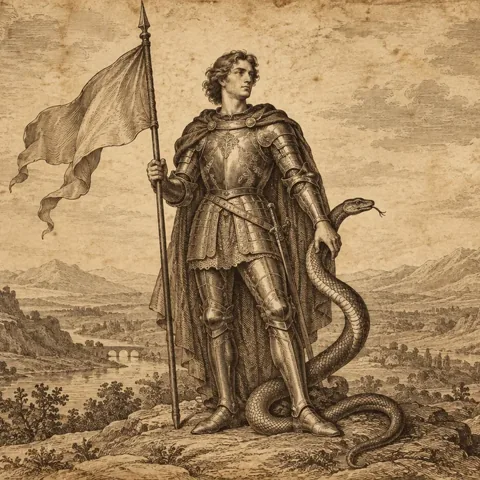
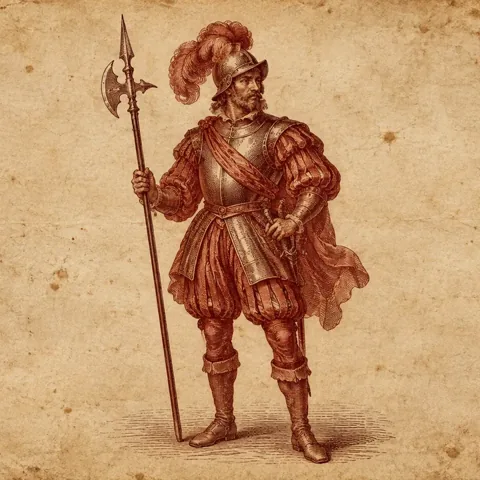
Eligos
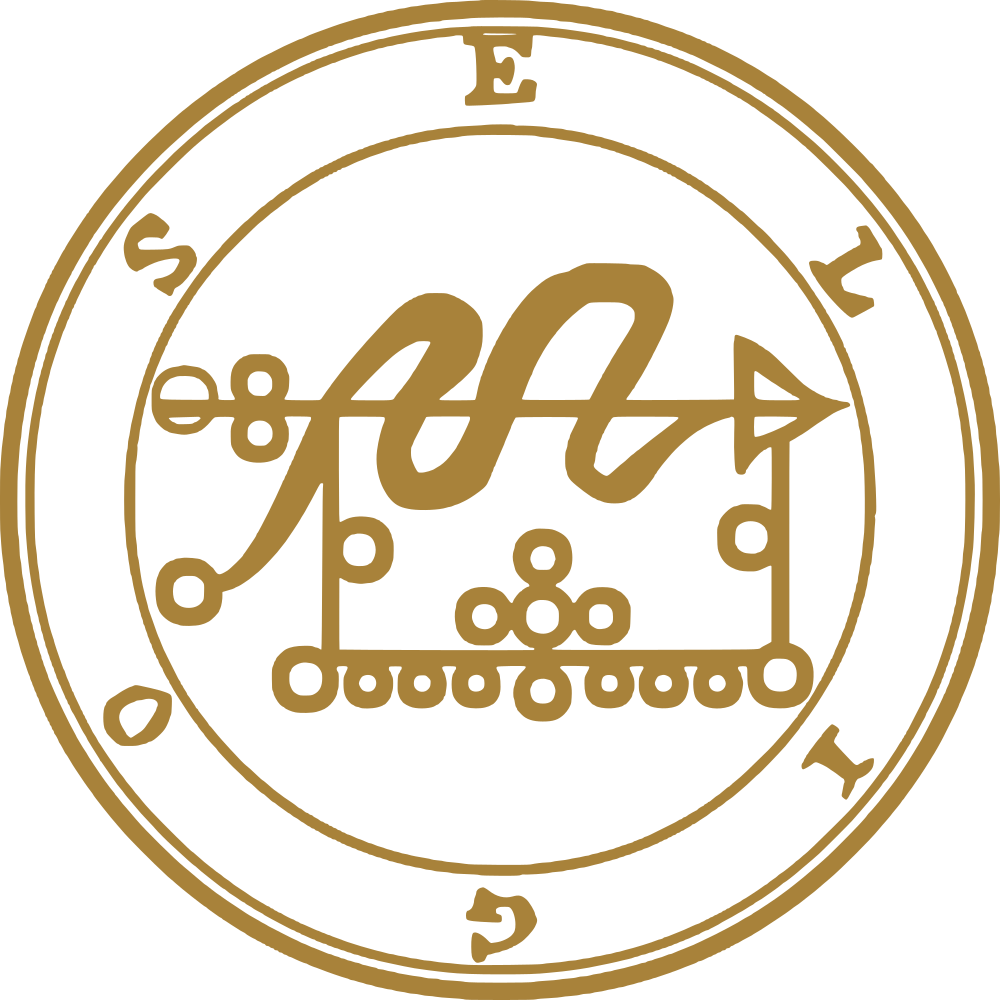
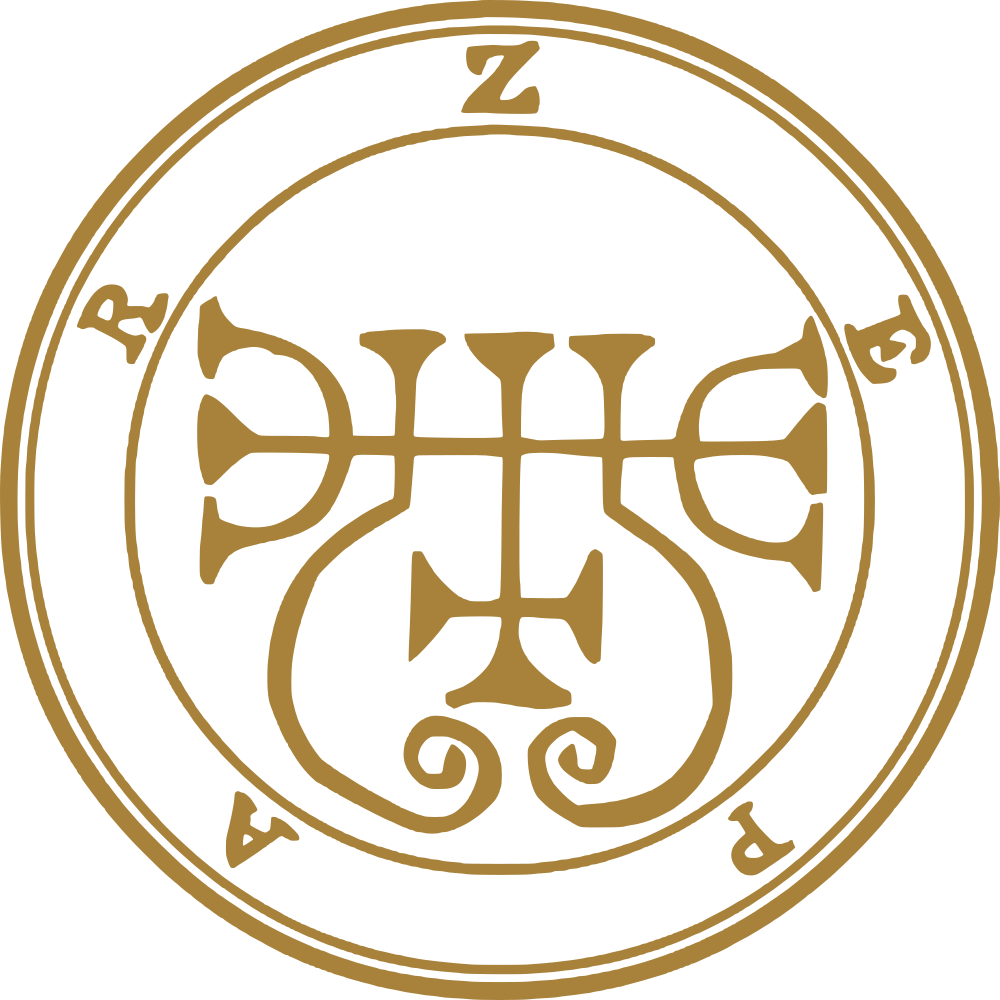
Zepar
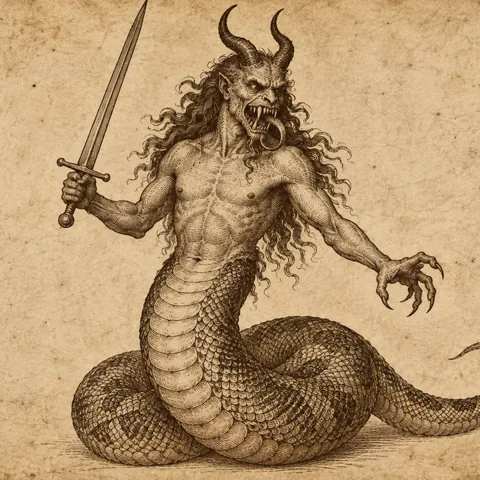
Botis
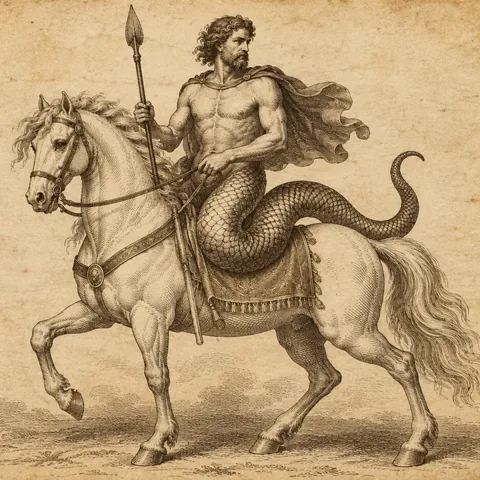
Bathin
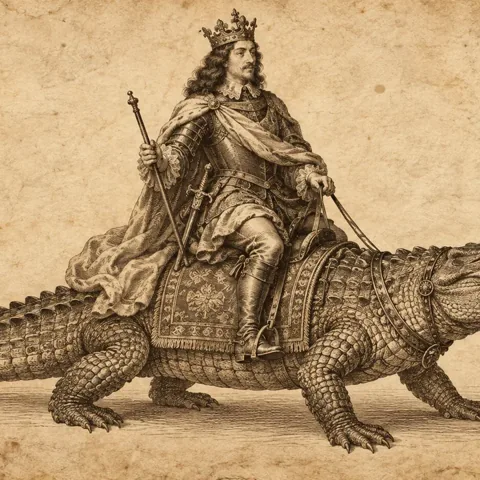
Sallos
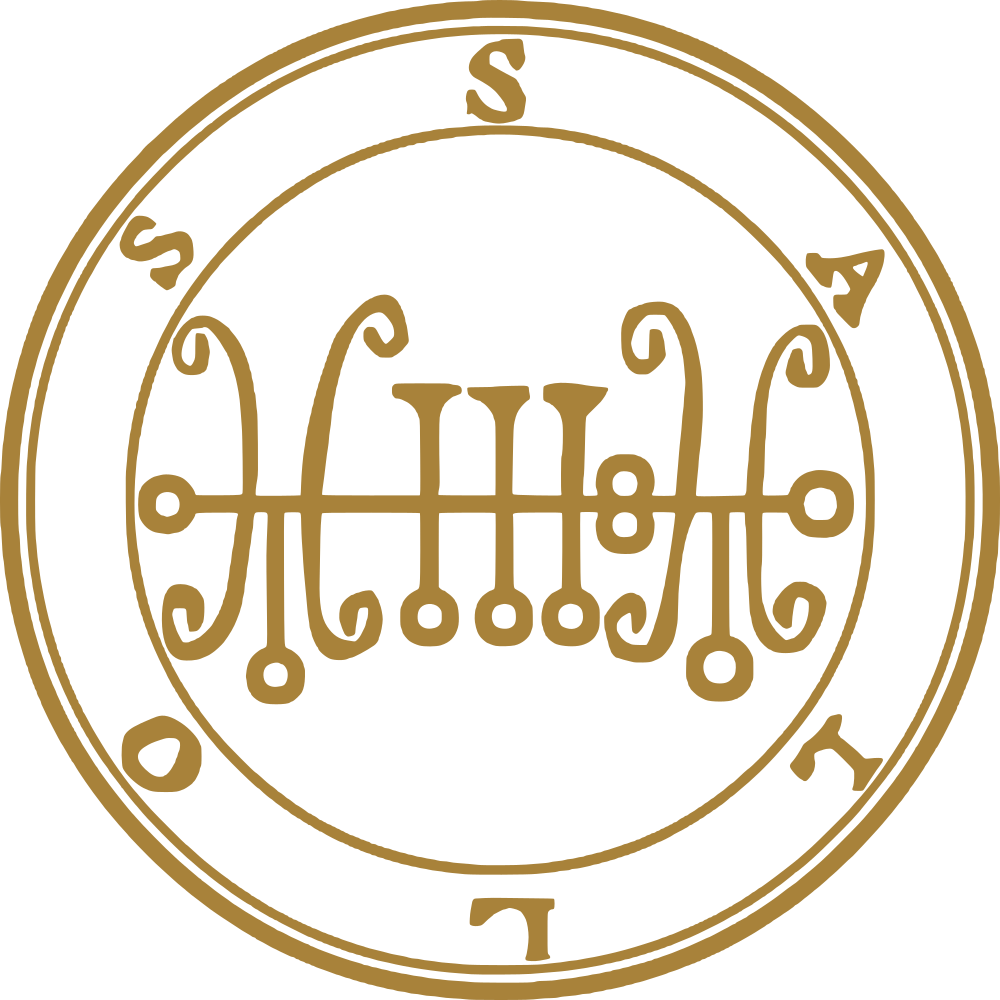
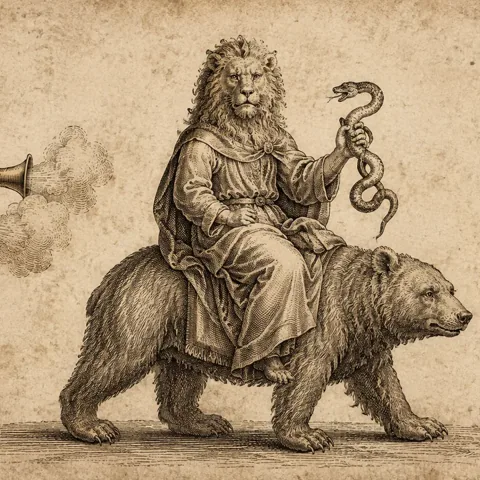
Purson
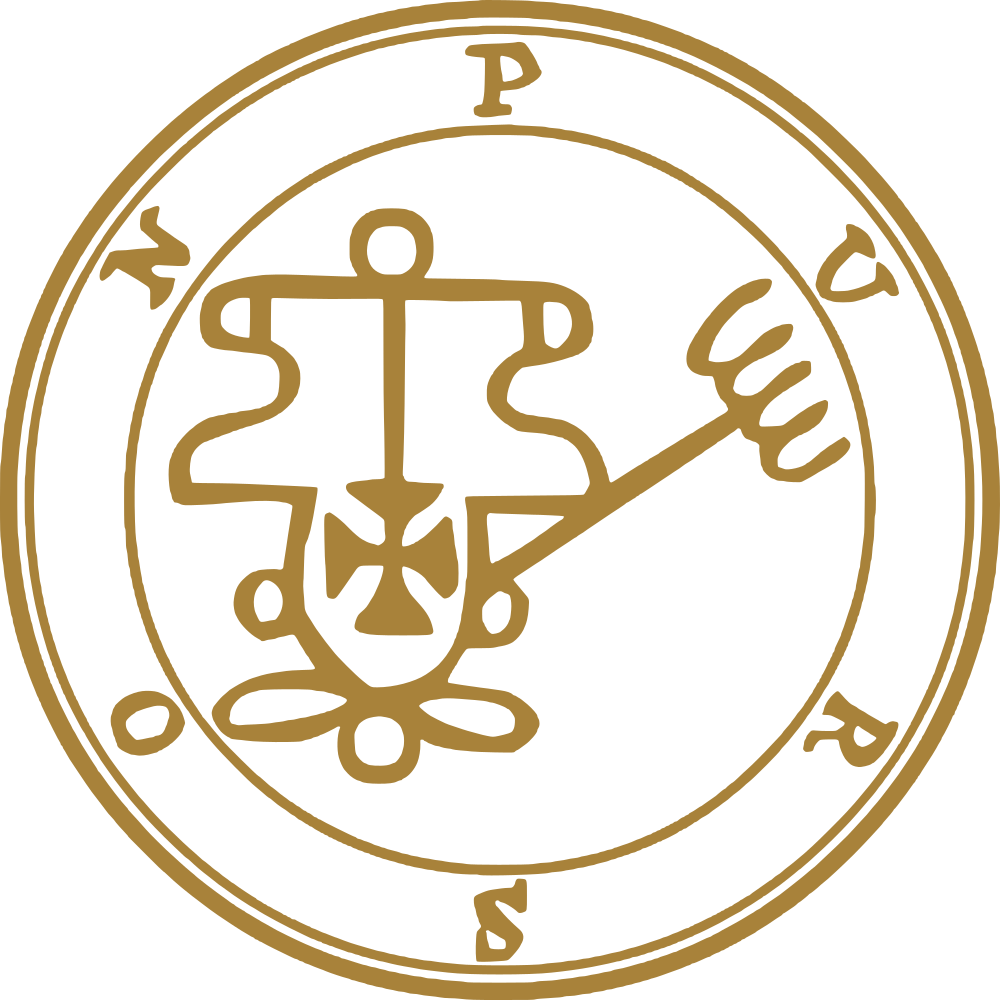
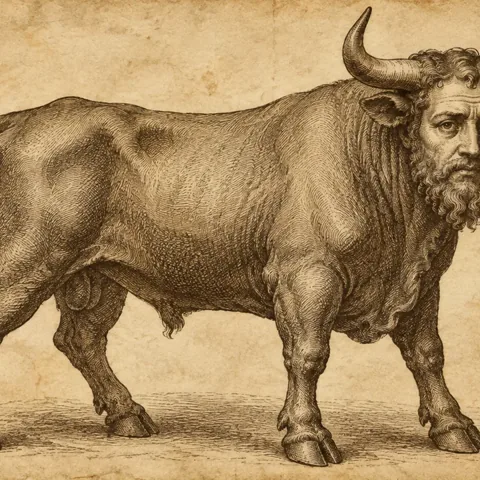
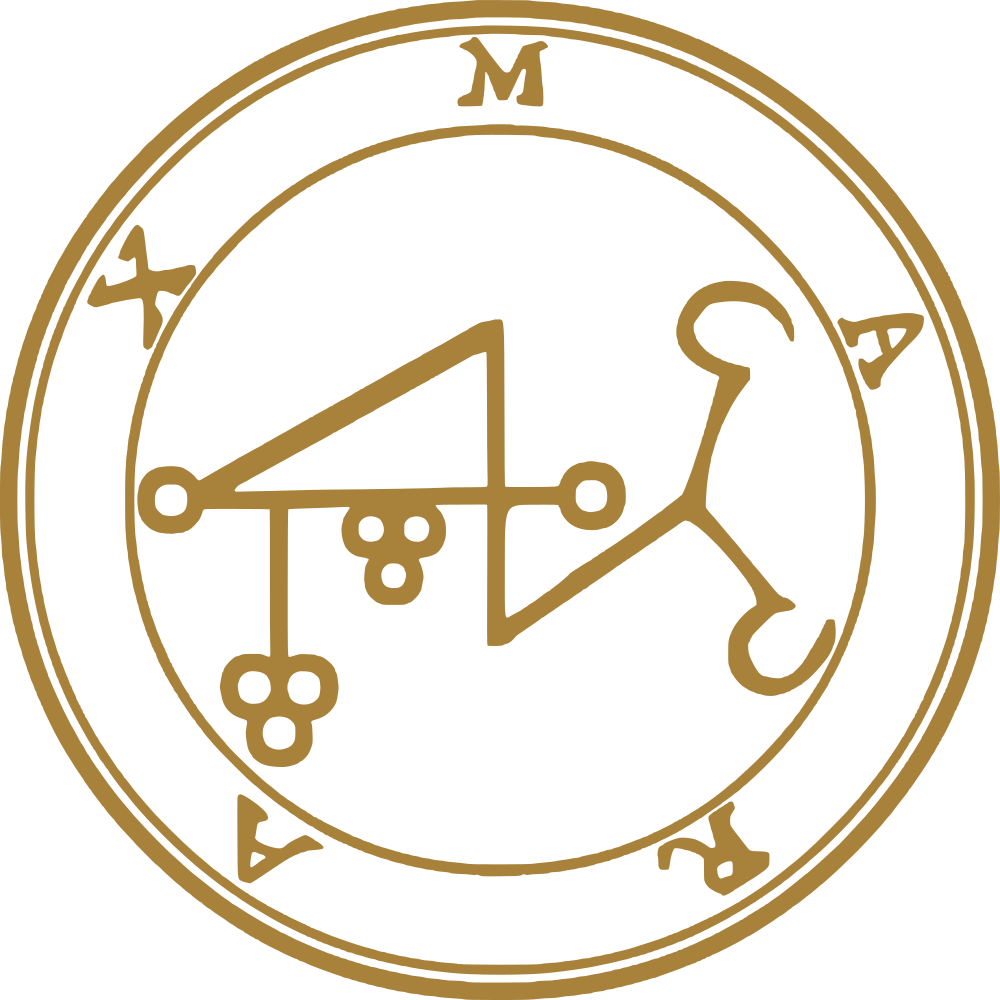
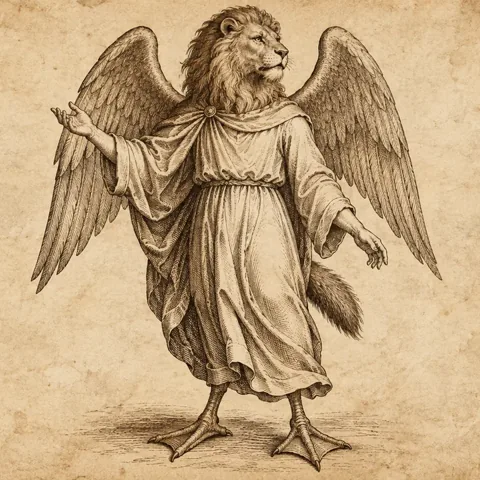
Marax
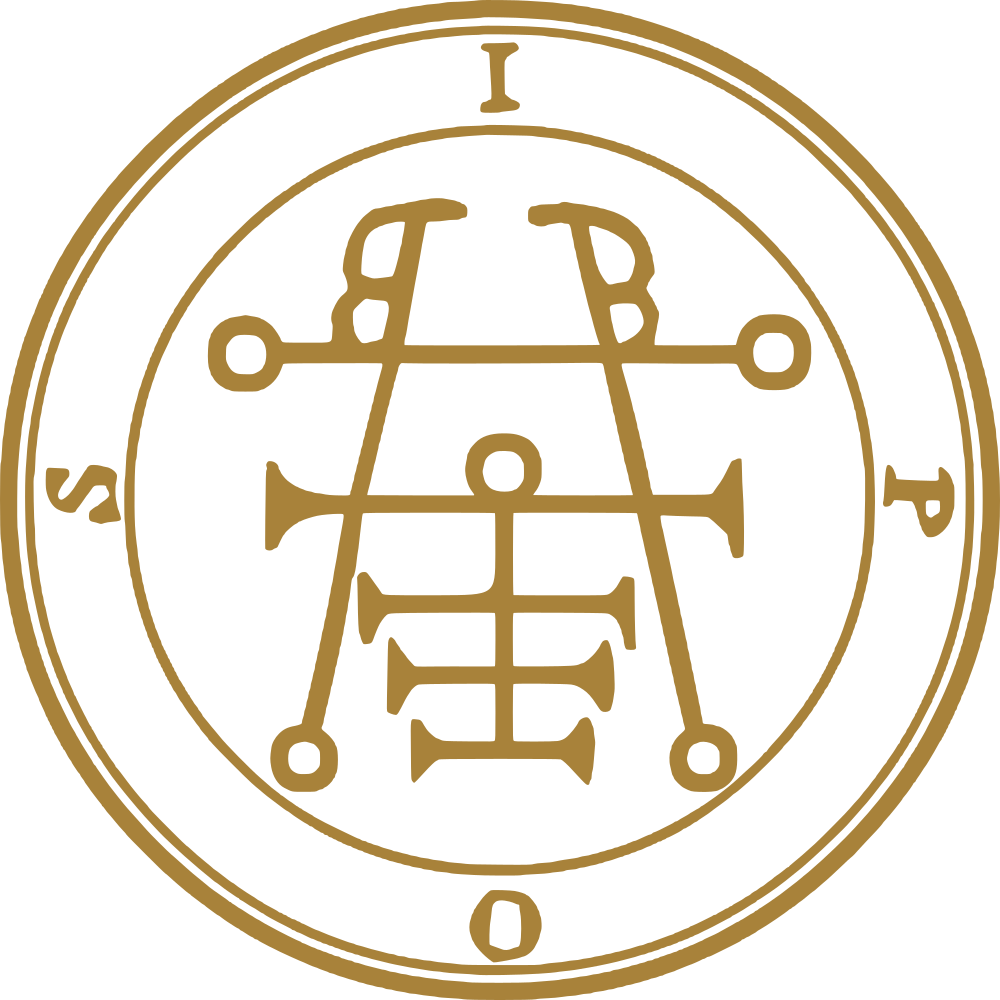
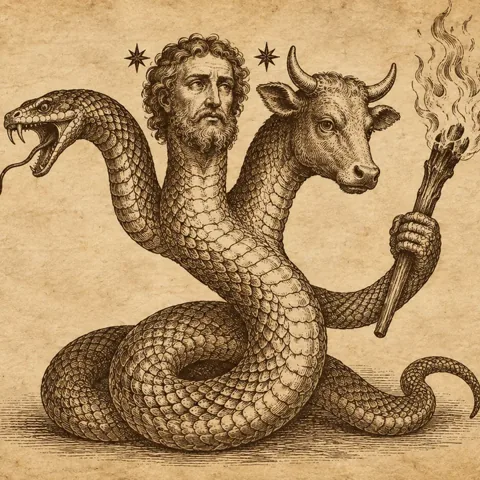
Ipos
Aim
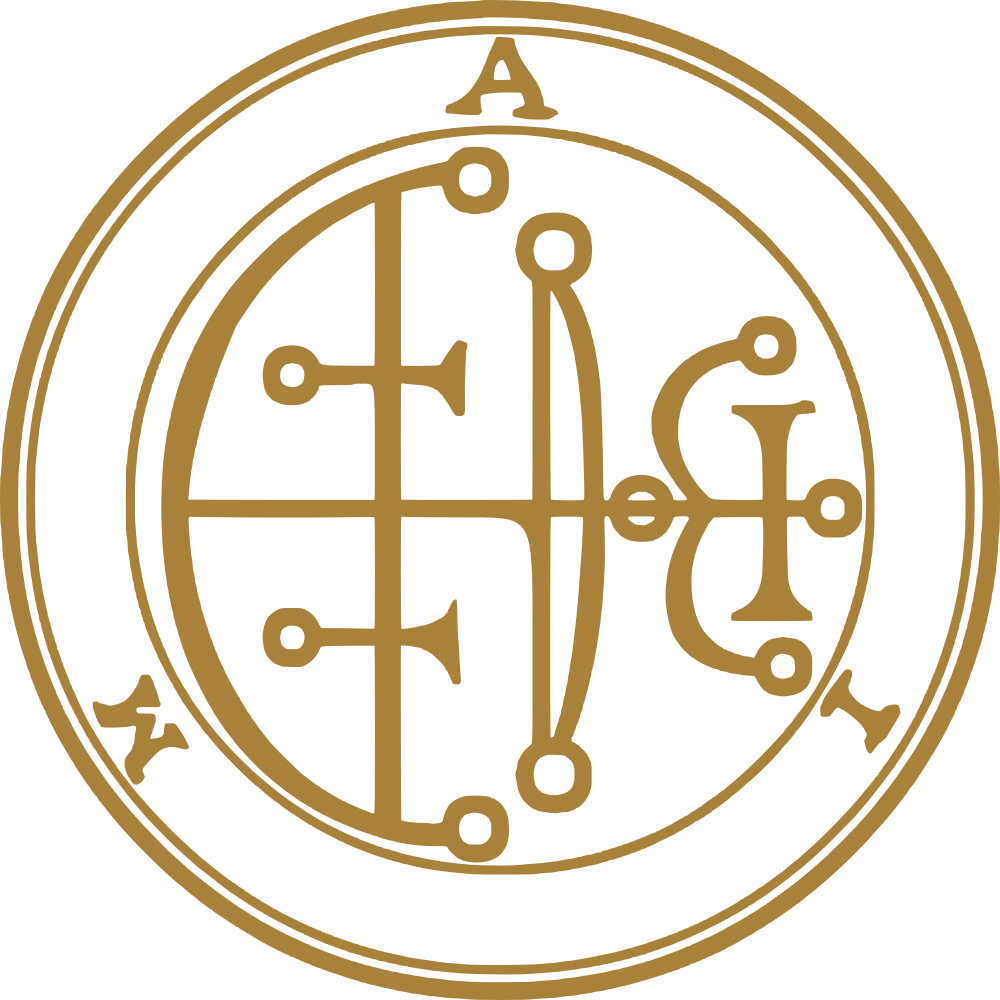
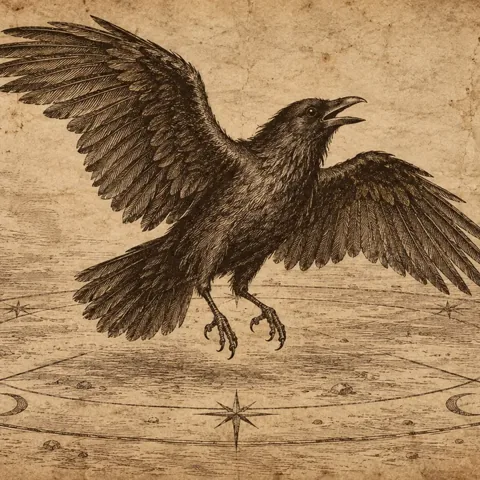
Naberius
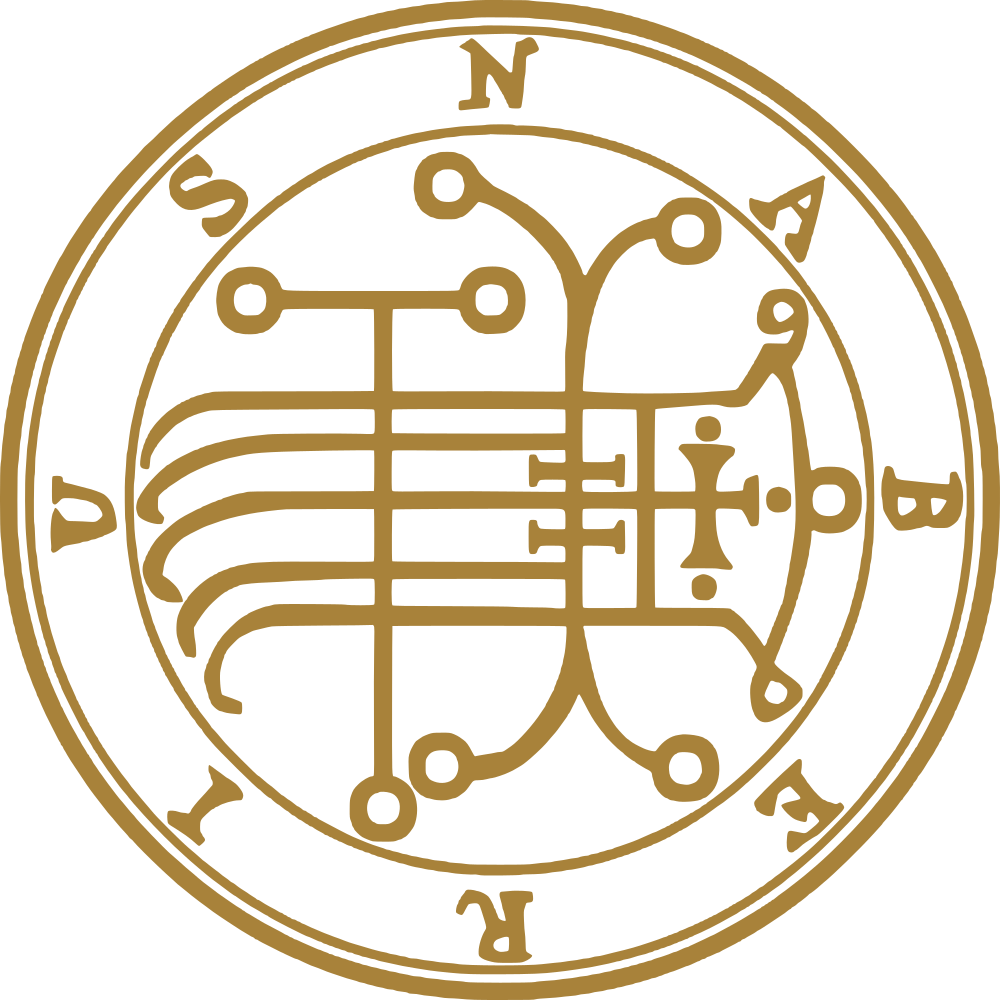
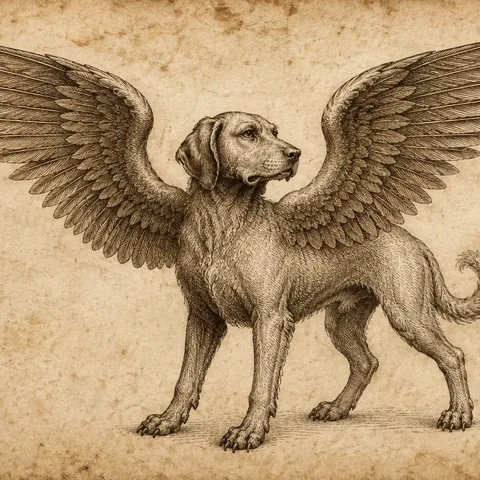
Glasya-Labolas
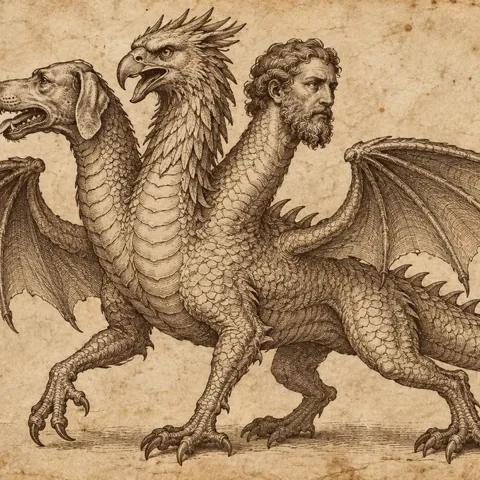
Bune
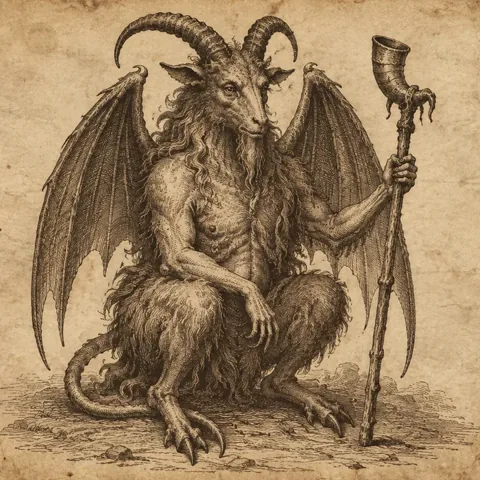
Ronove
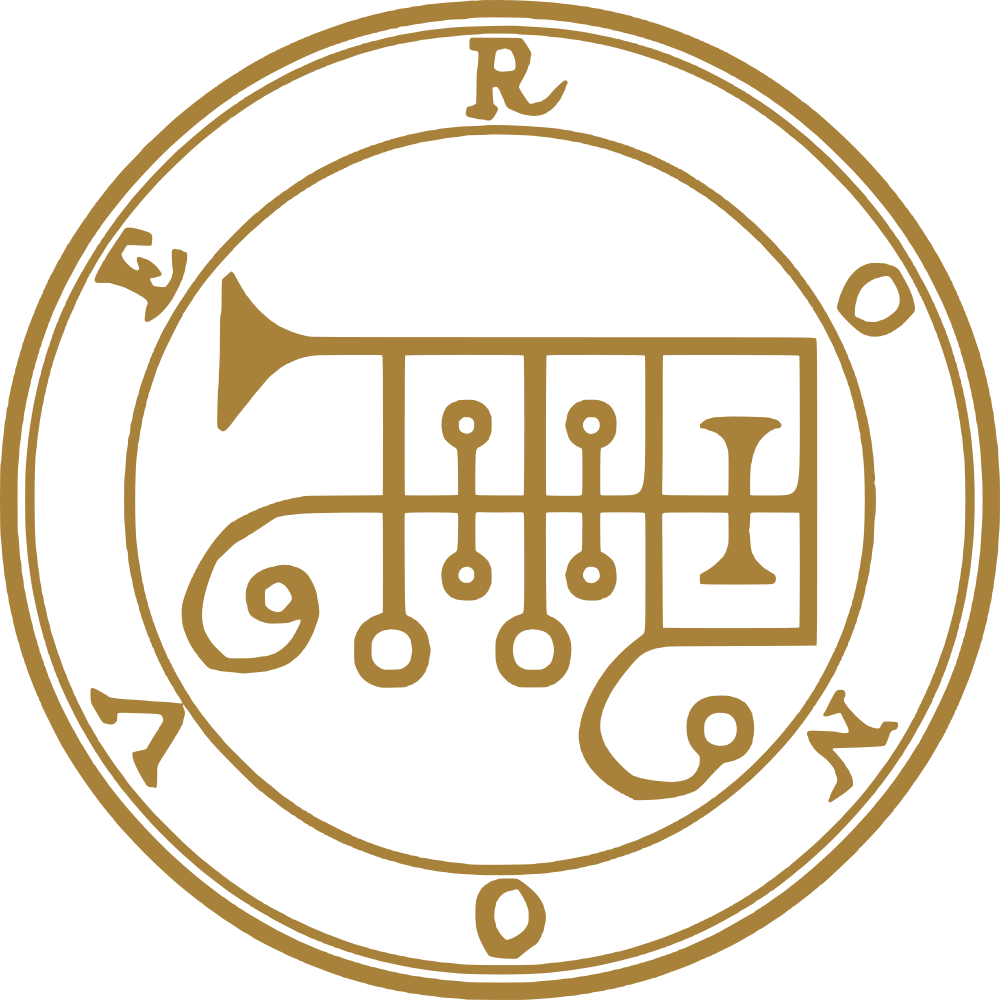
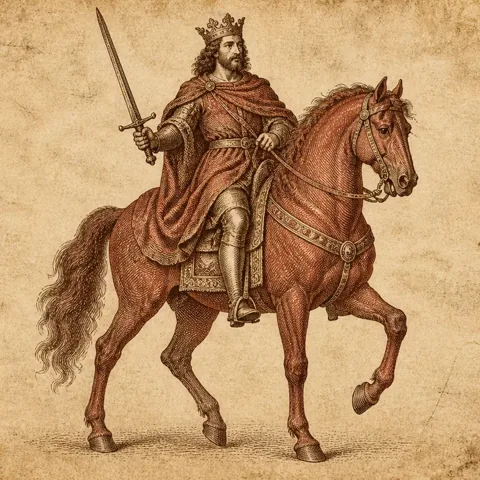
Berith
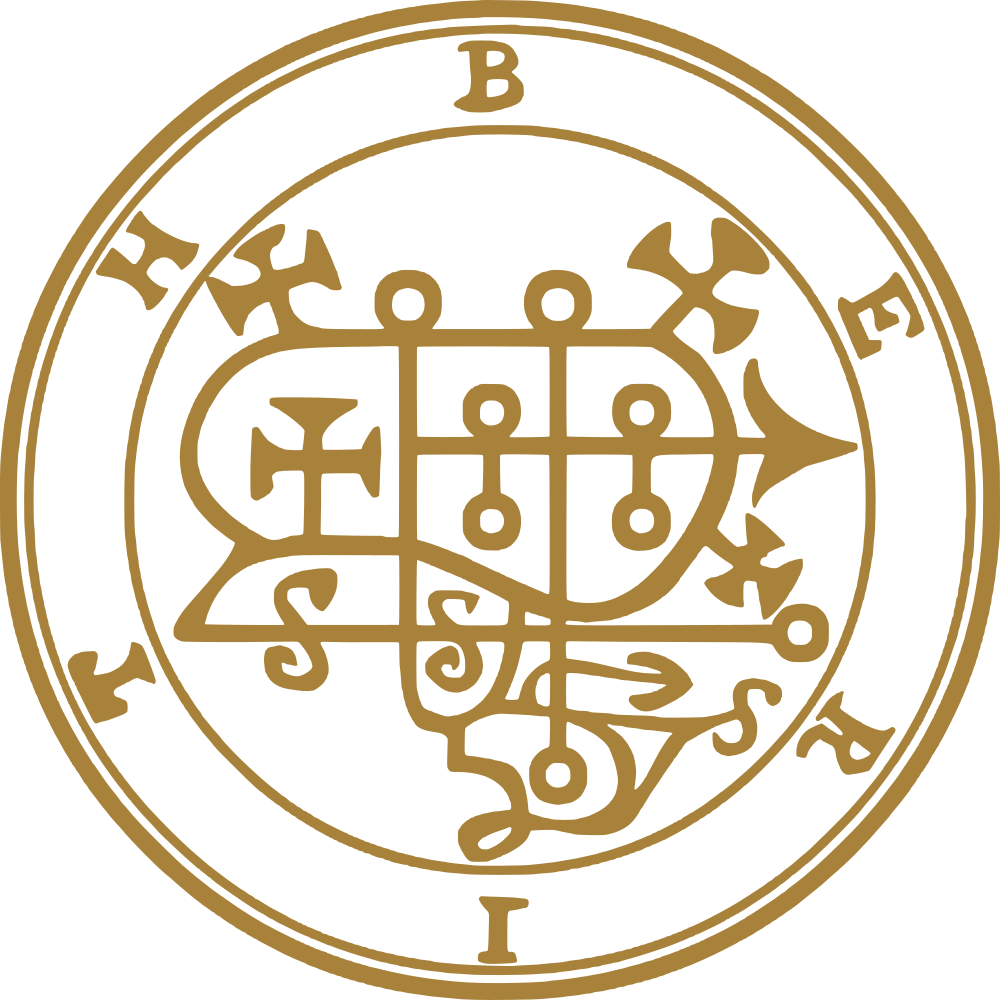
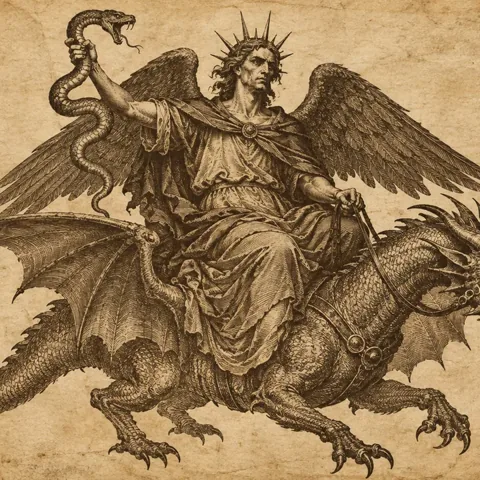
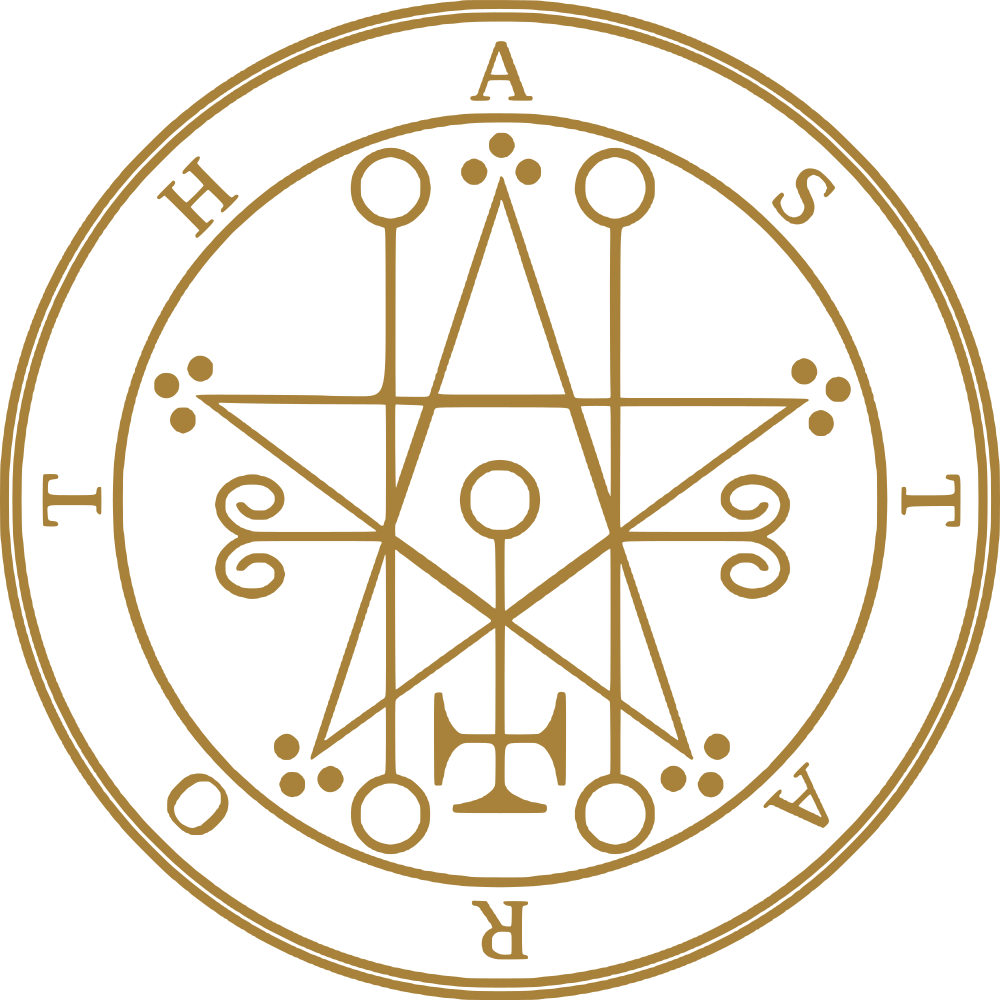
Astaroth
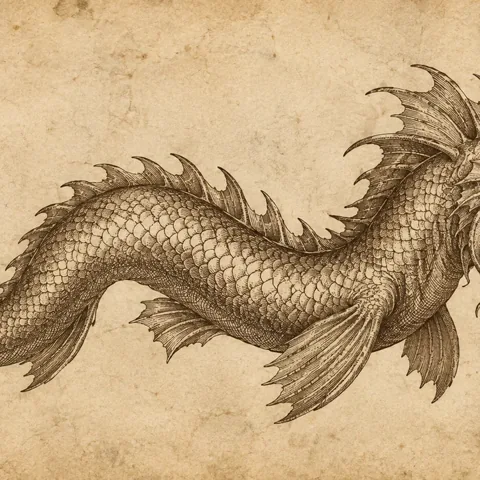
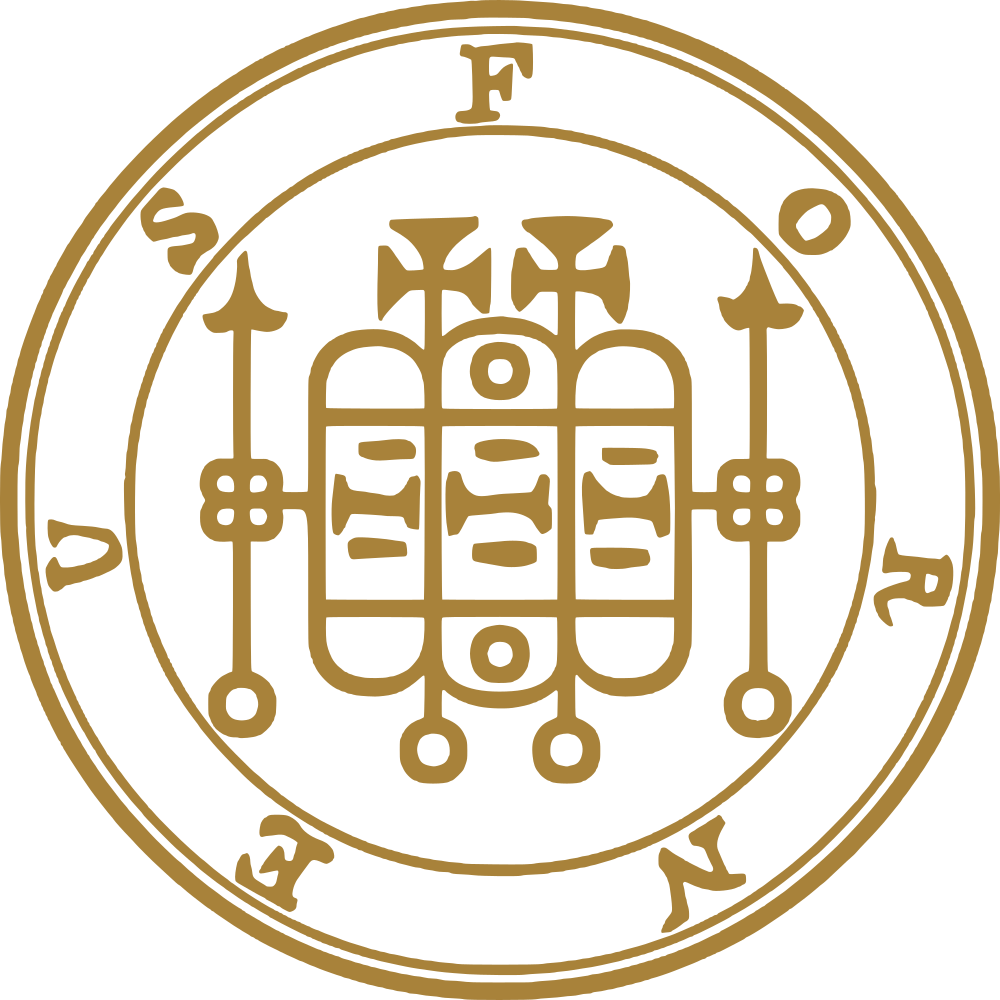
Forneus
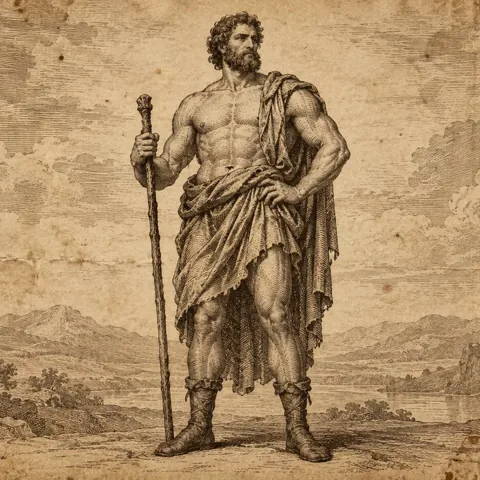
Foras
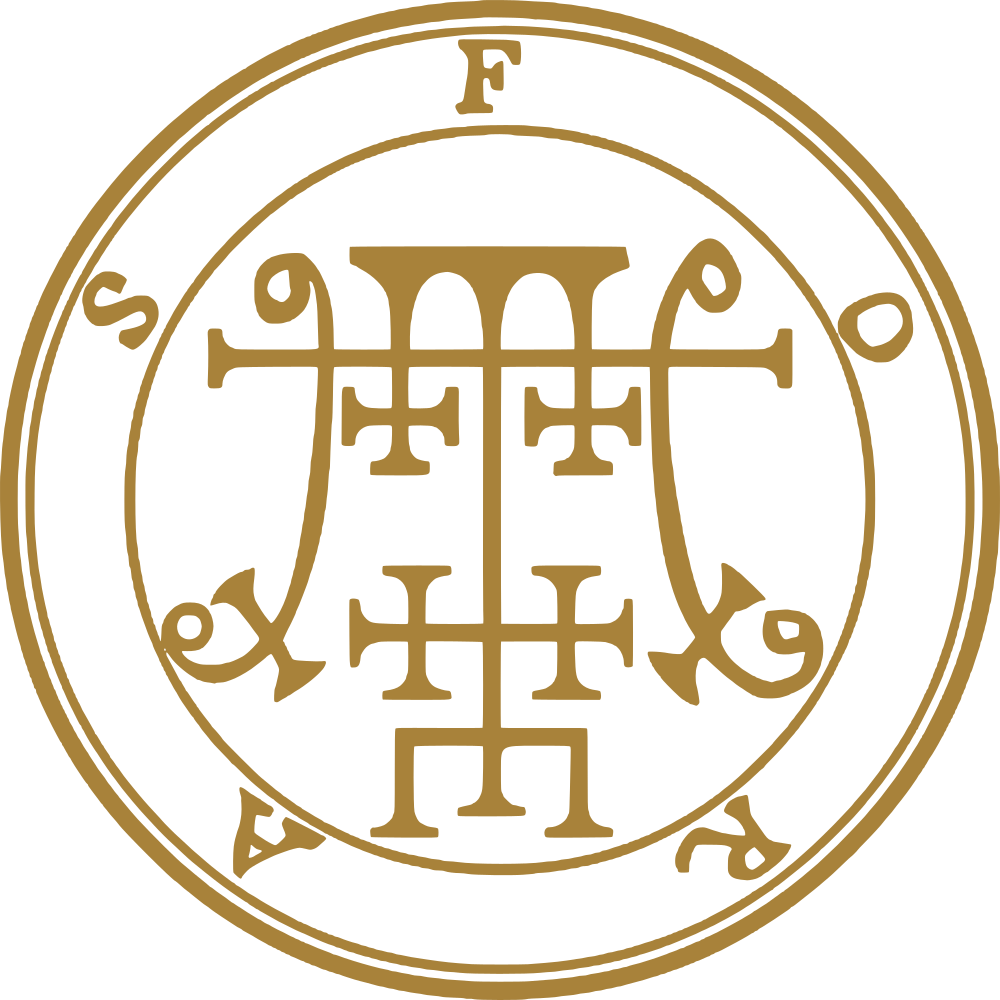
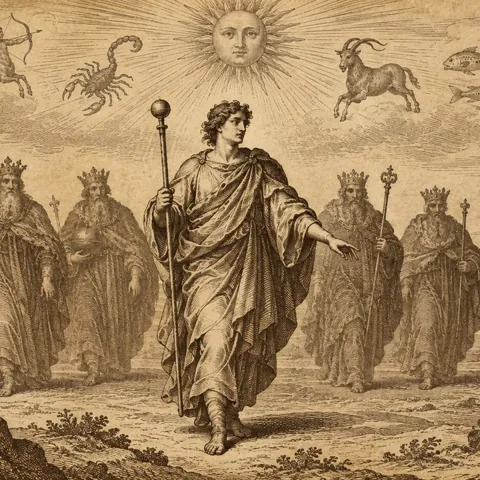
Gaap
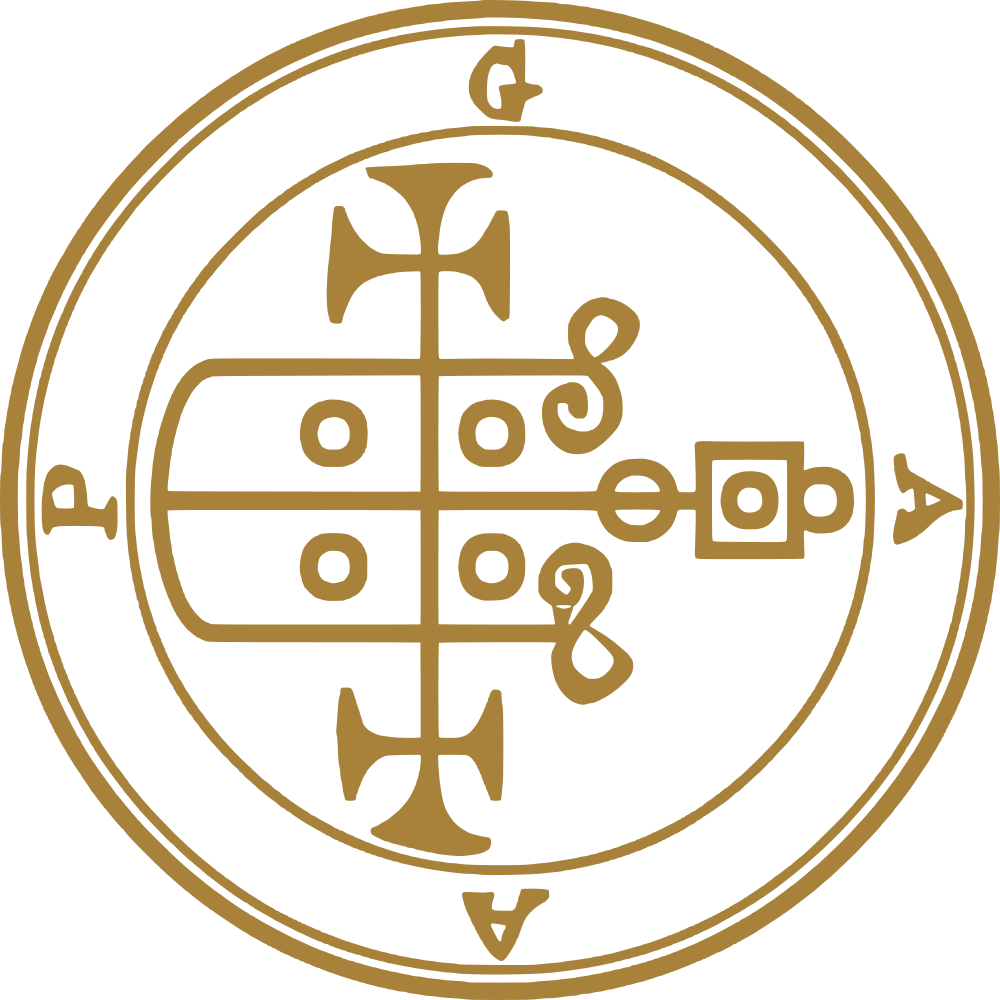
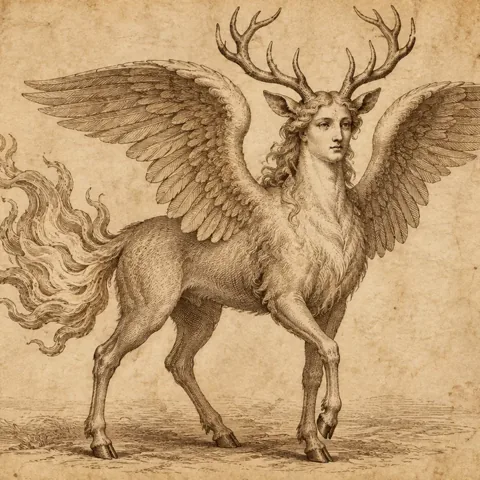
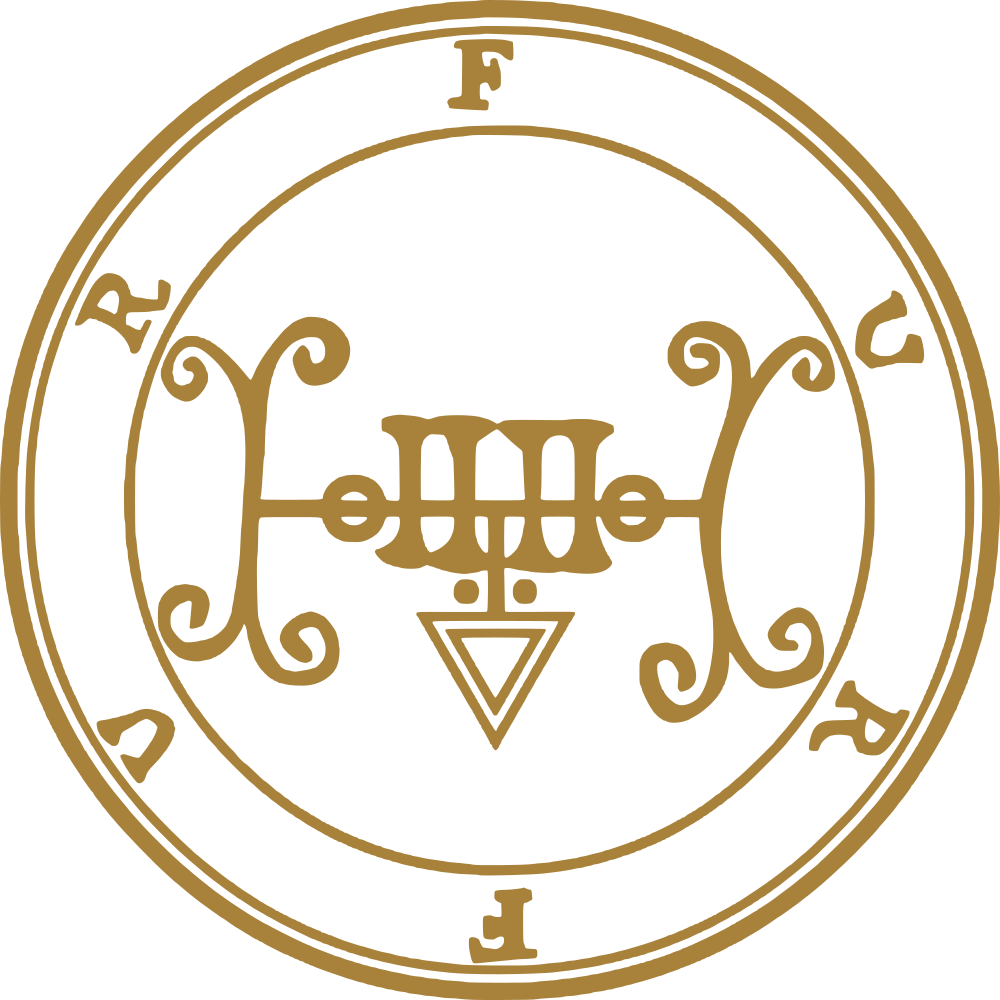
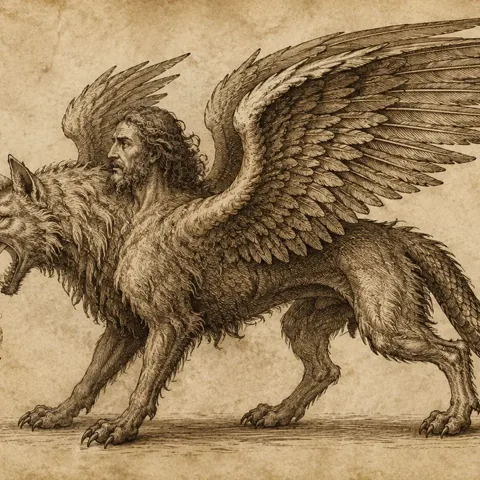
Furfur
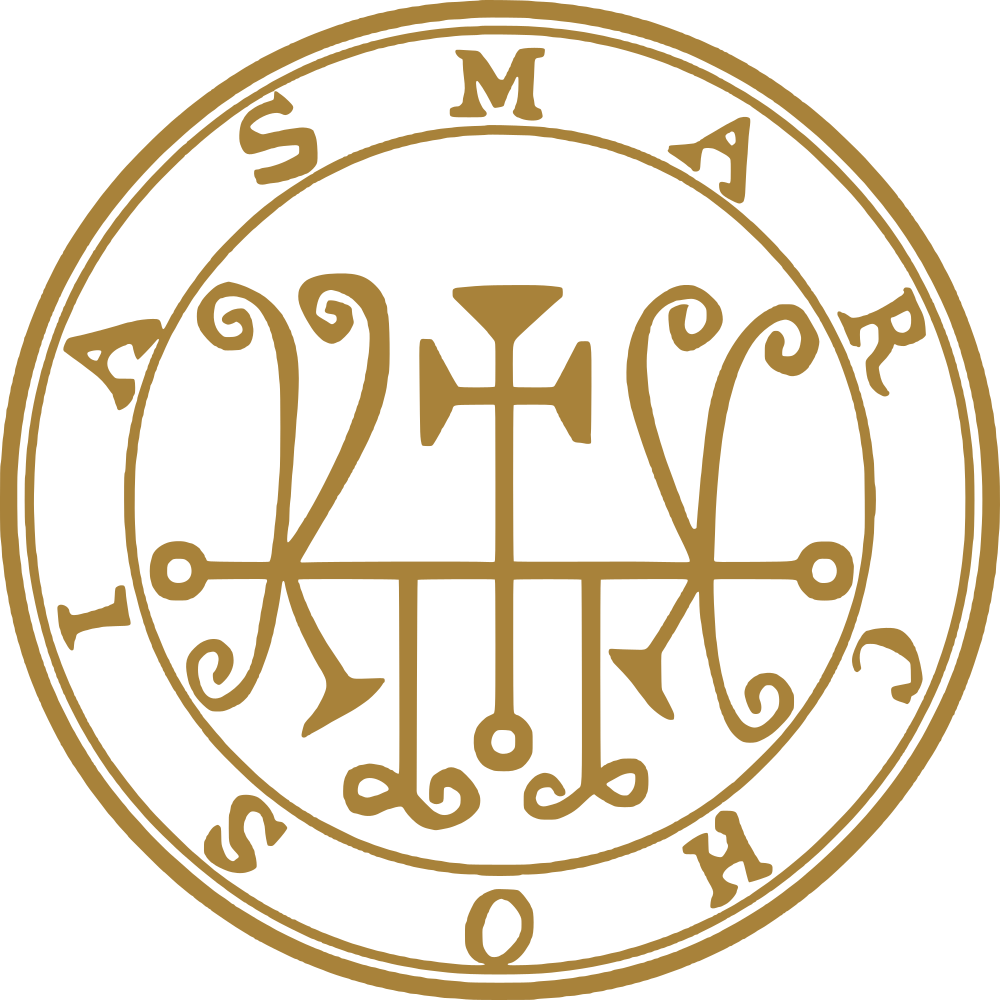
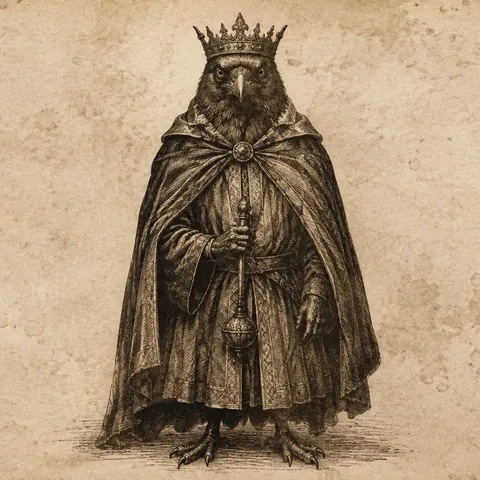
Marchosias
Stolas
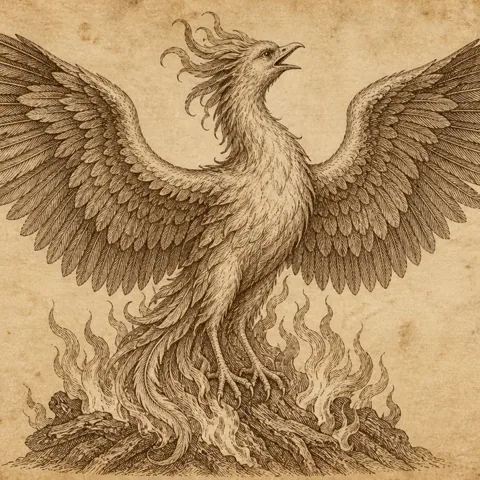
Phenex
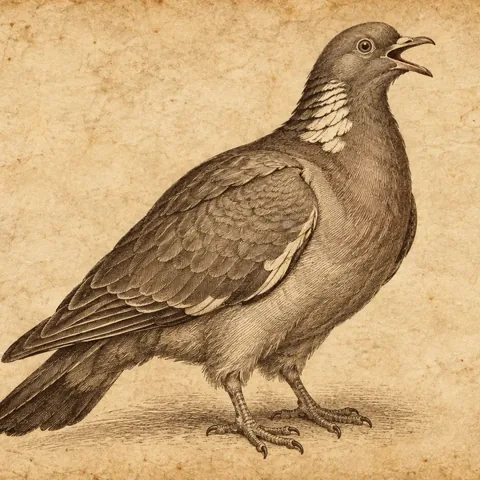
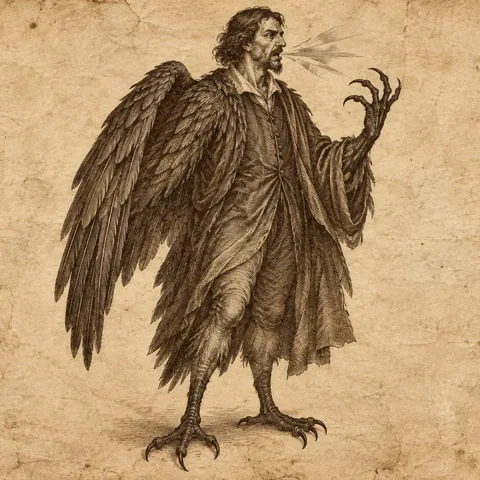
Halphas
Malphas
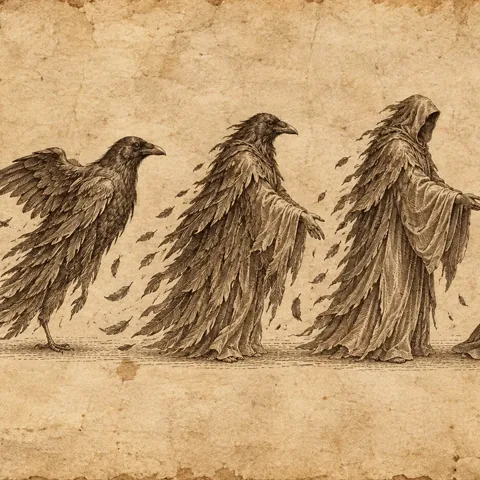
Raum
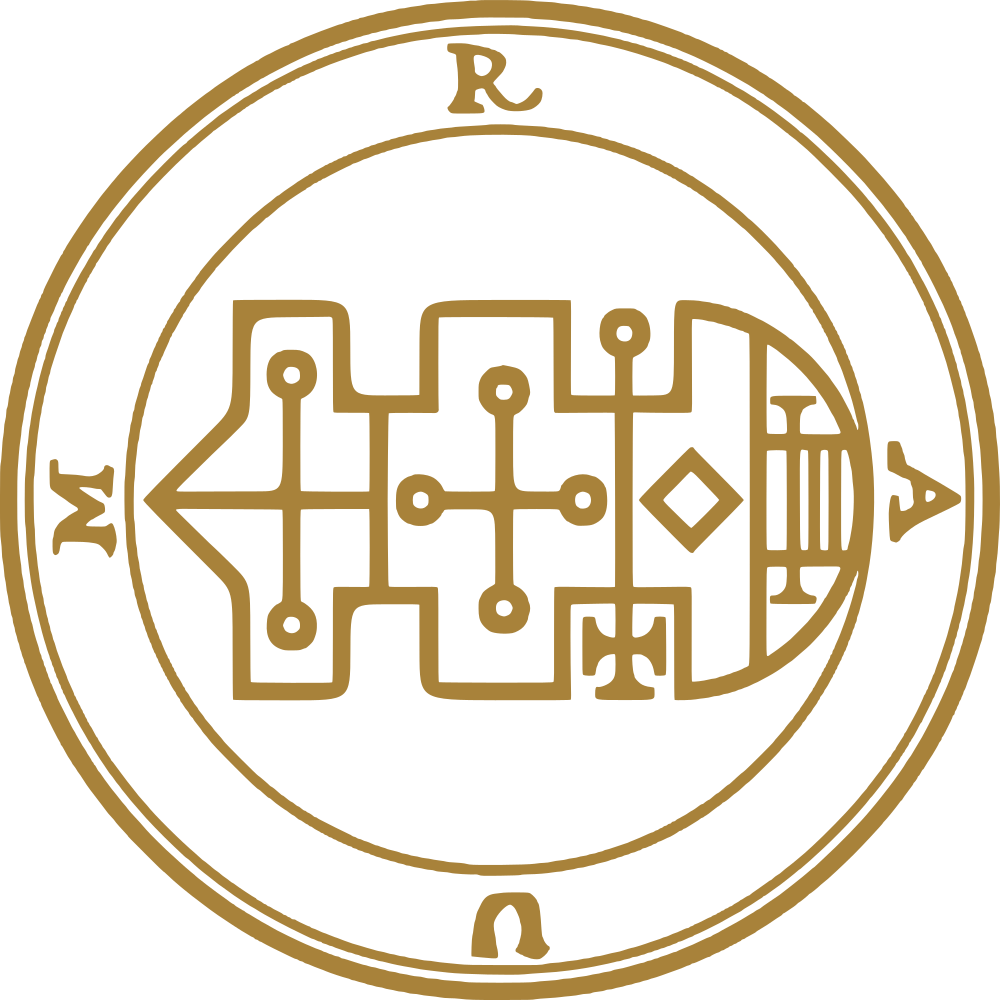
Focalor
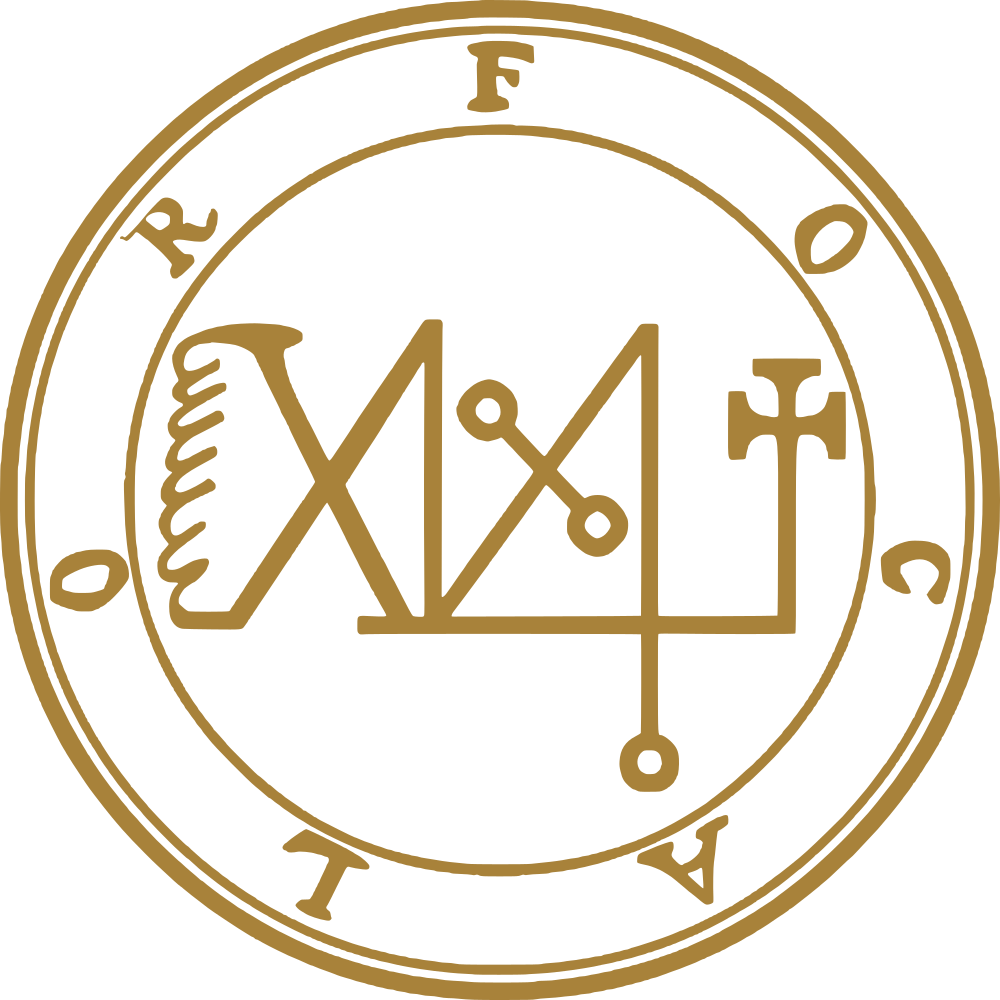
Vepar
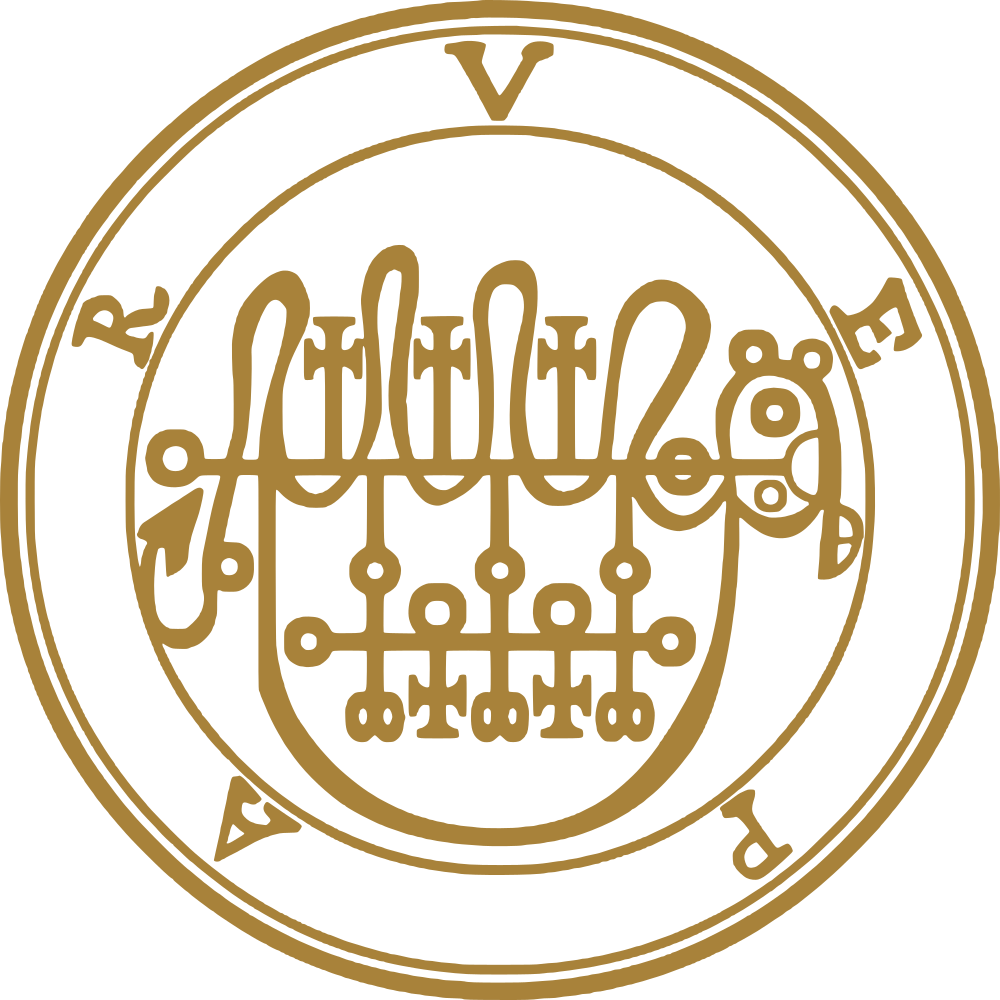
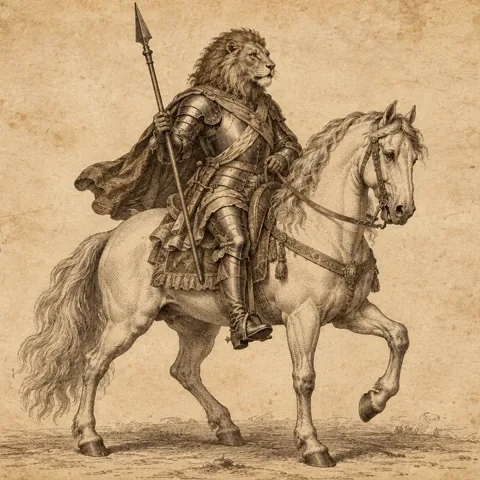
Sabnock
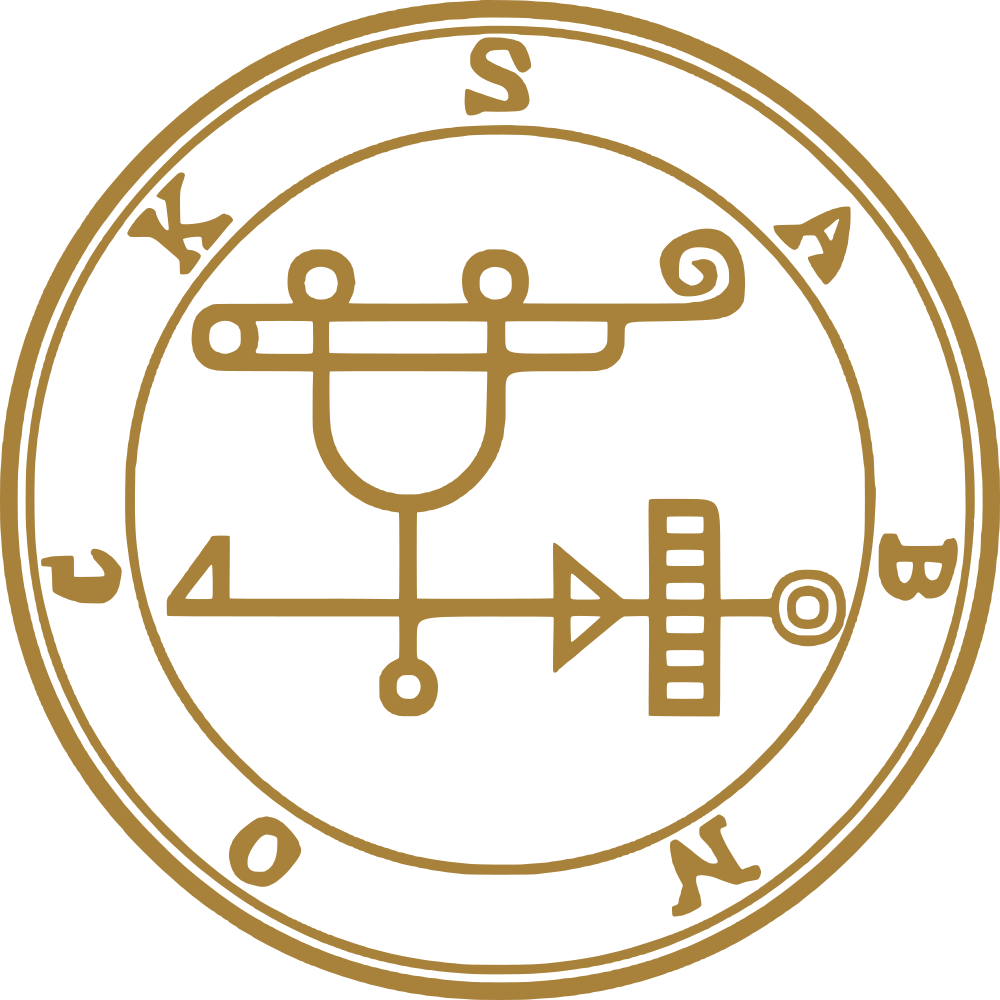
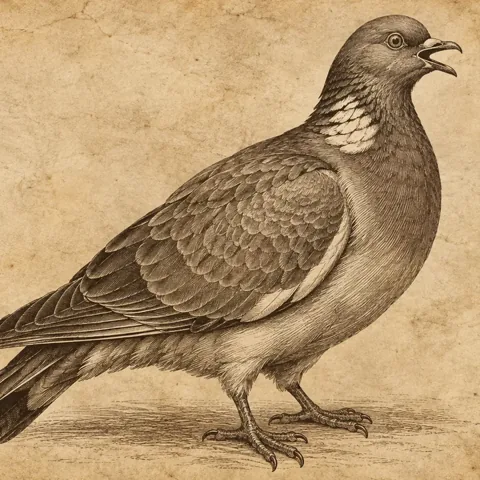
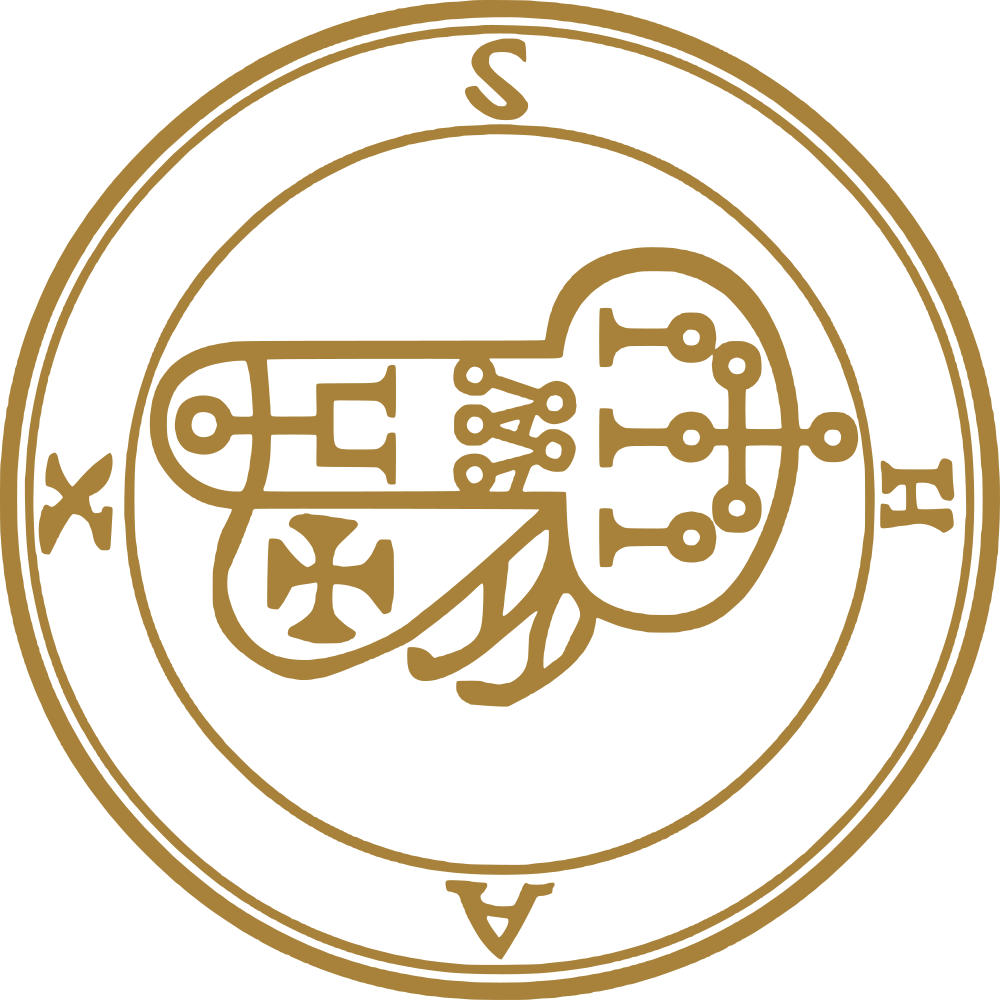
Shax
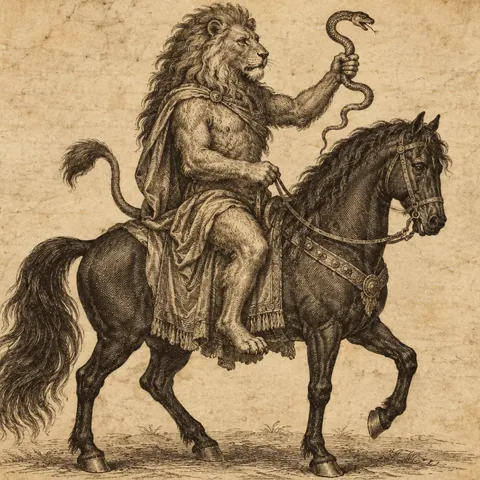
Vine
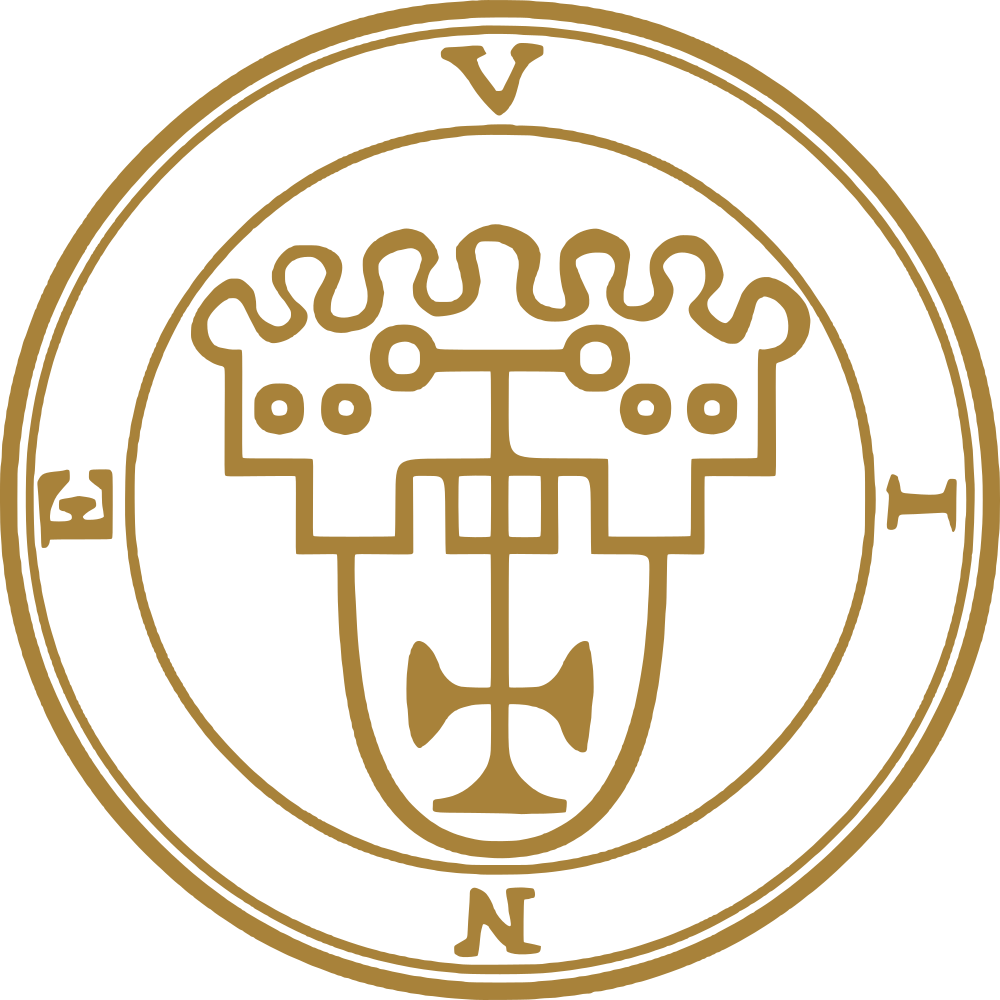
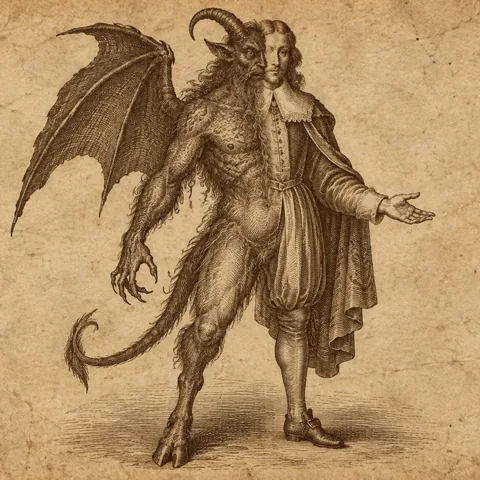
Bifrons
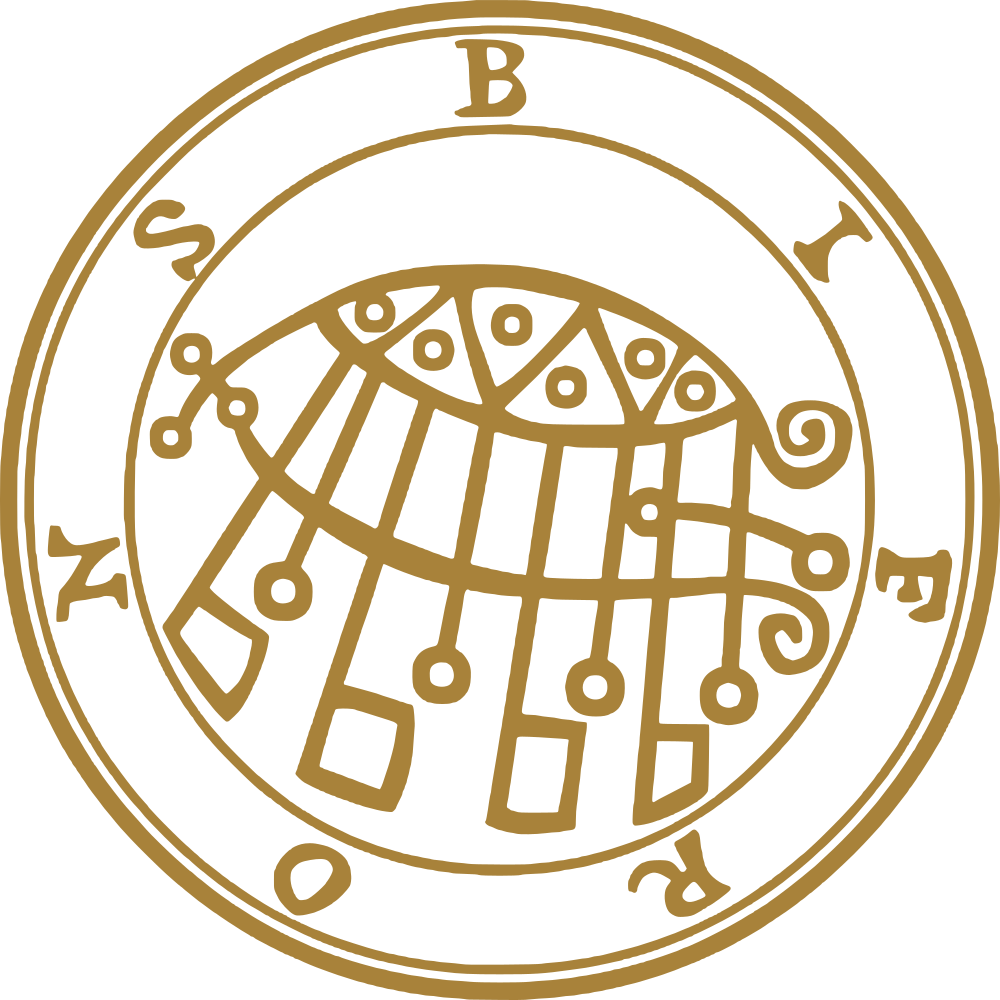
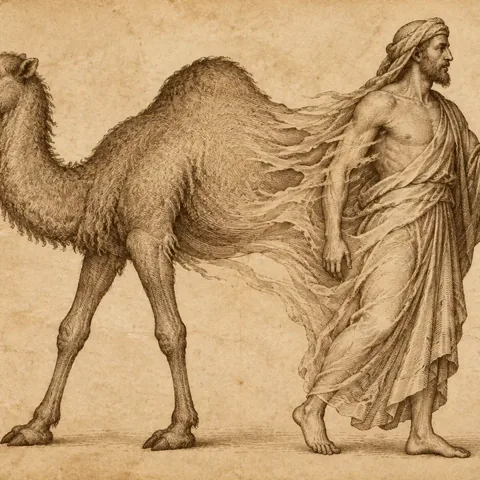
Vual
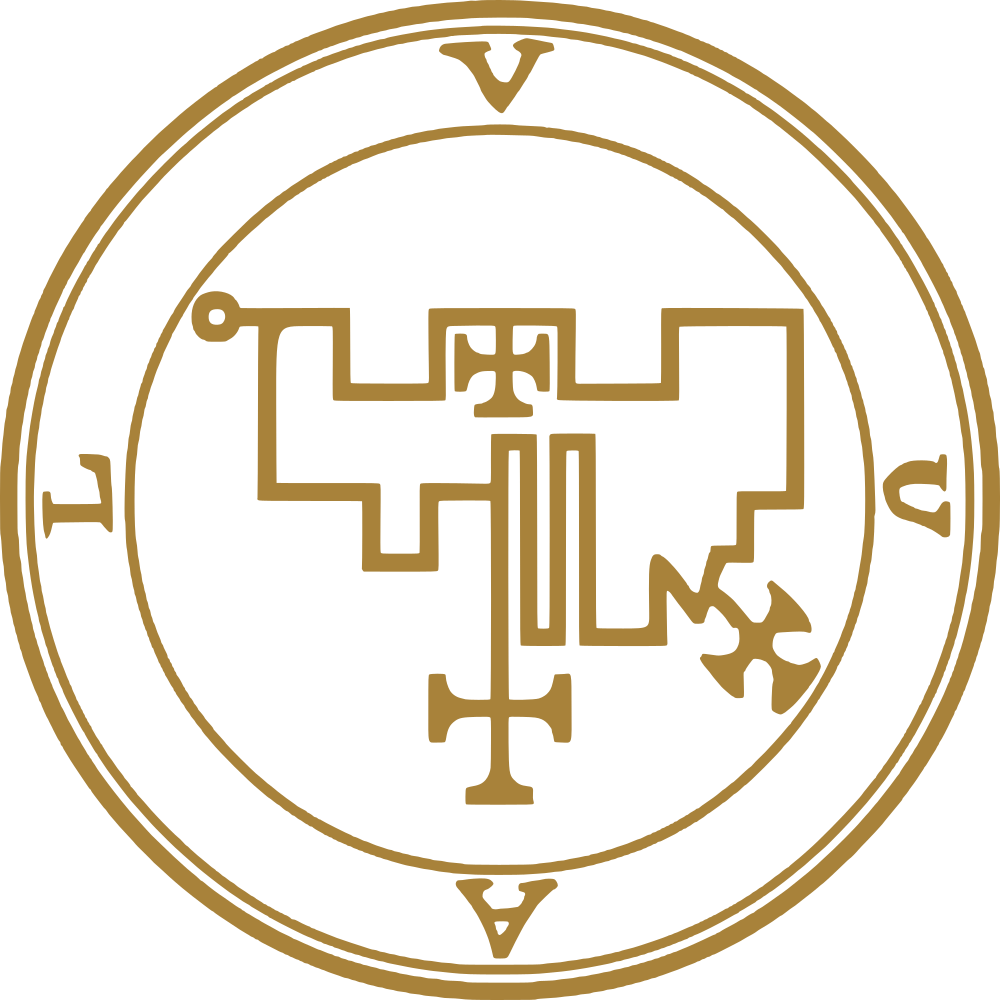
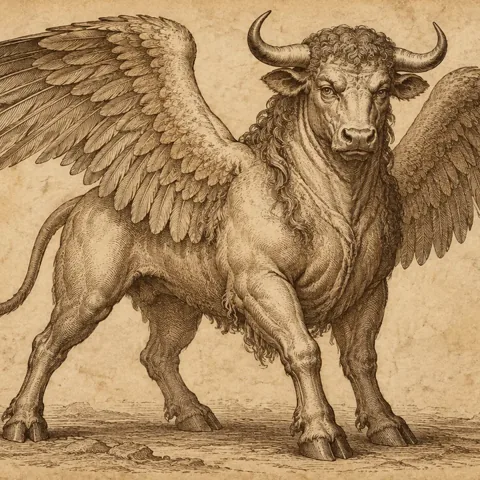
Haagenti
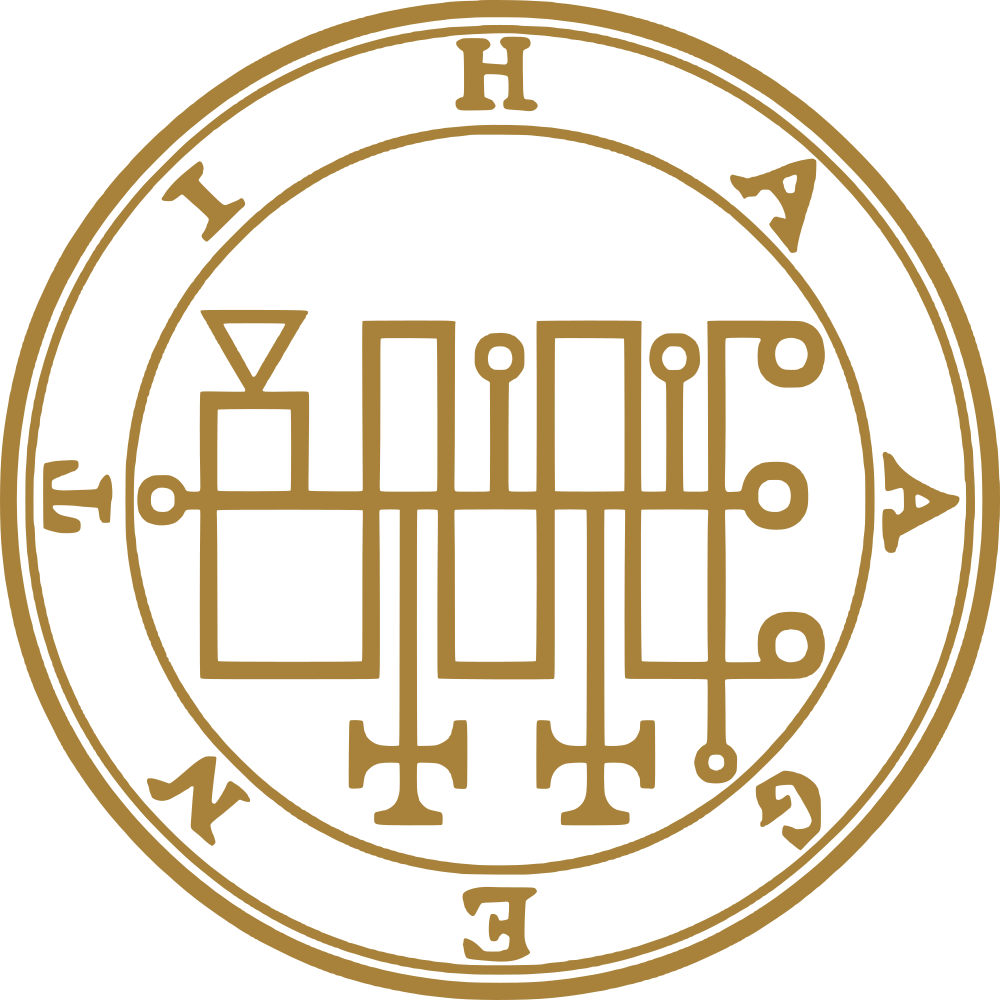
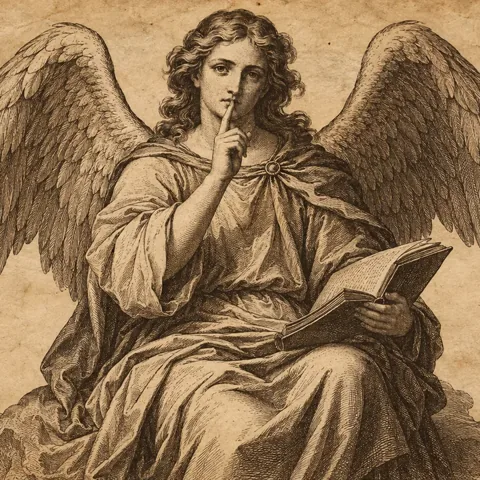
Crocell
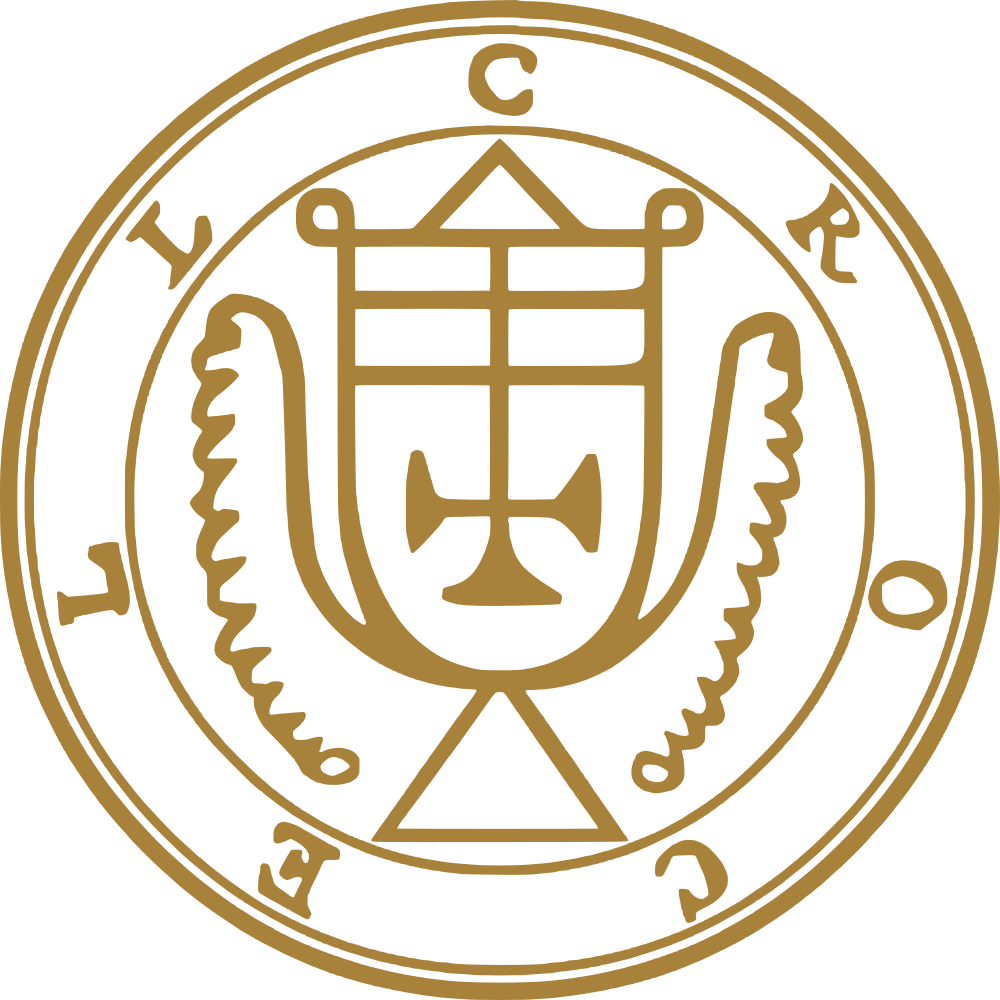
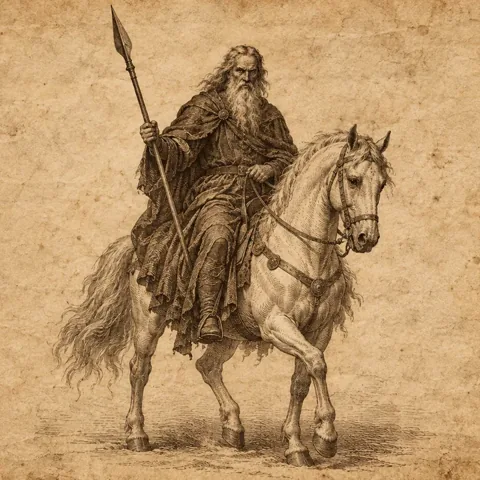
Furcas
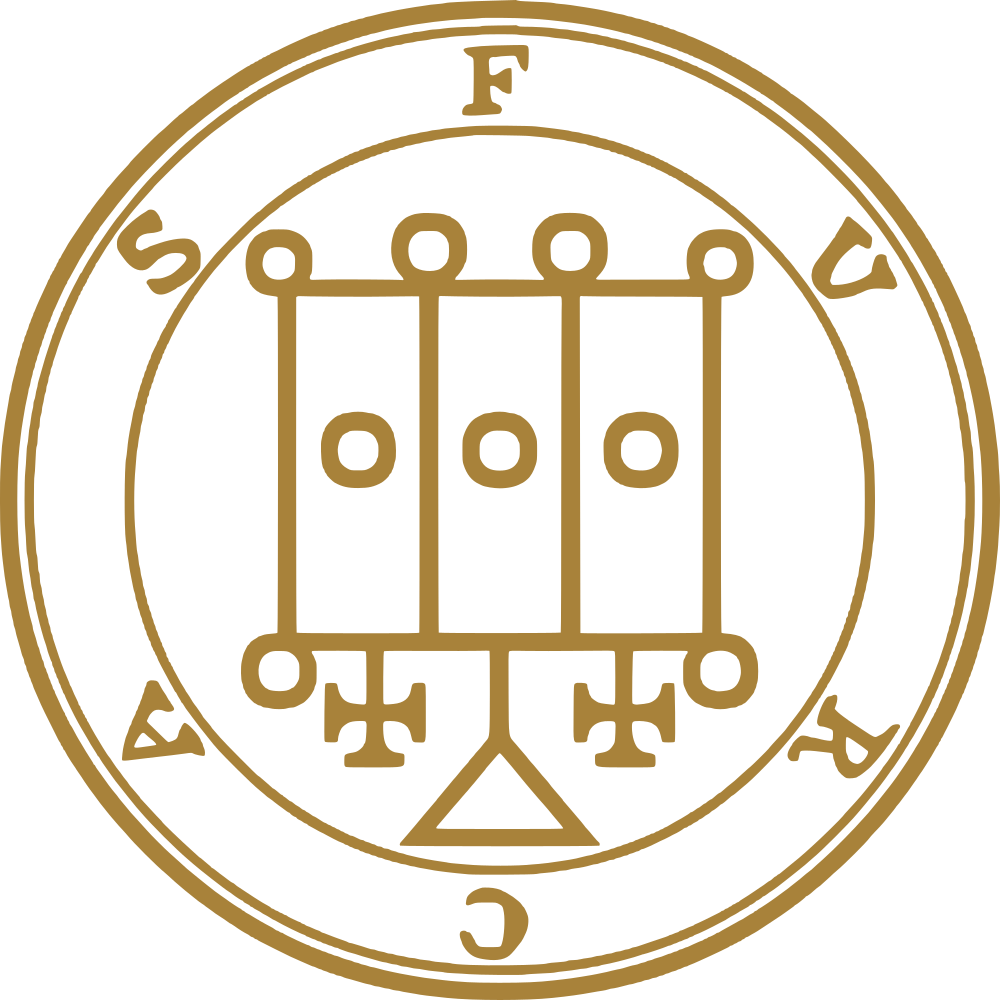
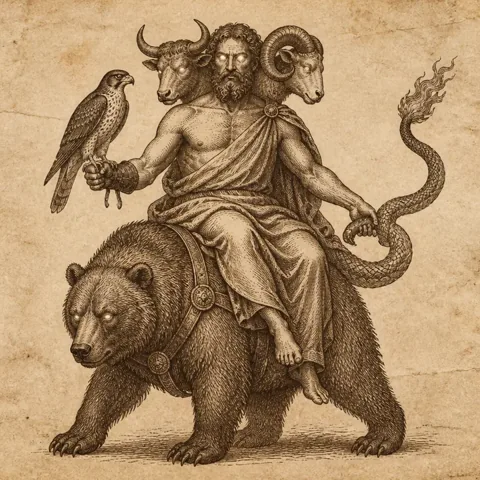
Balam
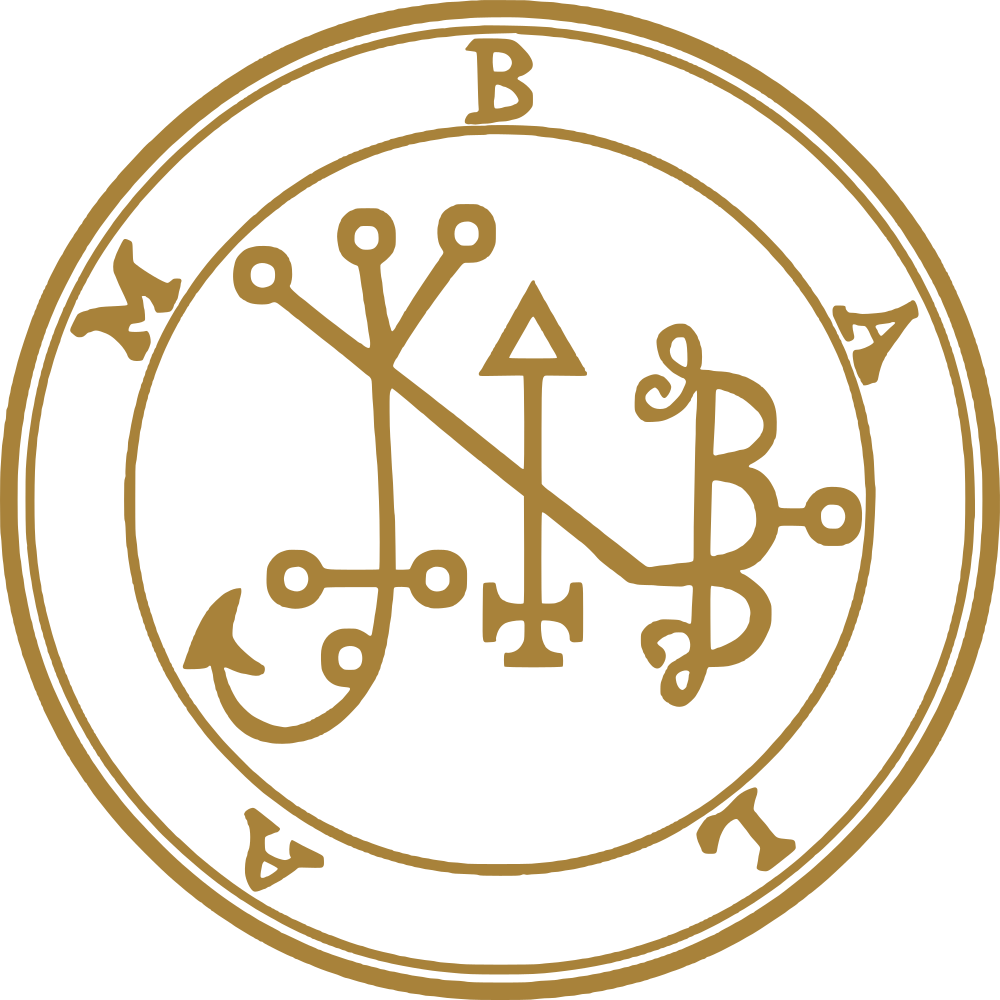
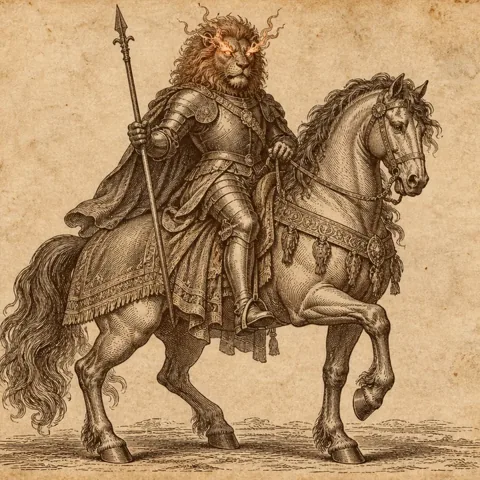
Alloces
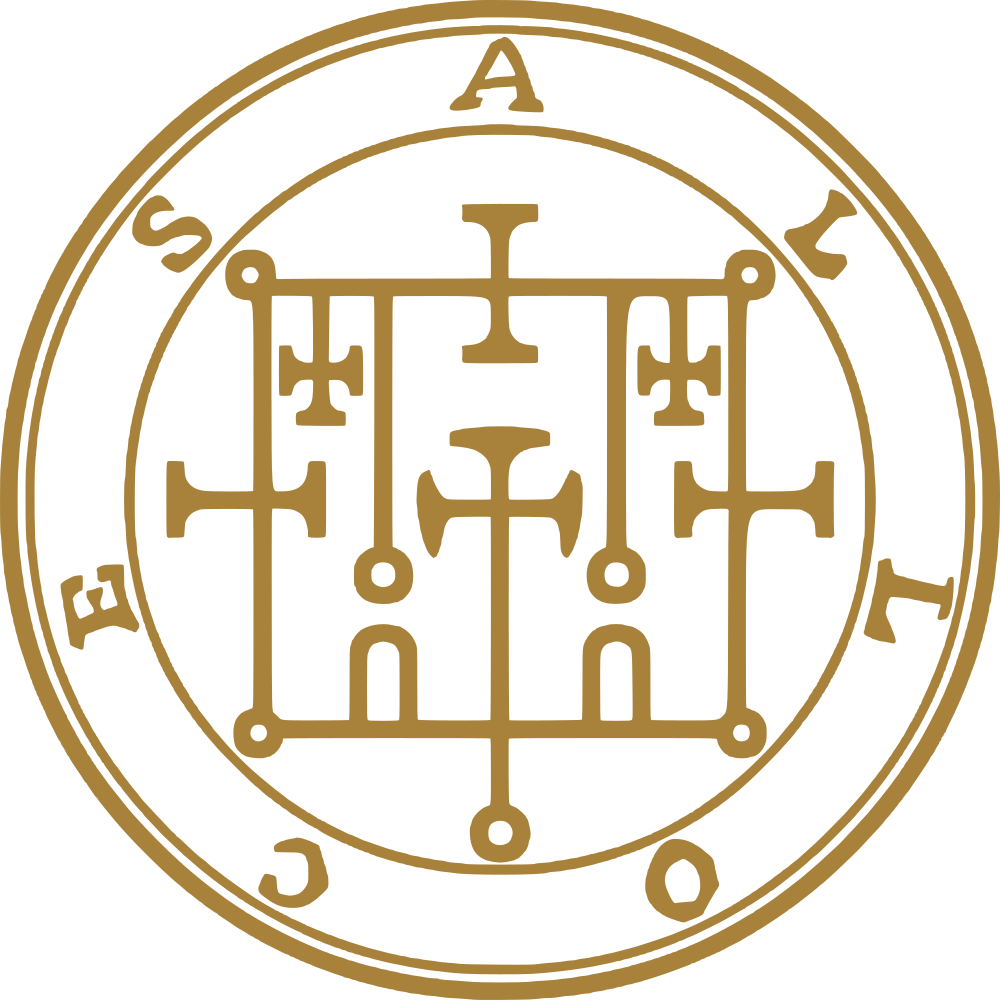
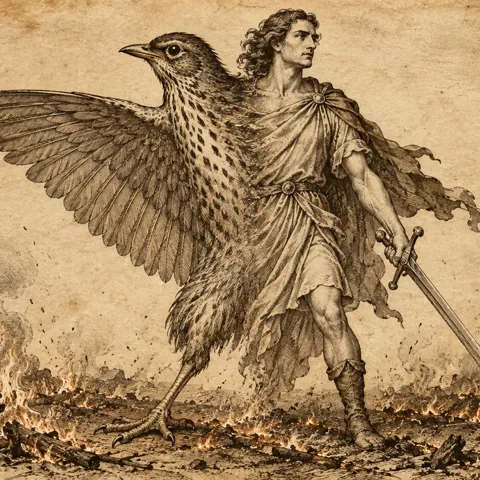
Camio
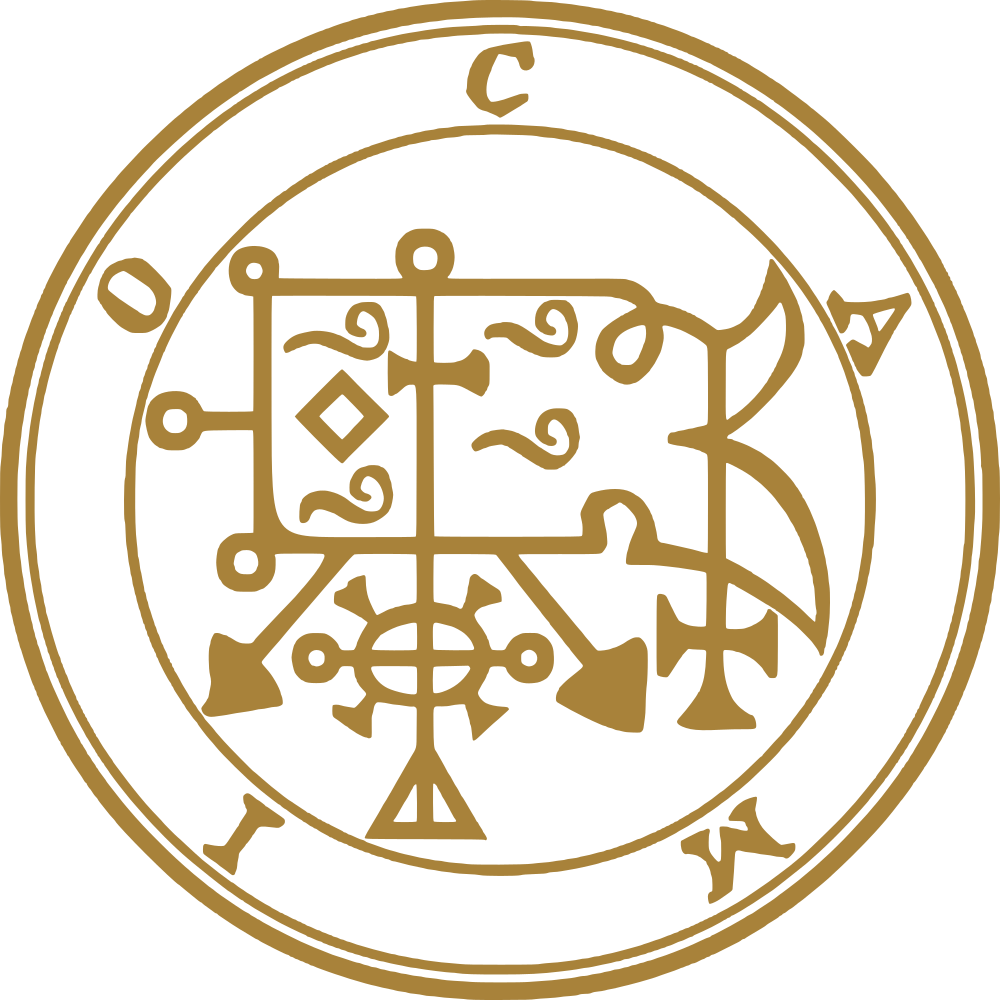
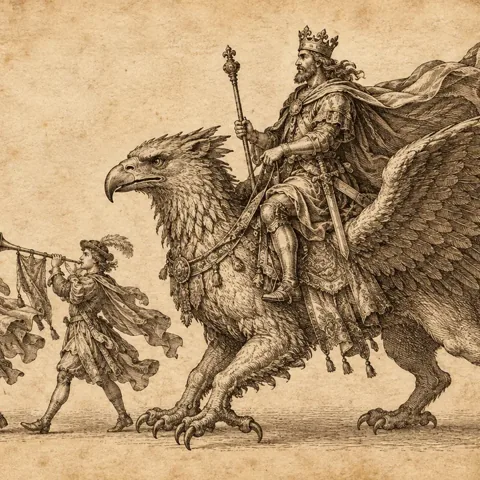
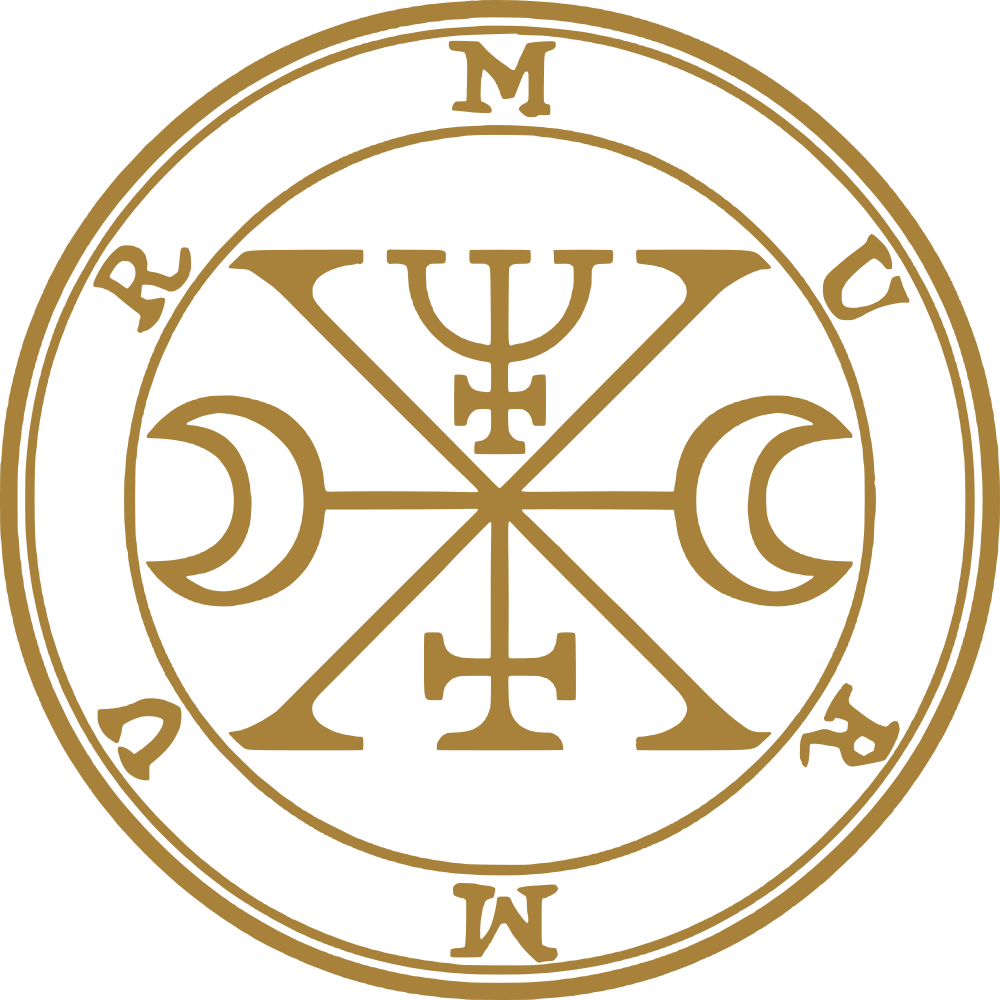
Murmur
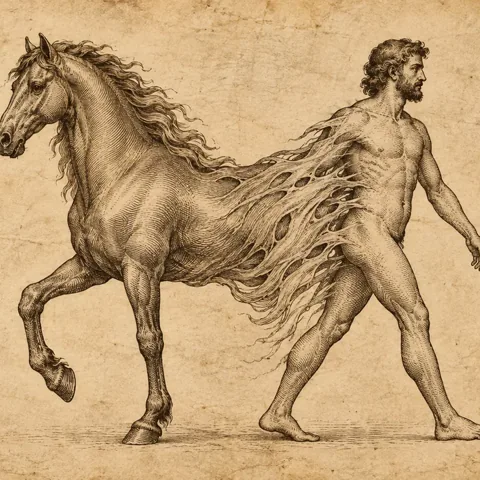
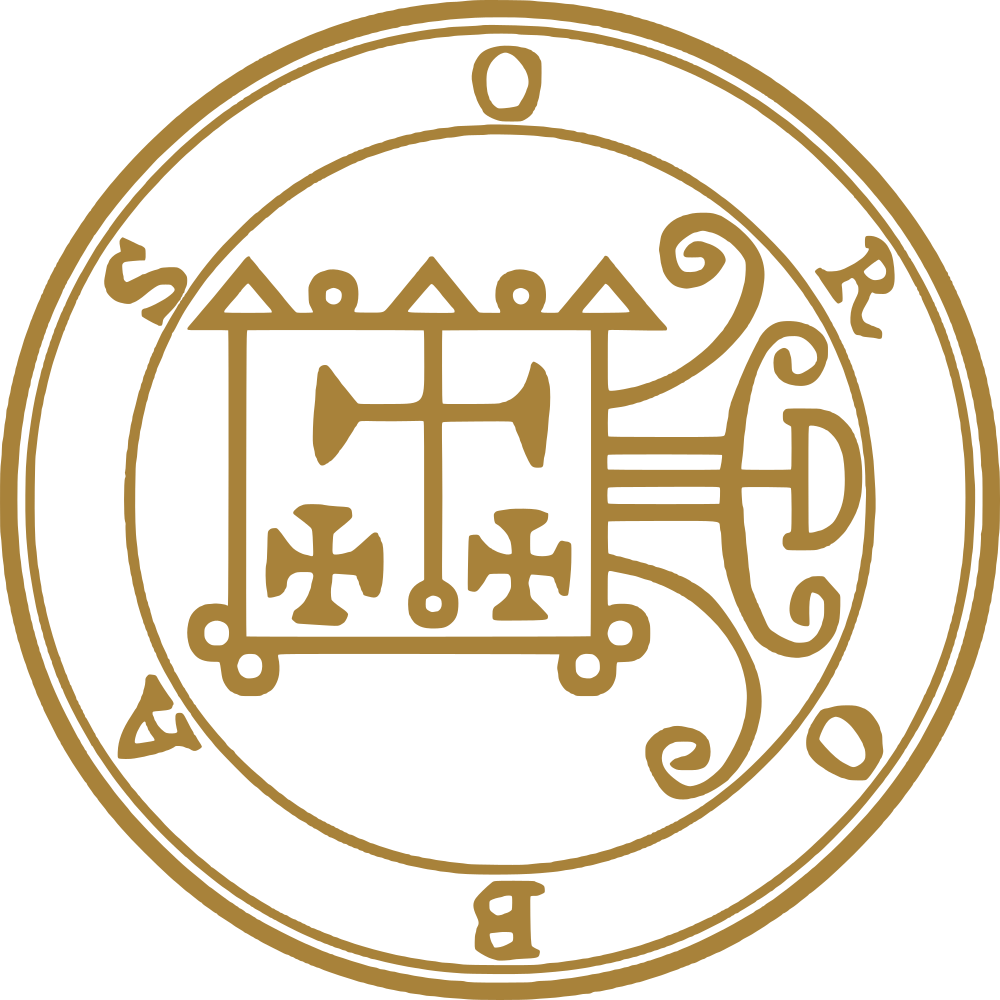
Orobas
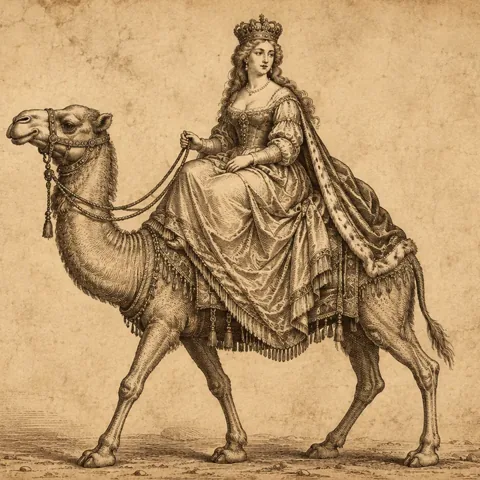
Gremory
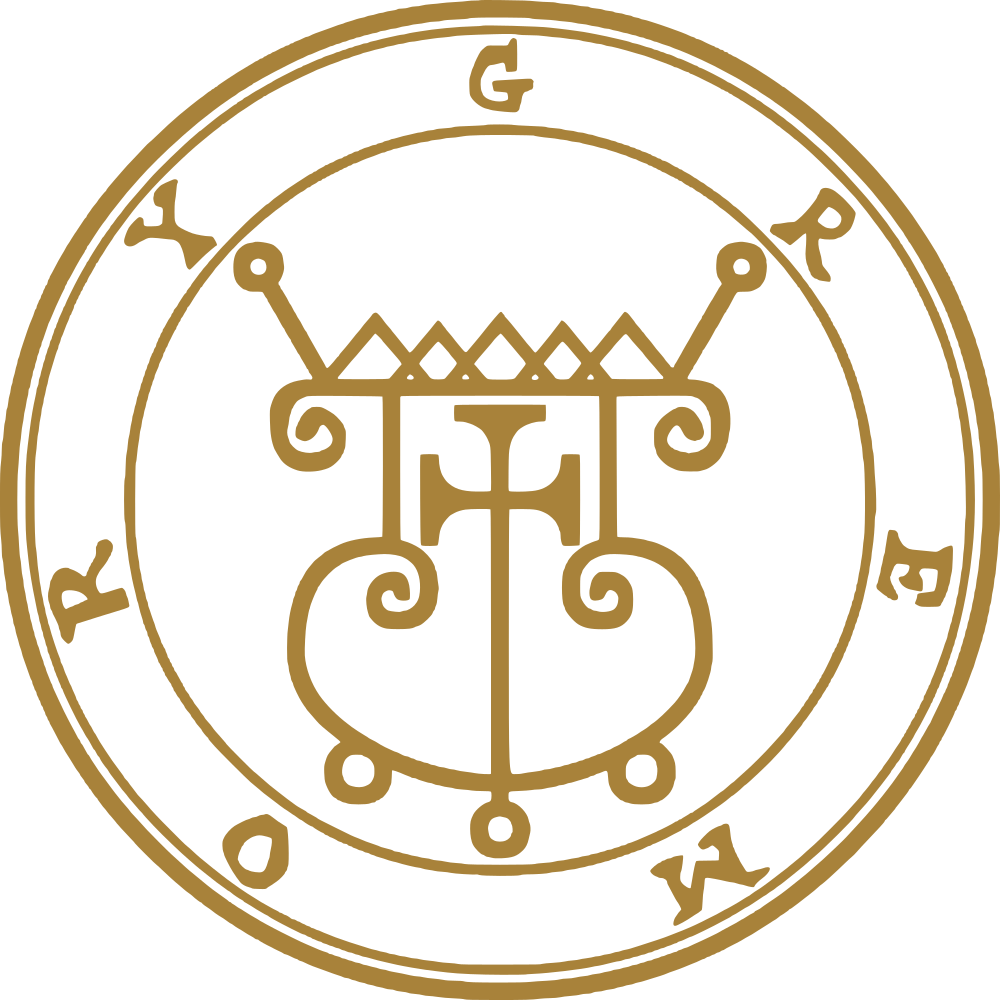
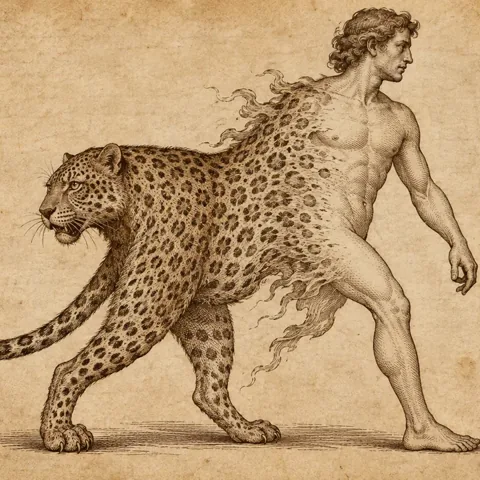
Ose
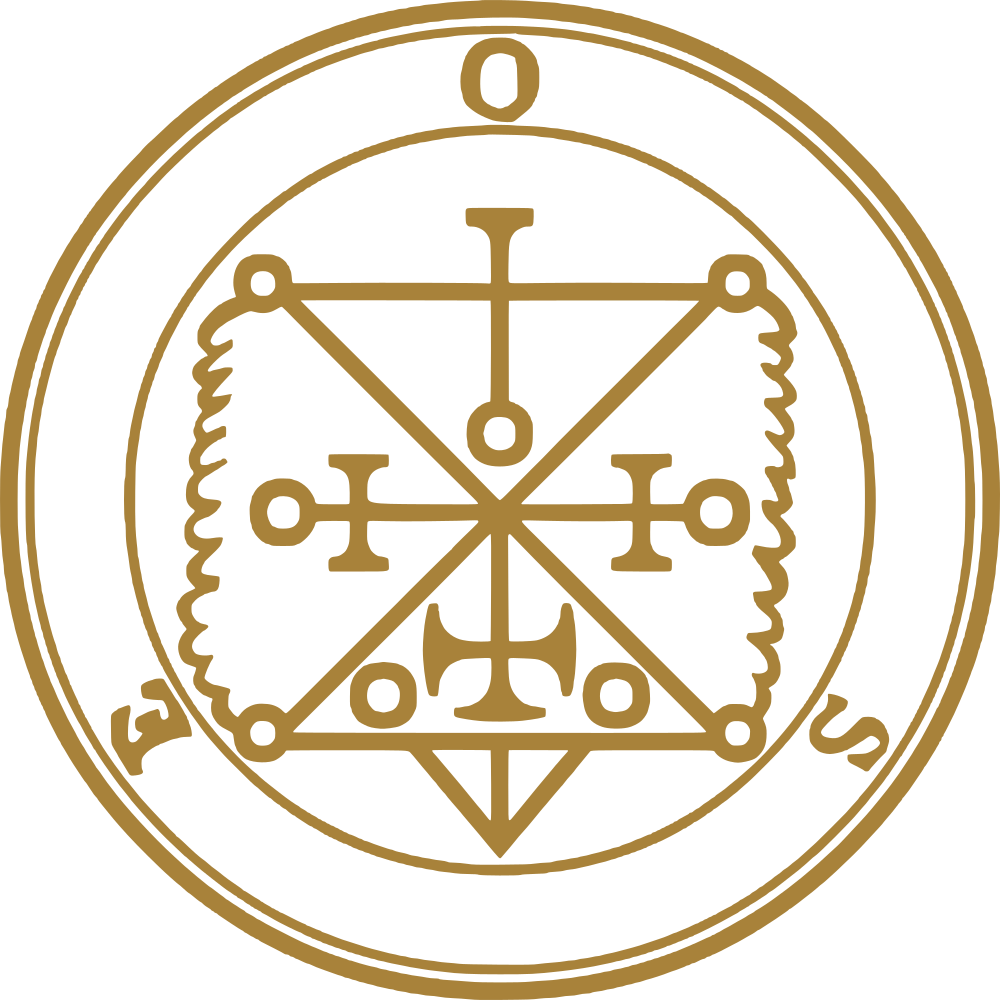
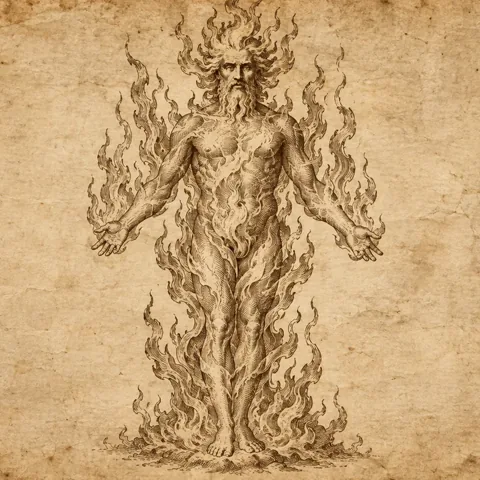
Amy
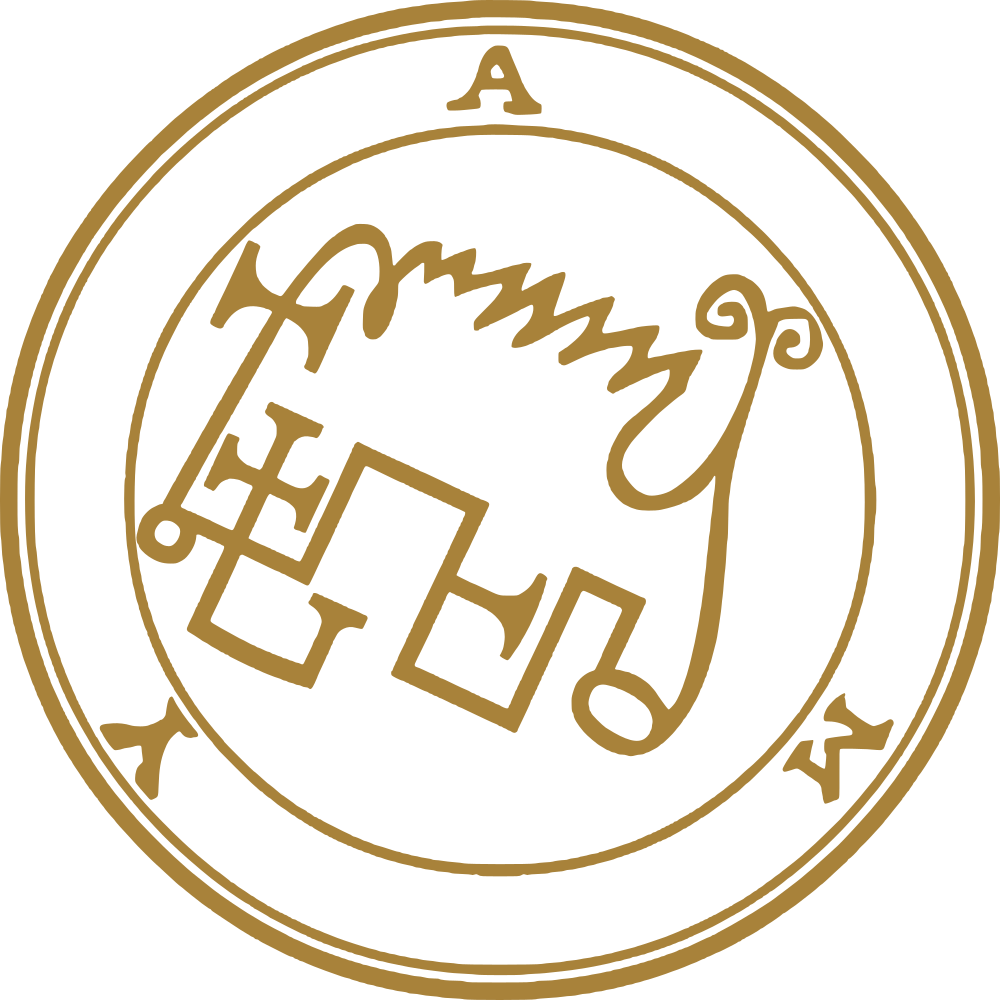
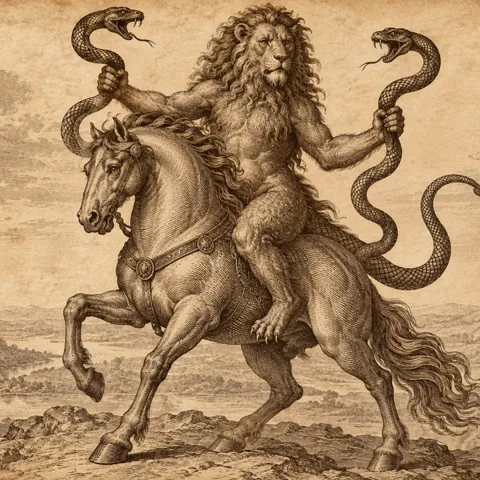
Orias
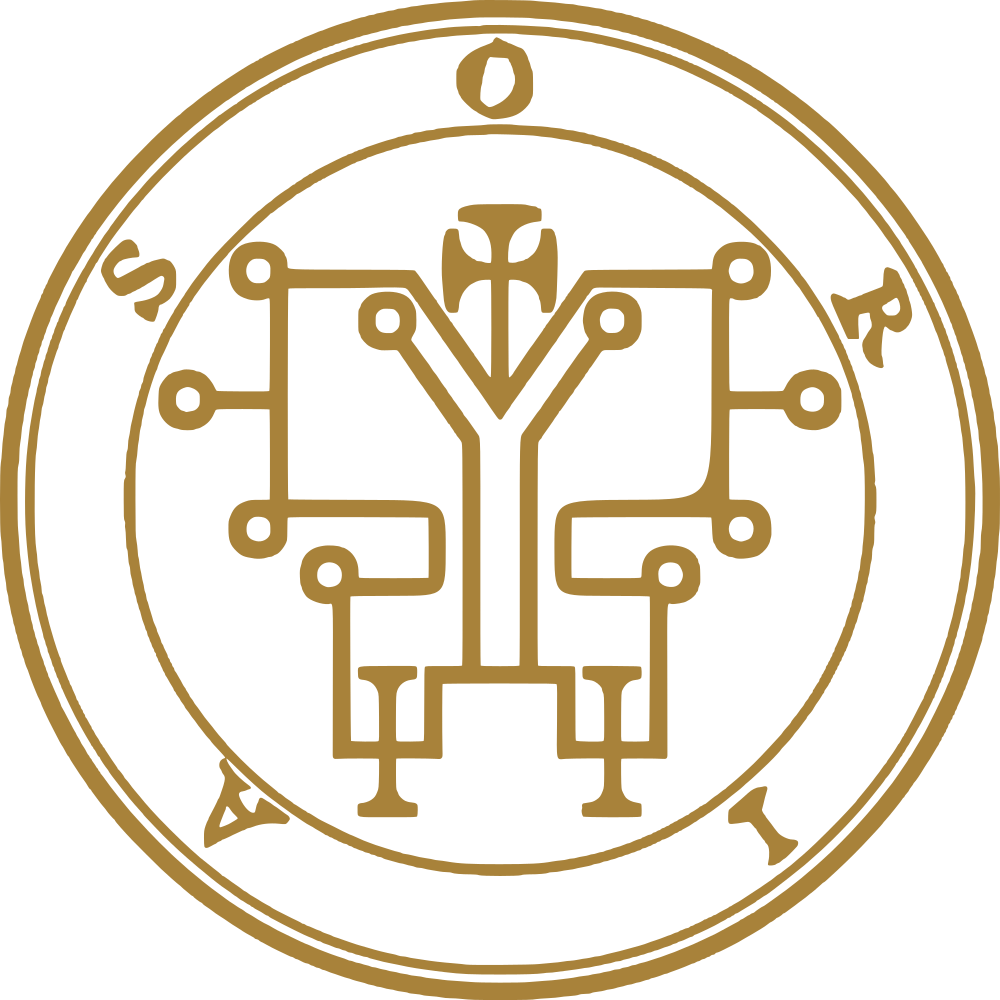
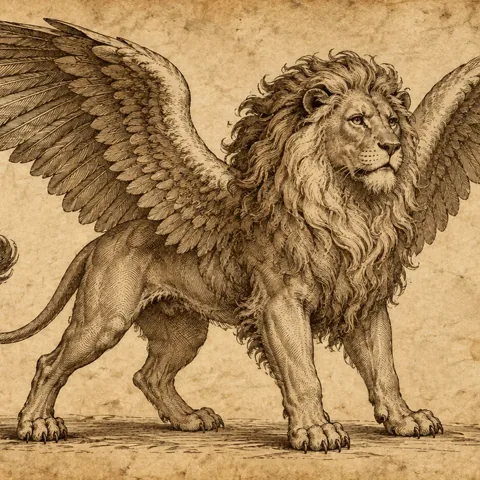
Vapula
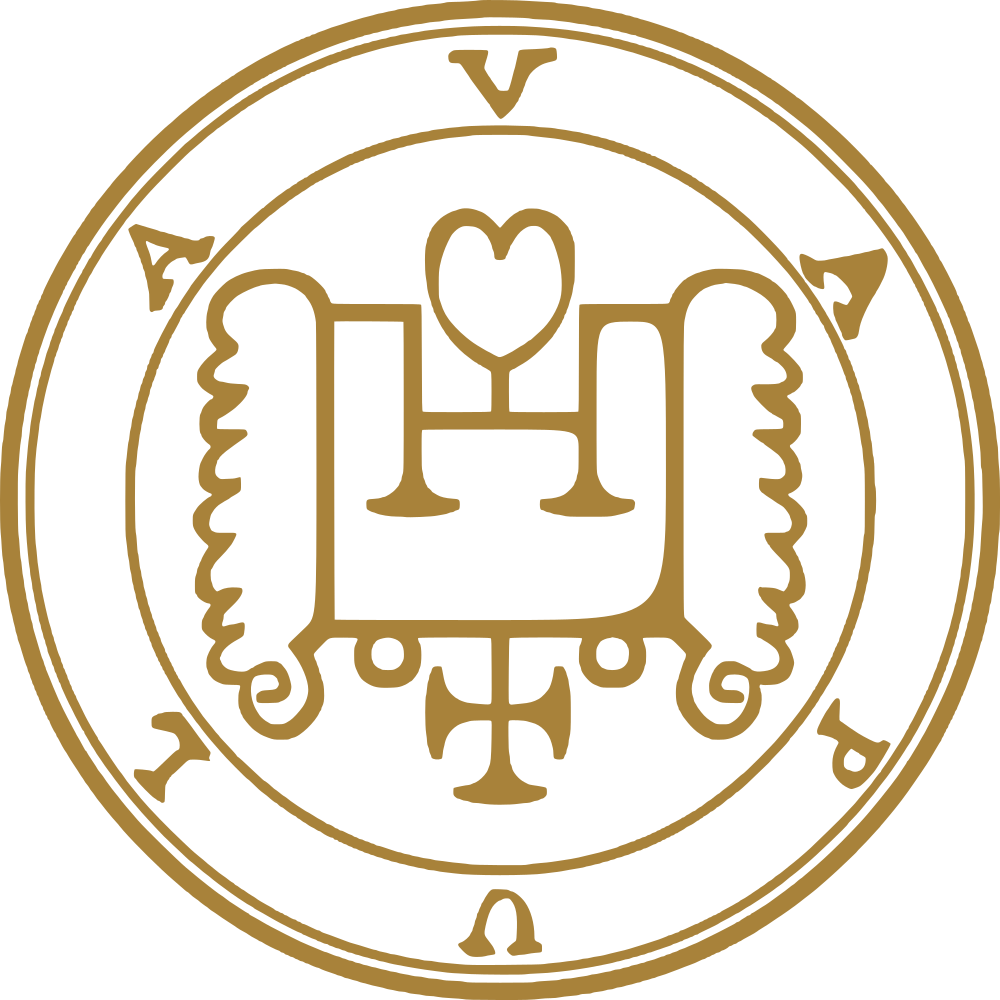
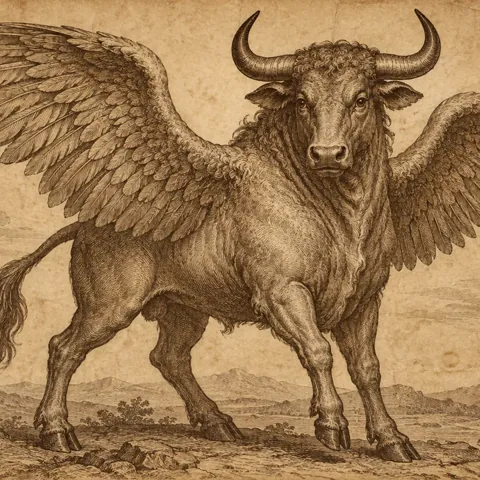
Zagan
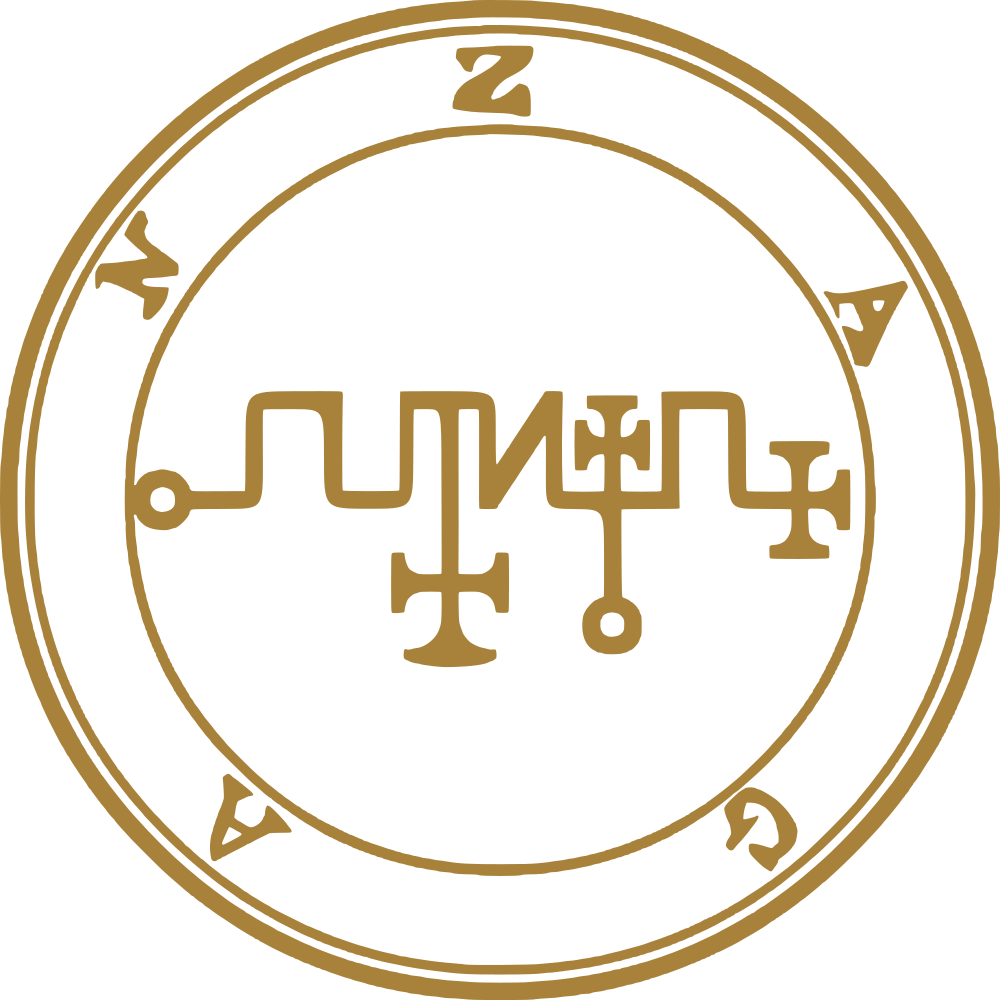
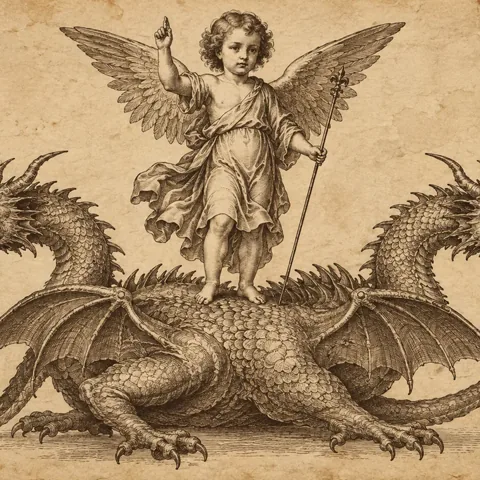
Valac
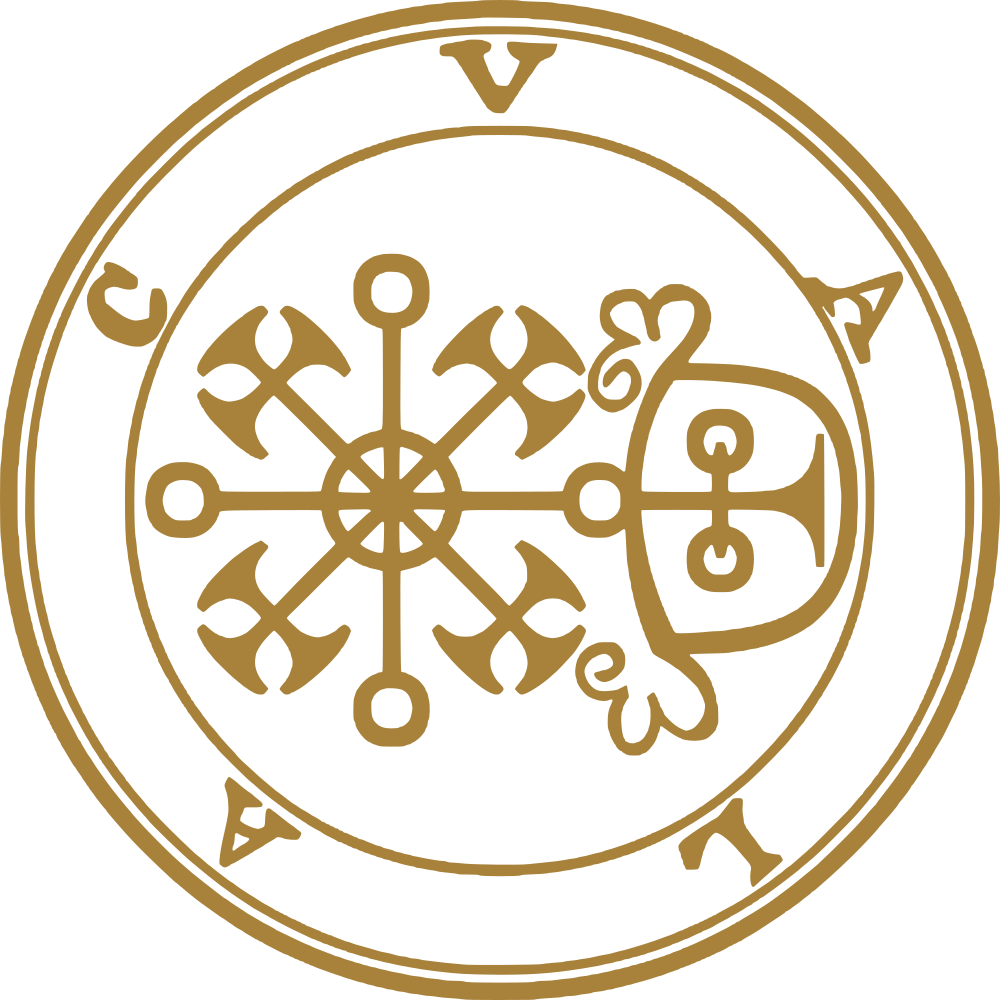
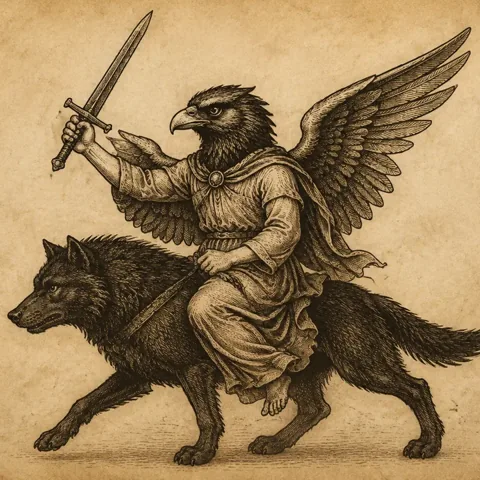
Andras
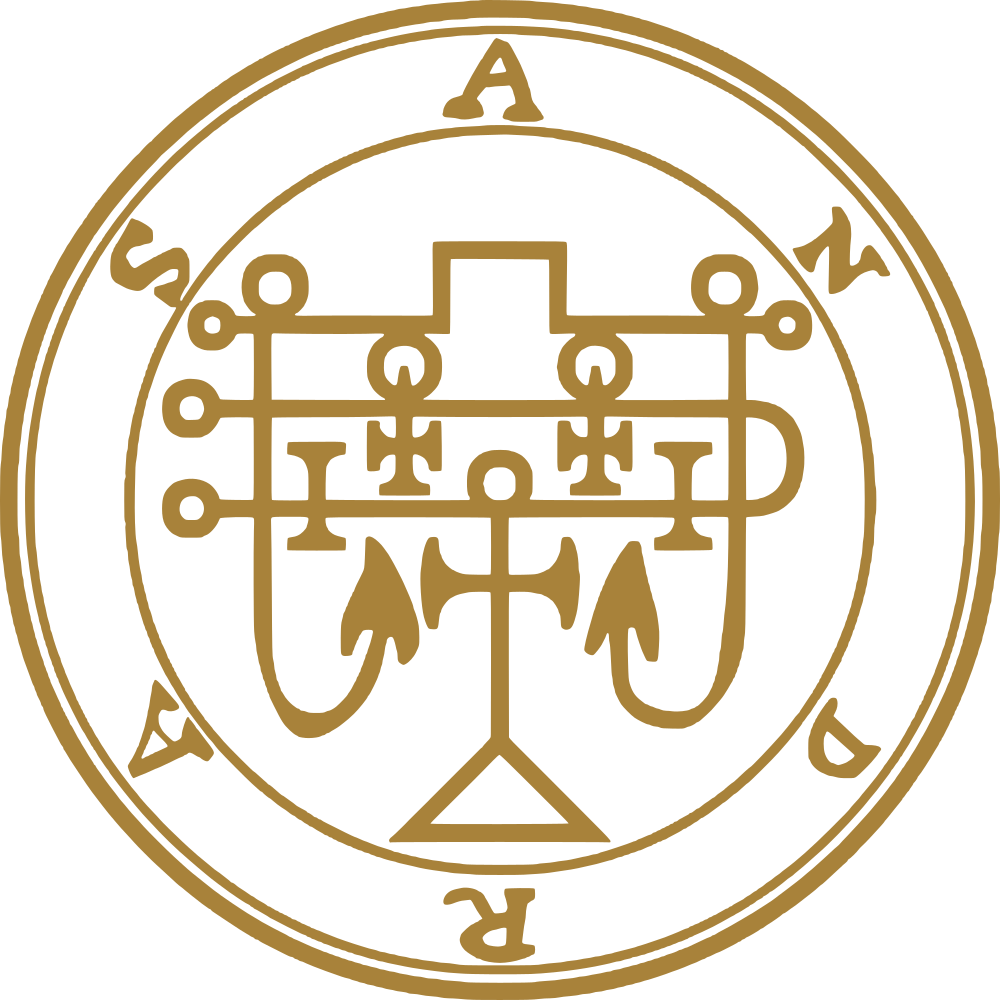
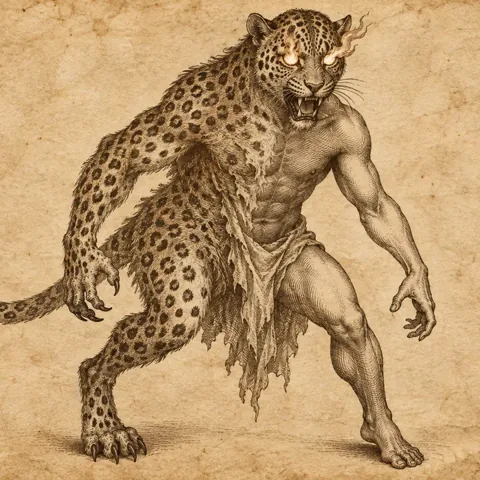
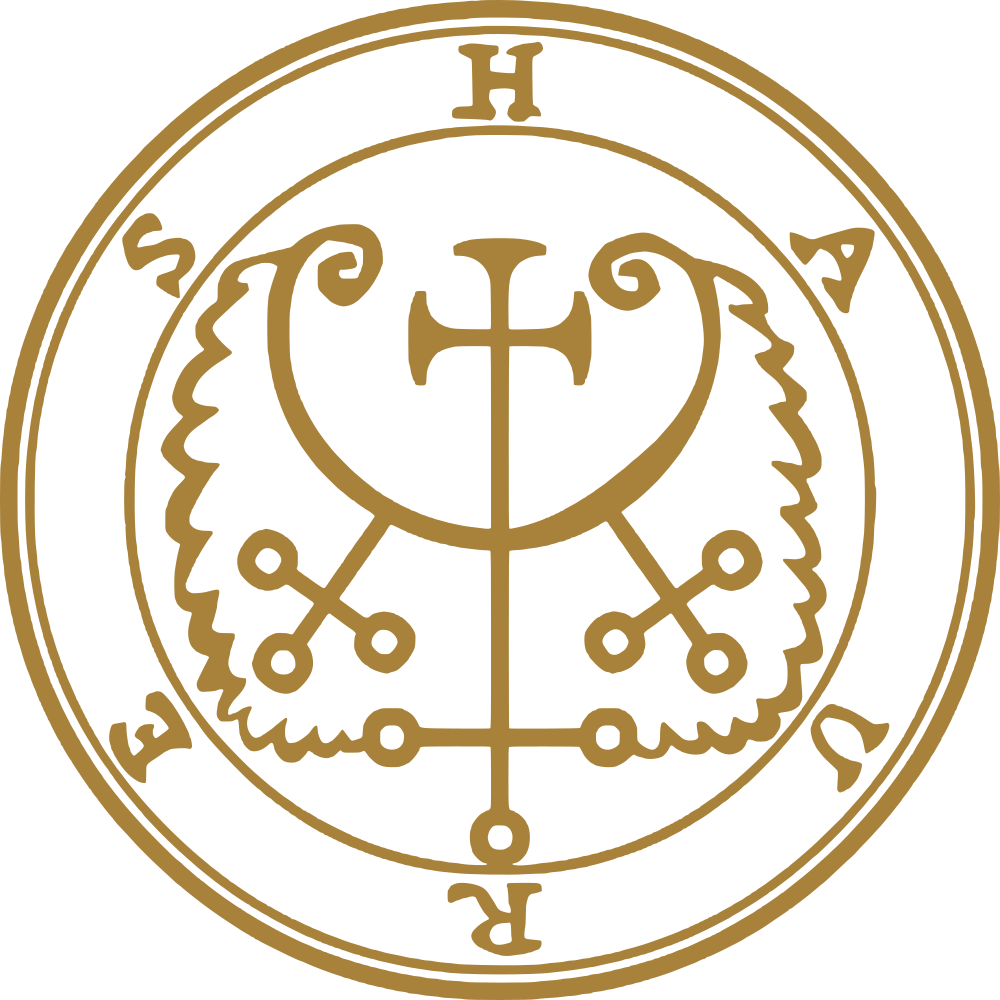
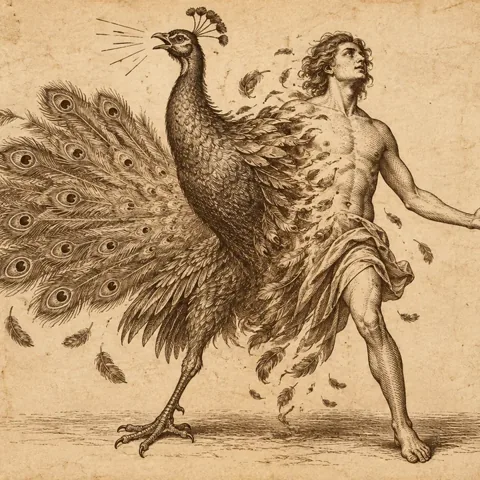
Haures
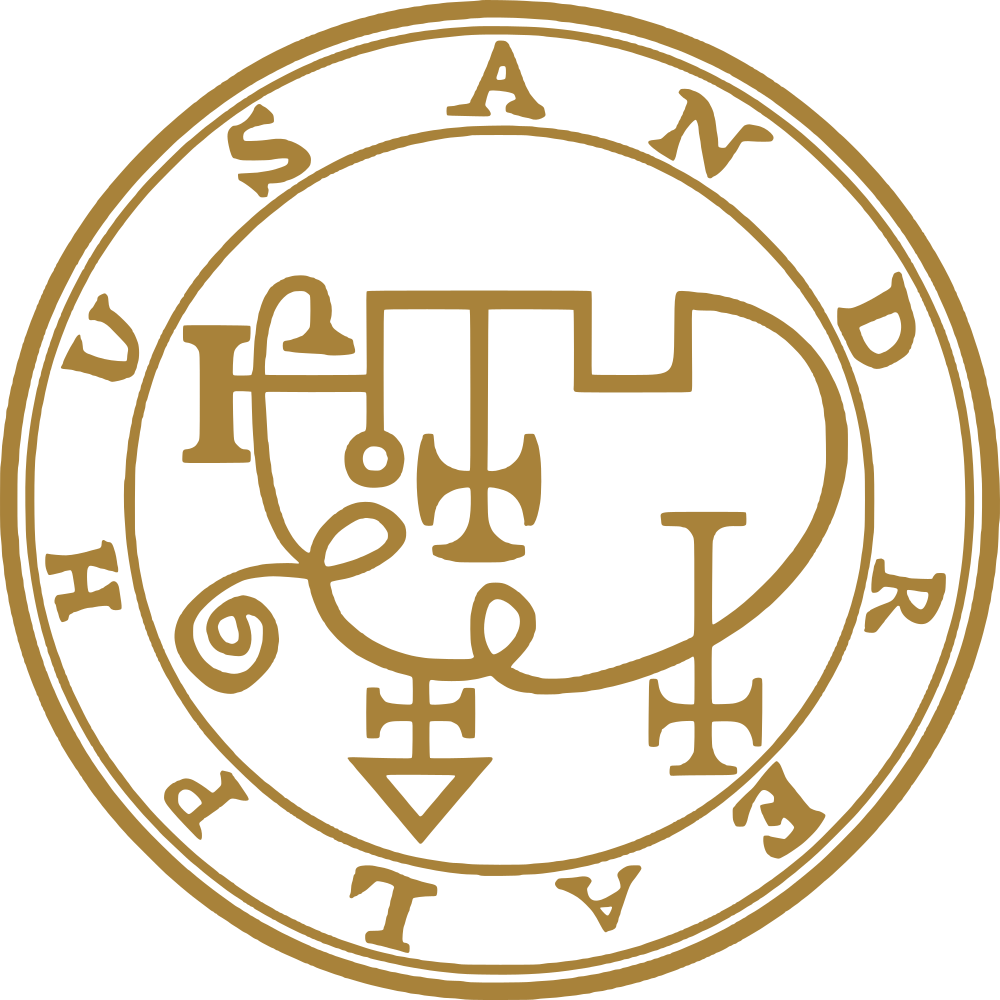
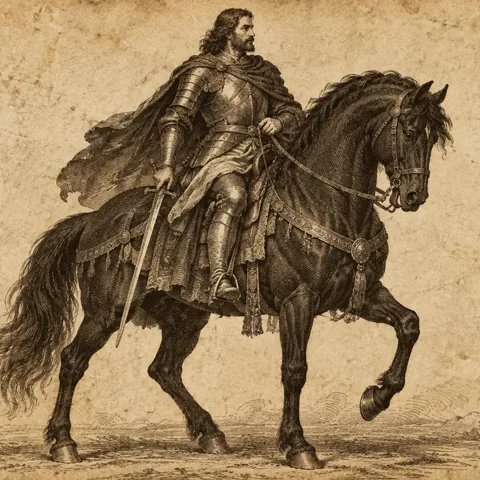
Andrealphus
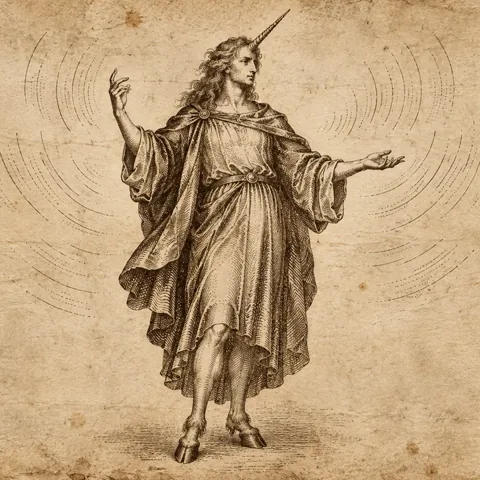
Cimeies
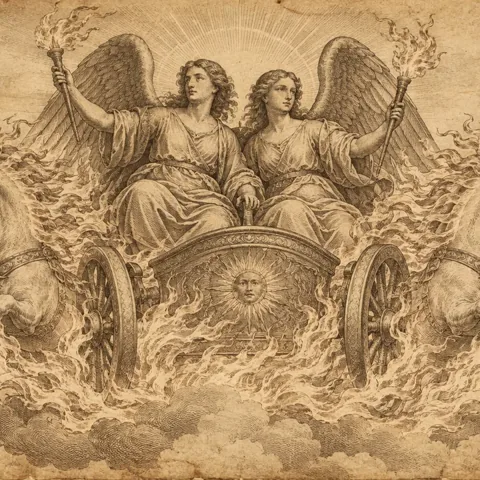
Amdusias
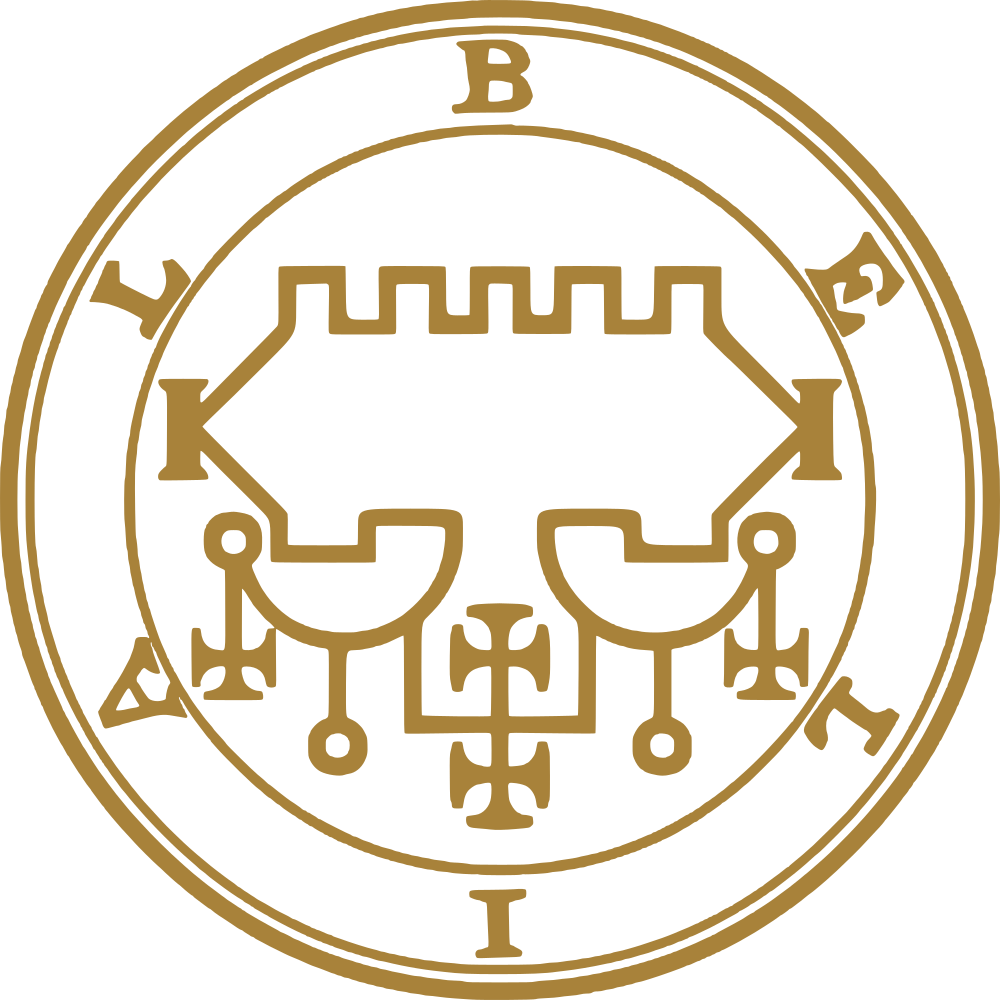
Belial
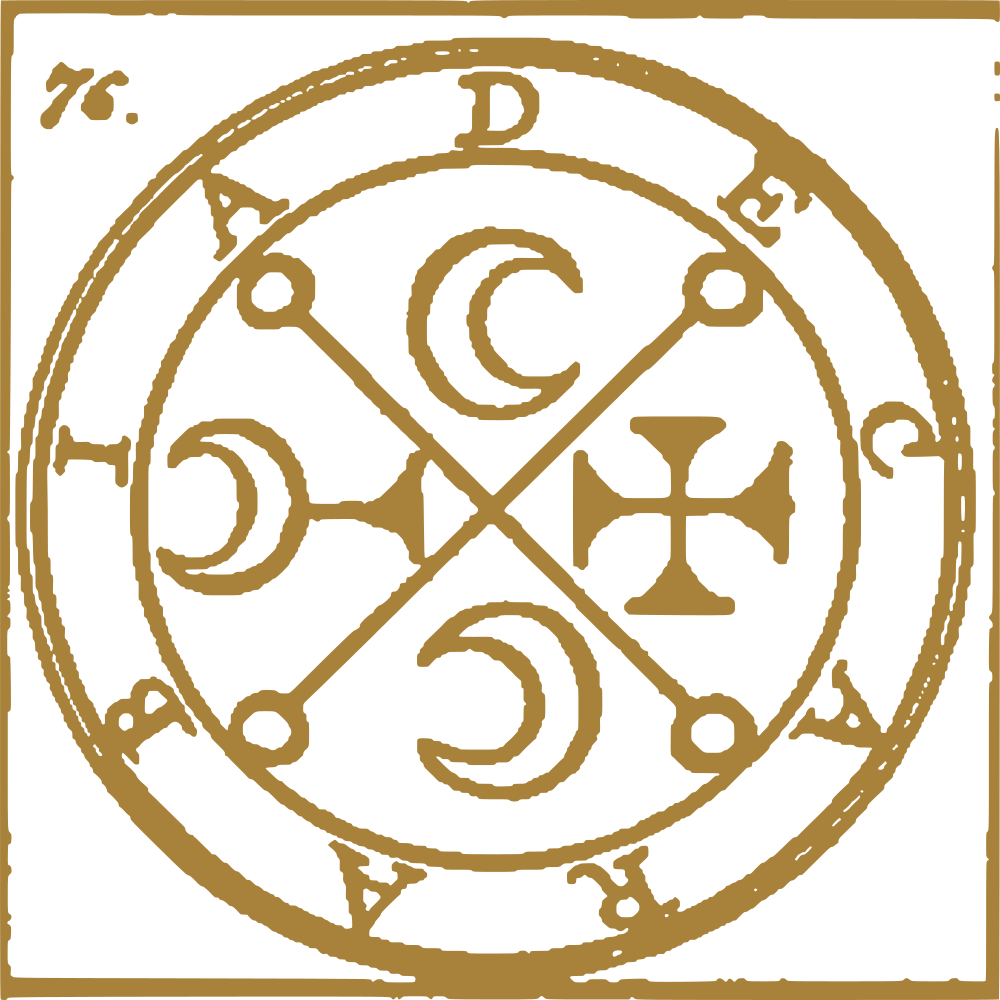
Decarabia
Seere
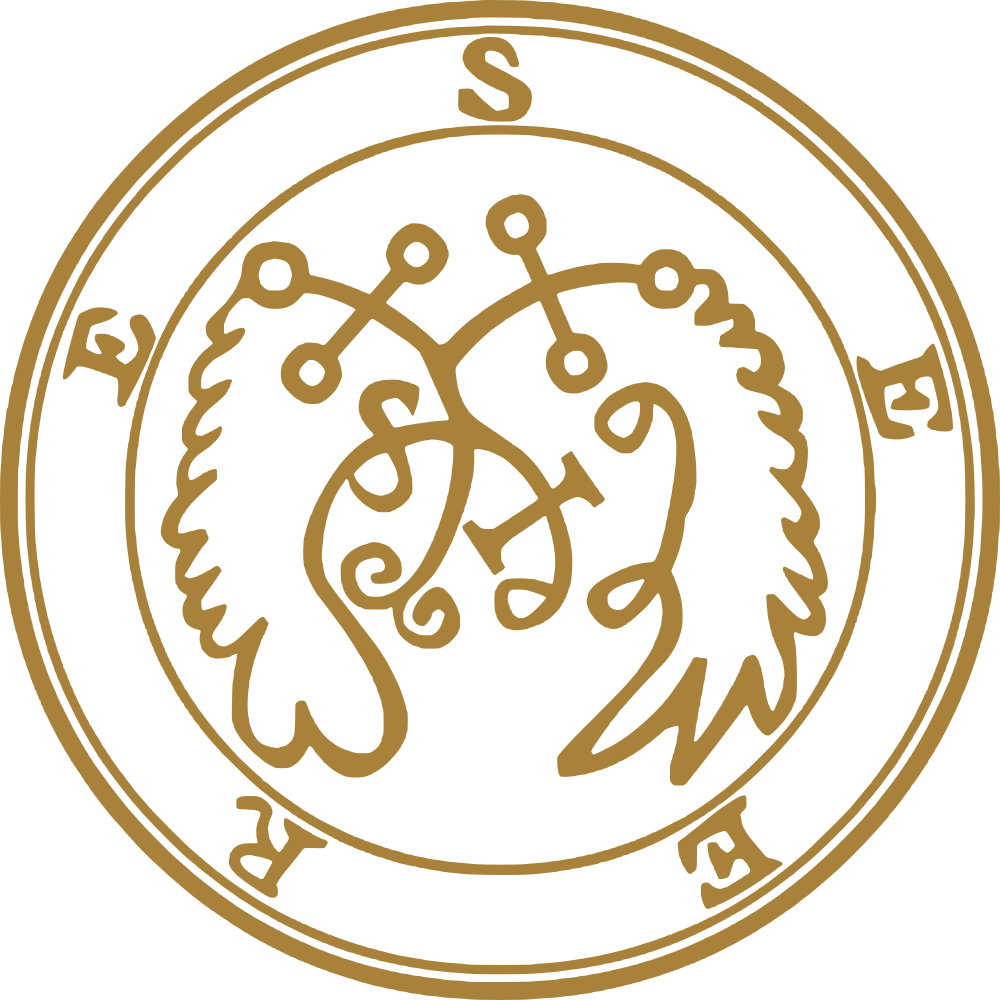
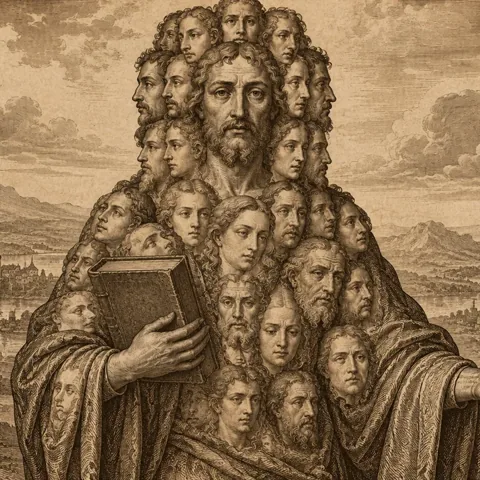
Dantalion
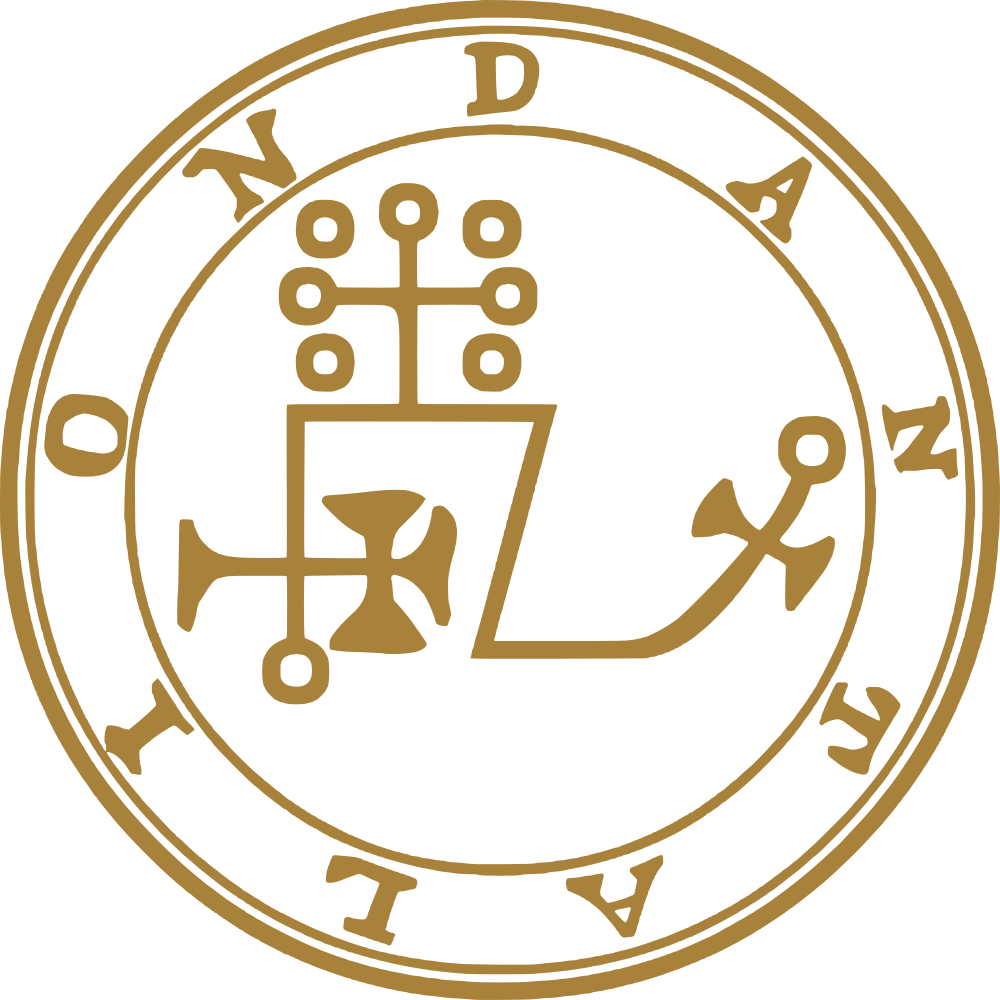
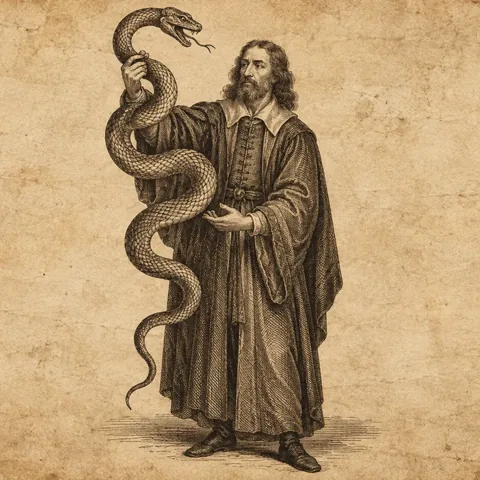
Andromalius
Floron
The Almadel
Lilith
Baphomet
Try another word.
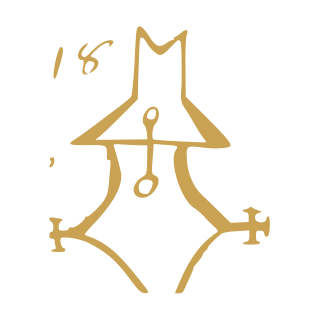
The practical spirits under Duke Syrach: a distinct textual family from the Ars Goetia —the De Secretis / Clavicula Salomonis de secretis lineage (17th-c. manuscripts)— that flows into the printed Grimorium Verum. Not the 72 plus extra spirits: a different hierarchy (though figures such as Astaroth appear in both traditions).
Who is Duke Syrach?
The Grimorium Verum —printed in the 18th c. but heir to the 17th-c. De Secretis manuscripts— closes its catalogue with a brief passage: «there are yet other daemons… who are under Duke Syrach; there are eighteen of these» [documented, Waite ed.]. Syrach is given no office of his own like the Goetic spirits: he is the rubric gathering these eighteen, whose concrete powers —riches, love, storms, invisibility, resurrection…— the Verum's Second Book sets out. Above him the work places the three superiors (Lucifer, Beelzebuth and Astaroth). He is thus not a “greater demon” with a biography: he is the name under which a southern tradition orders its eighteen servants. The spelling “Sirachi” circulates in modern practice, with no located historical source; we use Syrach, the documented form. His equivalence to the Ars Goetia is [reconstructed]: this is another textual family, not the 72 with extra spirits. Read the full page on Duke Syrach →
Clauneck
Musisin
Bechard
Frimost
Klepoth
Khil
Mersilde
Clisthert
Sirchade
Segal
Hicpacth
Humots
Frucissiere
Guland
Surgat
Morail
Frutimiere
Huictiigaras
Offices transcribed by us from L'Art Magique (Wellcome MS.983, ca. 1709, public domain) and collated with the 17th-c. De Secretis manuscripts. Historical, educational material.