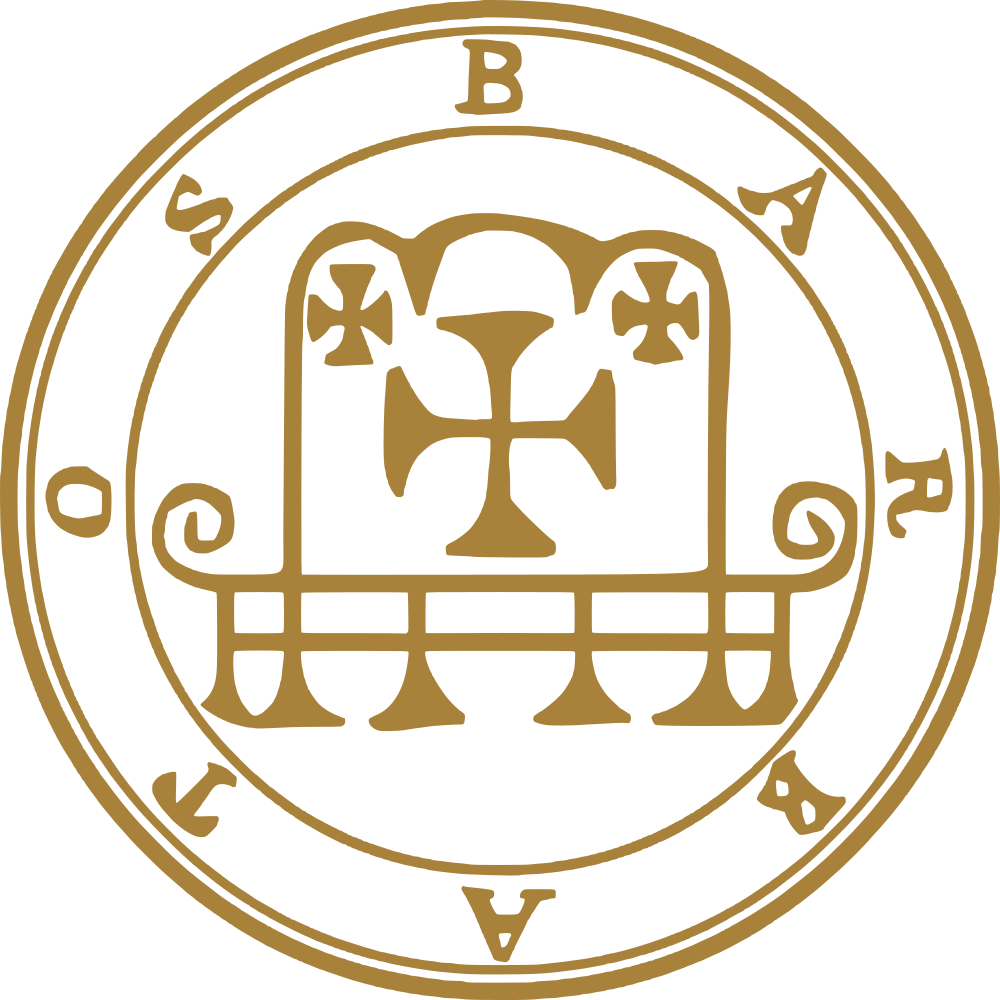
Barbatos is a Duke of the Ars Goetia, ruling 30 legions of spirits.
Key facts
| Rank | Duke |
|---|---|
| Legions | 30 |
| Powers | Divination, Wealth & treasure, Languages |
| Enn (modern chant) | «Eveta fubin Barbatos» |
| Sources | Ars Goetia, Pseudomonarchia |
| Seal no. | 08 / 72 |
| External IDs | Wikidata · Wikipedia |
📺 Also appears in
This spirit has its own passage in the documentary series.
The Fallen Choirs · Episode 1 — The daemons who were ANGELS: the fallen choir of miracles«The second is Barbatos... the eighth spirit. Of him too the text says... he was of the order of the Virtues. This is his seal.»On this page
How it appears
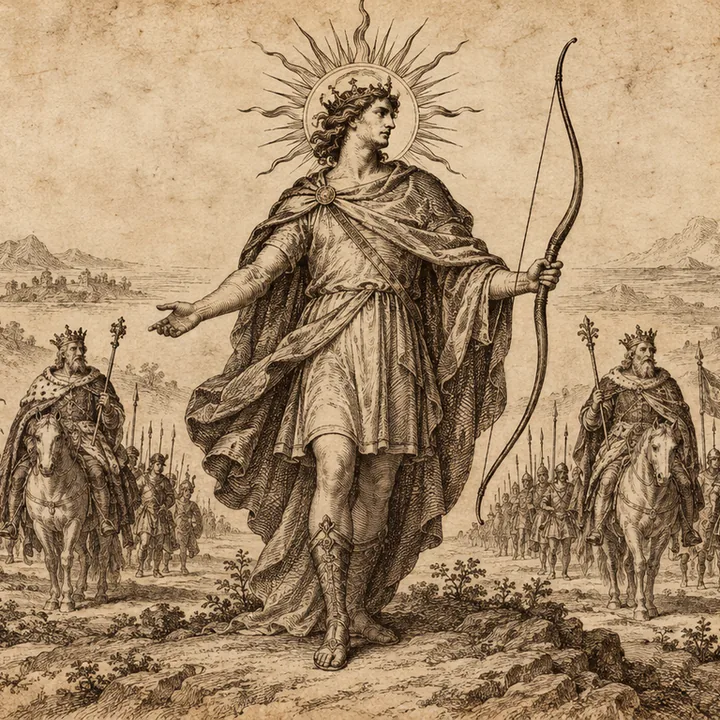
He appears when the Sun is in Sagittarius, accompanied by four kings and their troops.
What you ask of it
He makes one understand the song of birds, the barking of dogs, and the voices of animals. He discovers treasures hidden by enchantment, tells the past and the future, and reconciles friends with the powerful.
Provenance
Barbatos appears in Weyer as a great count and duke within the tradition of books of offices of spirits. The Ars Goetia adopted him as the eighth spirit and preserved both his functions of animal language and hidden treasures and his temporal condition of appearance with the Sun in Sagittarius. Already attested in the Livre des Esperitz (15th c.) as «Barbas (f180v)» and in the Liber Officiorum Spirituum (Folger V.b.26, 16th c.) as «Barbates vel Barbares (no. 51)».
The seal: printed edition and facsimile
Barbatos's main seal follows the printed Mathers–Crowley (1904) form; the Sloane MS 2731 manuscript facsimile is shown separately for comparison.
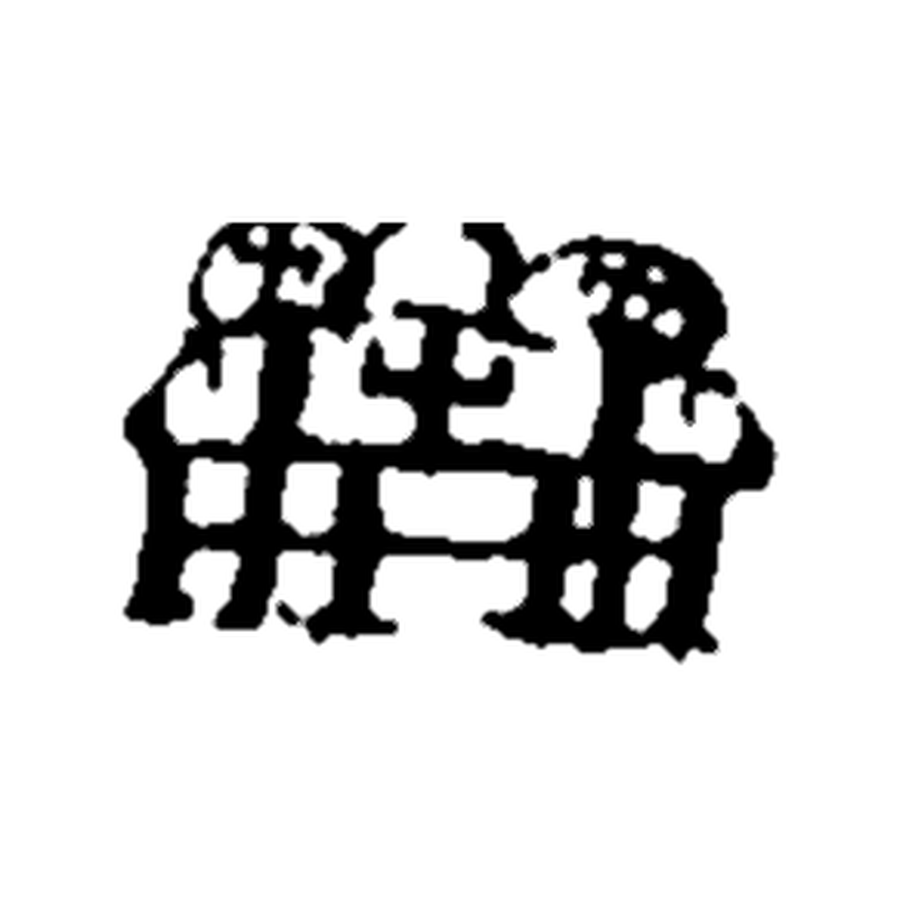
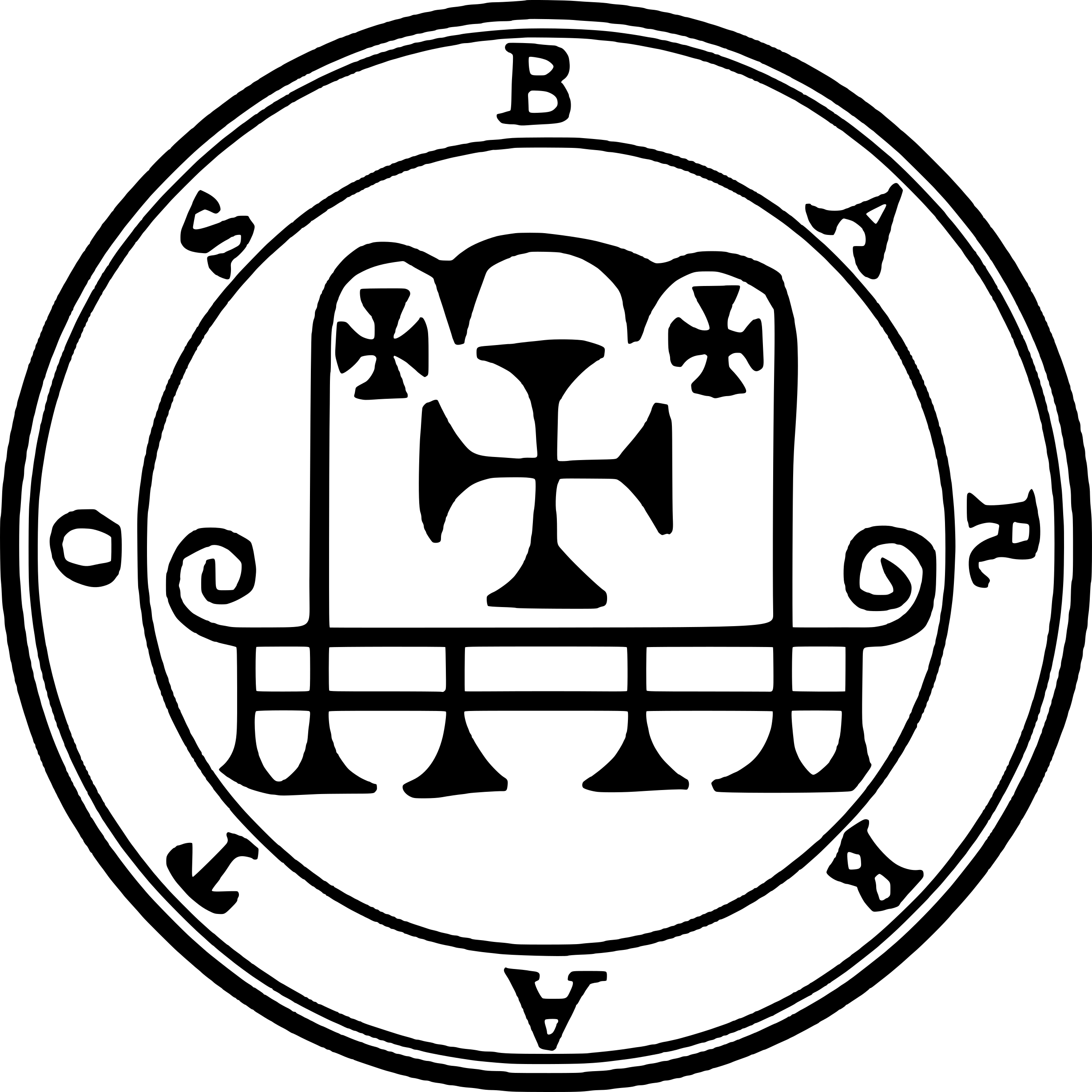
The main image and SVG/PNG downloads reproduce the printed form of S. L. MacGregor Mathers and Aleister Crowley's 1904 edition, using the normal vector pack documented on Wikimedia Commons (public domain/CC0). The Sloane MS 2731 facsimile remains separate for comparing manuscript variants; it is not used as the main image.
The FULL manuscript facsimile («Lemegeton, Clavicula Salomonis», Sloane MS 2731) is in our library; the original is held at the British Library (Sloane MS 2731).
Documented ancient datum
How it is summoned
In antiquity
In addition to the common procedure, the source preserves: a condition of appearance.
Ancient operation: common procedure plus the documented detail in this entry.
- Prepare the circle of the art, set the outer triangle in place, and carry the seal of Barbatos as a lamen before the breast.
- Open the operation with the common Goetic conjurations and call Barbatos by his rank of duke, without introducing unattested offerings.
- Set the invocation in its proper ancient condition: when the Sun is in Sagittarius, the time at which the Goetia says Barbatos appears.
- Await his manifestation with four noble kings and their companies, and keep him within the ritual limits of the art.
- Ask only the documented offices: to understand birds and animals, discover enchanted treasures, know past and future, or reconcile friendships and authorities.
- Close with the license to depart, commanding him to withdraw peaceably and without harm.
Source: Ars Goetia (17th c.); already in Weyer’s Pseudomonarchia Daemonum, 1577
The common Goetic operation also adds, when needed: to constrain a resisting spirit (Wellcome MS 110, c74–c78), to show it the Pentacle of Solomon once manifested (Ars Theurgia-Goetia), to work in its planetary hour and day (by rank), and finally to give it licence to depart —and never before (Wellcome MS 110, c53). Practise the full rite at The Practitioner's Table.
What is the “chain of spirits”?
Modern · not ancient
- Print or draw its seal and place it before you on a clean surface.
- Light a candle and, if you wish, some incense; still your mind and set your intention.
- Intone its enn softly and repeatedly, eyes on the seal, until you feel a shift in the air.
- State your request clearly and respectfully, not as a command.
- Give thanks, let the candle burn down a little and close; modern practice is devotional, with no coercive conjuration.
Enn (modern chant): «Eveta fubin Barbatos»
Source: Enn of modern demonolatry (lists disseminated by S. Connolly, The Complete Book of Demonolatry, 2006)
Modern practice associates him with animal communication, alliances, and the discovery of hidden resources; these applications derive from his ancient offices.
Modern experiences (personal gnosis)
In modern demonolatry, as documented by S. Connolly, Barbatos is frequently sought to improve communication with animals or familiars, and to facilitate reconciliation in interpersonal conflicts. Contemporary practitioners describe his presence with a deeply grounding and earthy energy, perceiving him as a wise and serene spirit who helps in understanding the mysteries of the natural world.
Personal gnosis (UPG): how contemporary practitioners say they experience it. This is subjective experience, not a historical source or doctrine; it does not come from the ancient grimoires and may not be real.
Source: S. Connolly, «The Daemonolatry Goetia» (2010); tradición demonólatra contemporánea.
Frequently asked questions
Who is Barbatos?
Barbatos is one of the 72 spirits catalogued in the Ars Goetia (the first book of the Lemegeton, 17th c.) and in Weyer's Pseudomonarchia Daemonum (1577); it is listed with the rank of Duke. It is not a deity or a biblical figure: it is an entry in these historical spirit-catalogues.
What is the sigil (seal) of Barbatos?
The seal image of Barbatos that we display and offer for download follows the printed Mathers–Crowley (1904) form, using the normal vector pack documented on Wikimedia Commons (public domain/CC0). The Sloane MS 2731 manuscript facsimile is provided separately because Lemegeton witnesses preserve variants.
What is Barbatos's rank in the Ars Goetia?
Barbatos is a Duke, ruling 30 legions of spirits according to the Lesser Key of Solomon.
How do you summon Barbatos?
According to the ancient sources (the Lemegeton, the Pseudomonarchia Daemonum), Barbatos is summoned with the goetic rite: the Circle and the Triangle of Art are traced, its seal is engraved and worn, the candles are lit and the conjuration is spoken by the divine names; if it delays, it is constrained, and at the end it is given the licence to depart. This is historical-documentary material, not a how-to for real summoning.
What does Barbatos do? What is it invoked for?
He makes one understand the song of birds, the barking of dogs, and the voices of animals. He discovers treasures hidden by enchantment, tells the past and the future, and reconciles friends with the powerful.
What sources does Barbatos come from?
Barbatos appears in Weyer as a great count and duke within the tradition of books of offices of spirits. The Ars Goetia adopted him as the eighth spirit and preserved both his functions of animal language and hidden treasures and his temporal condition of appearance with the Sun in Sagittarius.
What is the enn (chant) of Barbatos?
The enn of Barbatos circulating today is «Eveta fubin Barbatos». It is a MODERN demonolatry chant (late 20th c.); it does not appear in the old grimoires.
Of the same rank · Duke
Of the same power · Divination
→ Where does «your demon by birthdate» come from? See how the different systems distribute the 72 spirits: Goetia Correspondences.
grimorium.lat · Documentary library of ritual magic, demonology and historical grimoires