Seals and sigils — Ars Goetia and Grimorium Verum
Two streams, two sets of seals. The 72 of the Ars Goetia, vectorized from the Mathers & Crowley edition (1904), and the 18 of Syrach from the Grimorium Verum, as drawn in the De Secretis manuscript (17th c.). Choose the stream below.
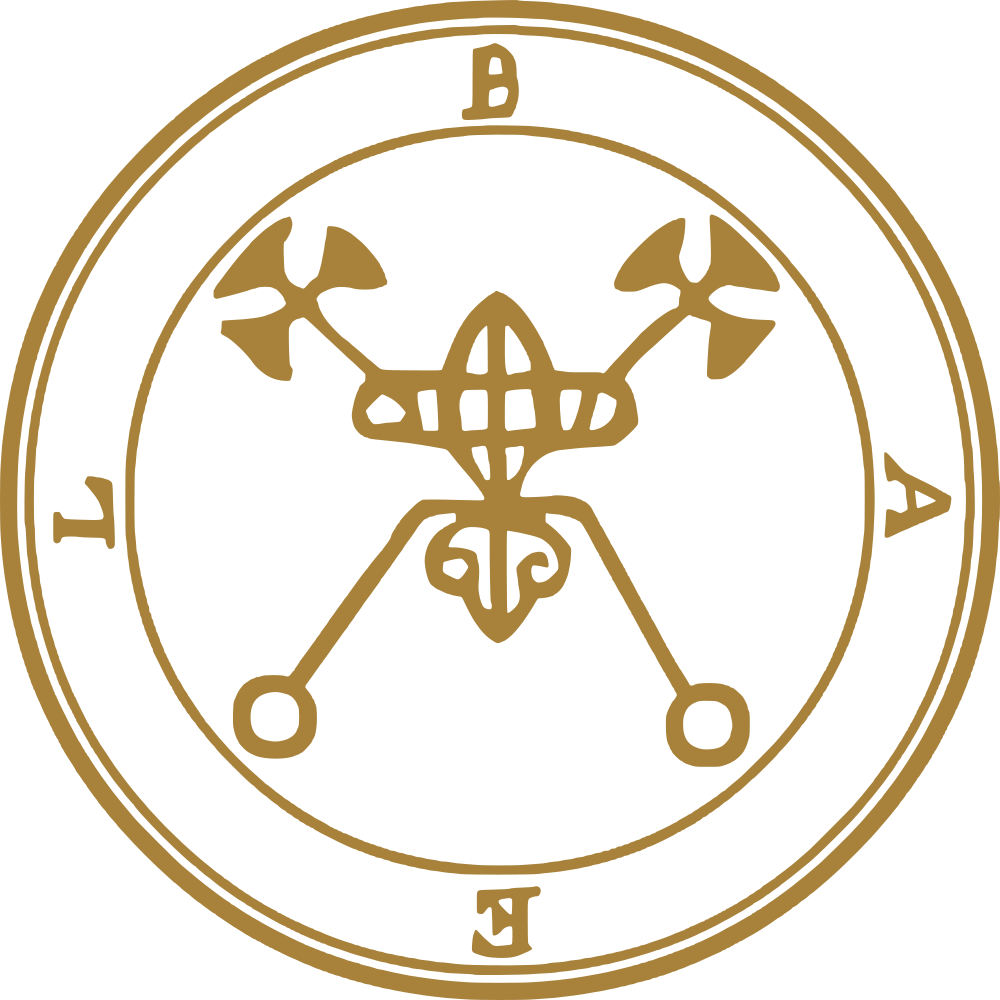
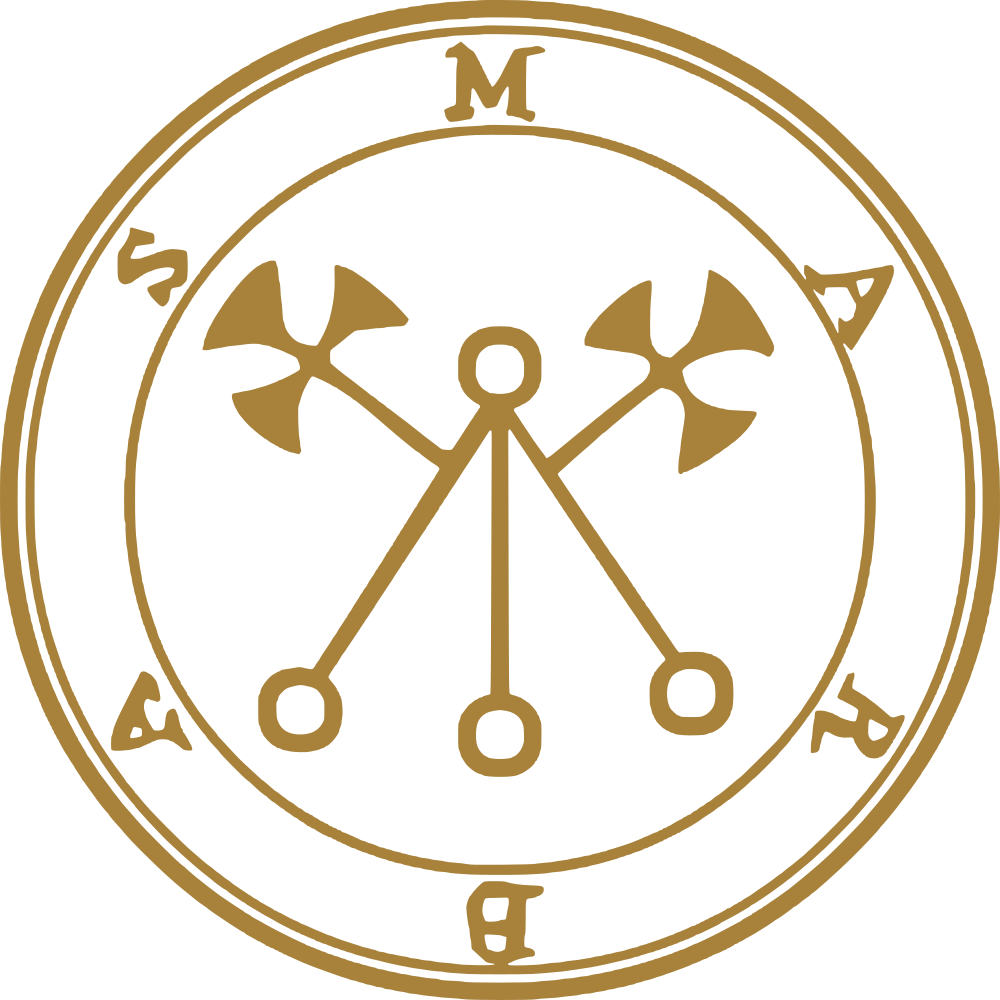
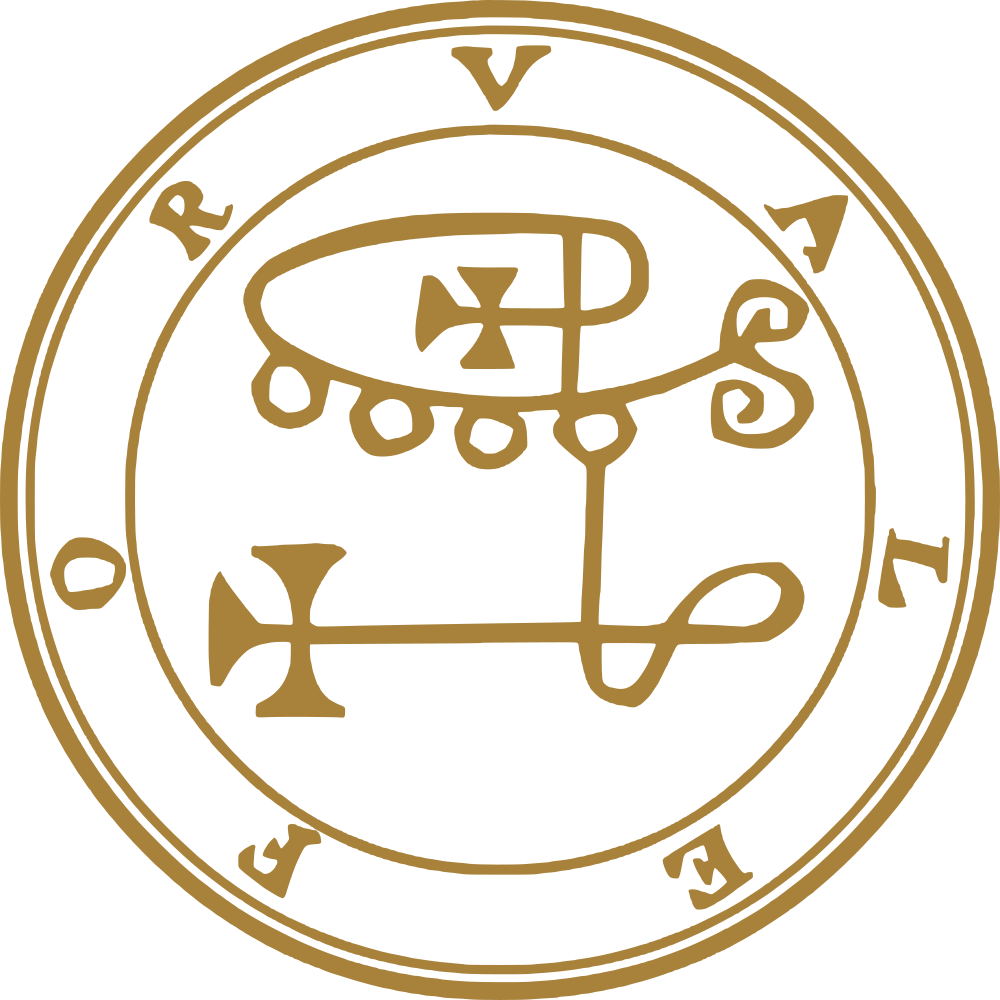
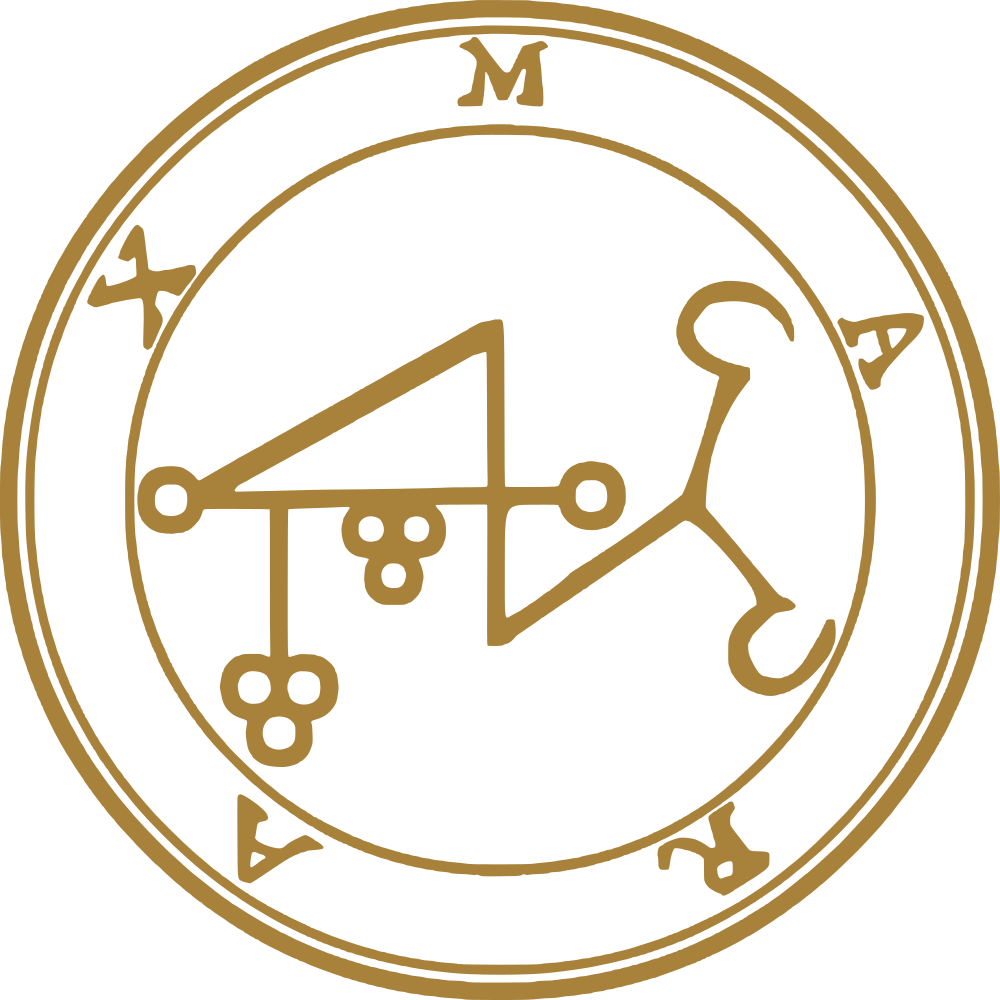
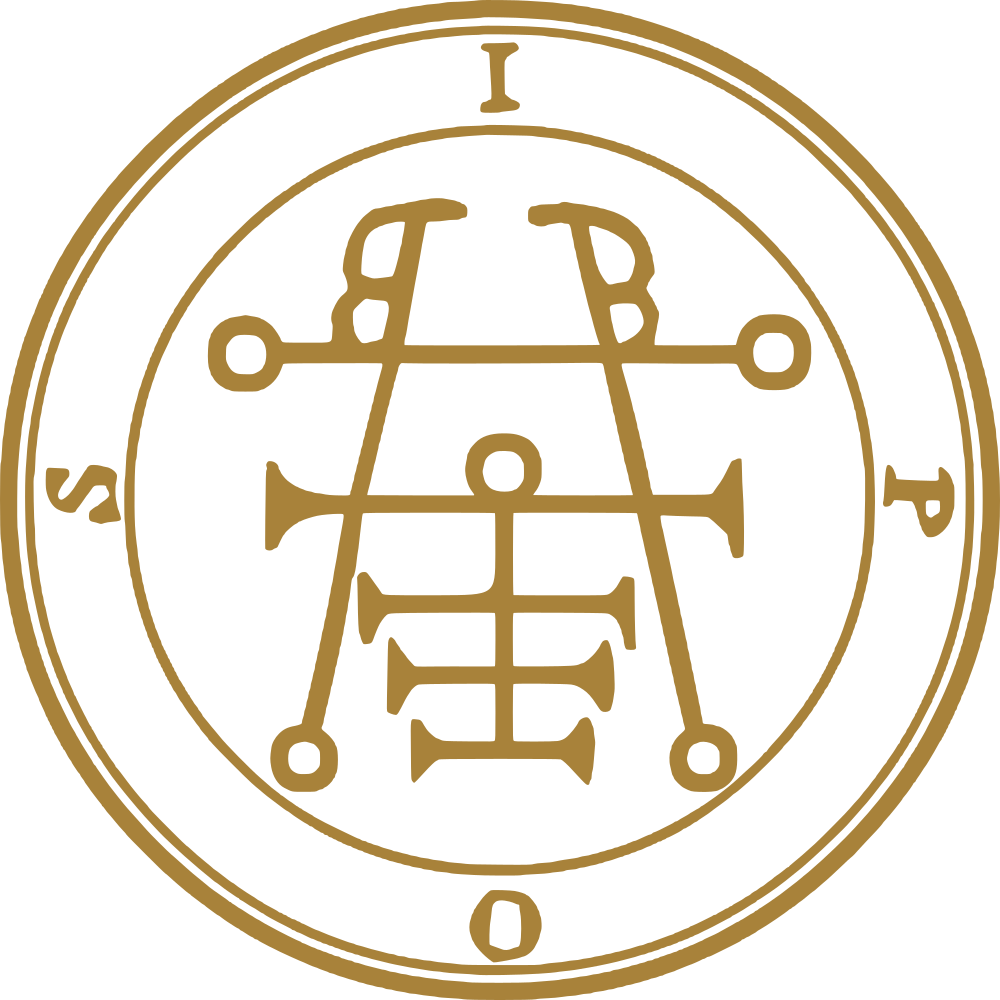
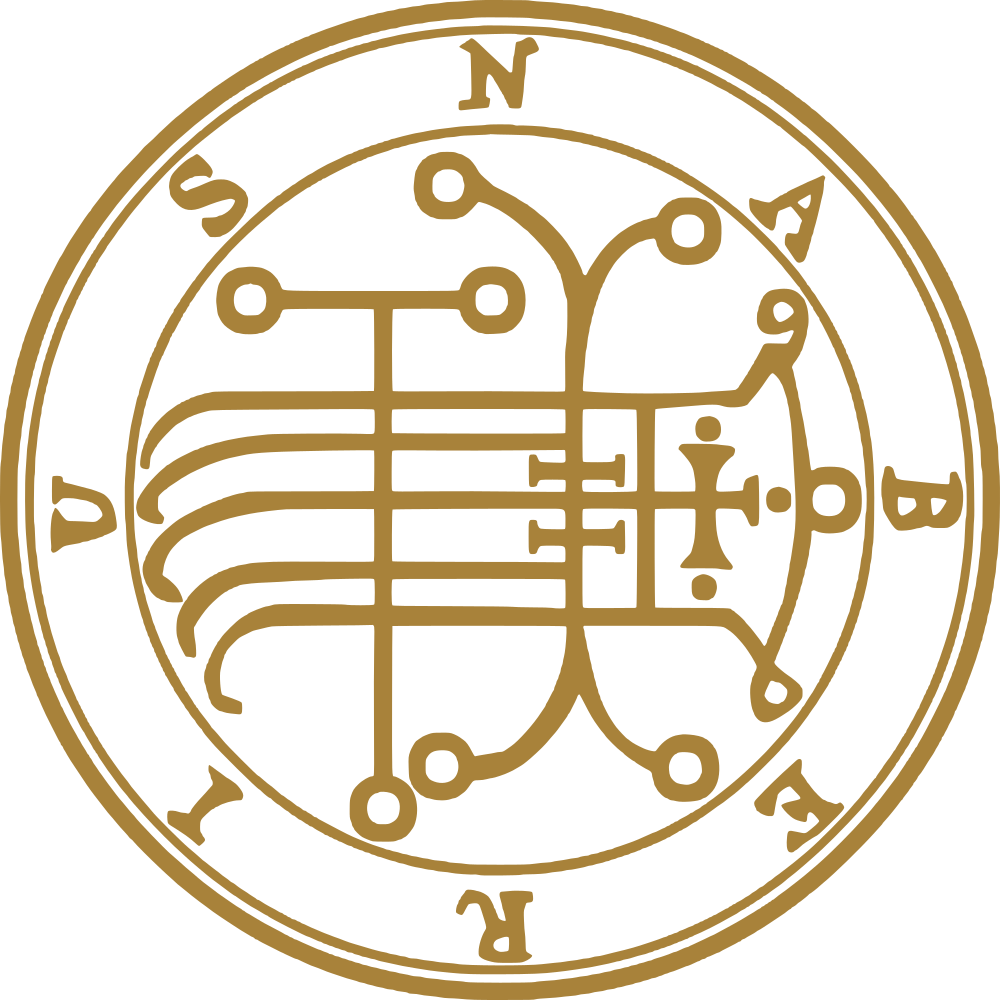
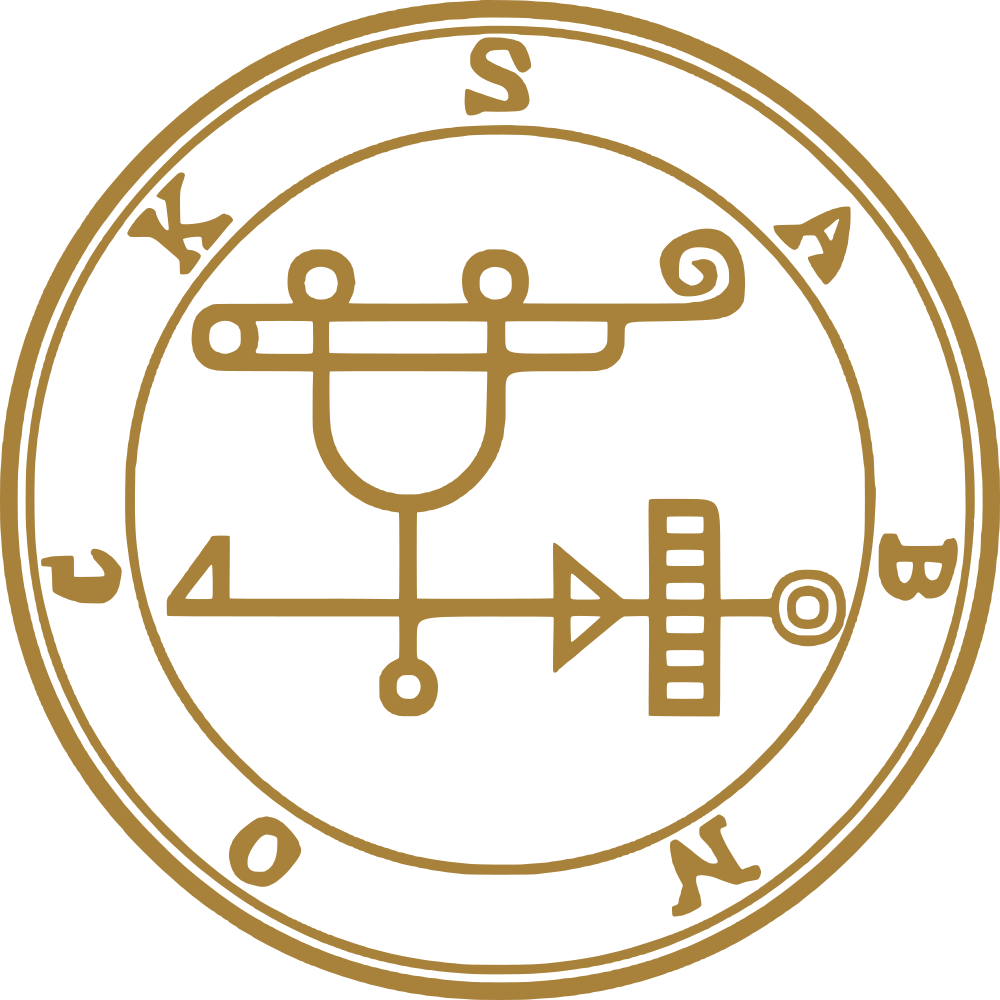
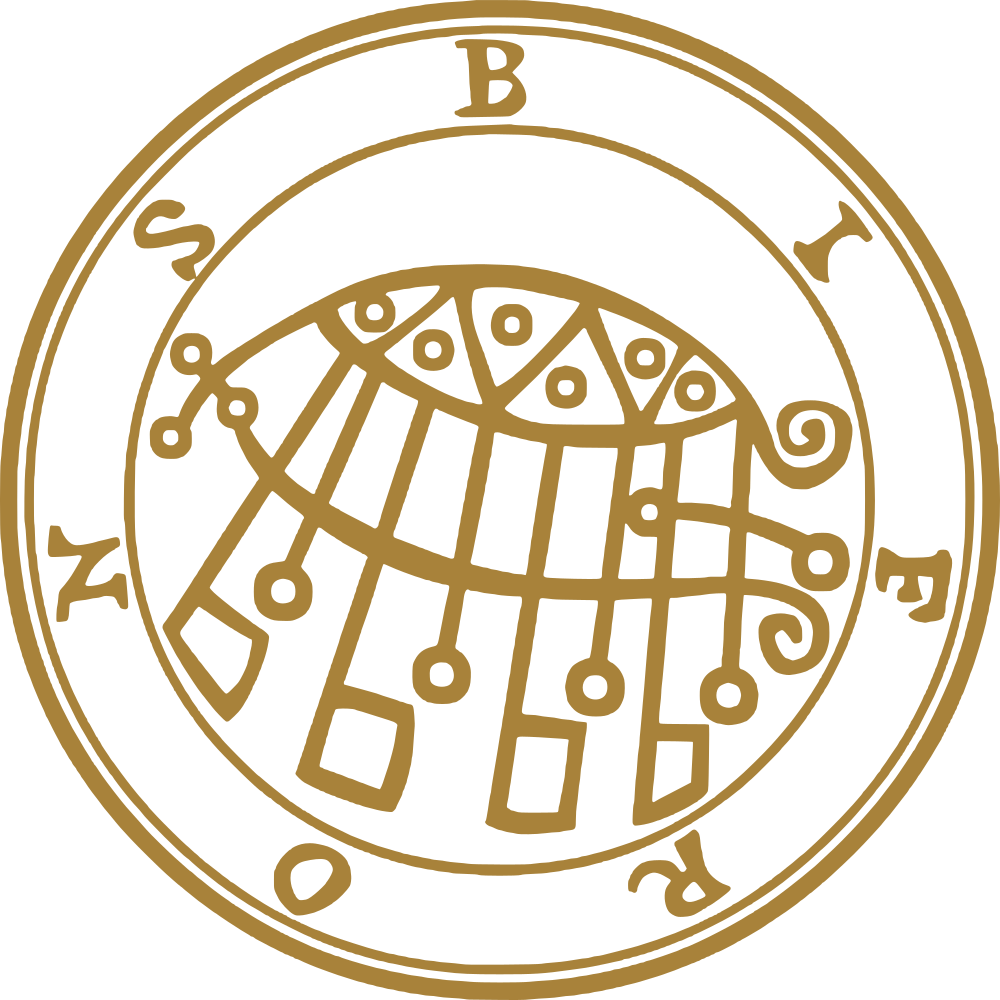
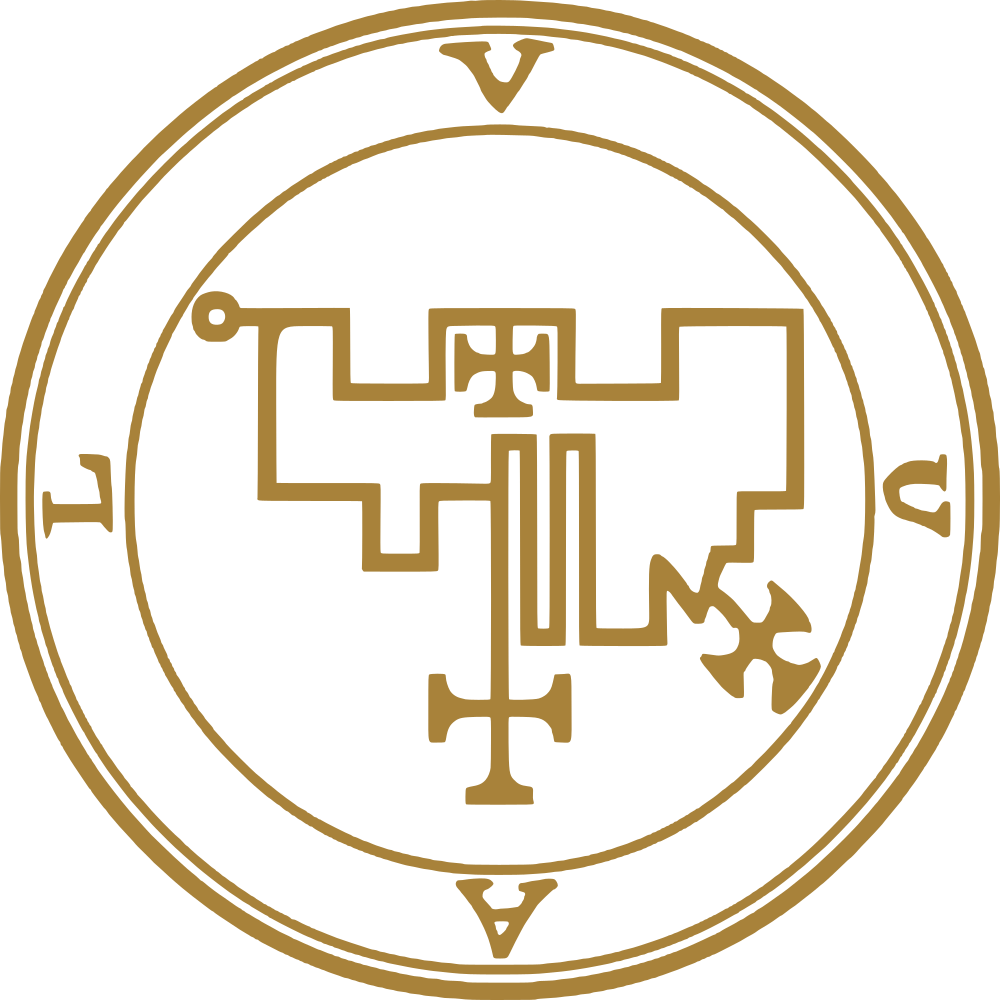
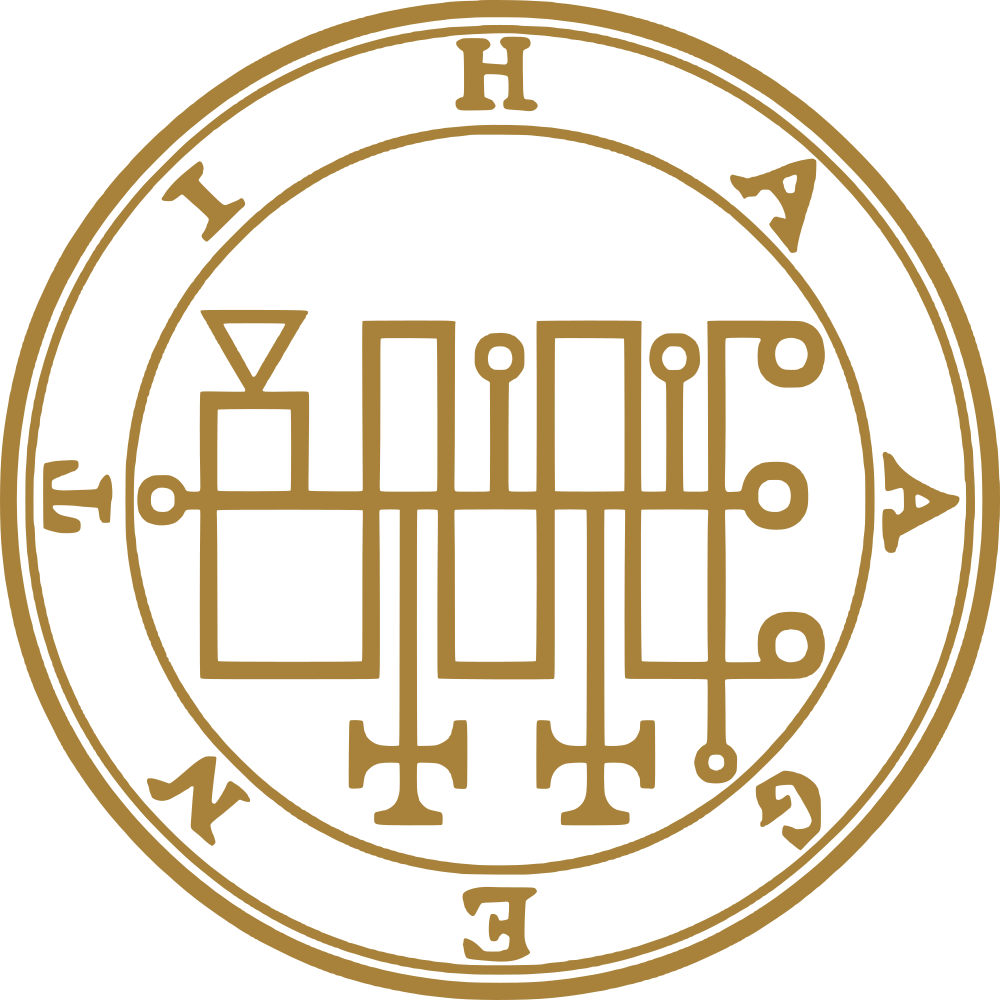
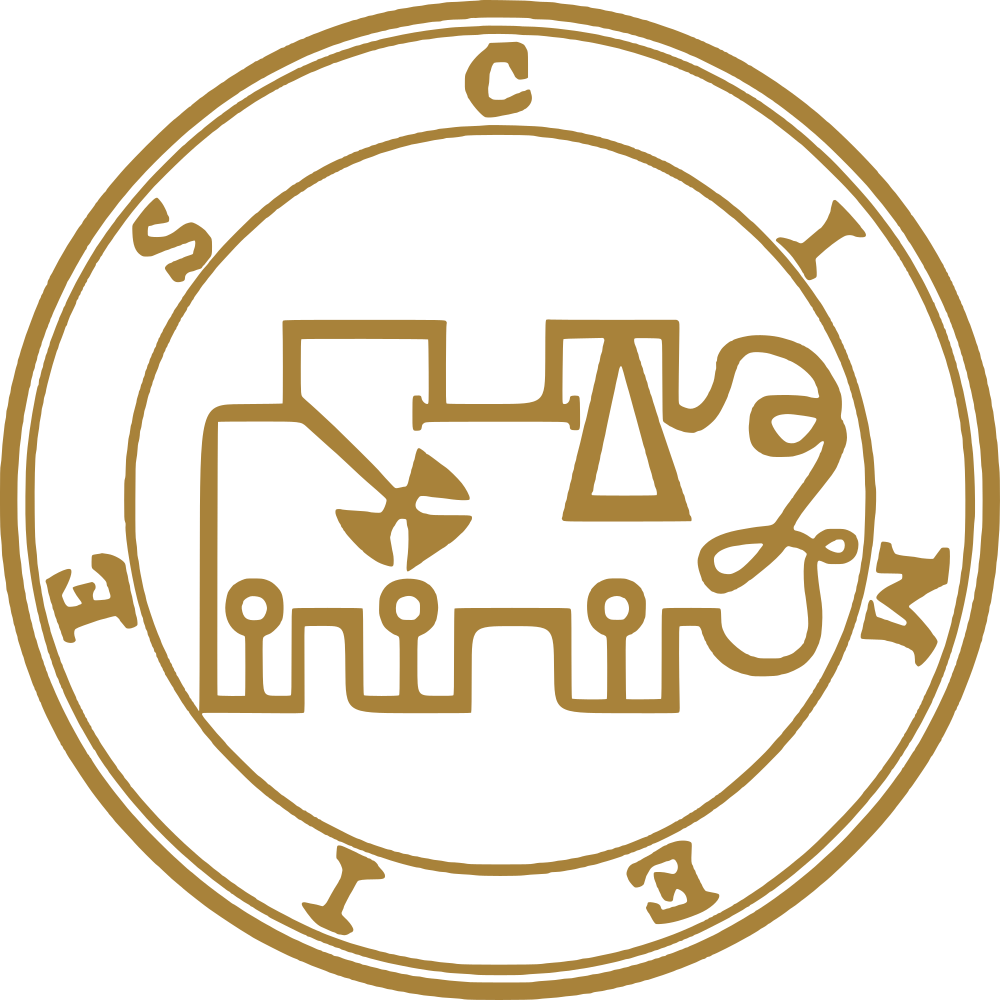
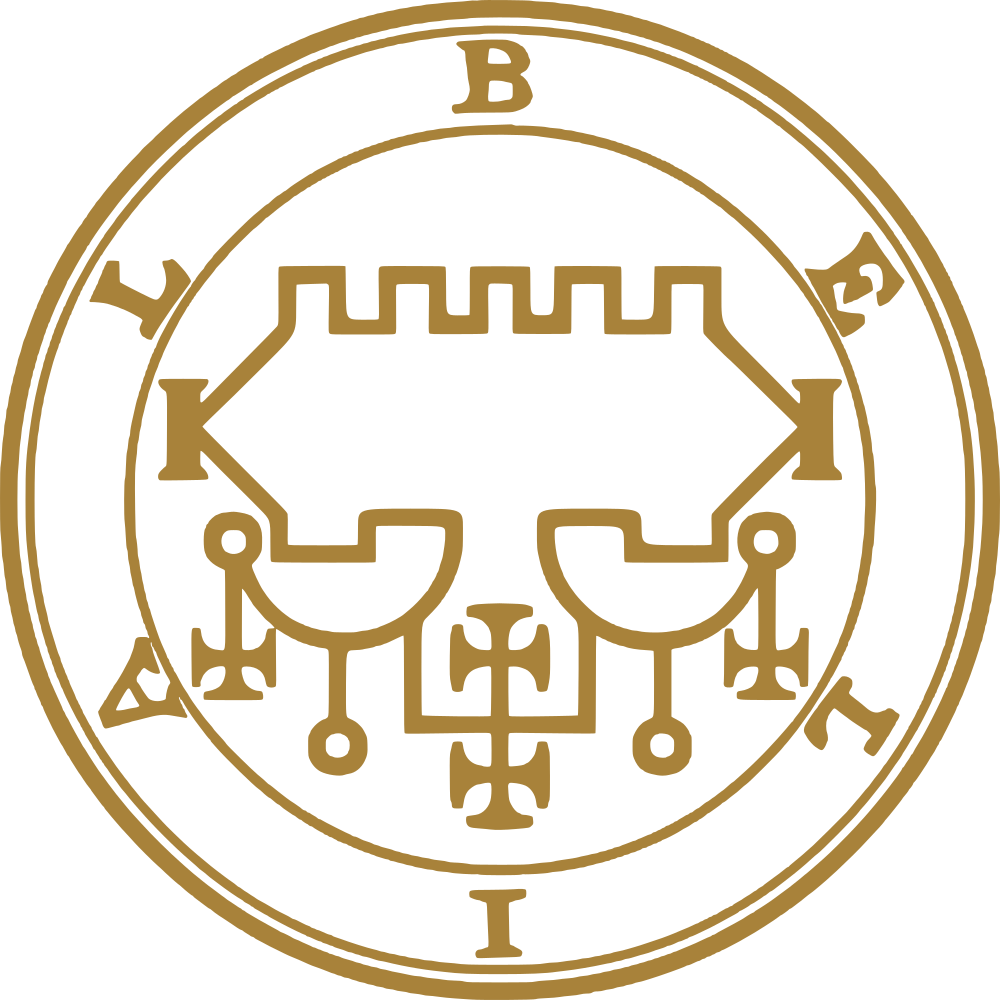
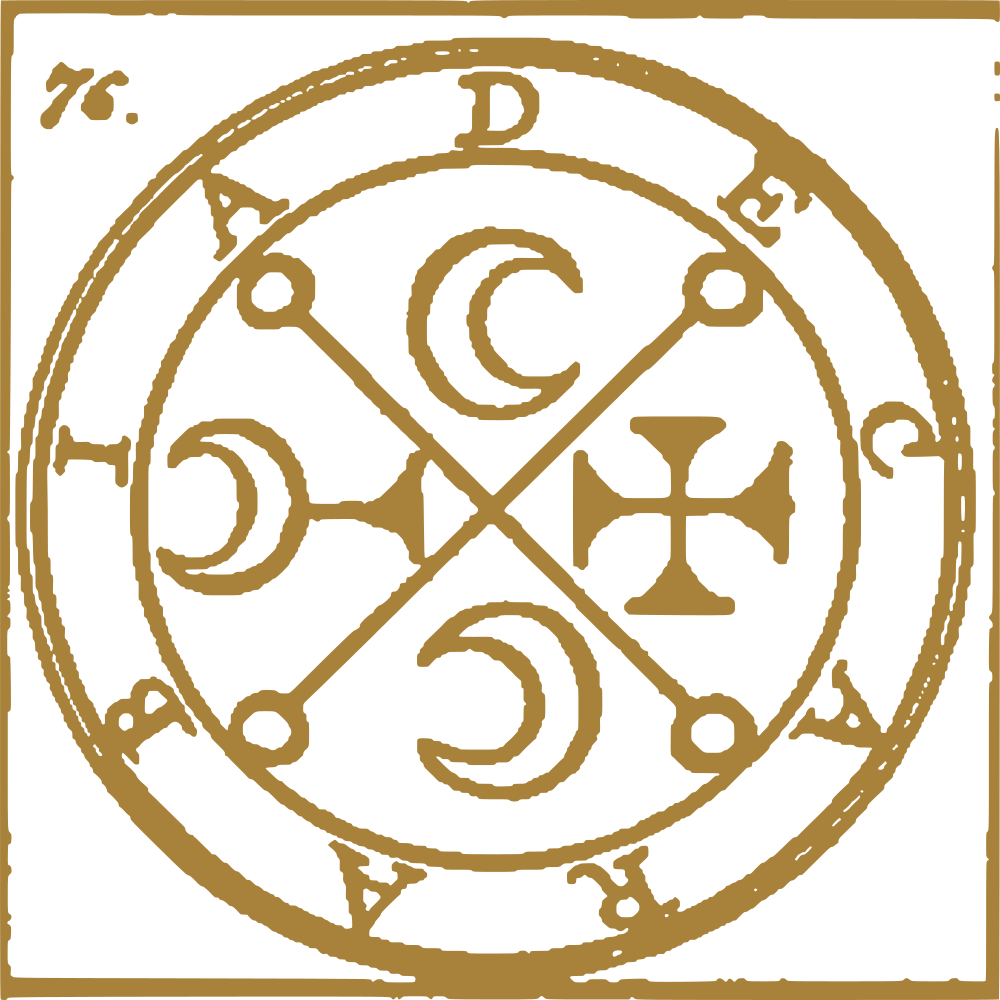
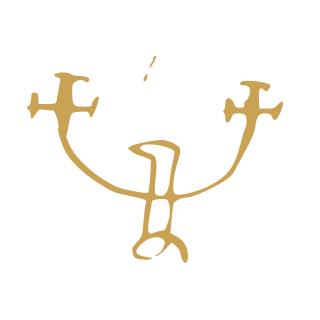
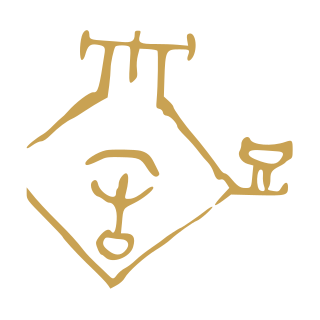
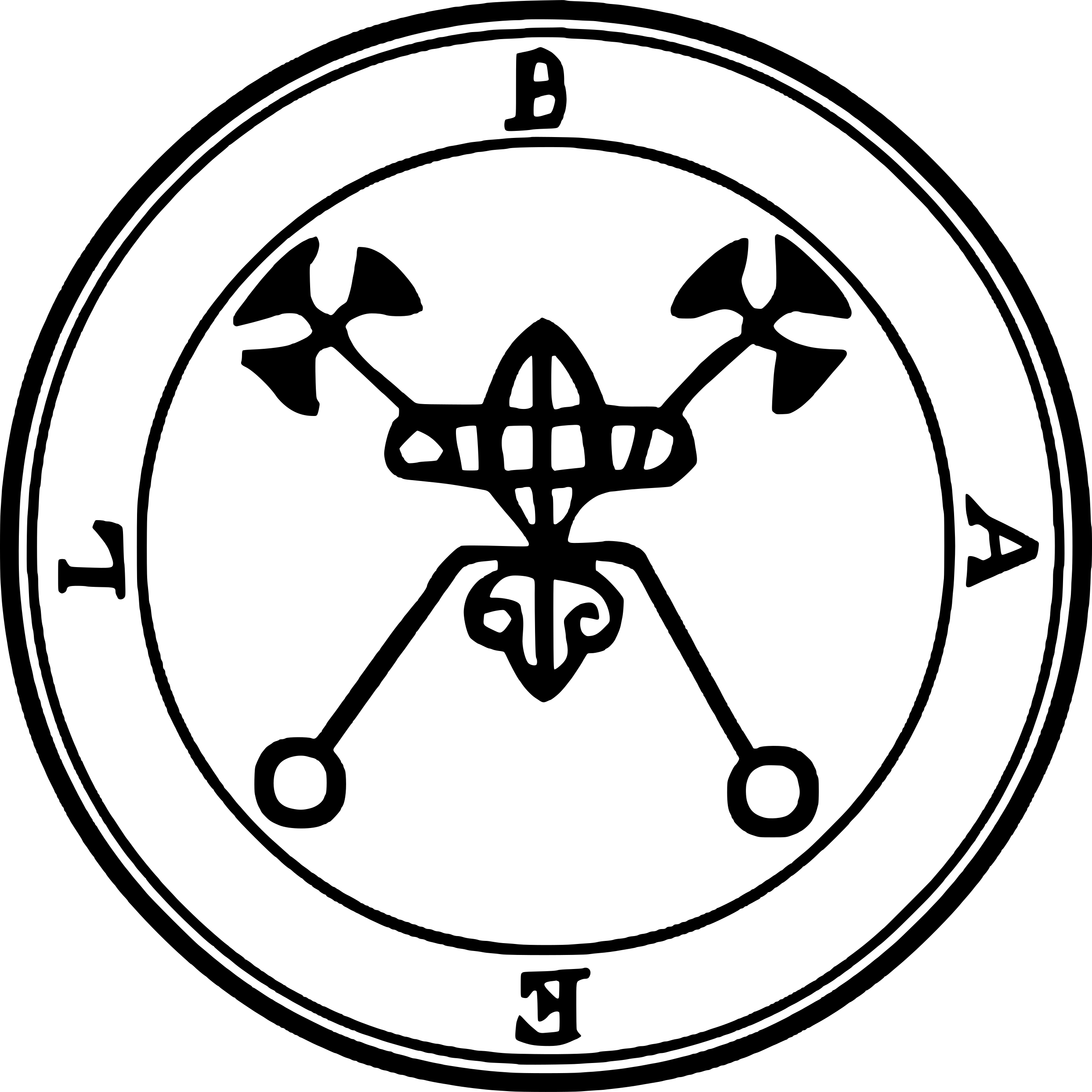
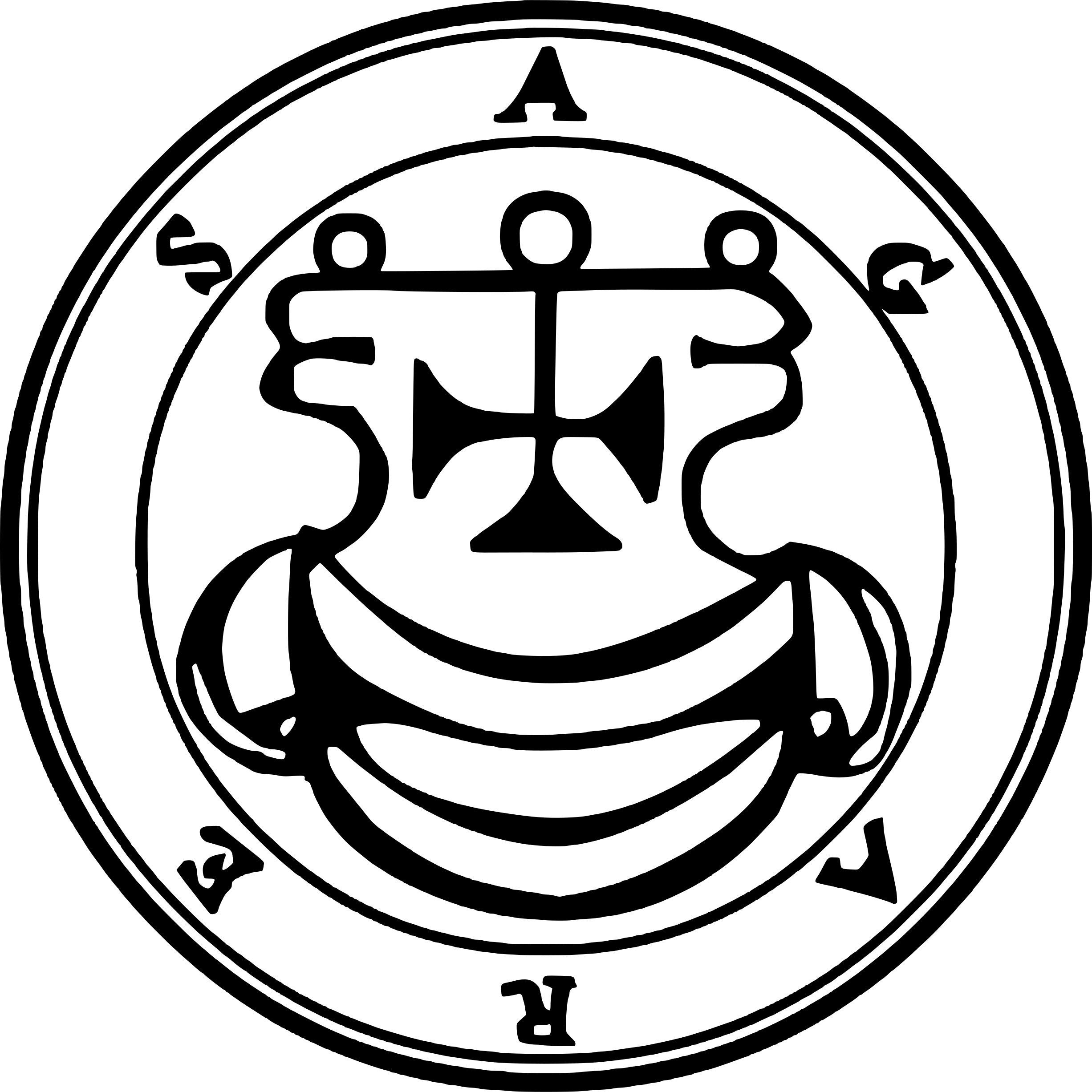
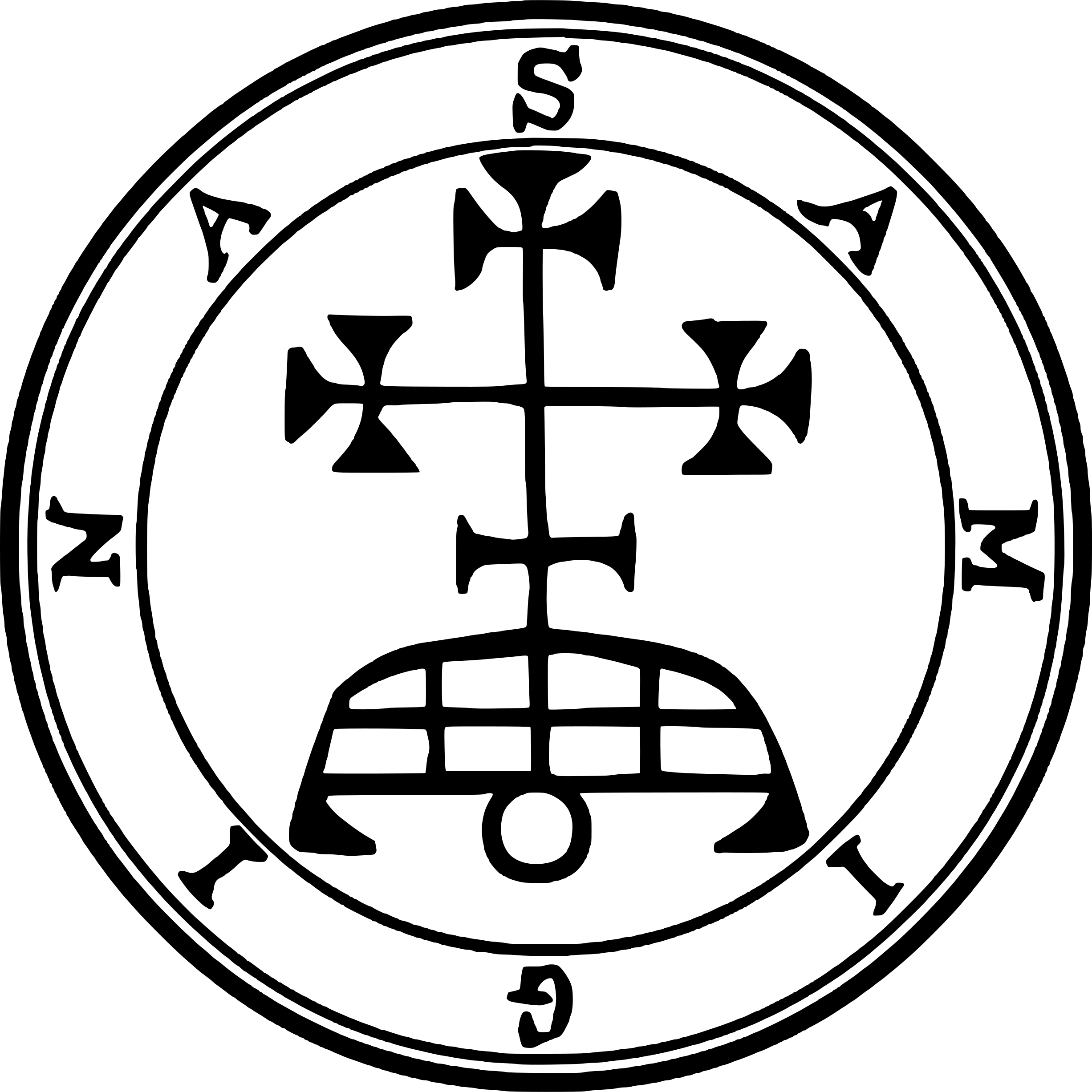
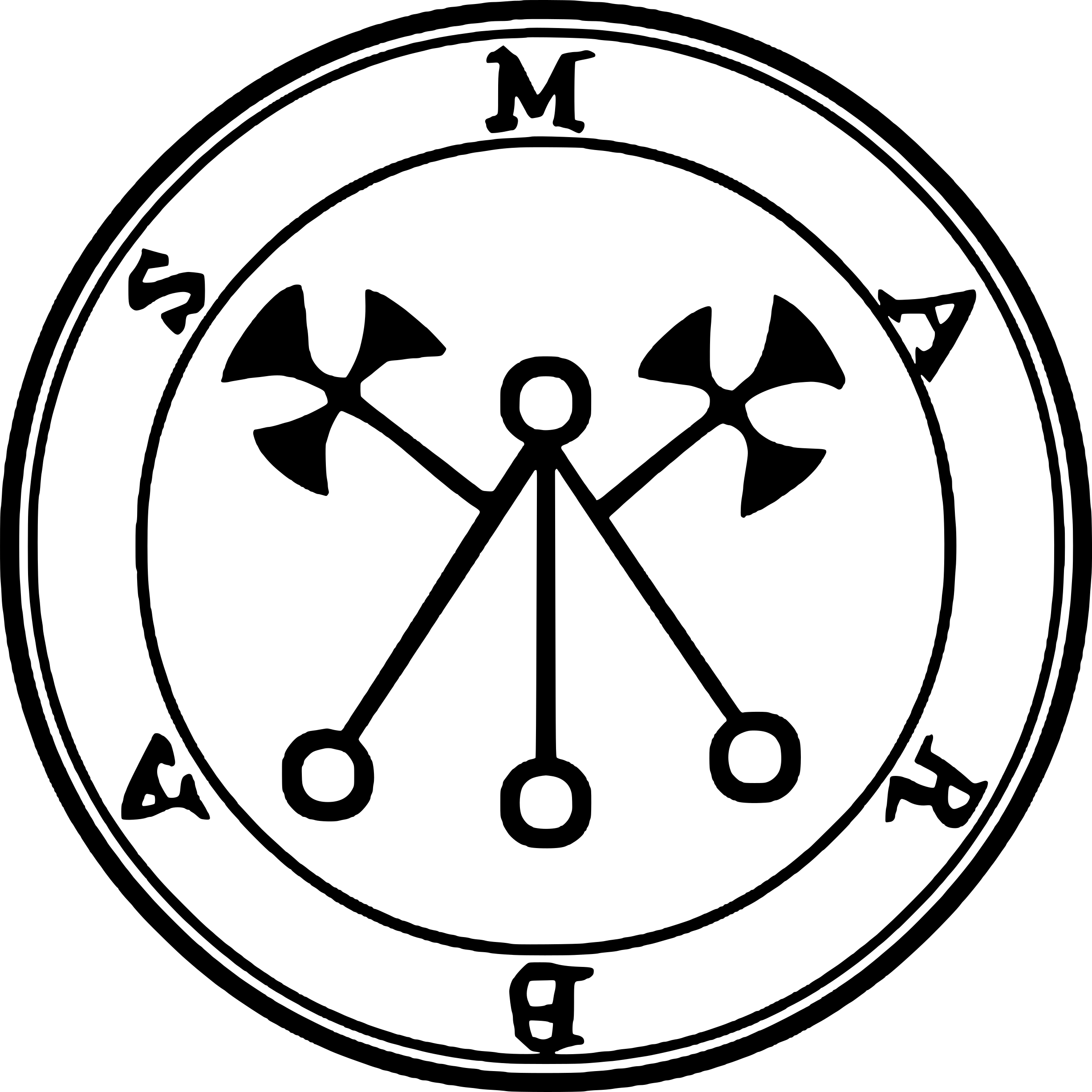
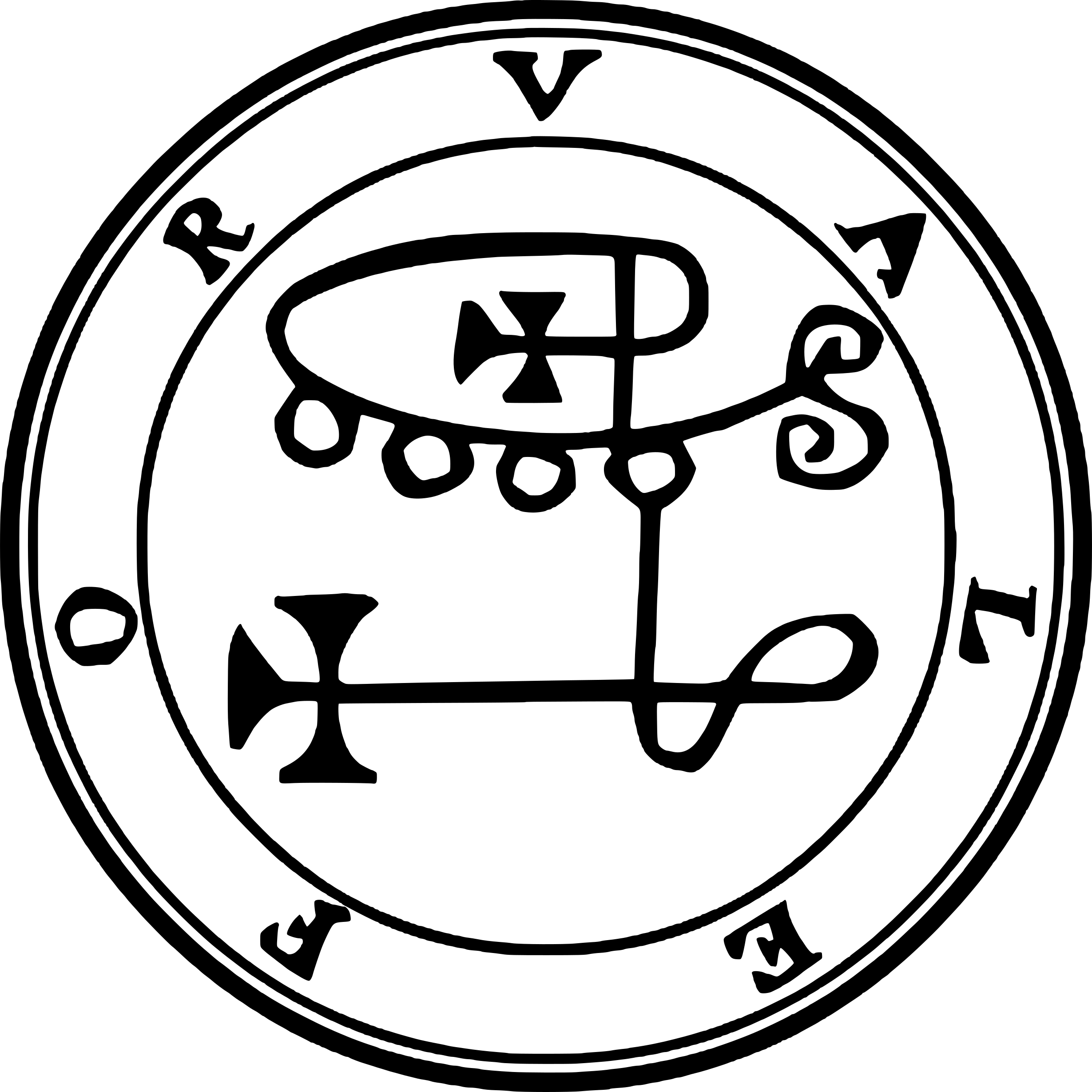
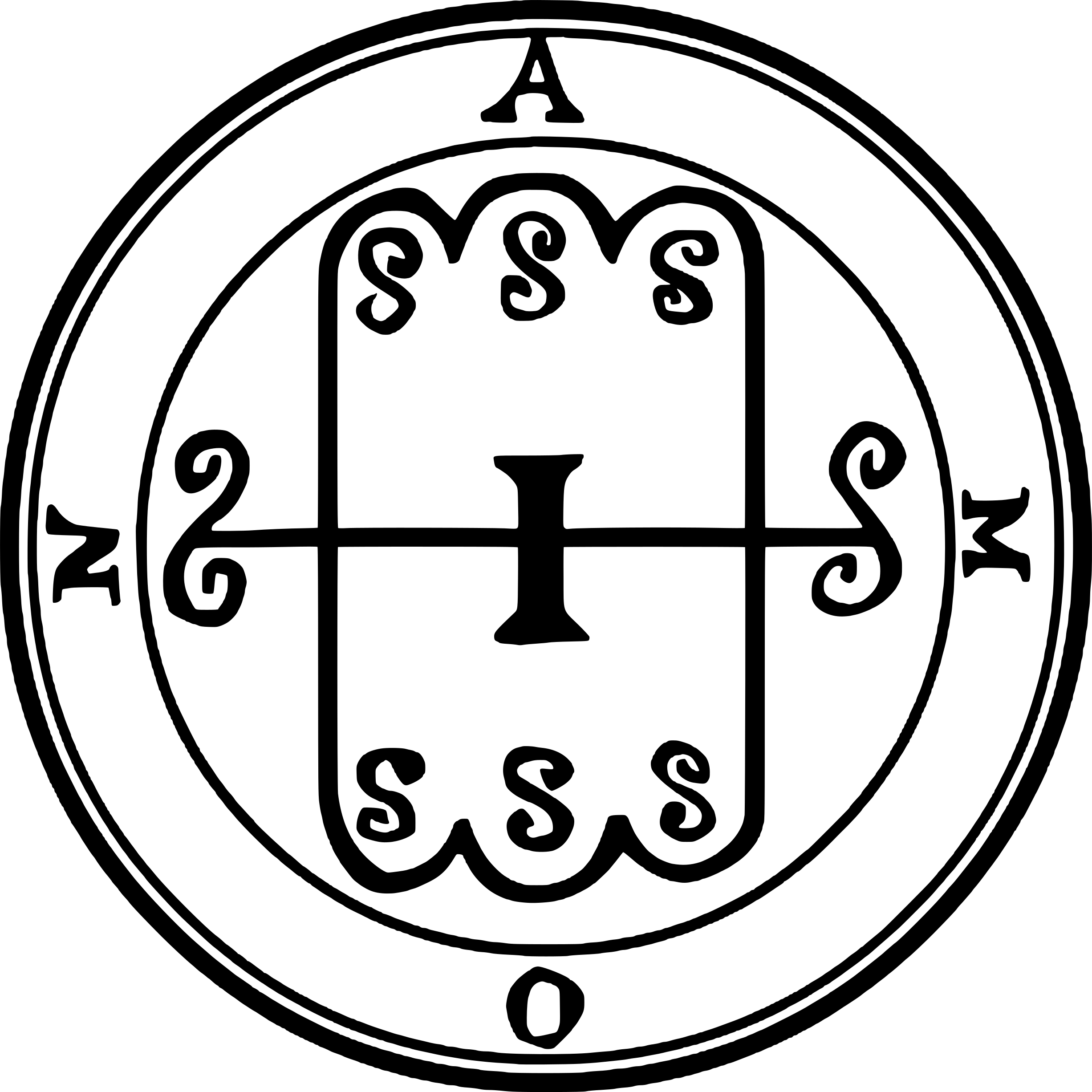
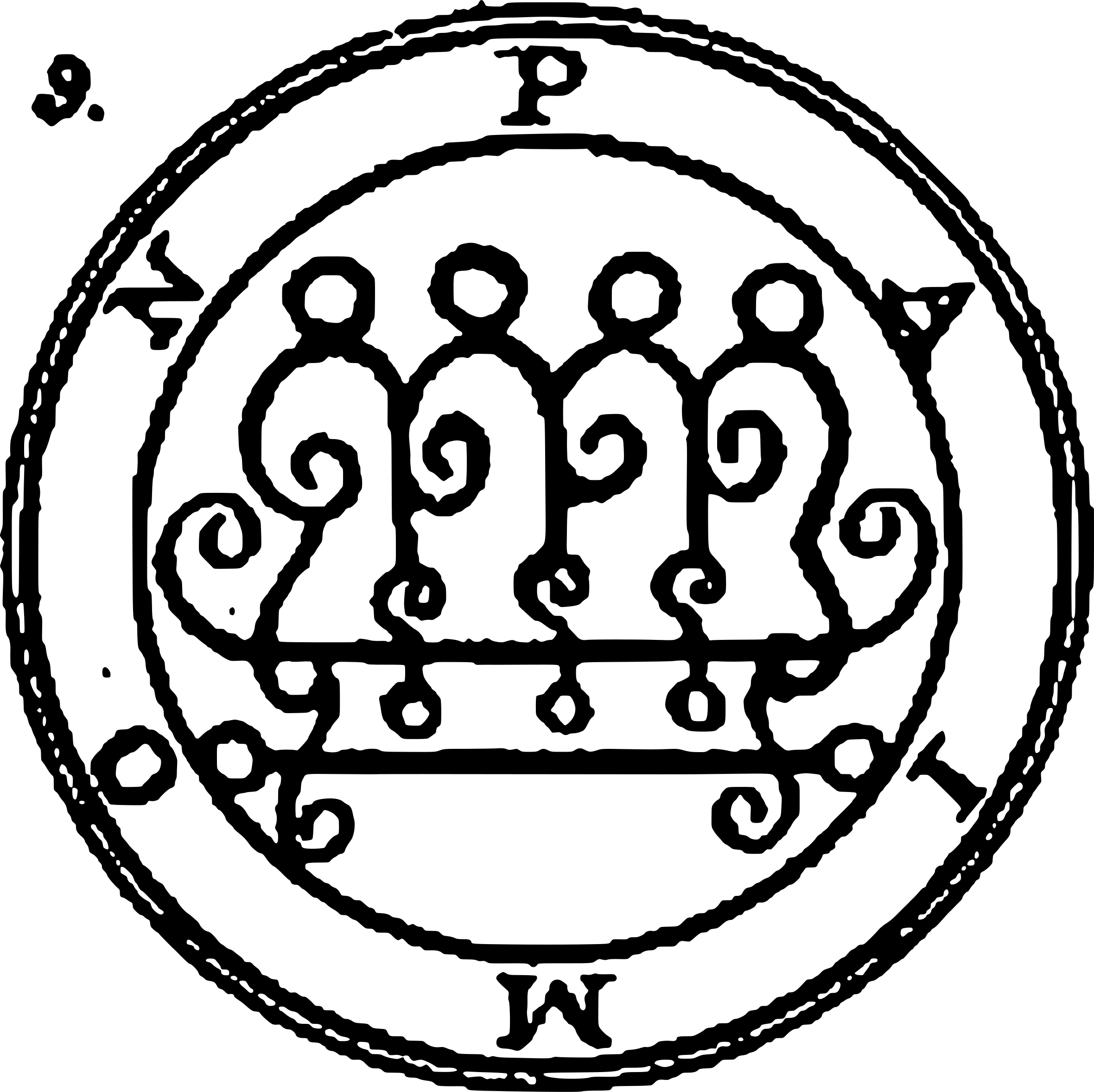
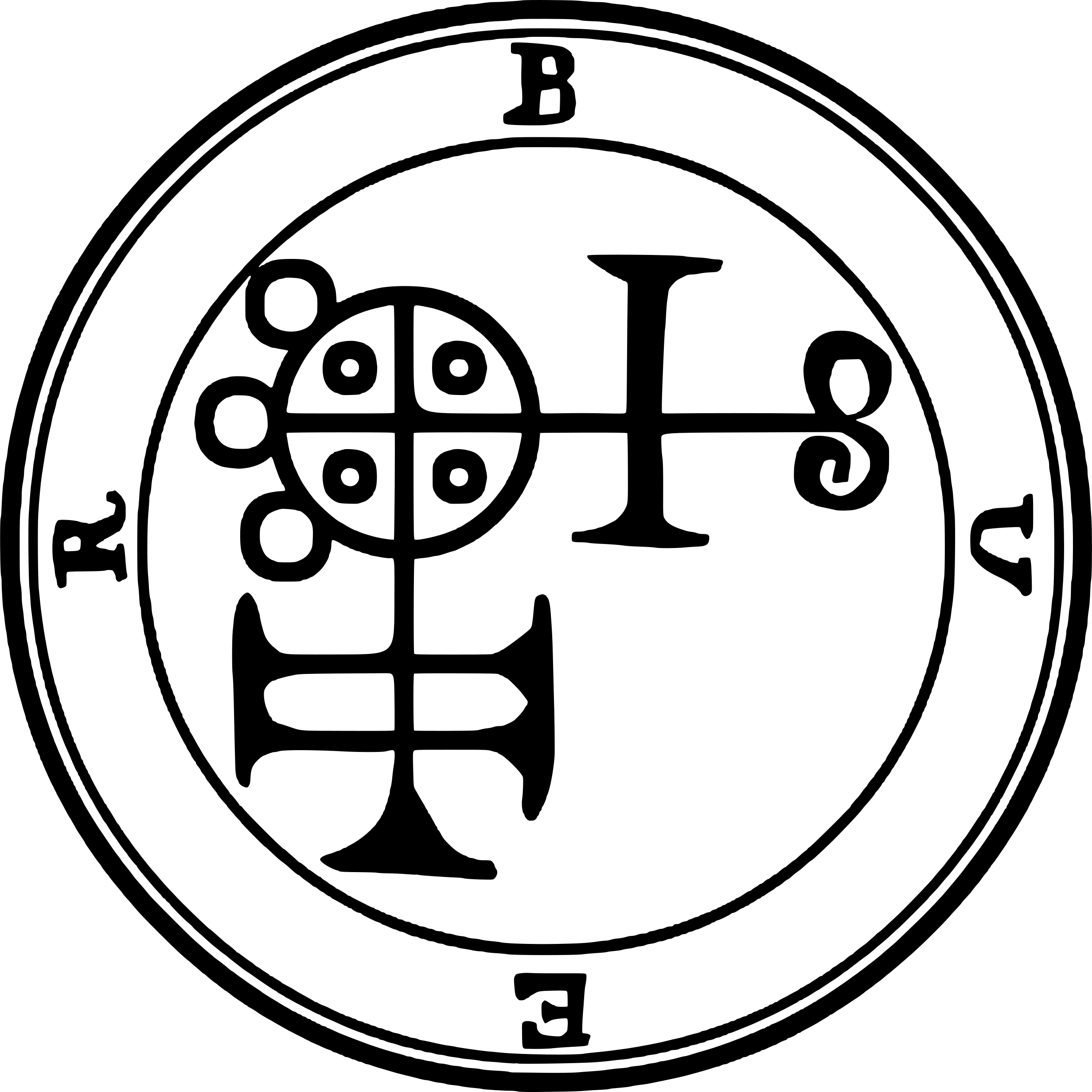
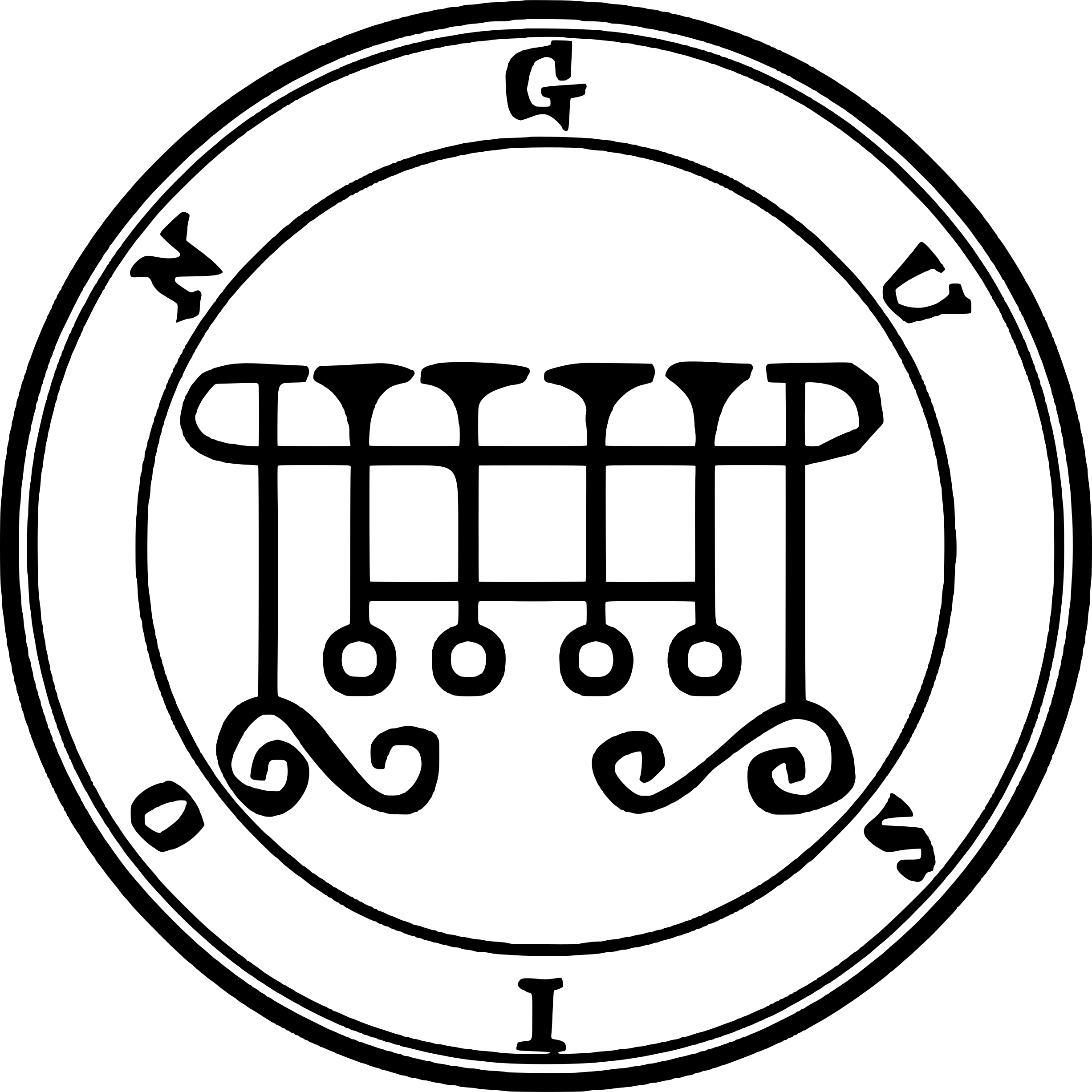
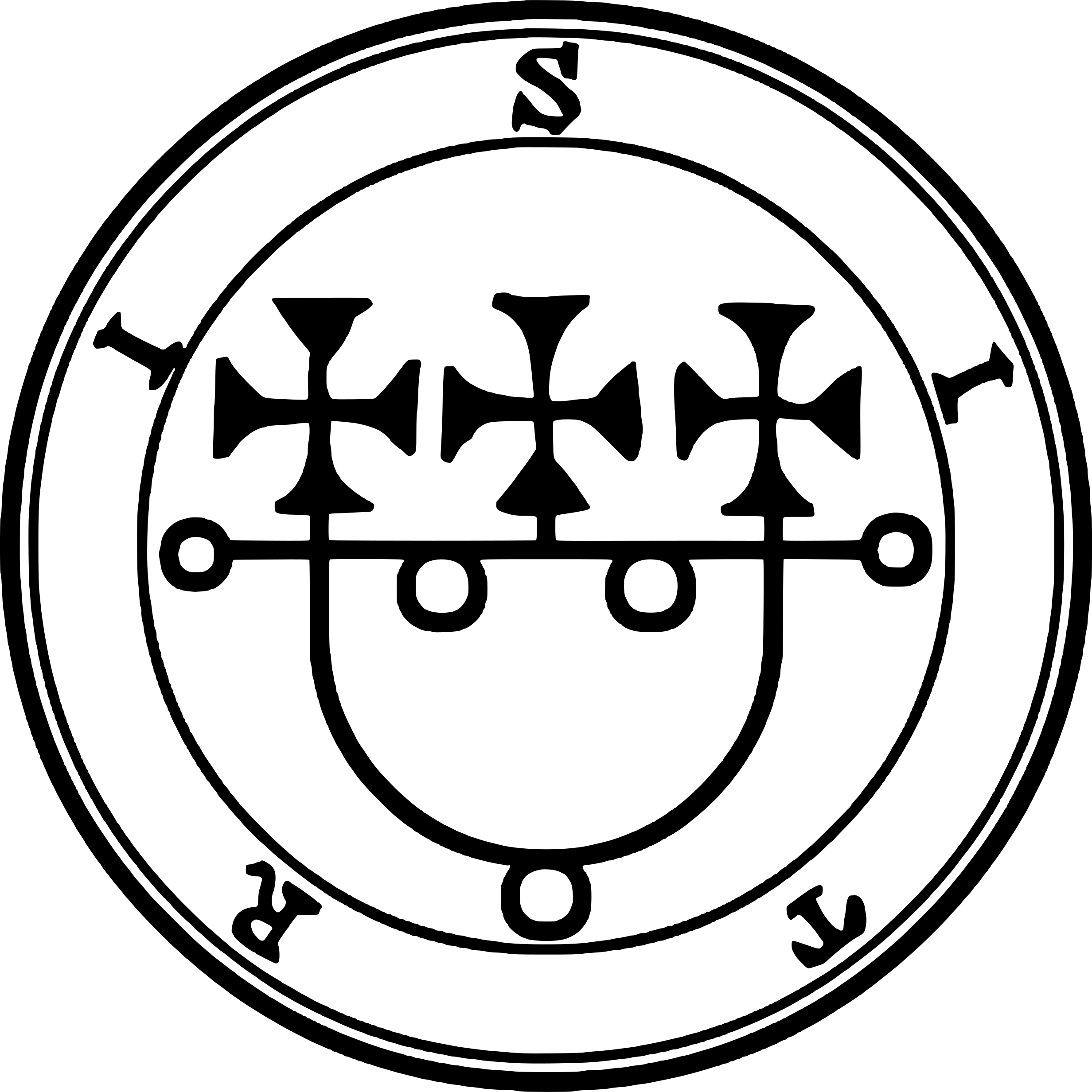
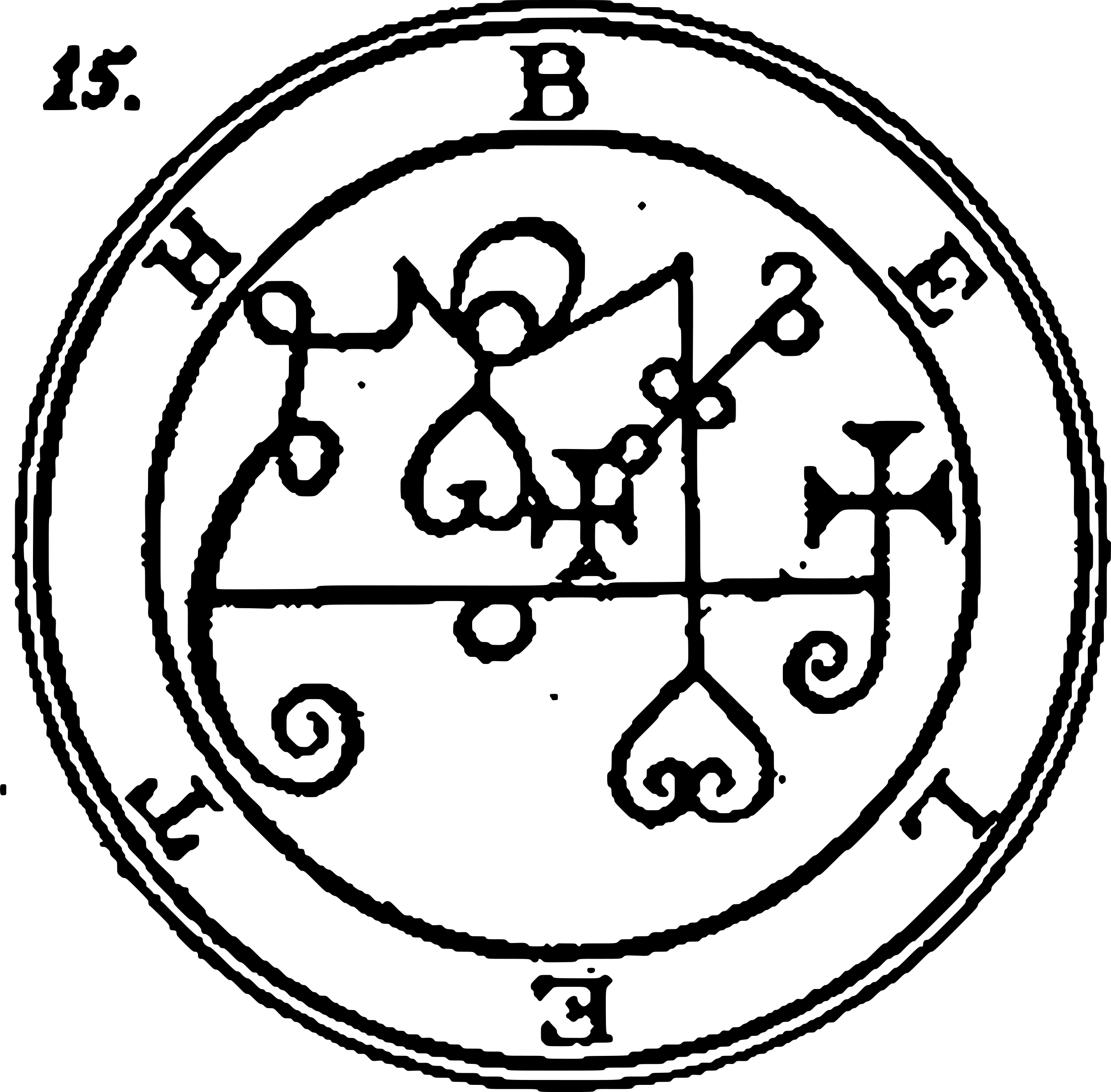
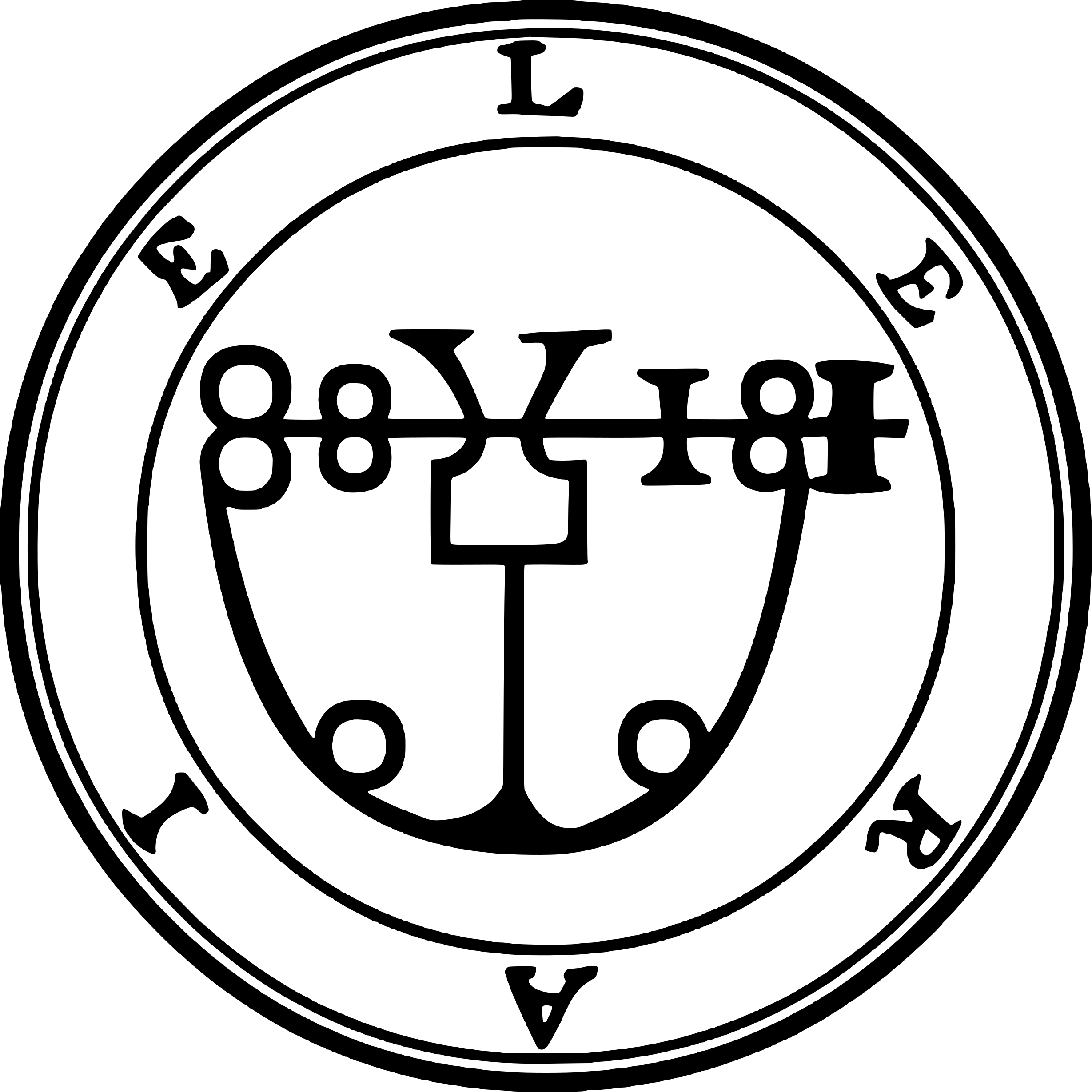
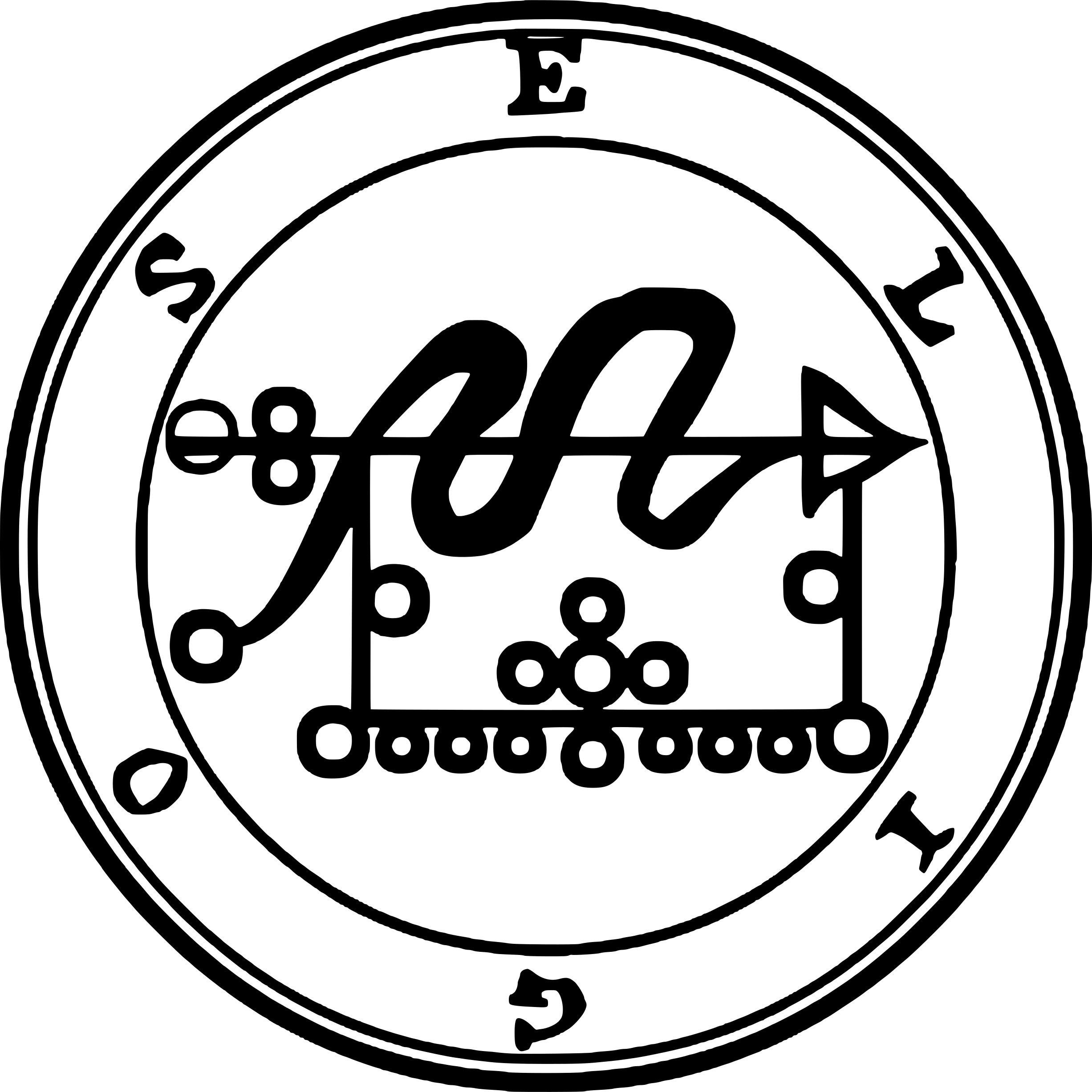
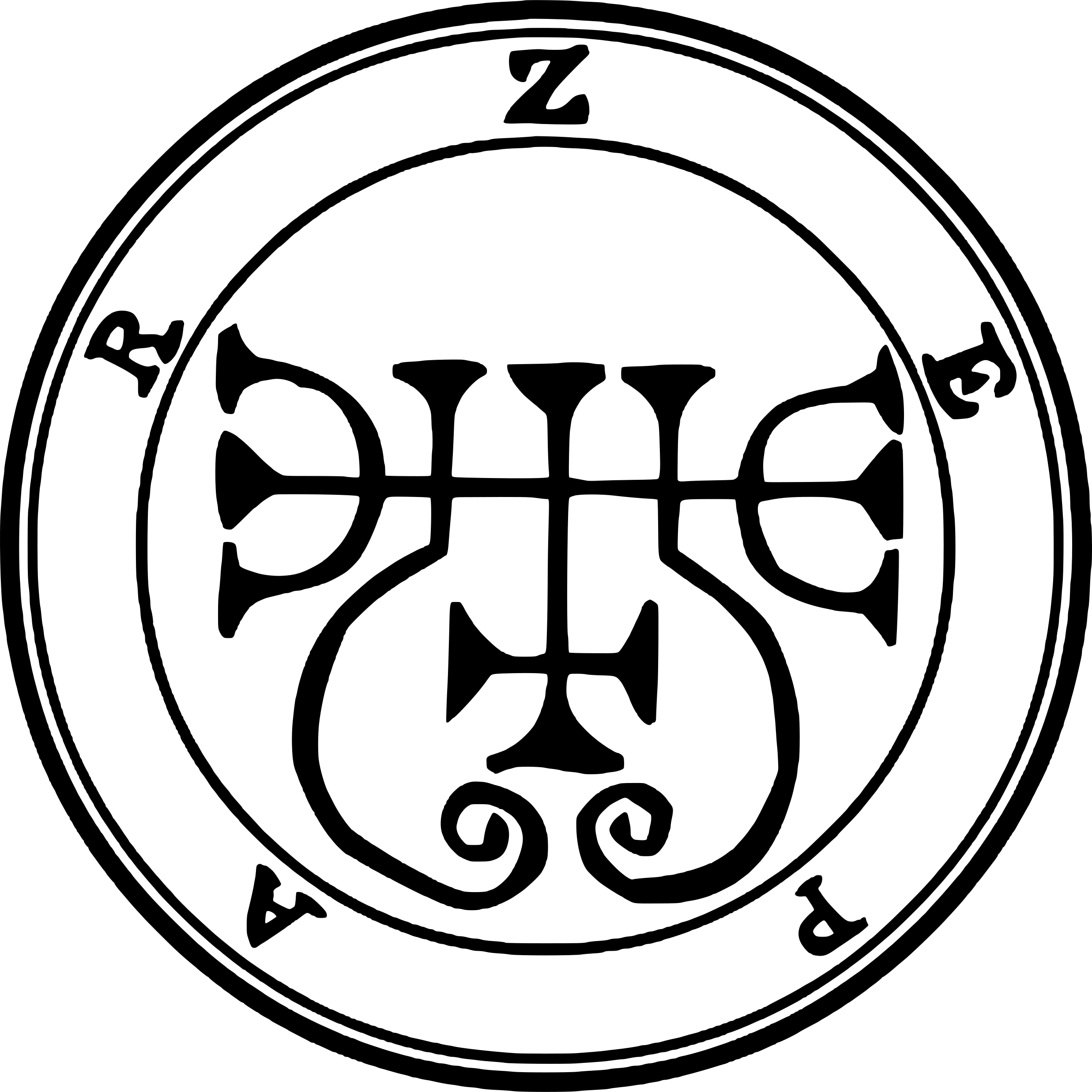
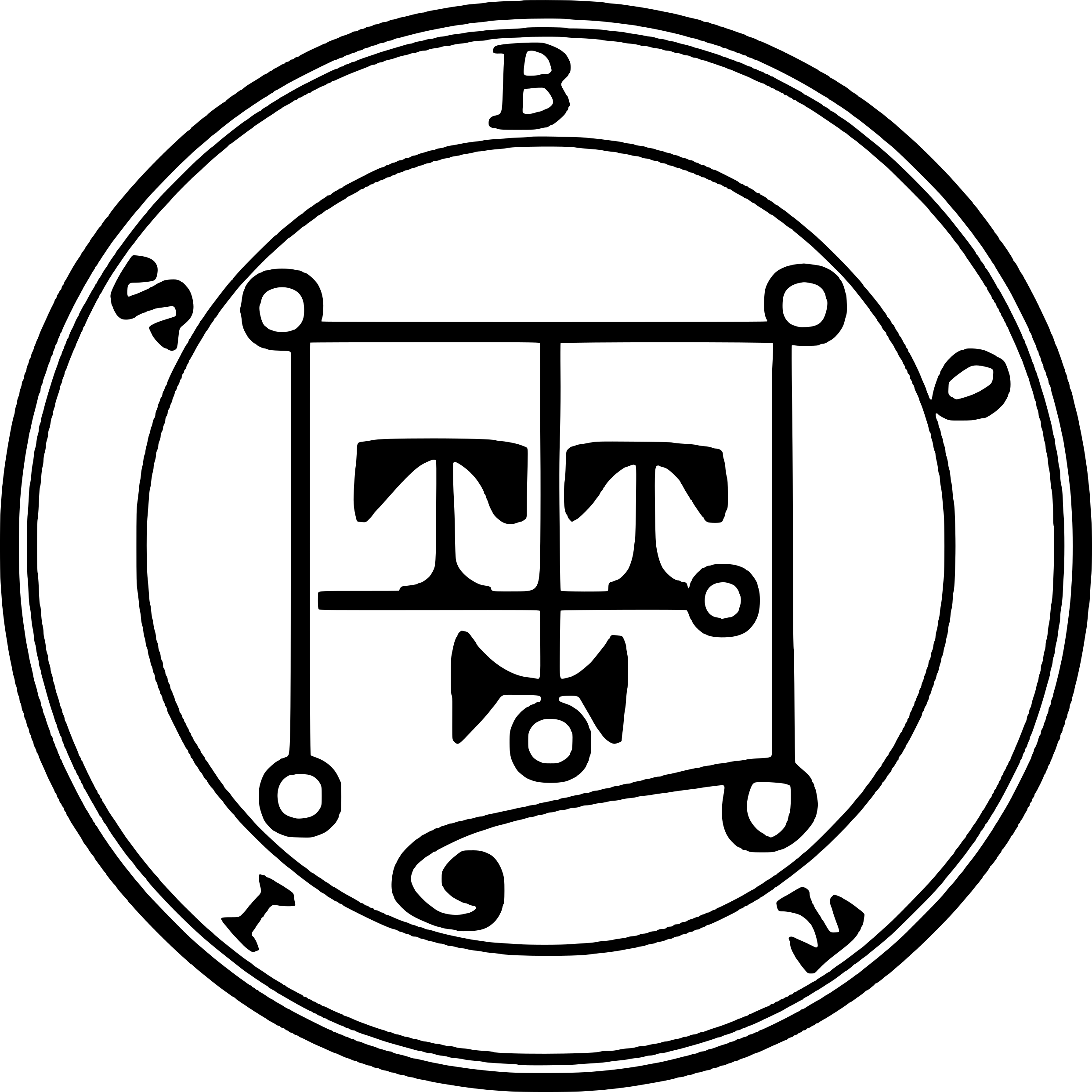
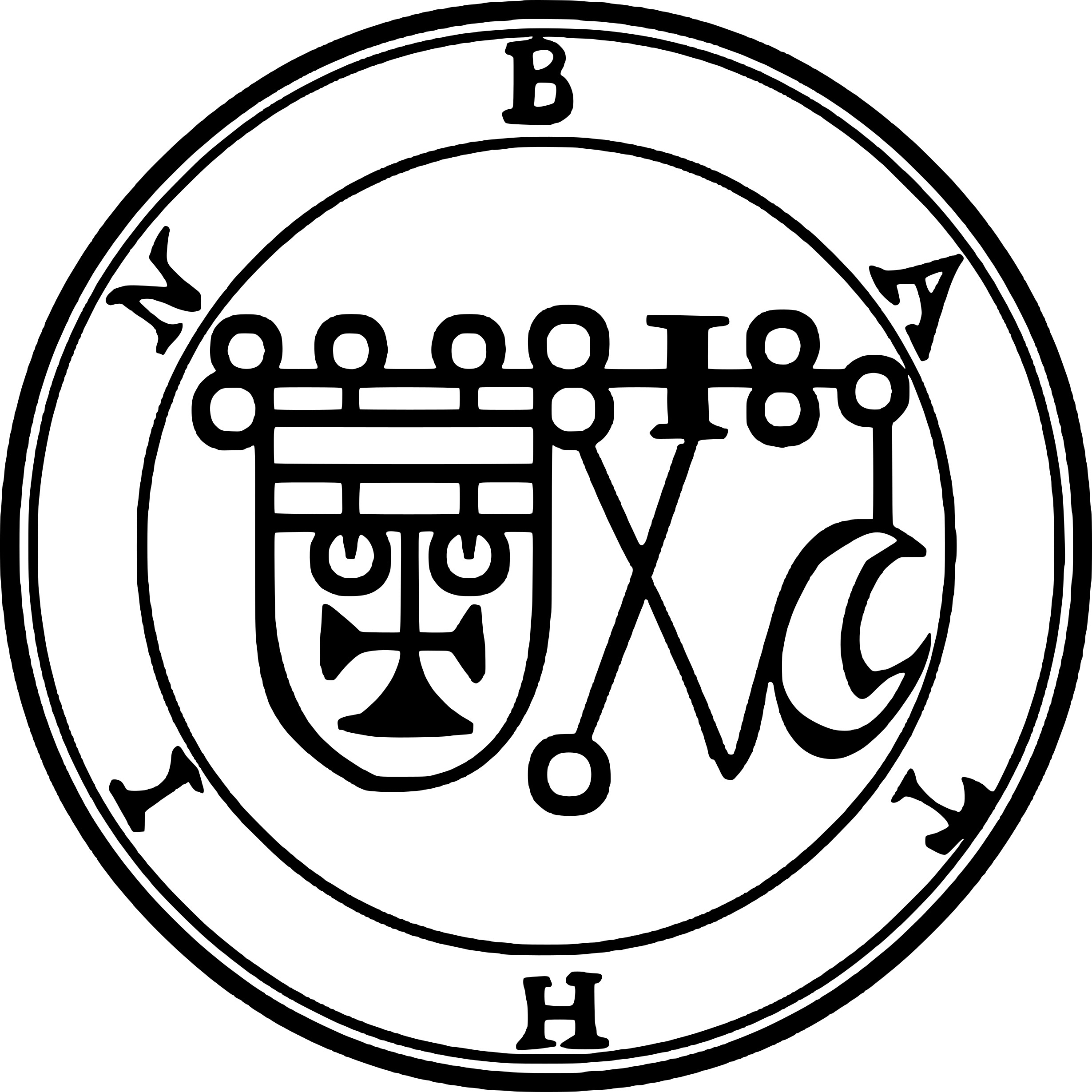
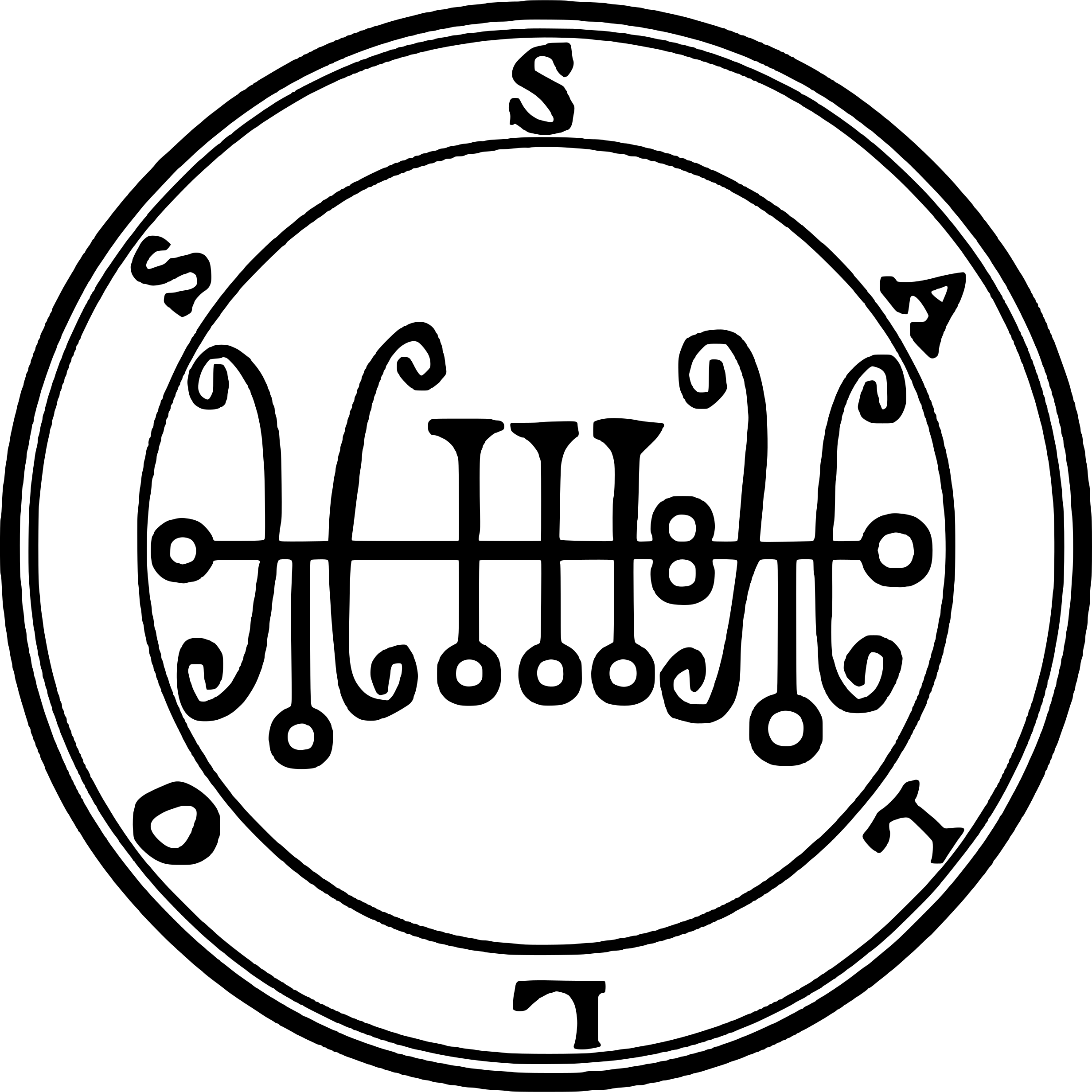
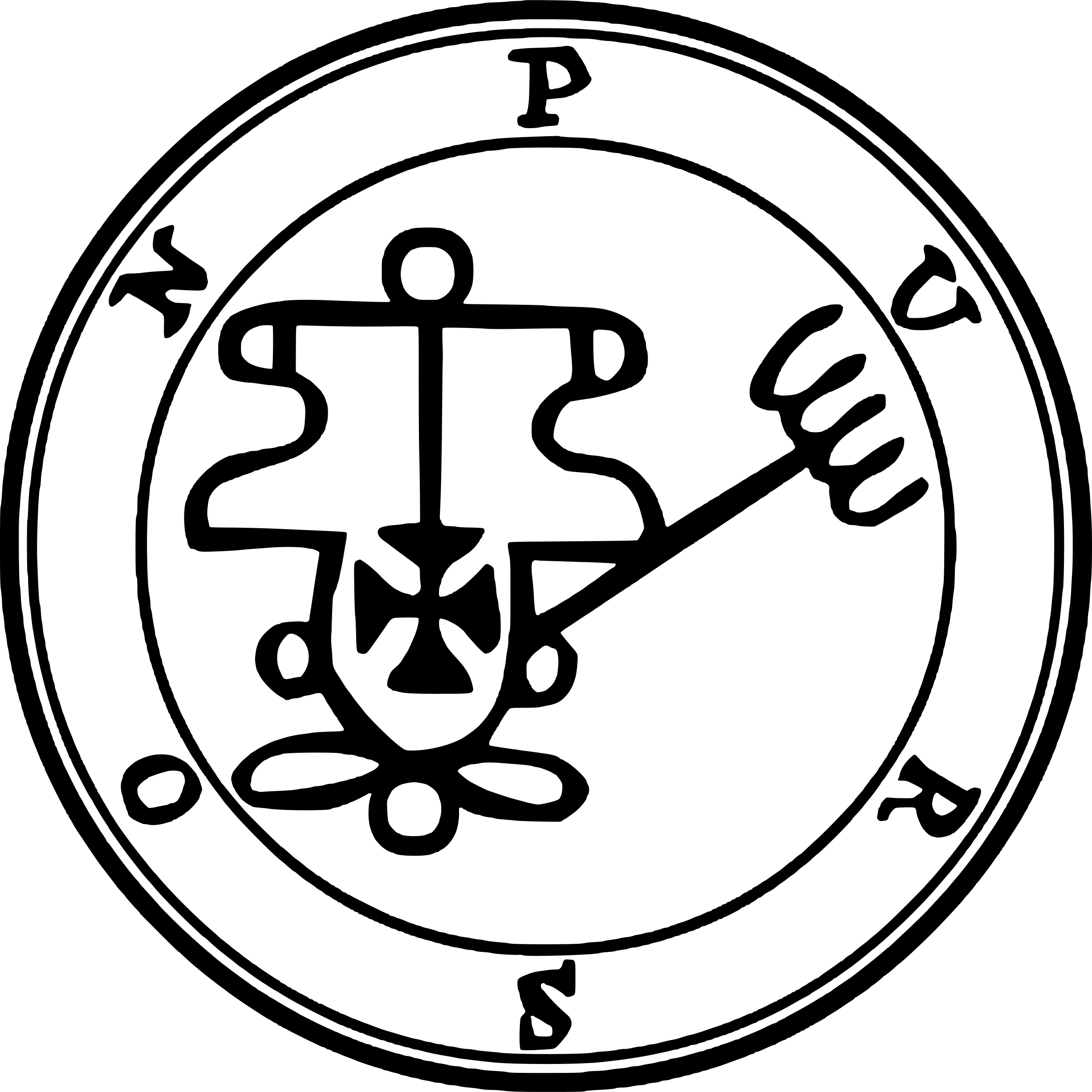
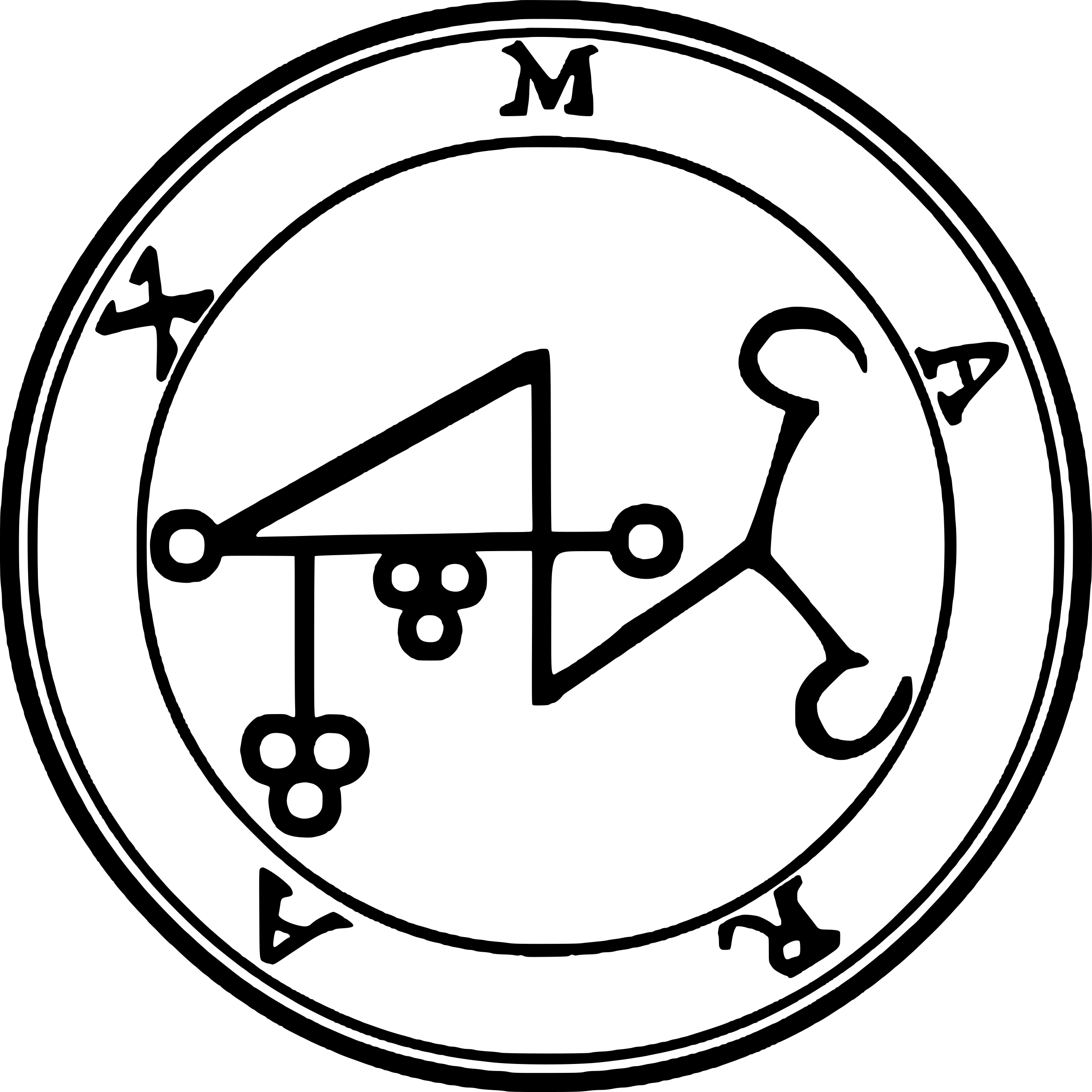
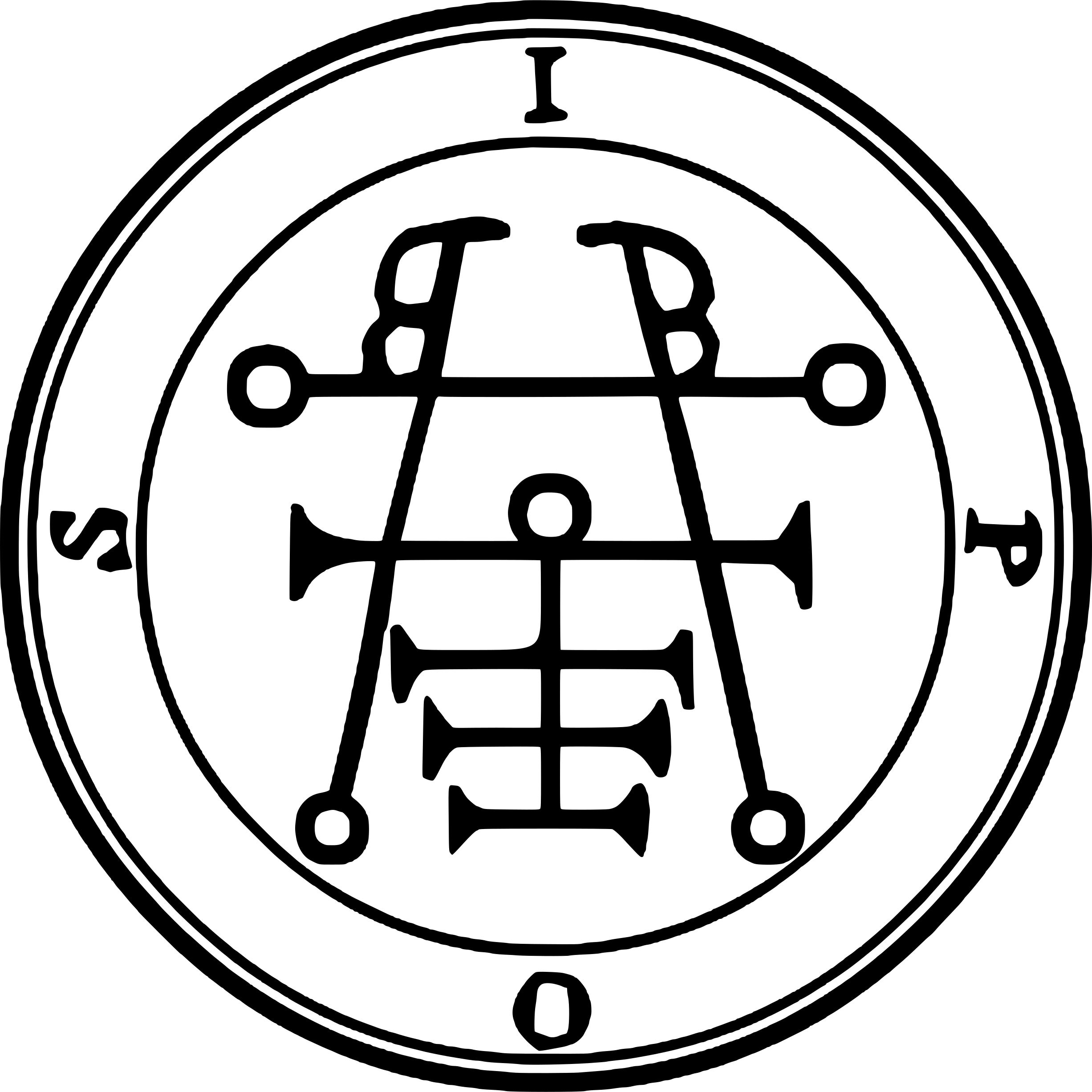
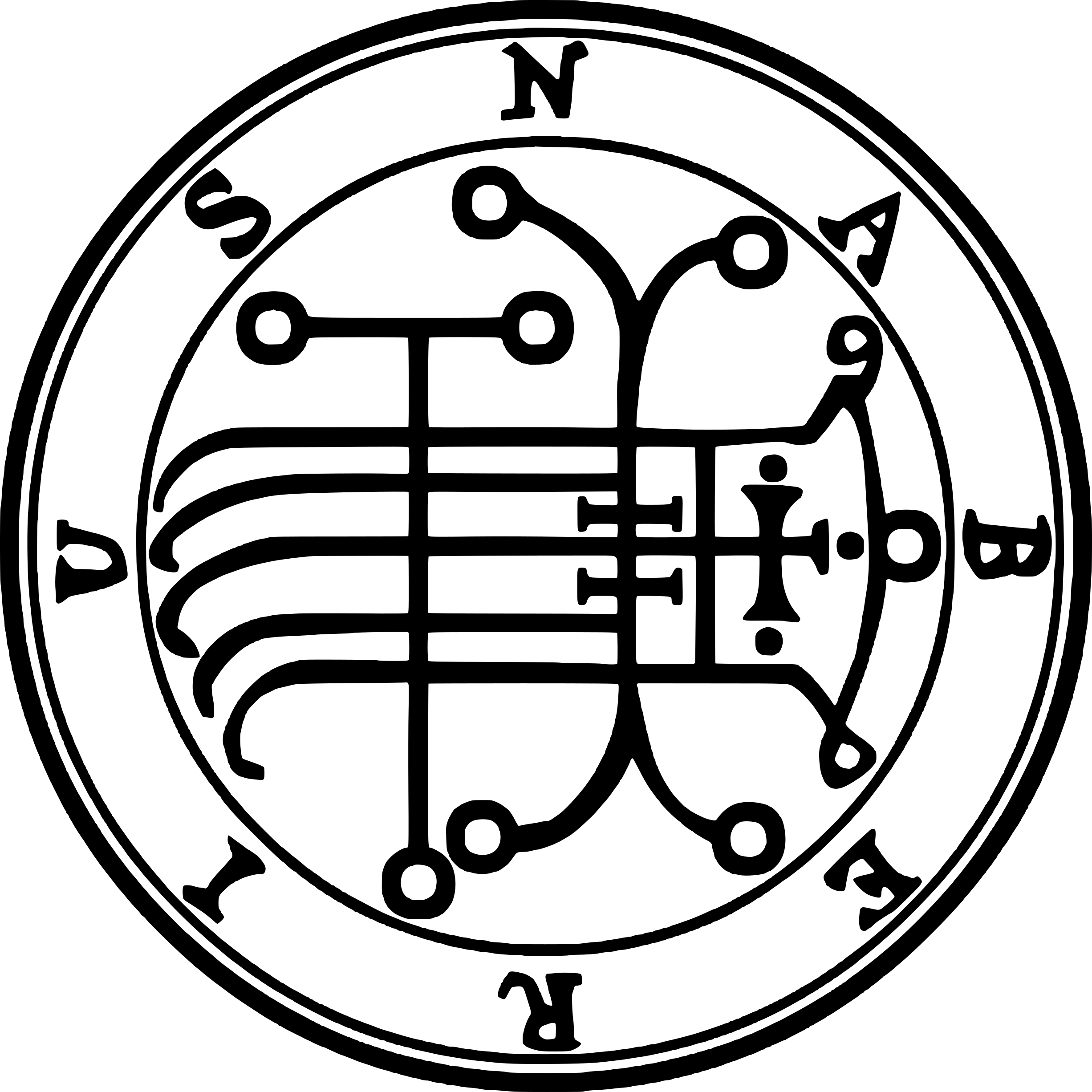
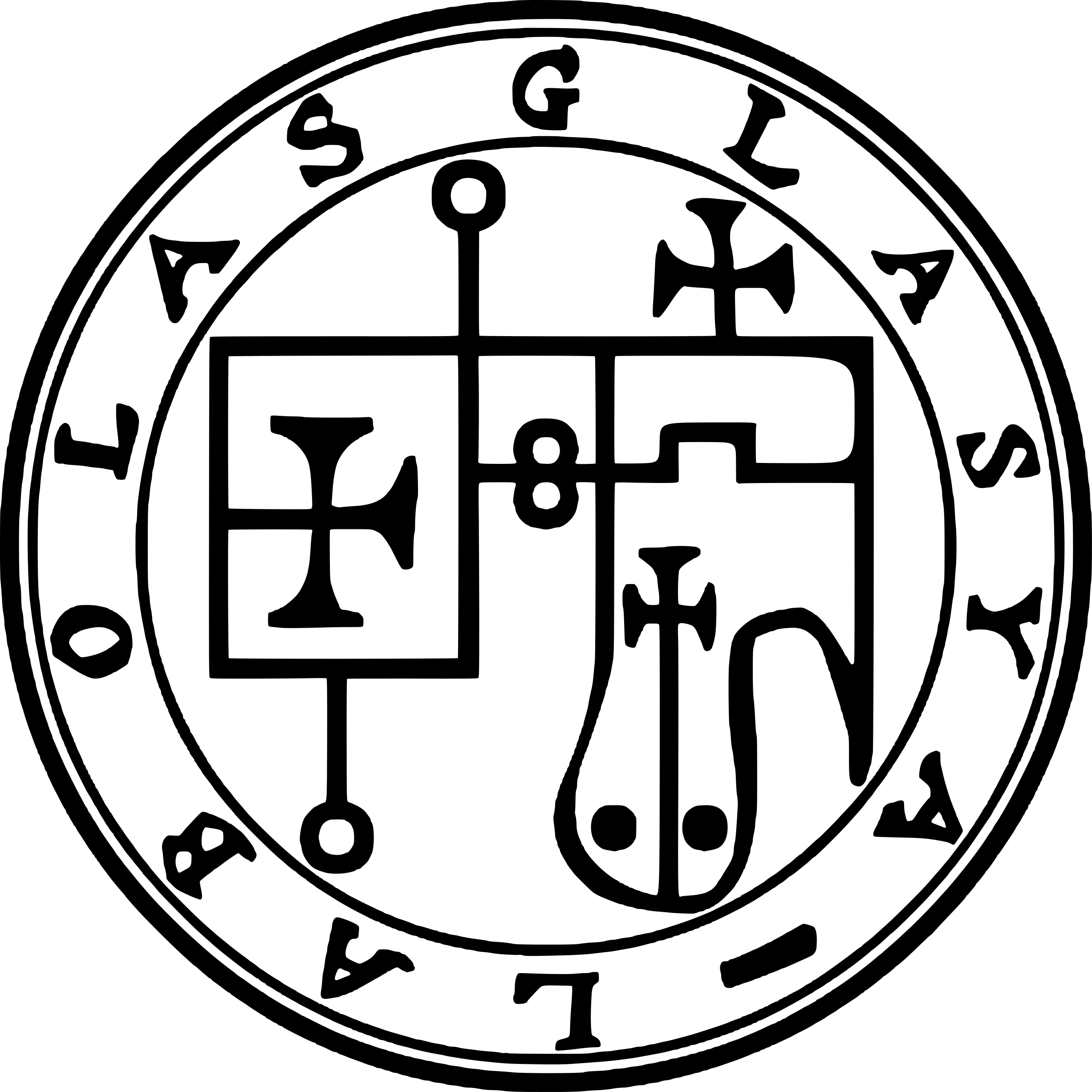
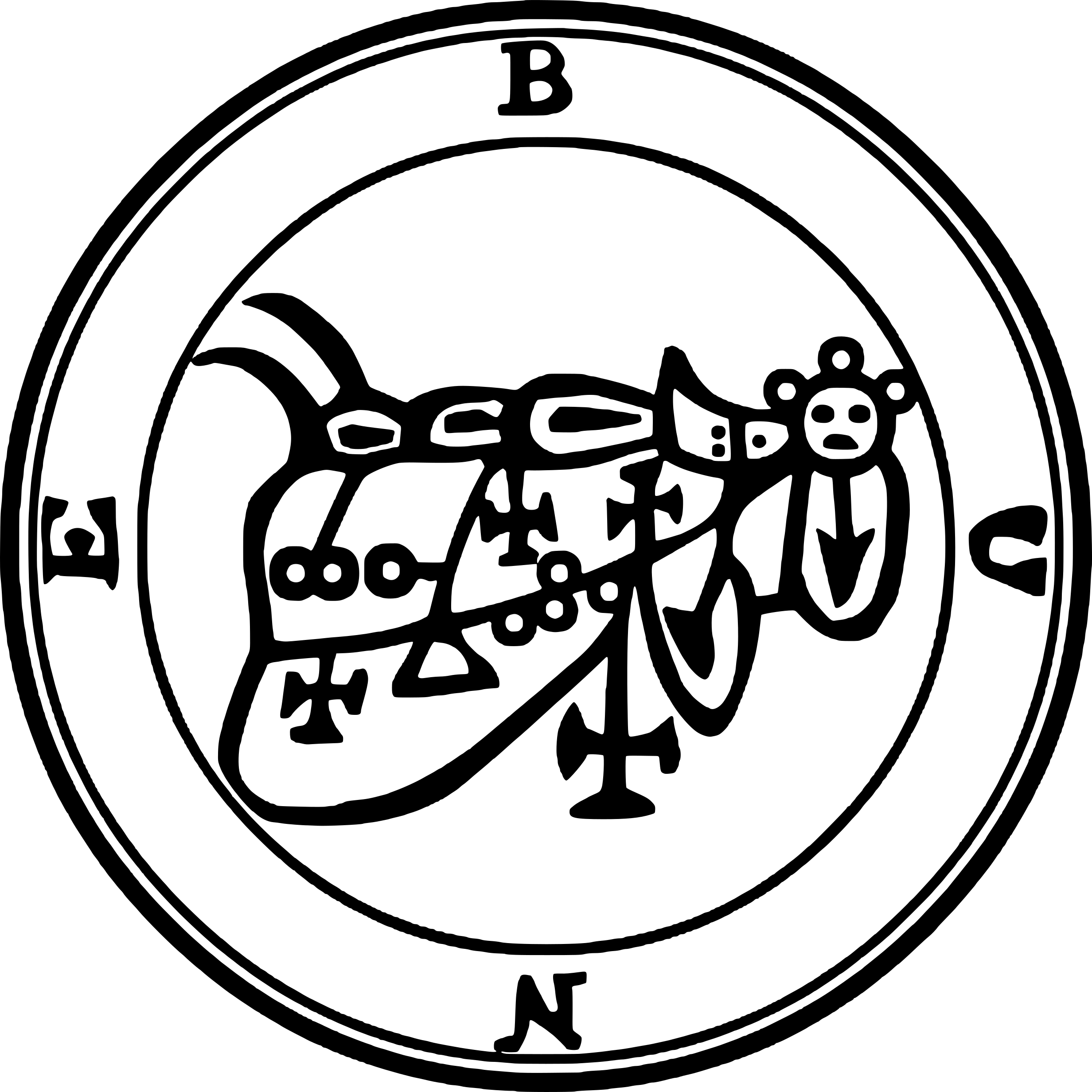
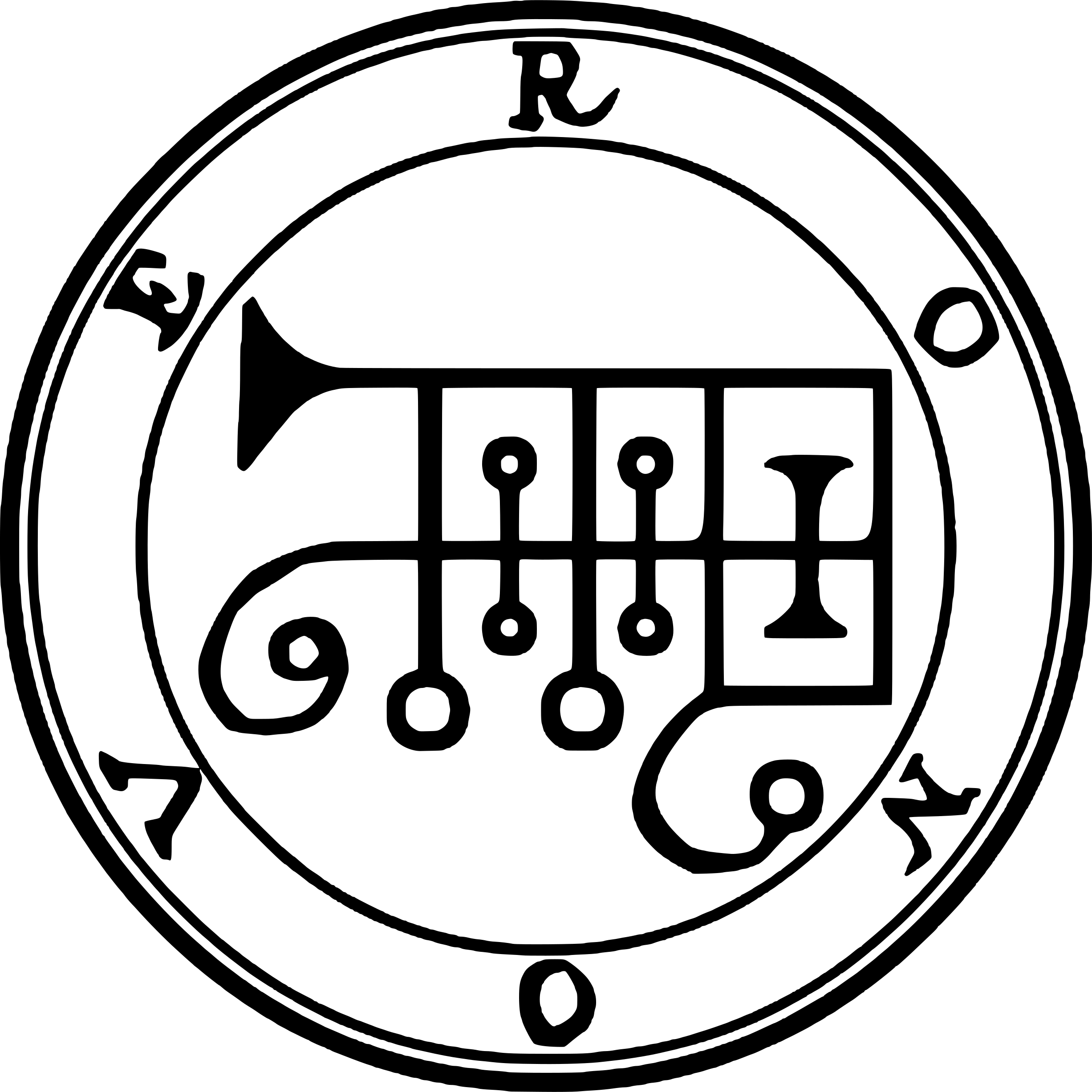
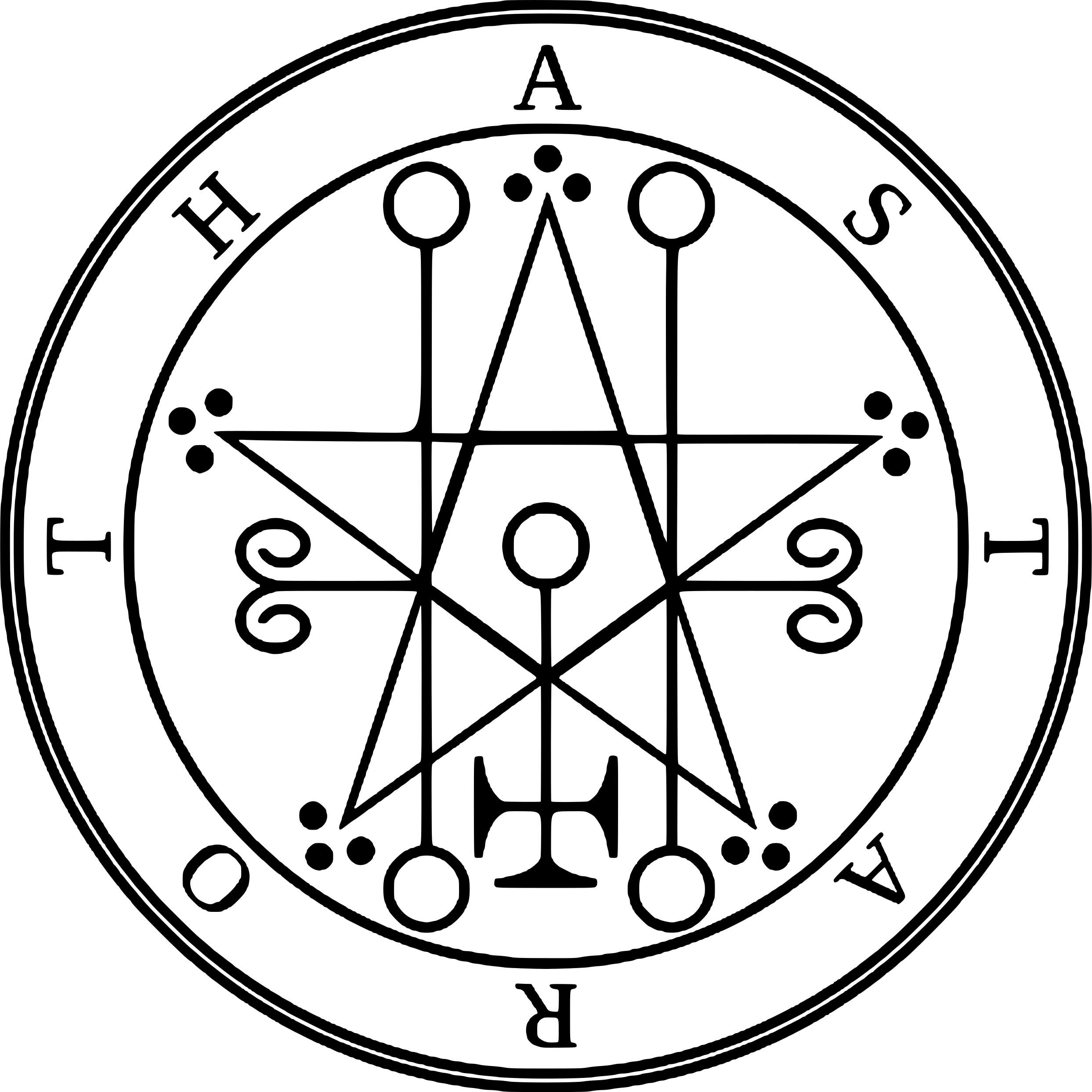
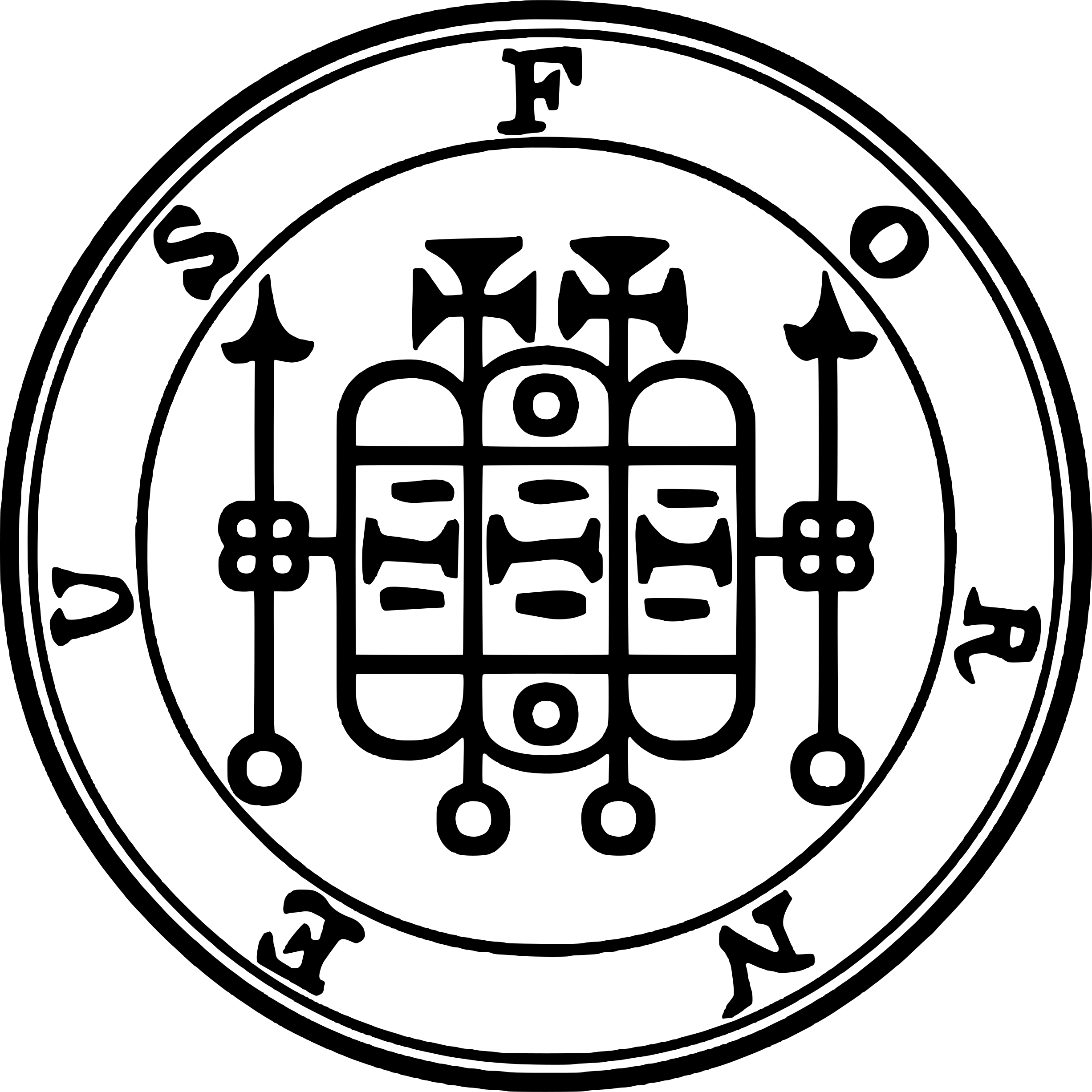
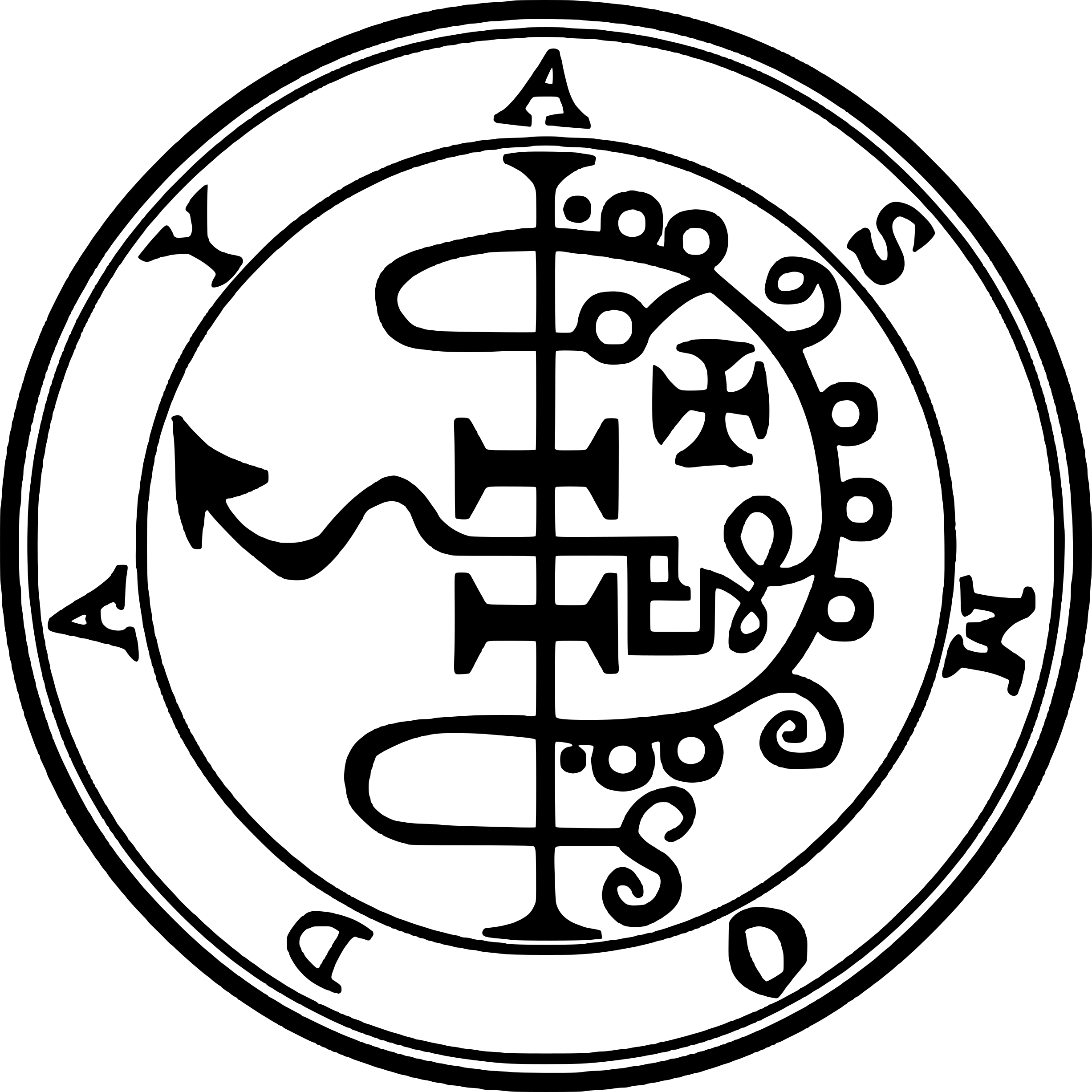
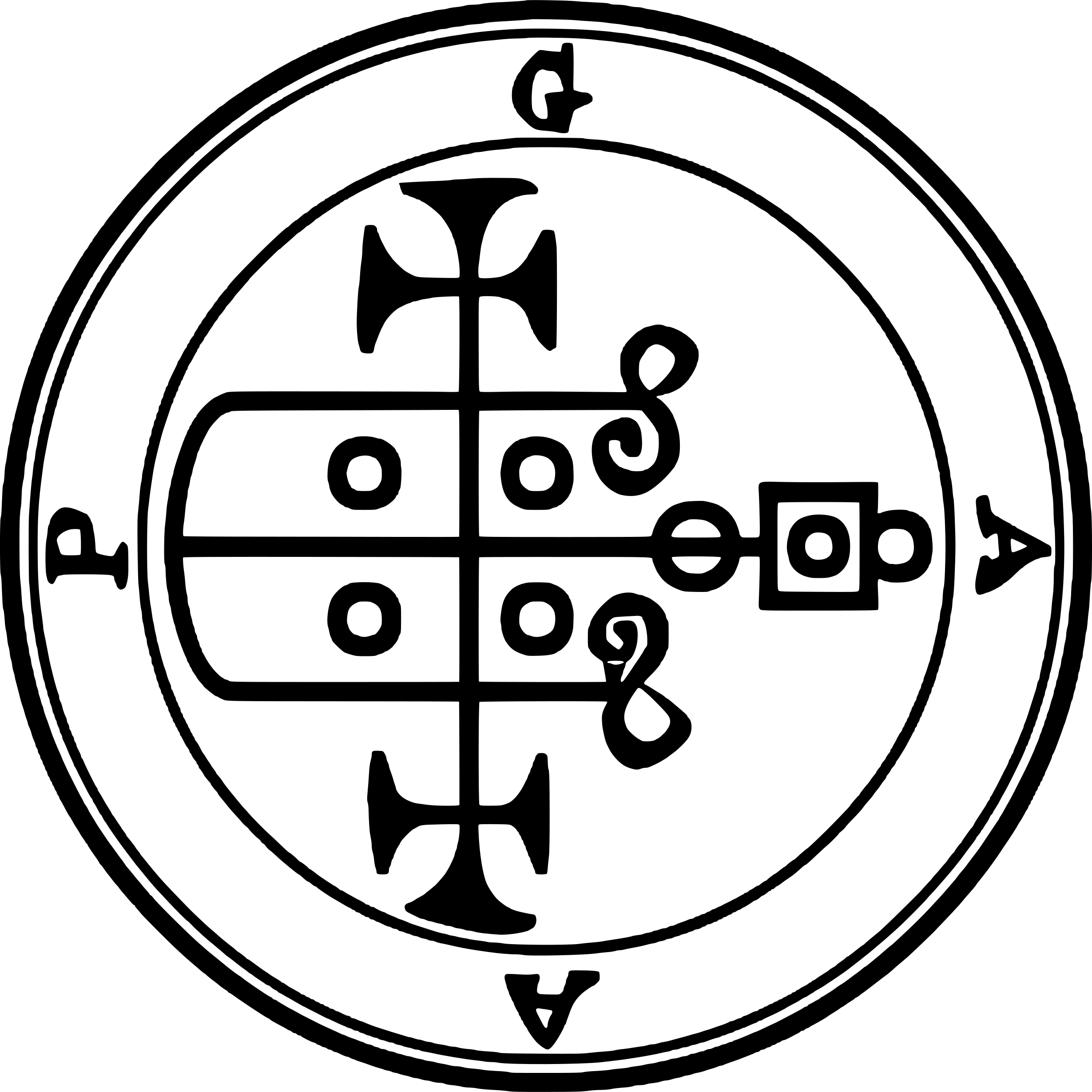
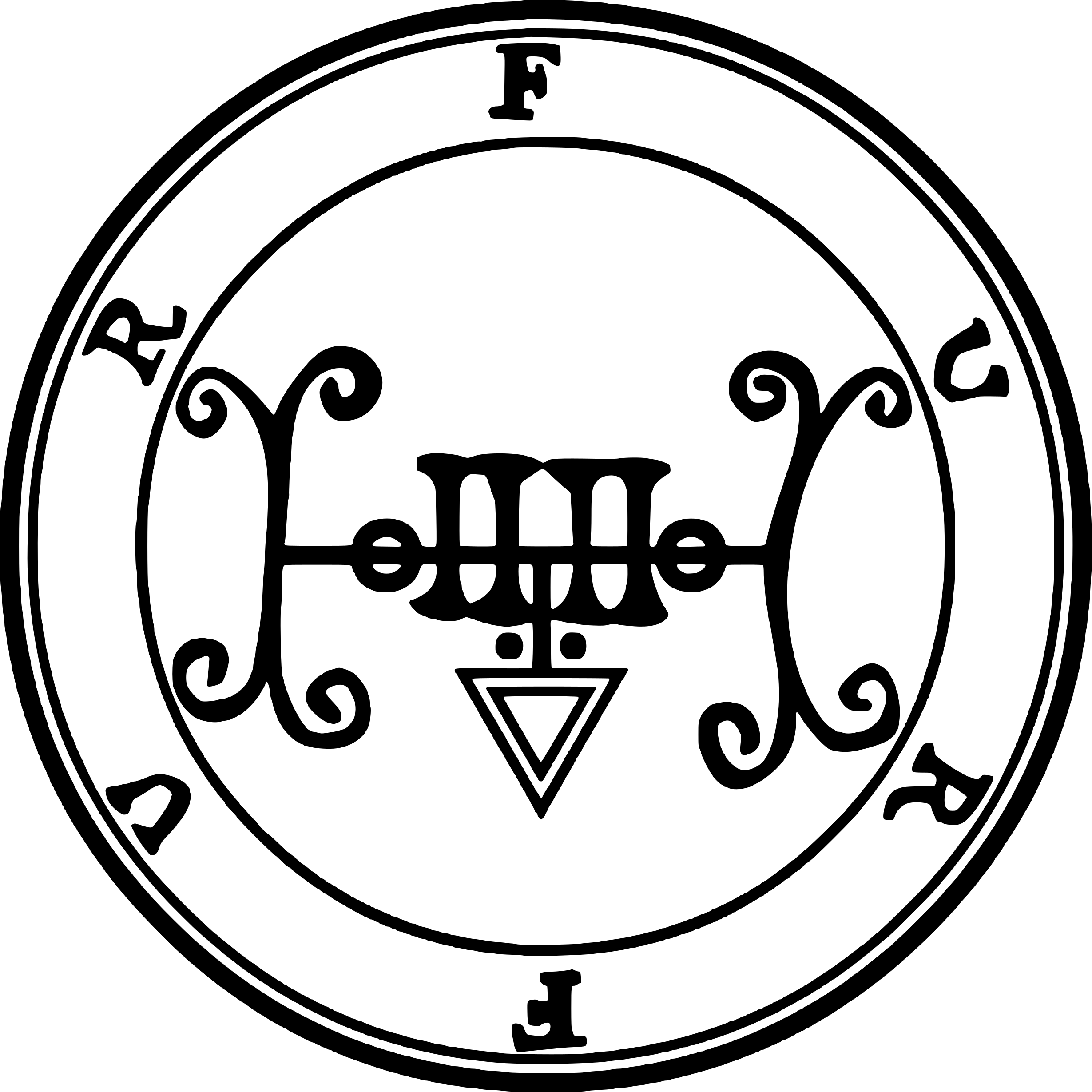
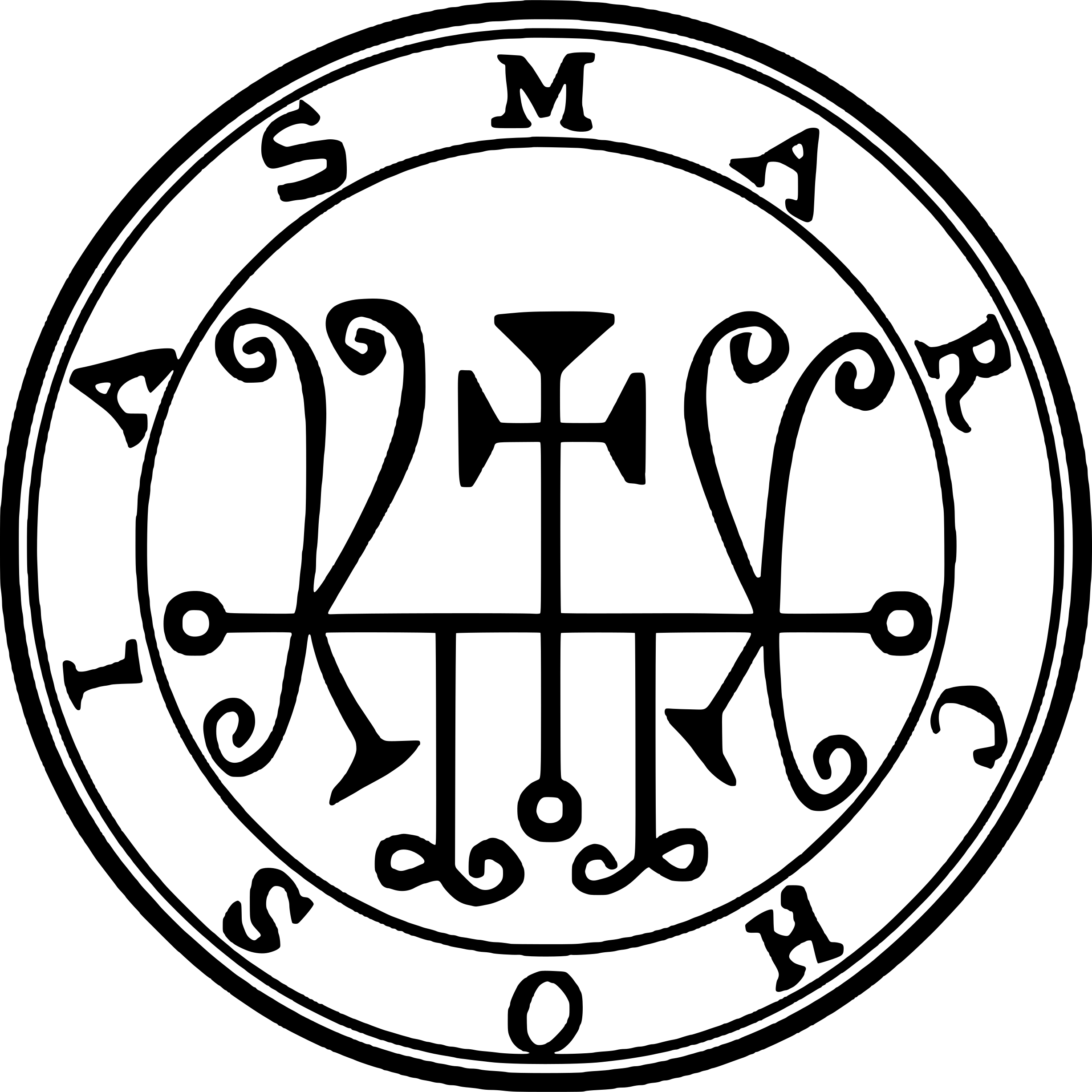
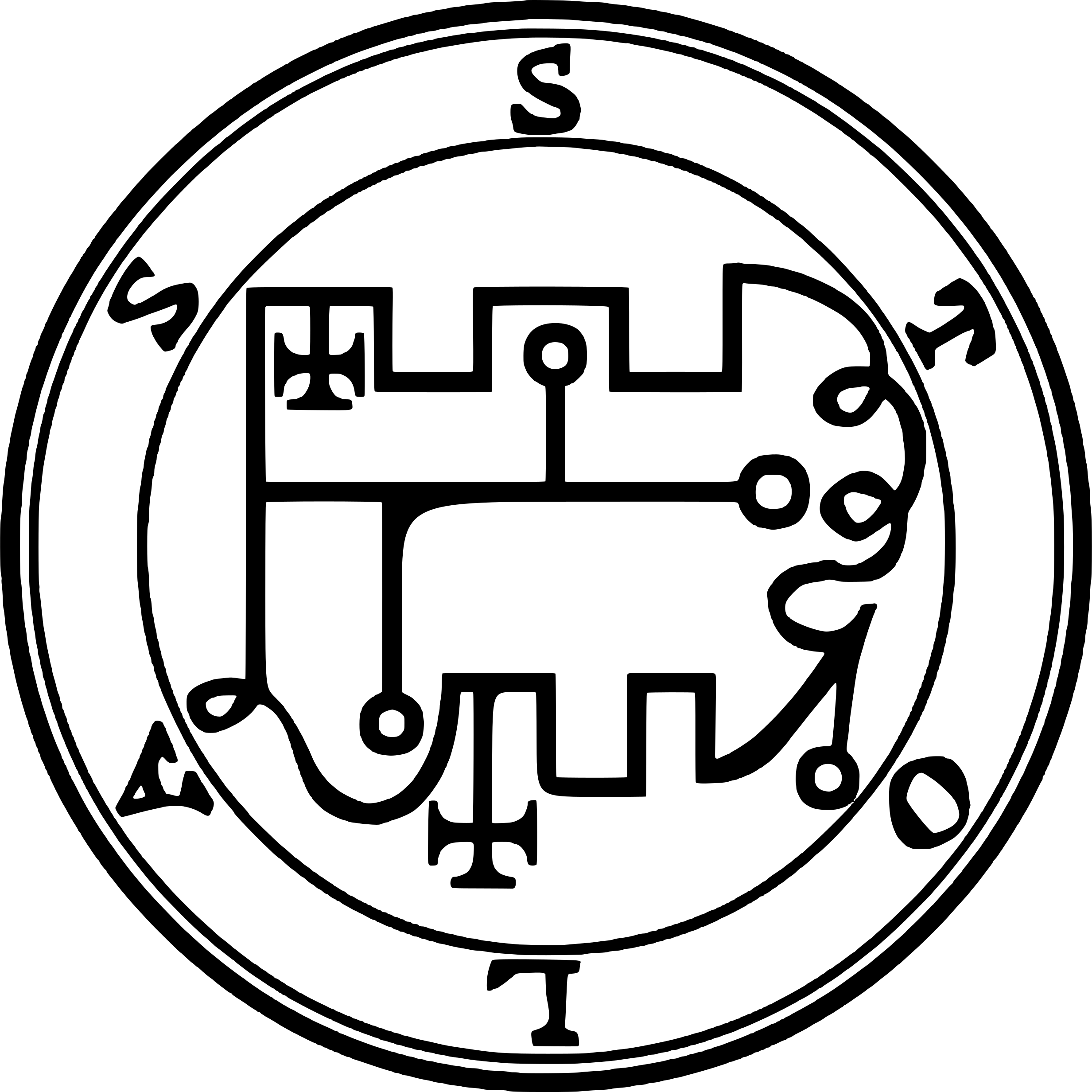
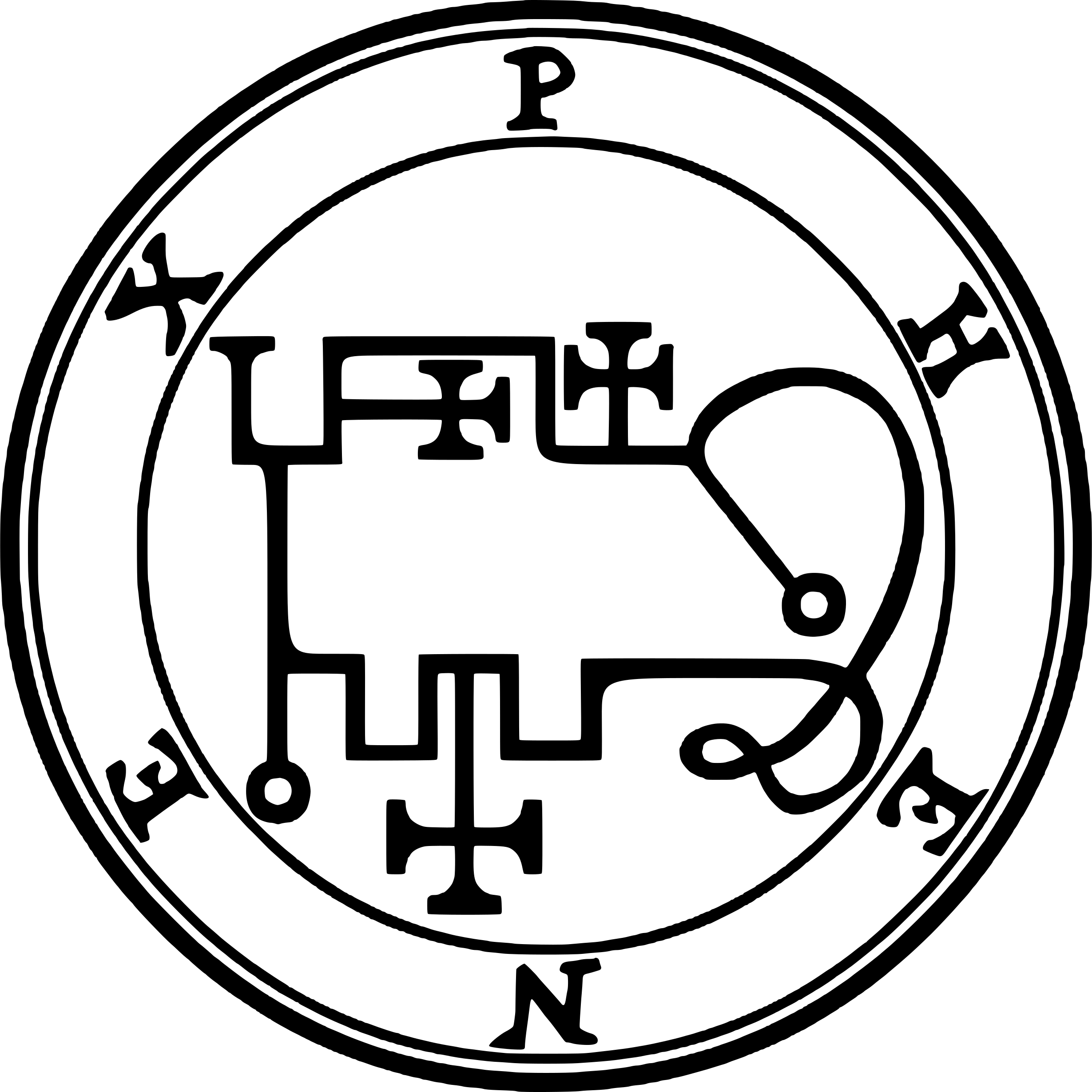
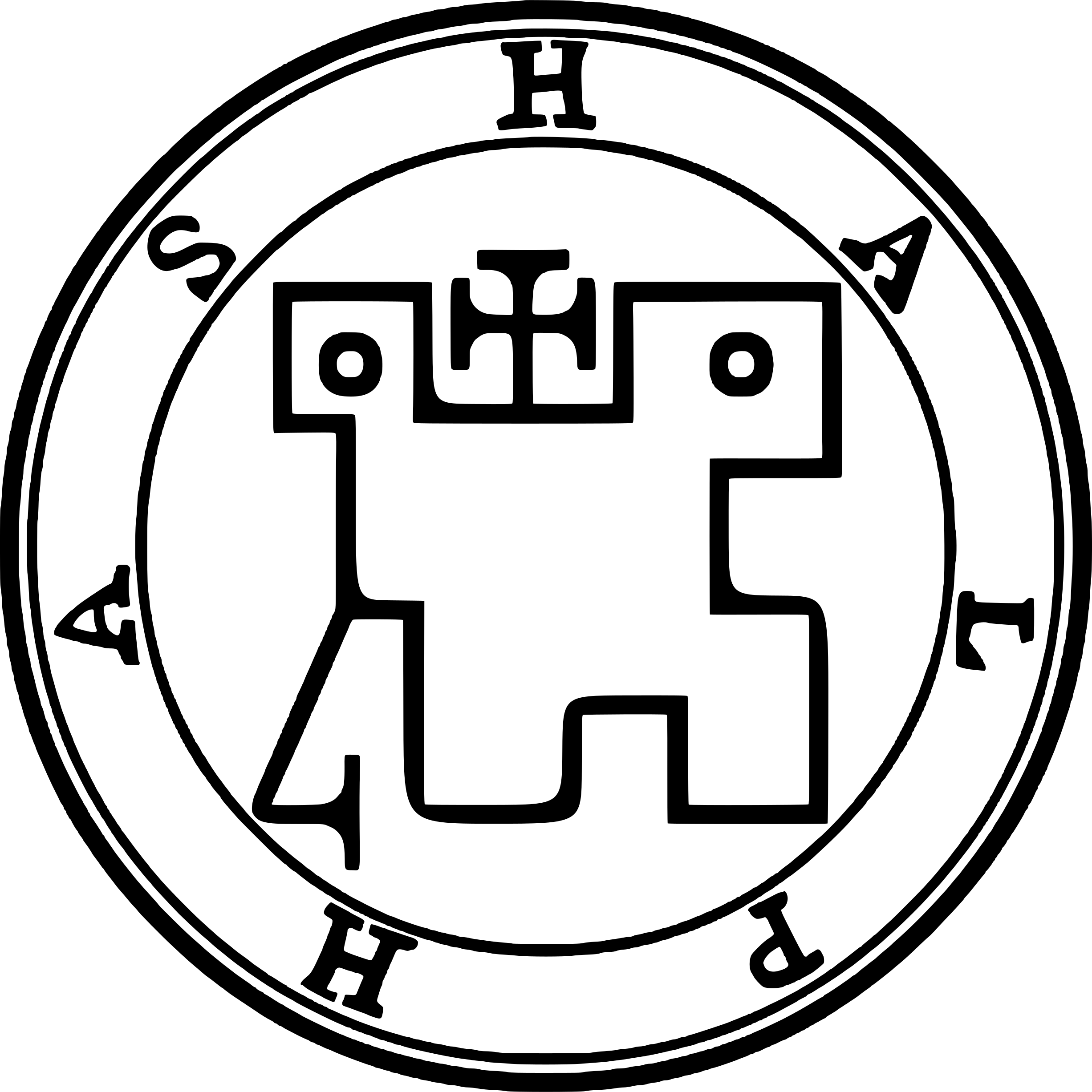
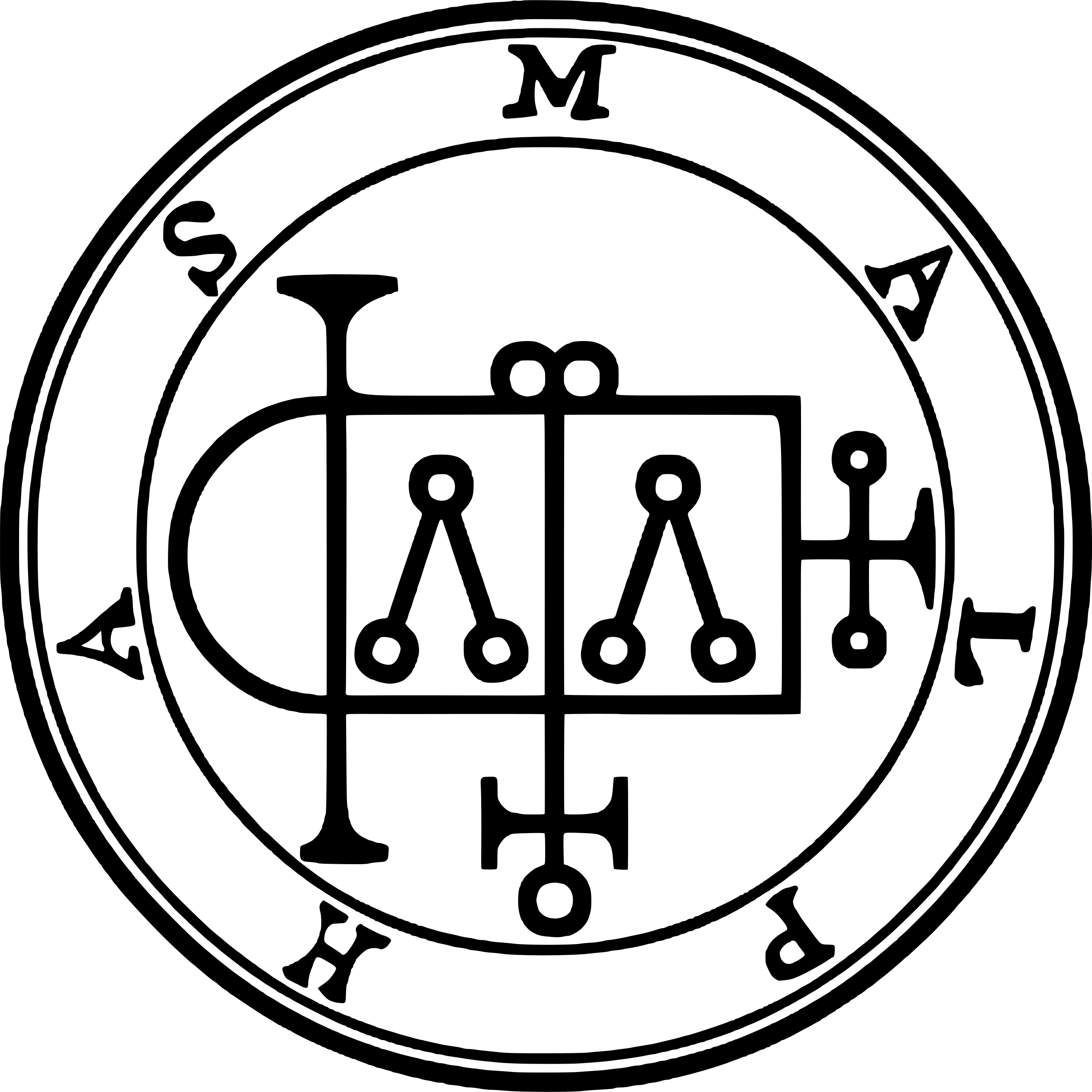
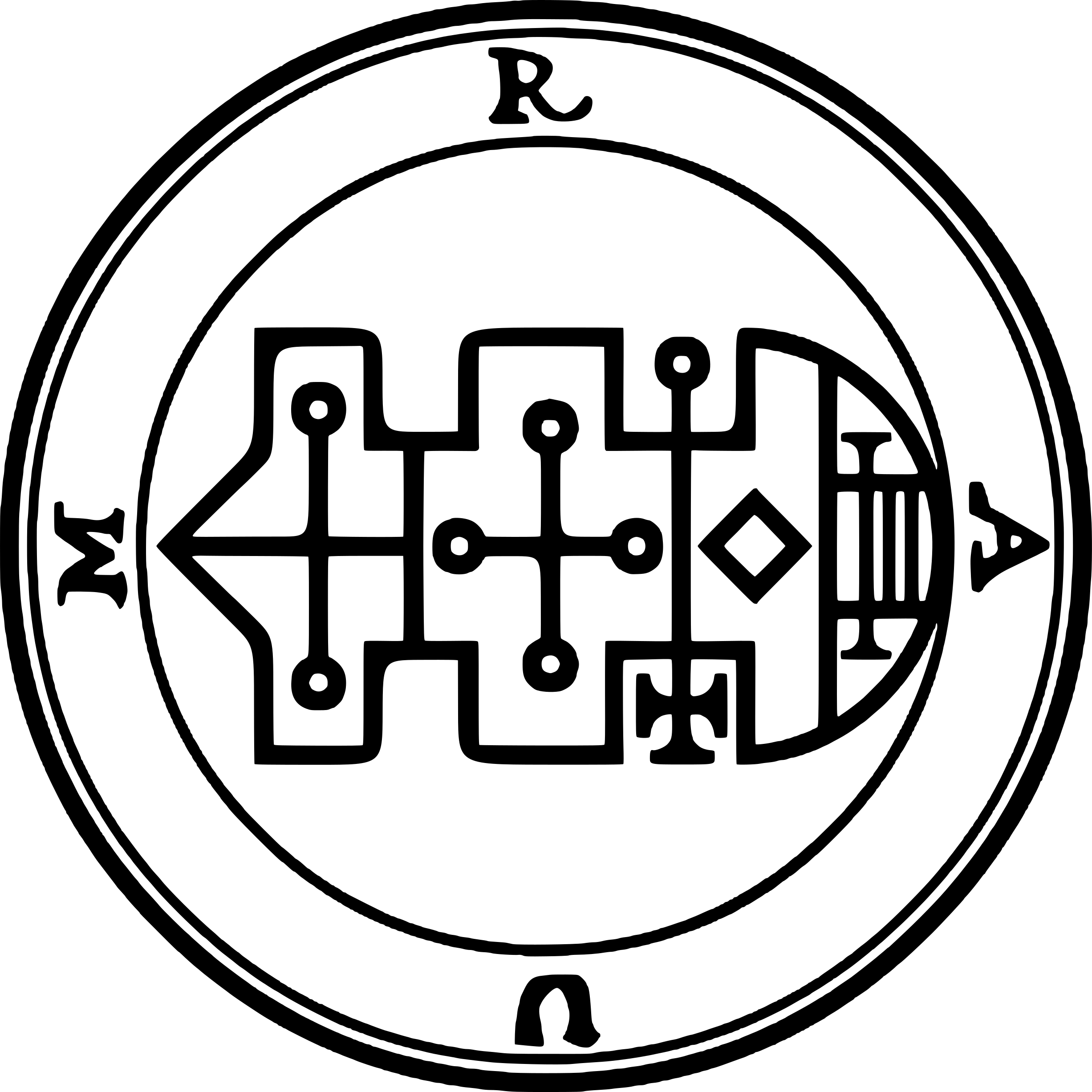
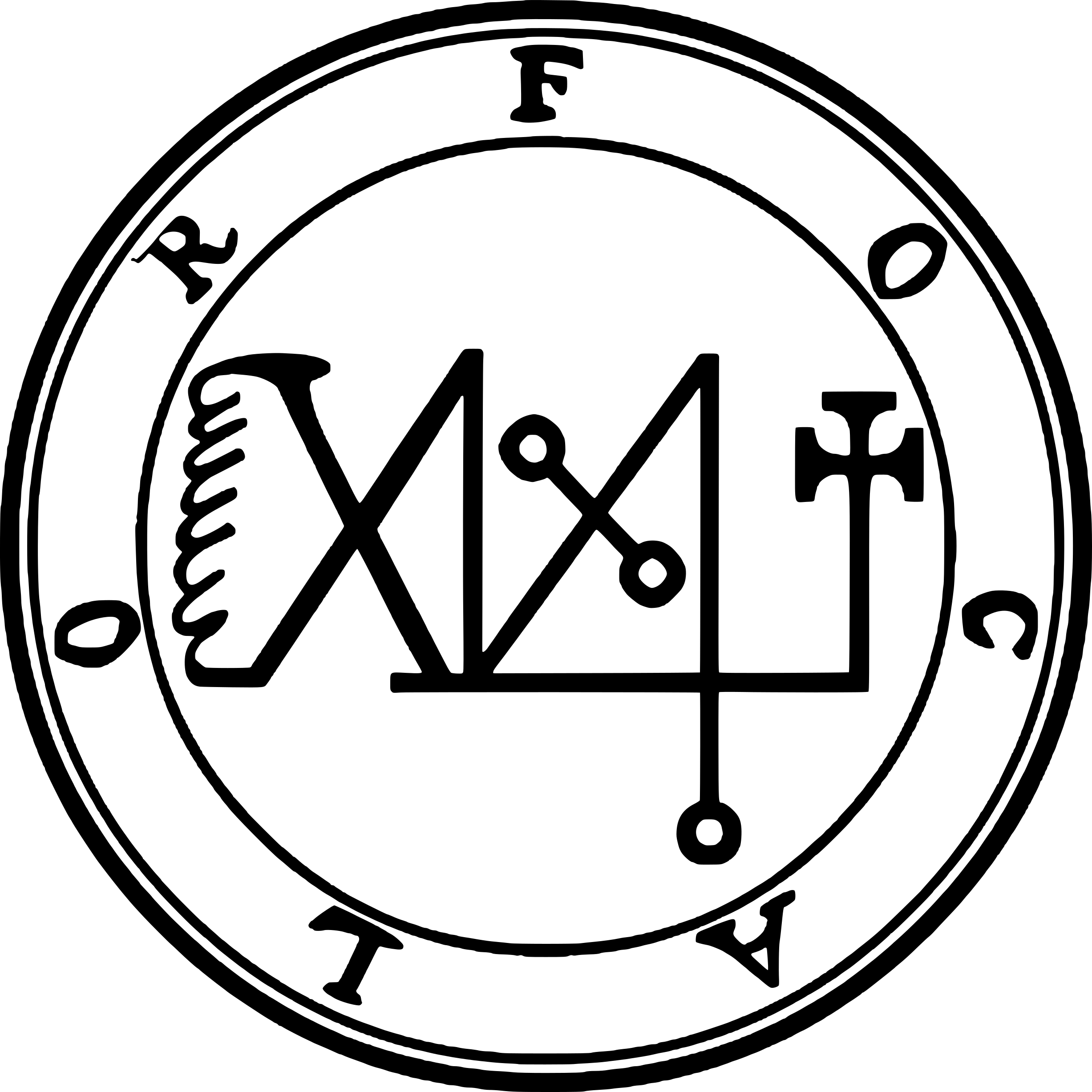
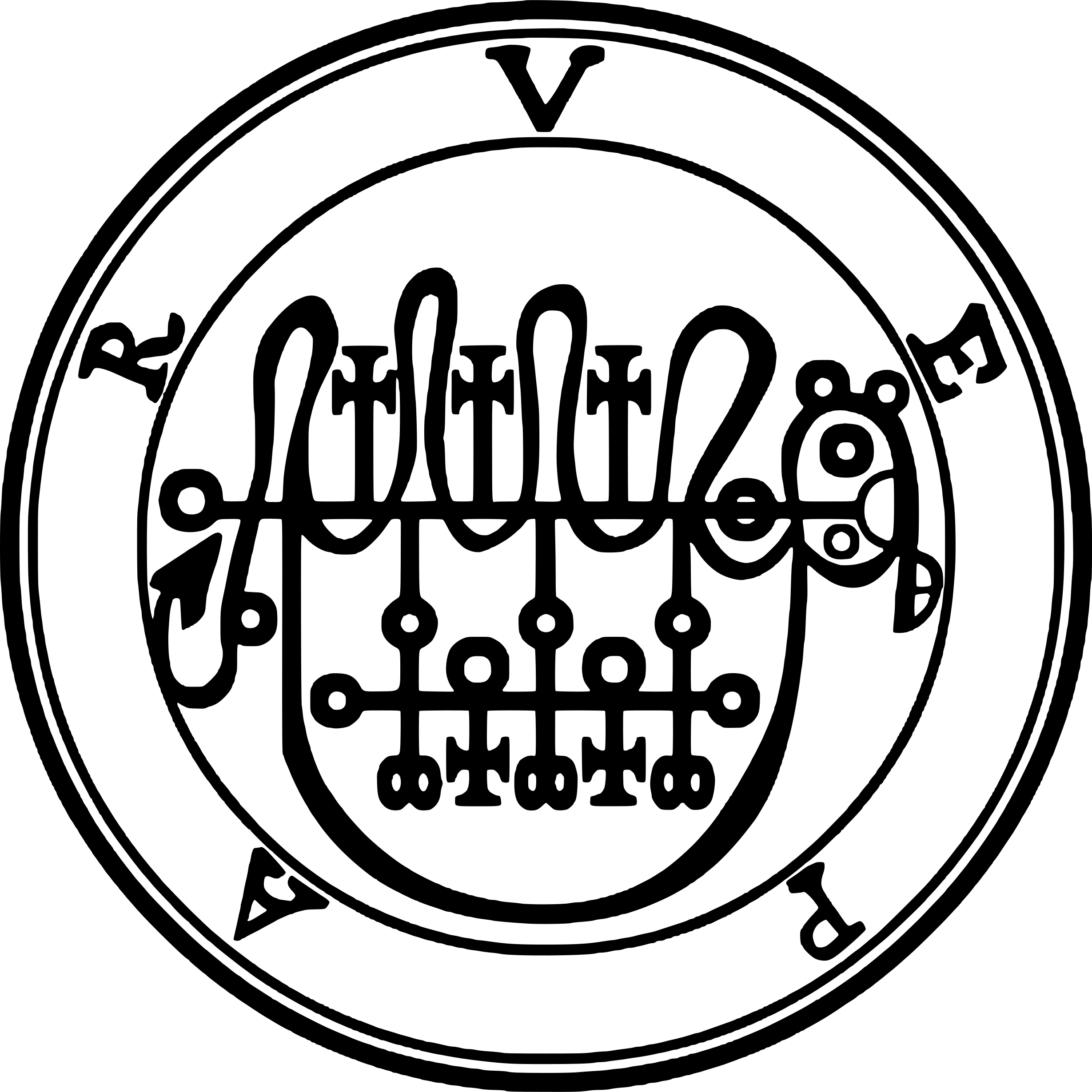
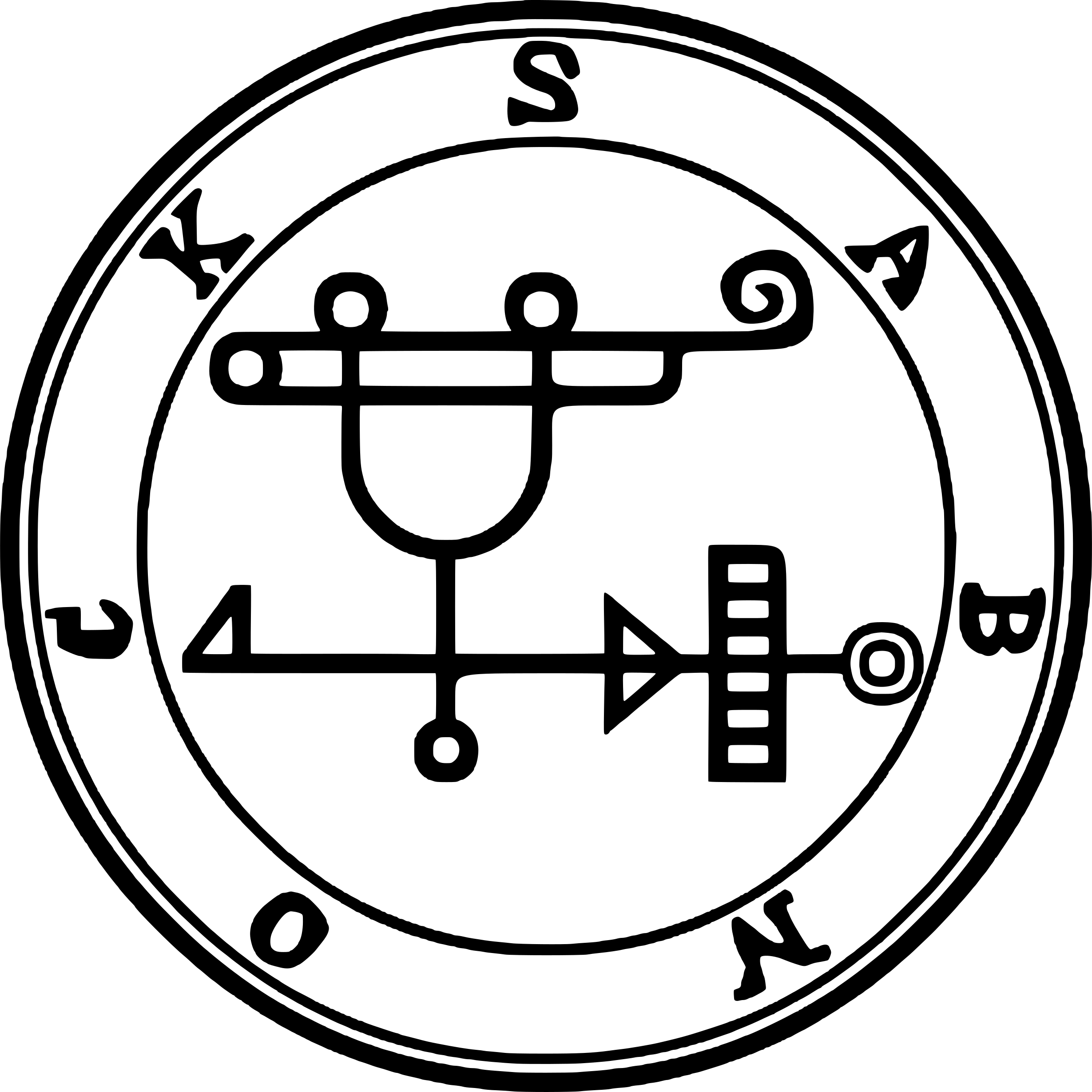
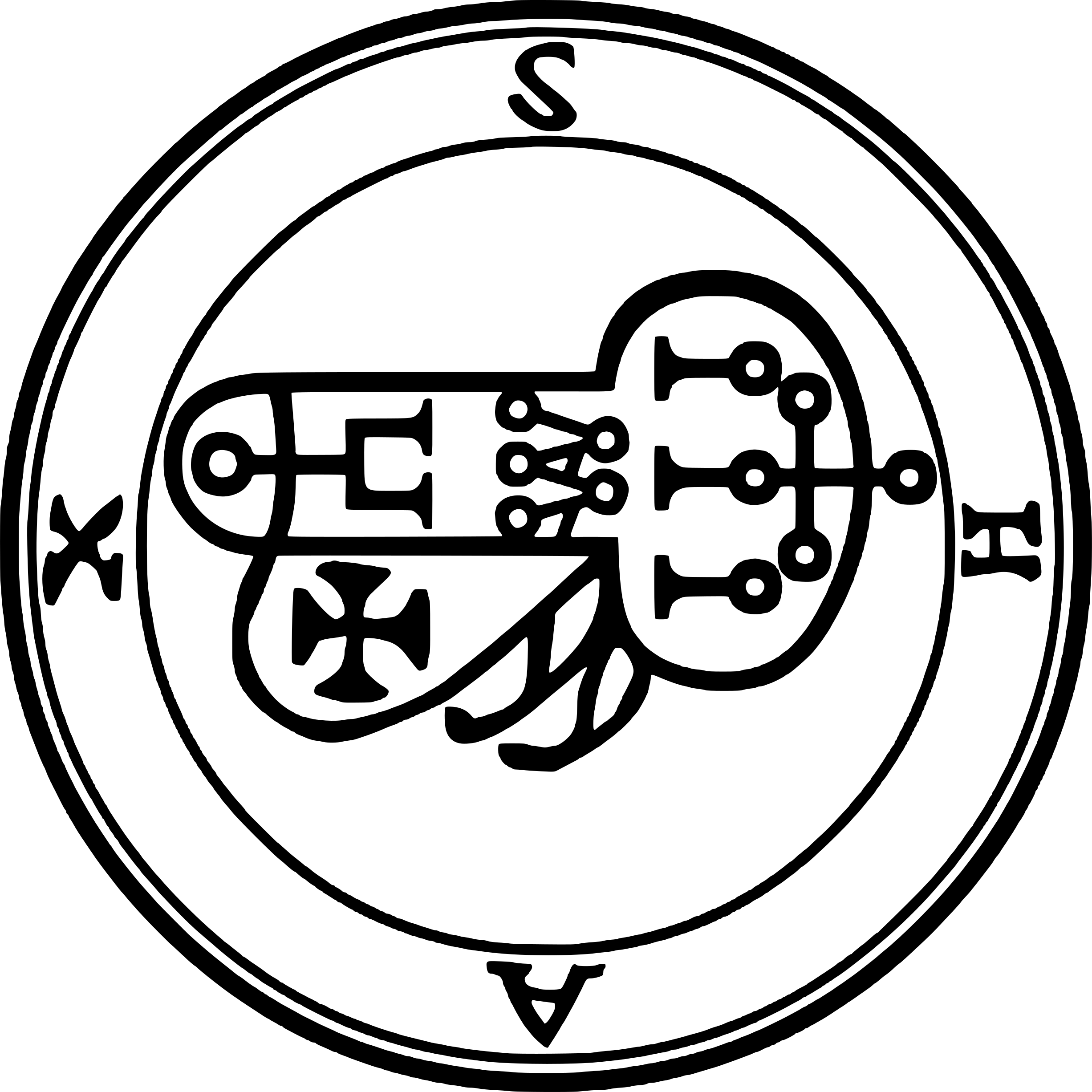
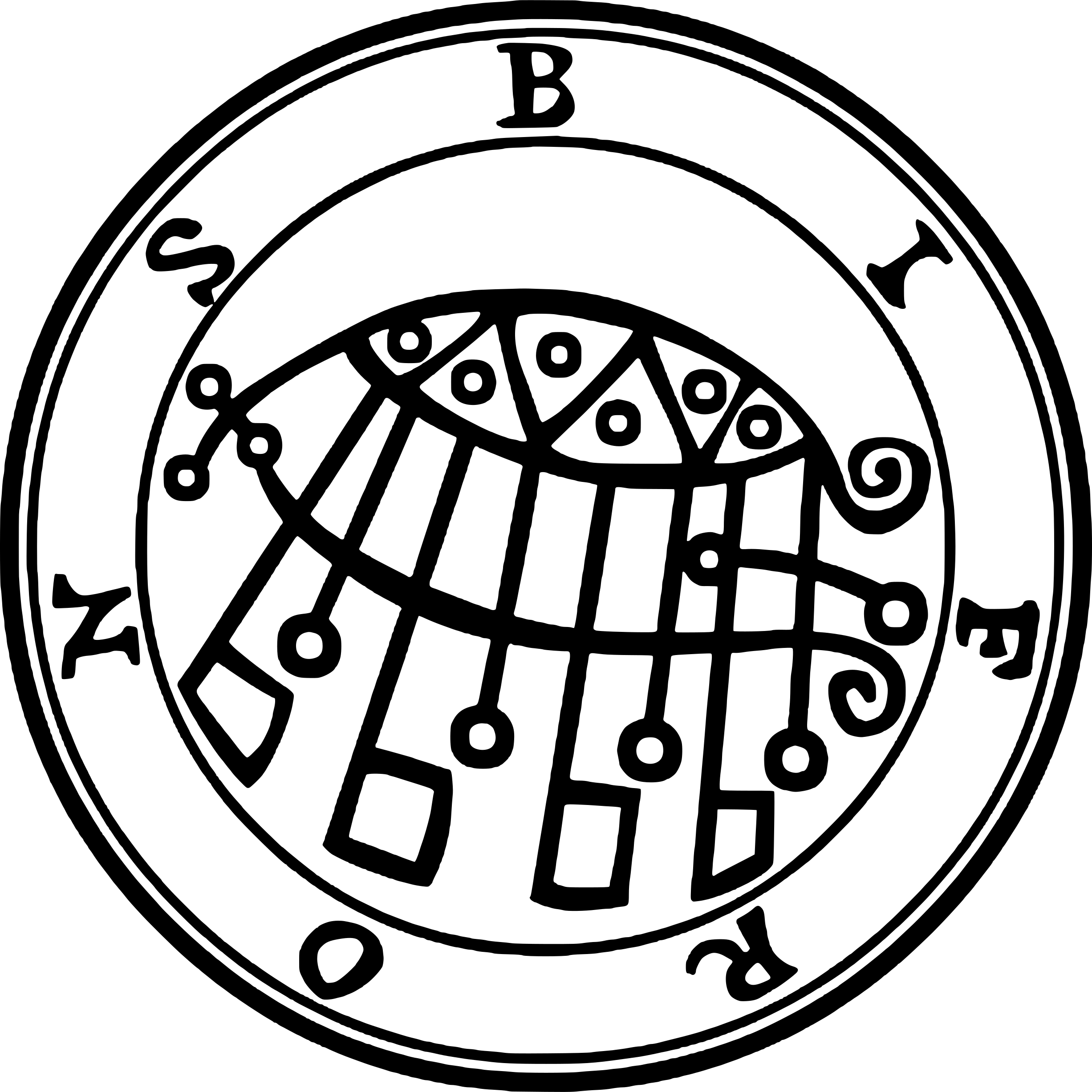
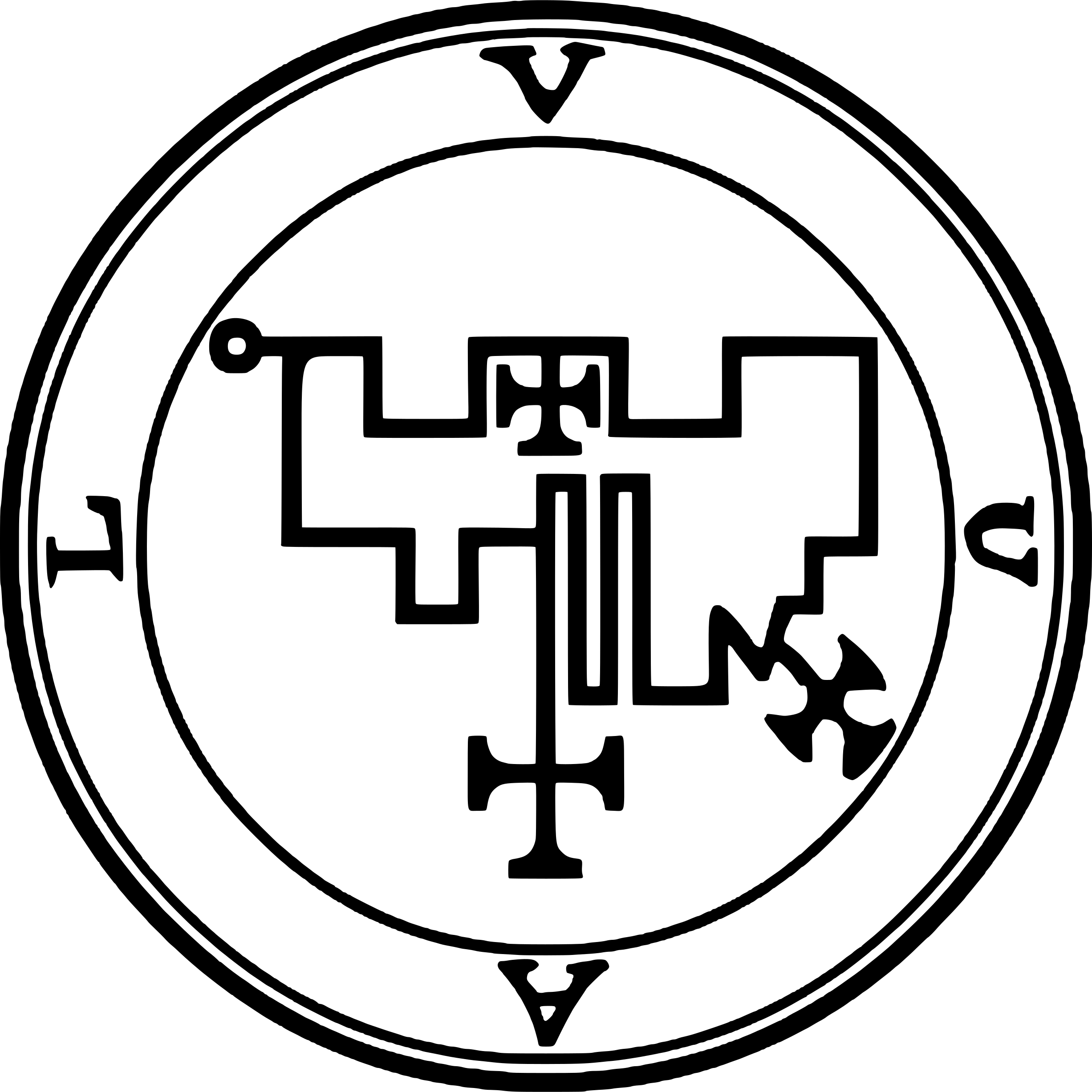
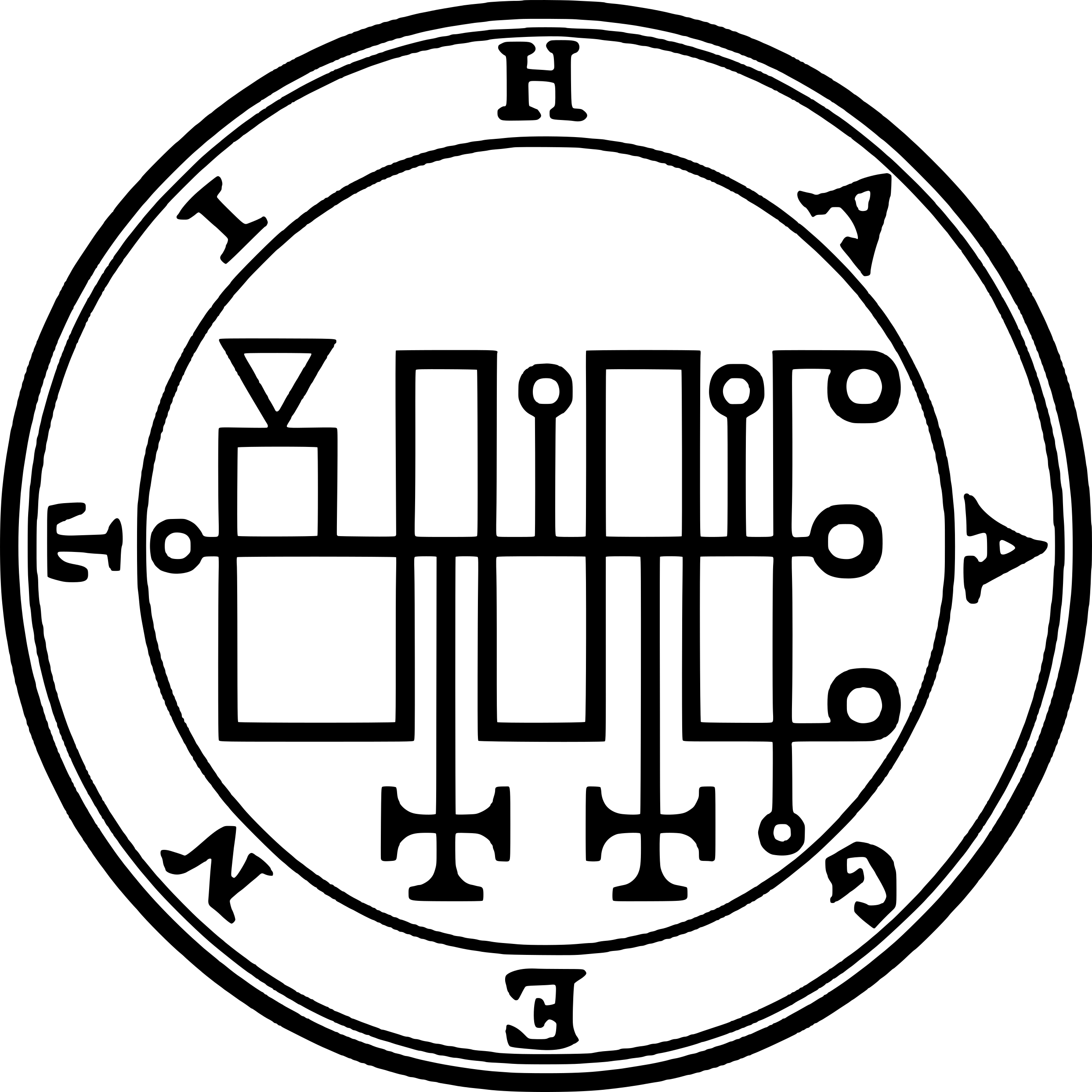
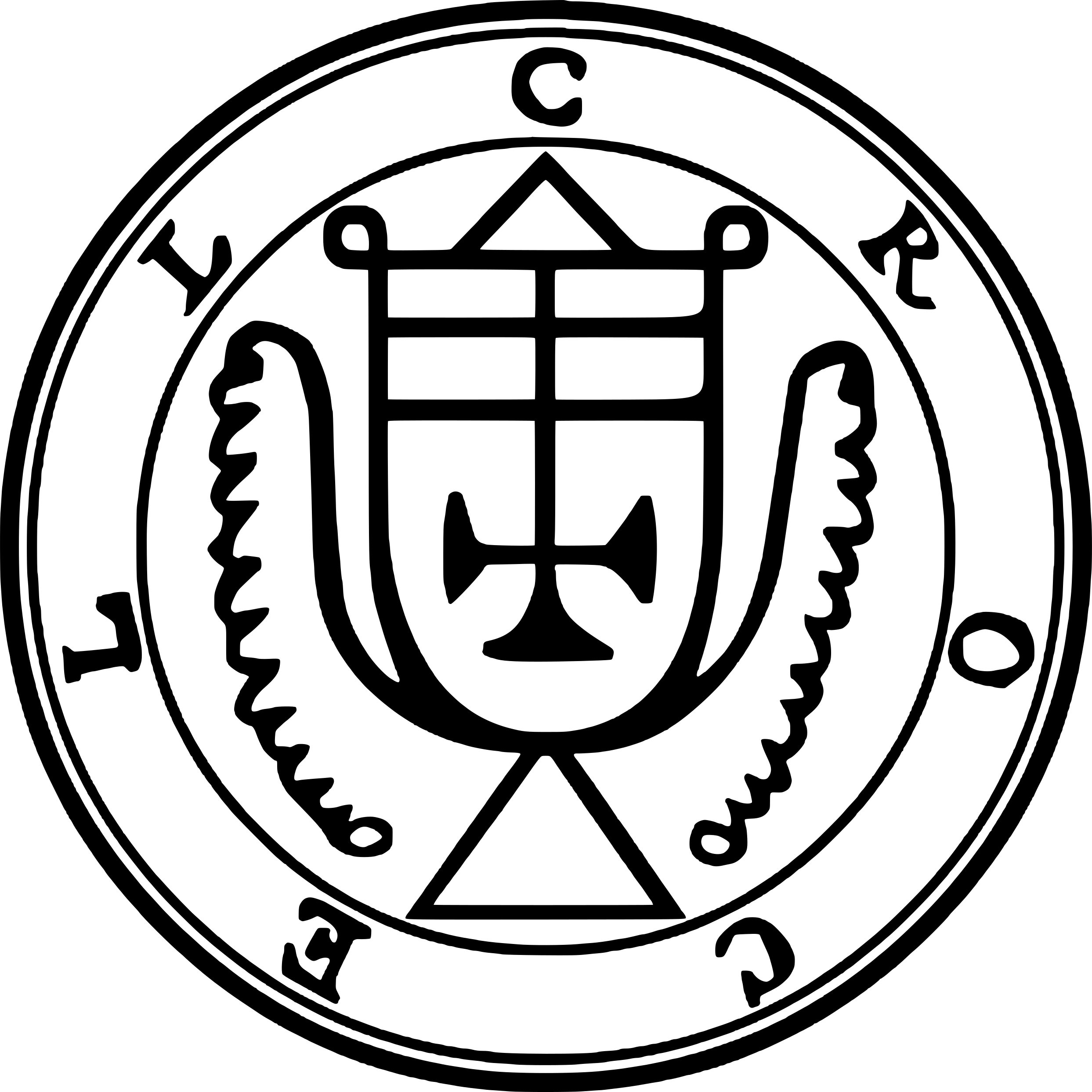
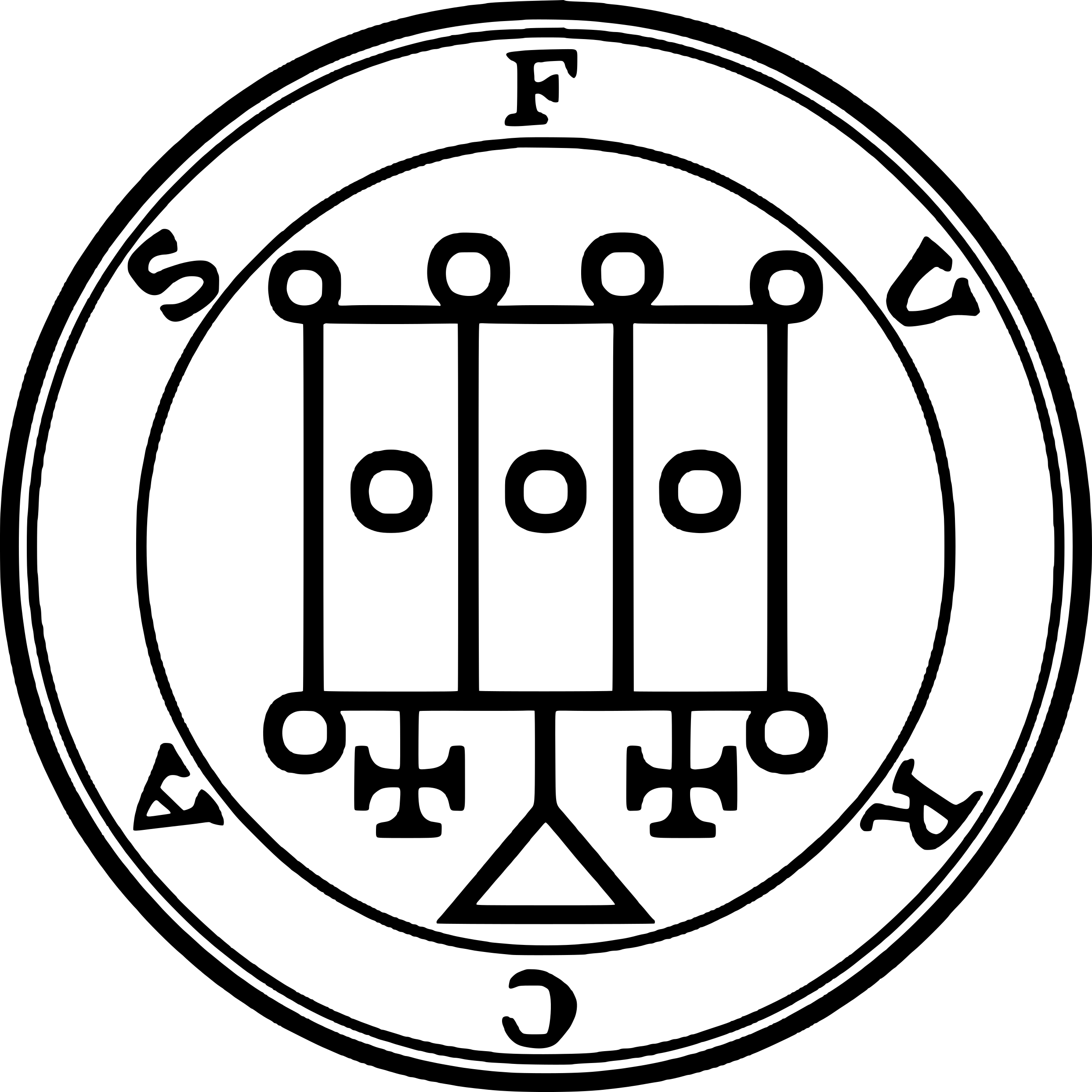
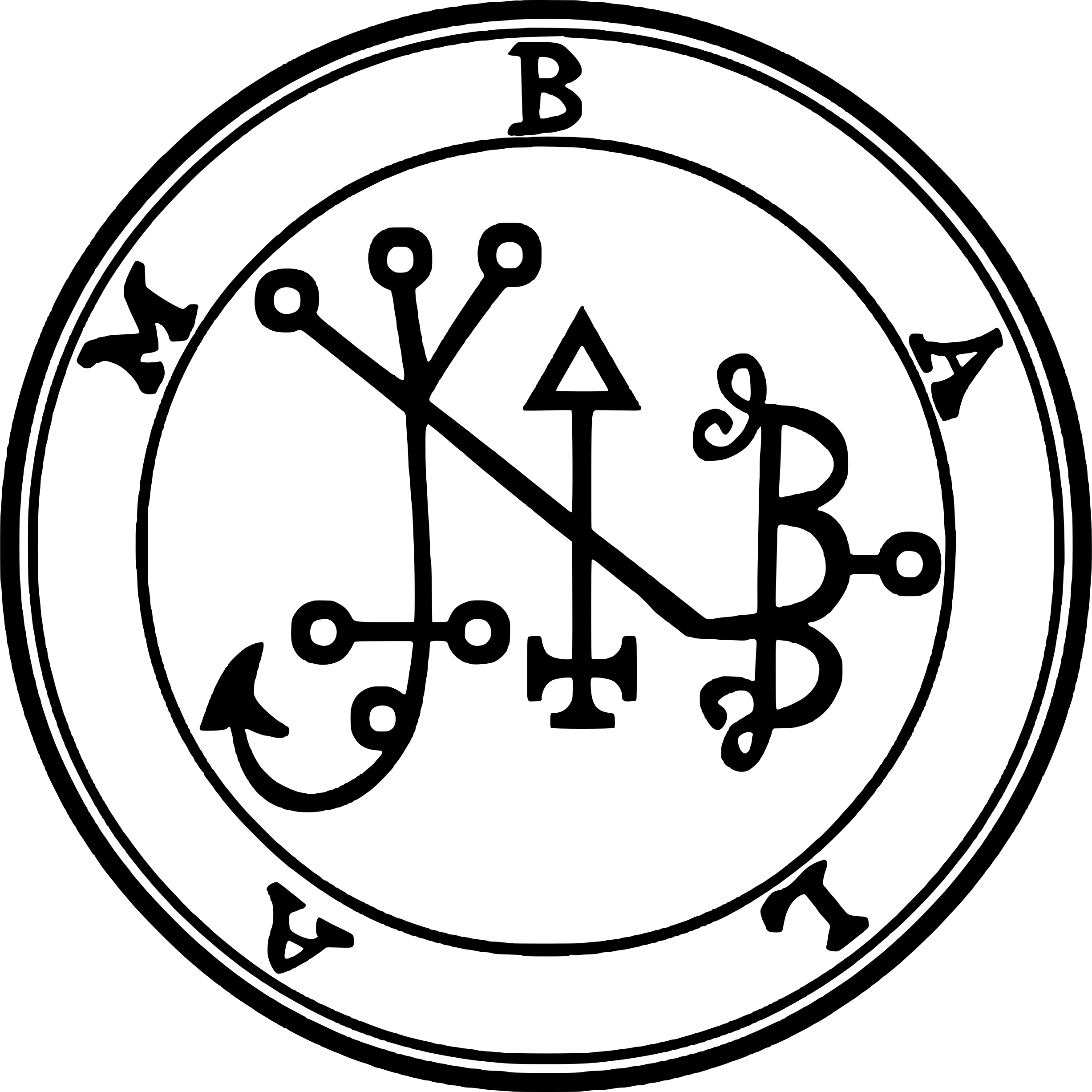
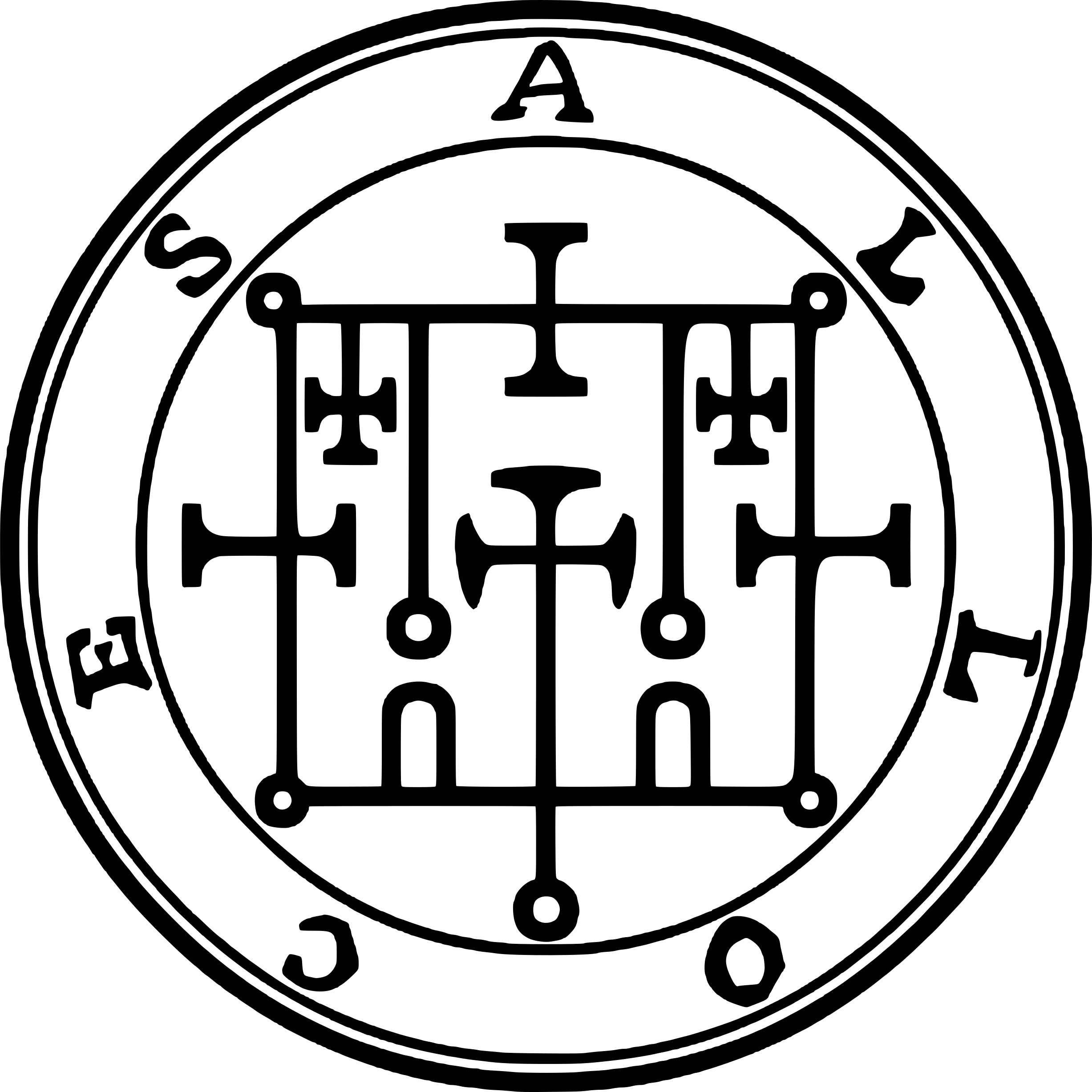
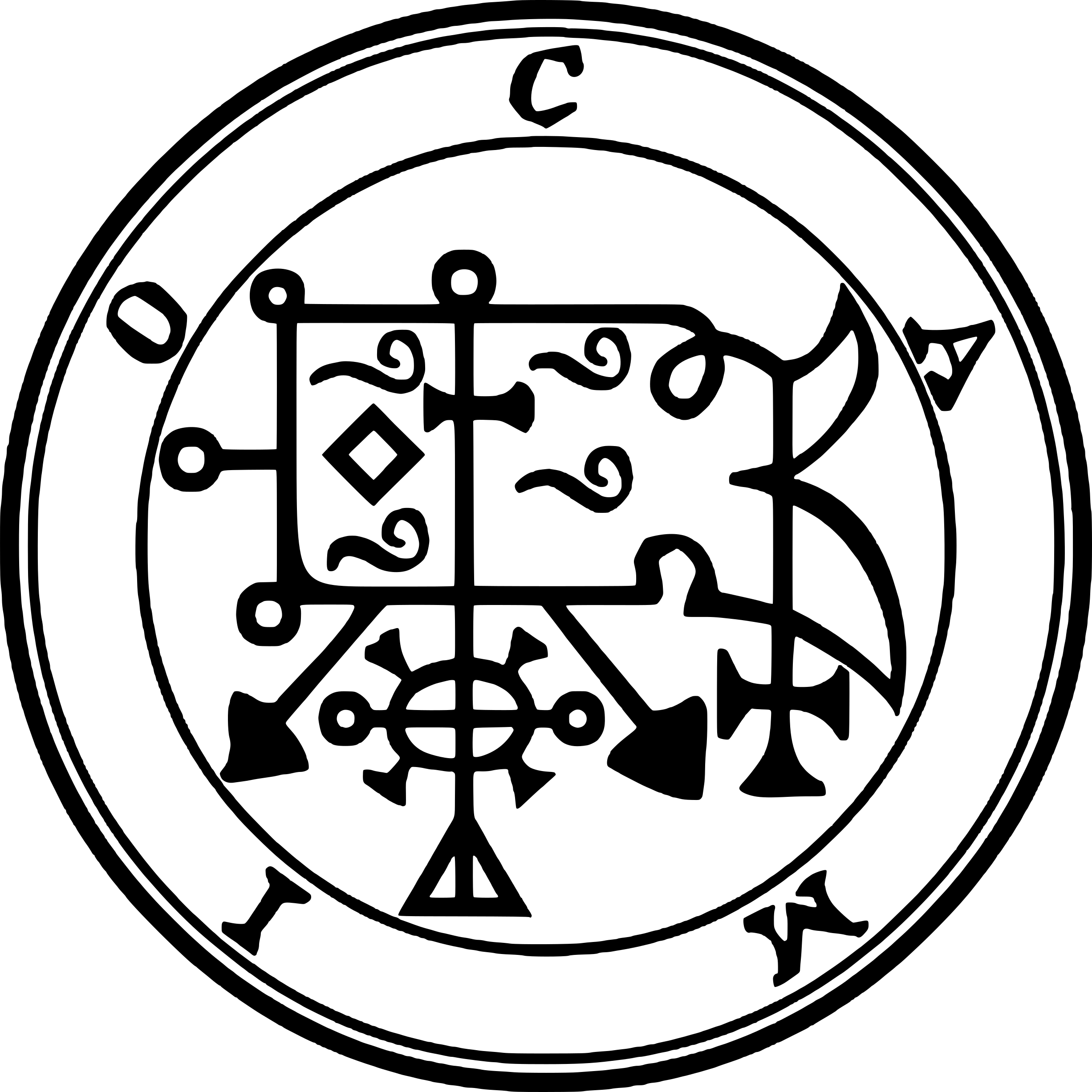
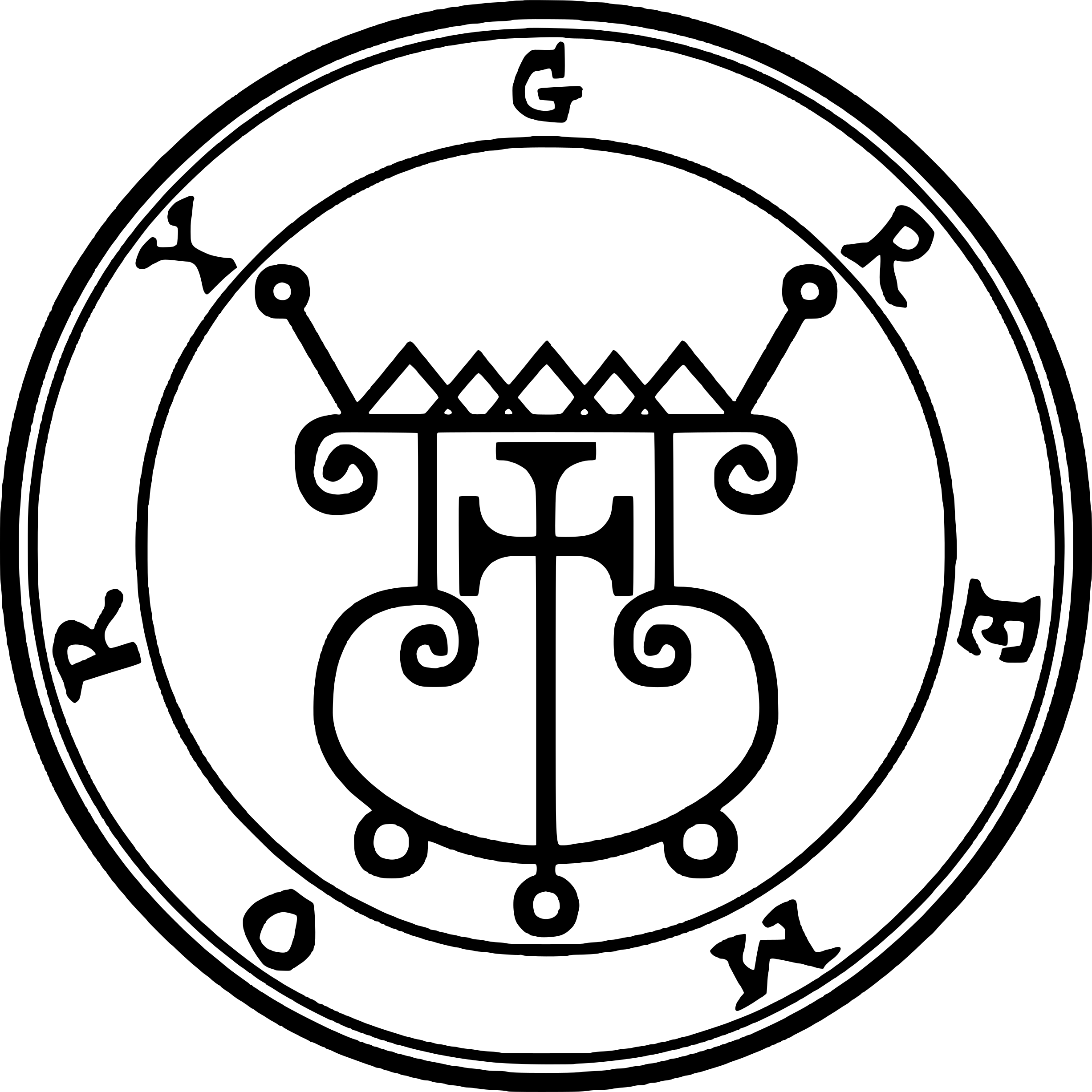
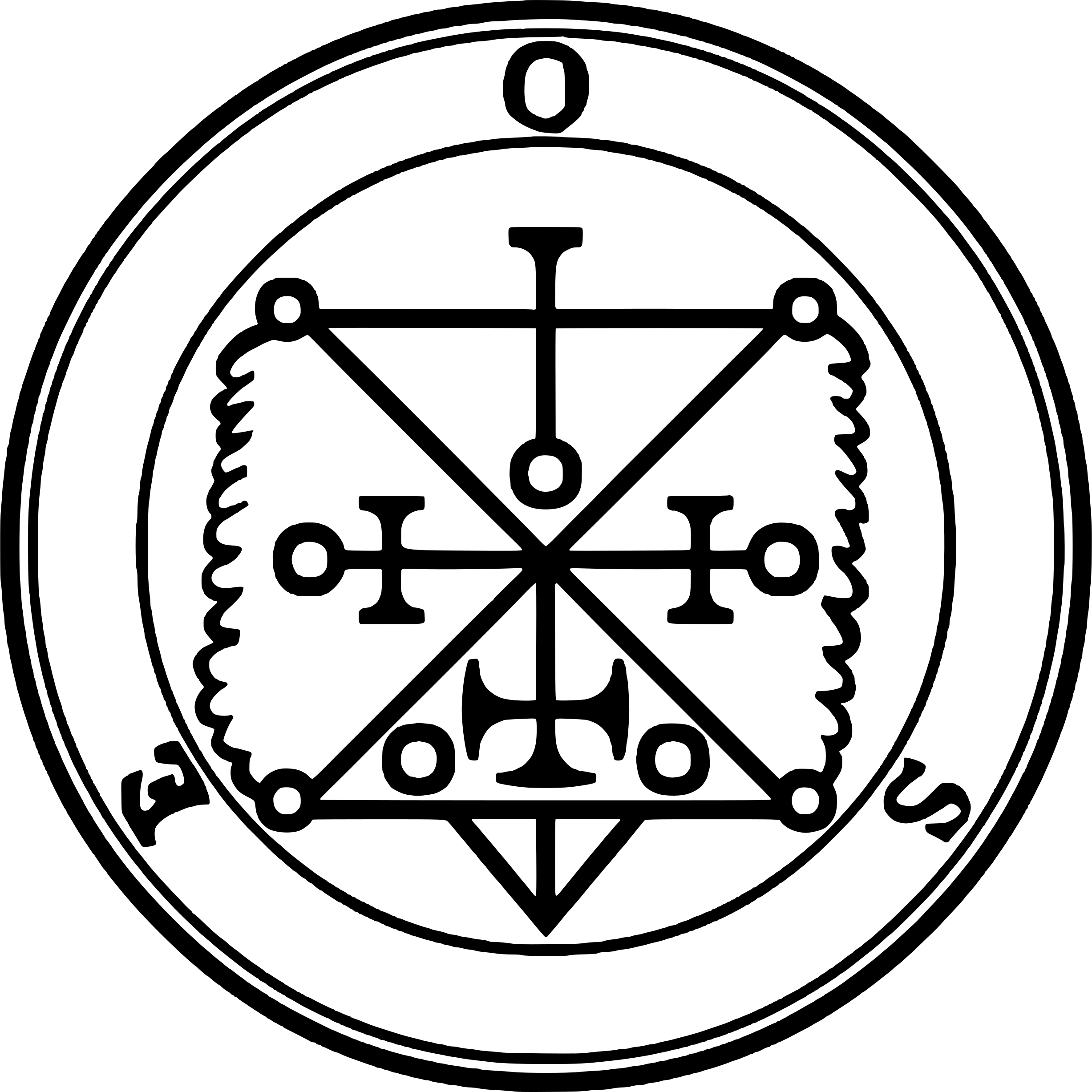
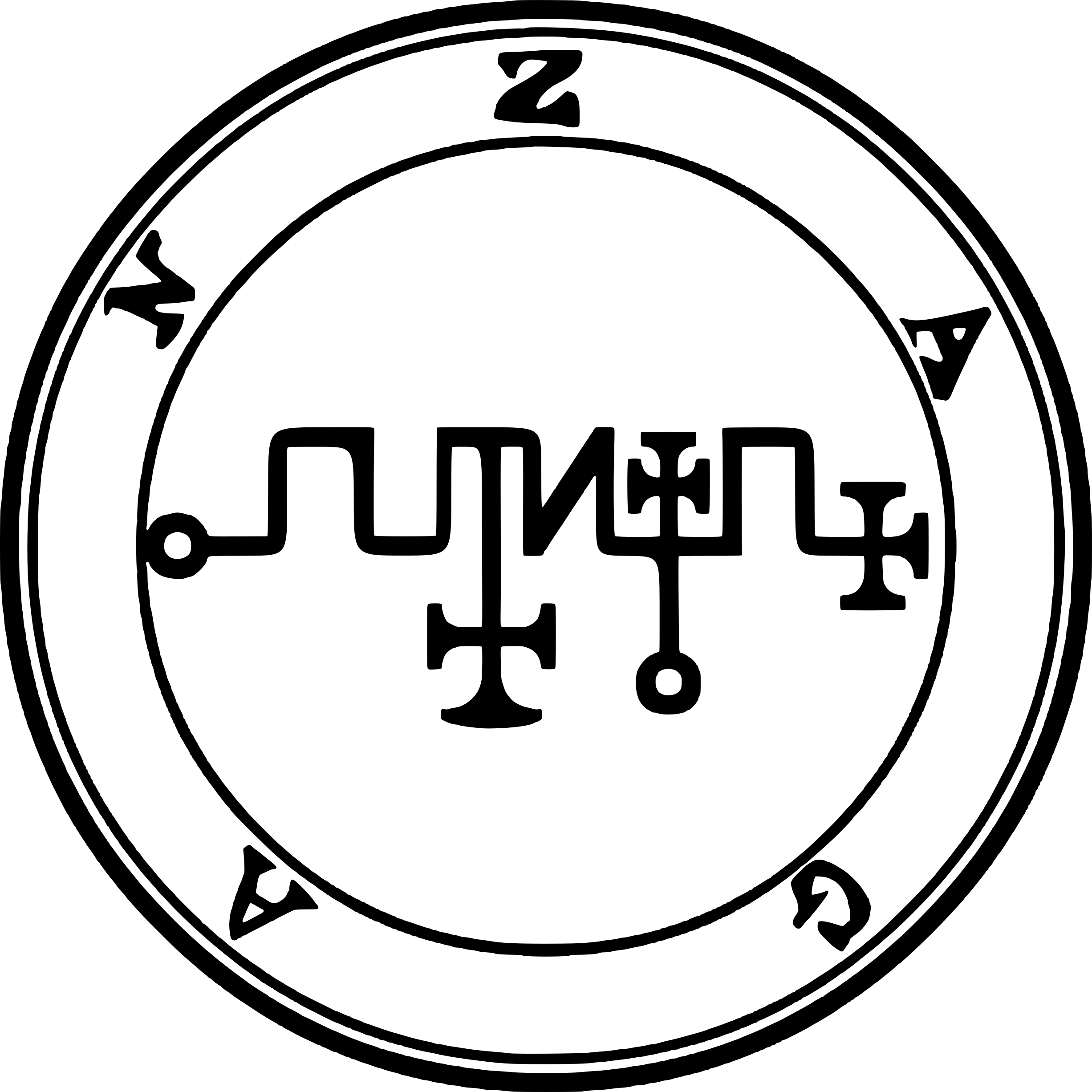
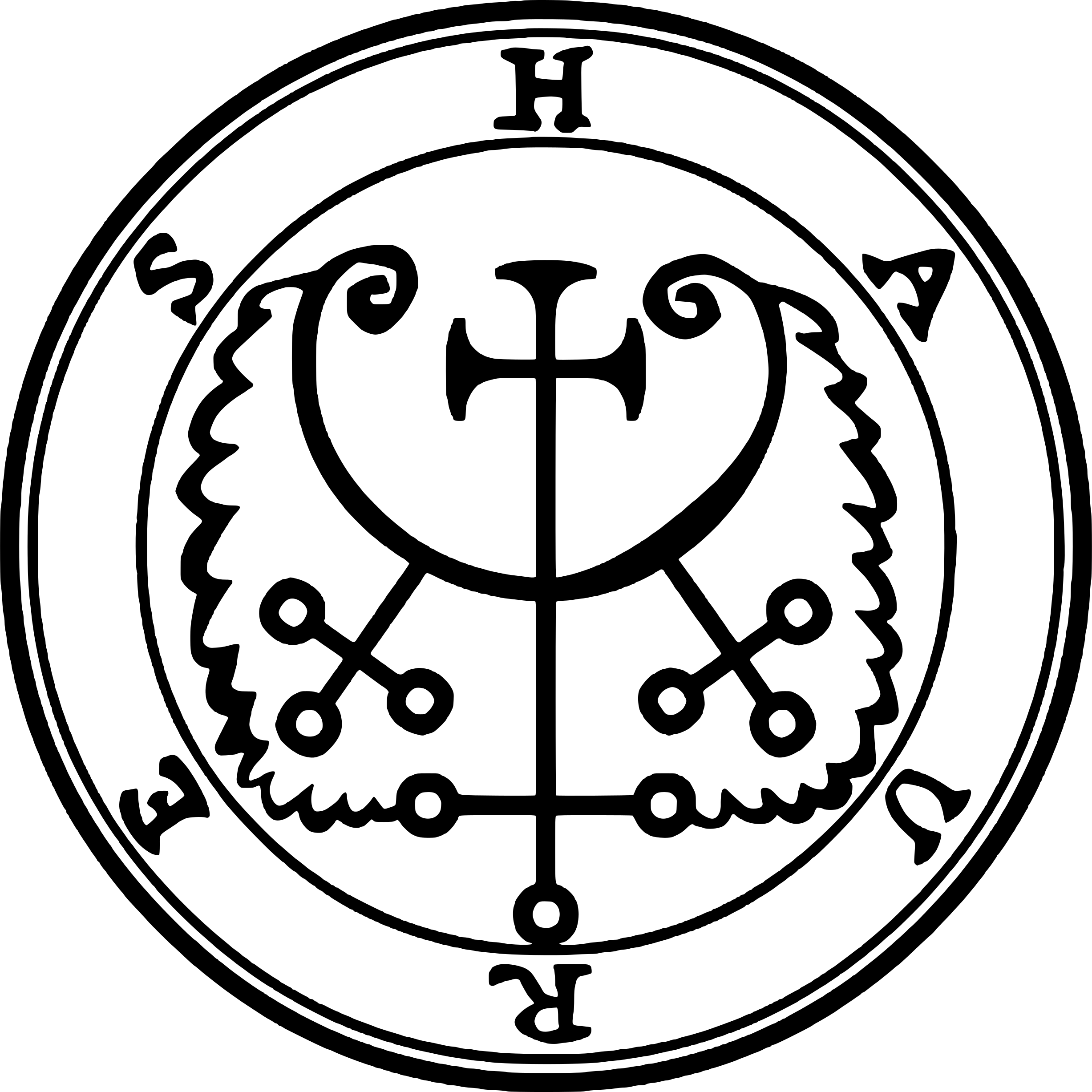
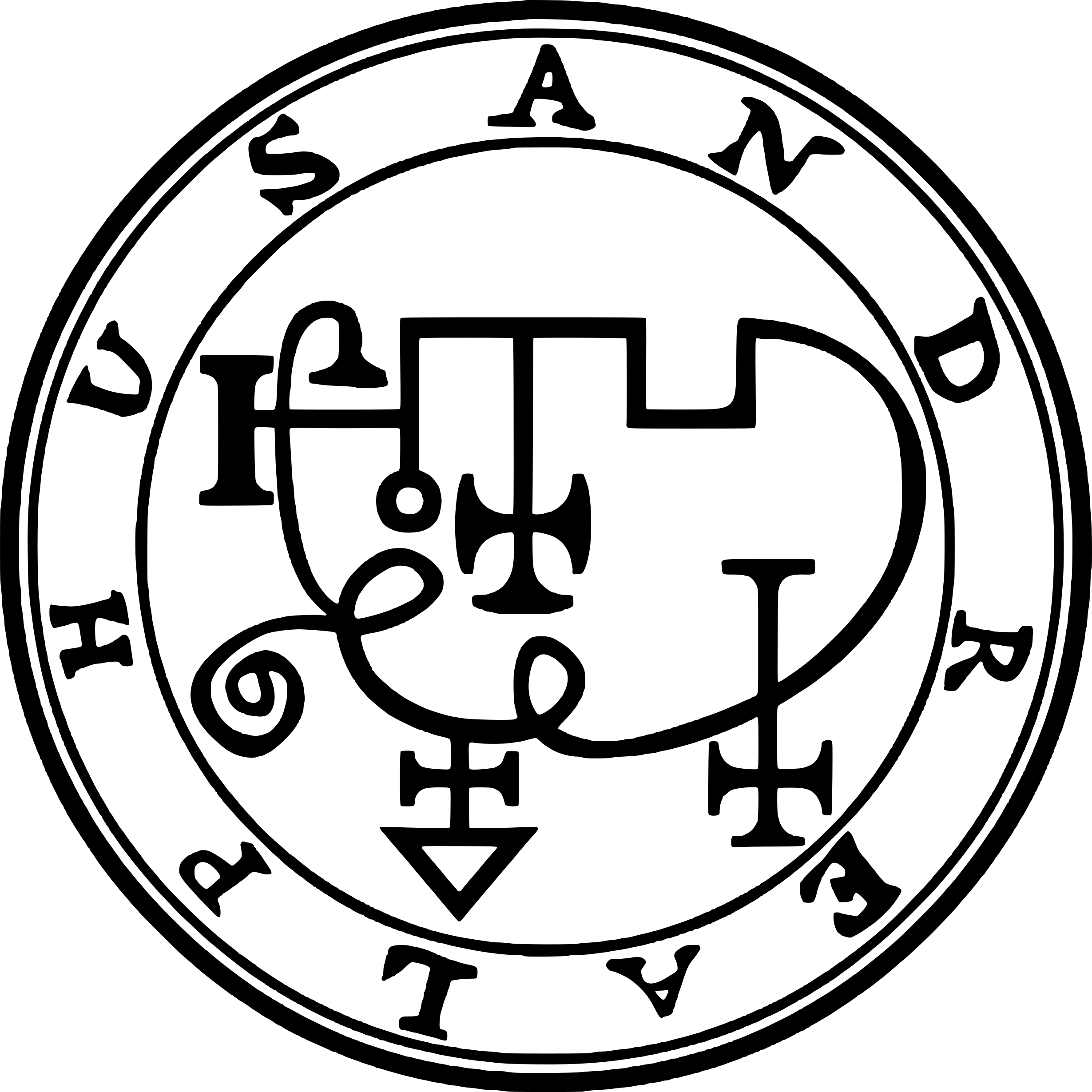
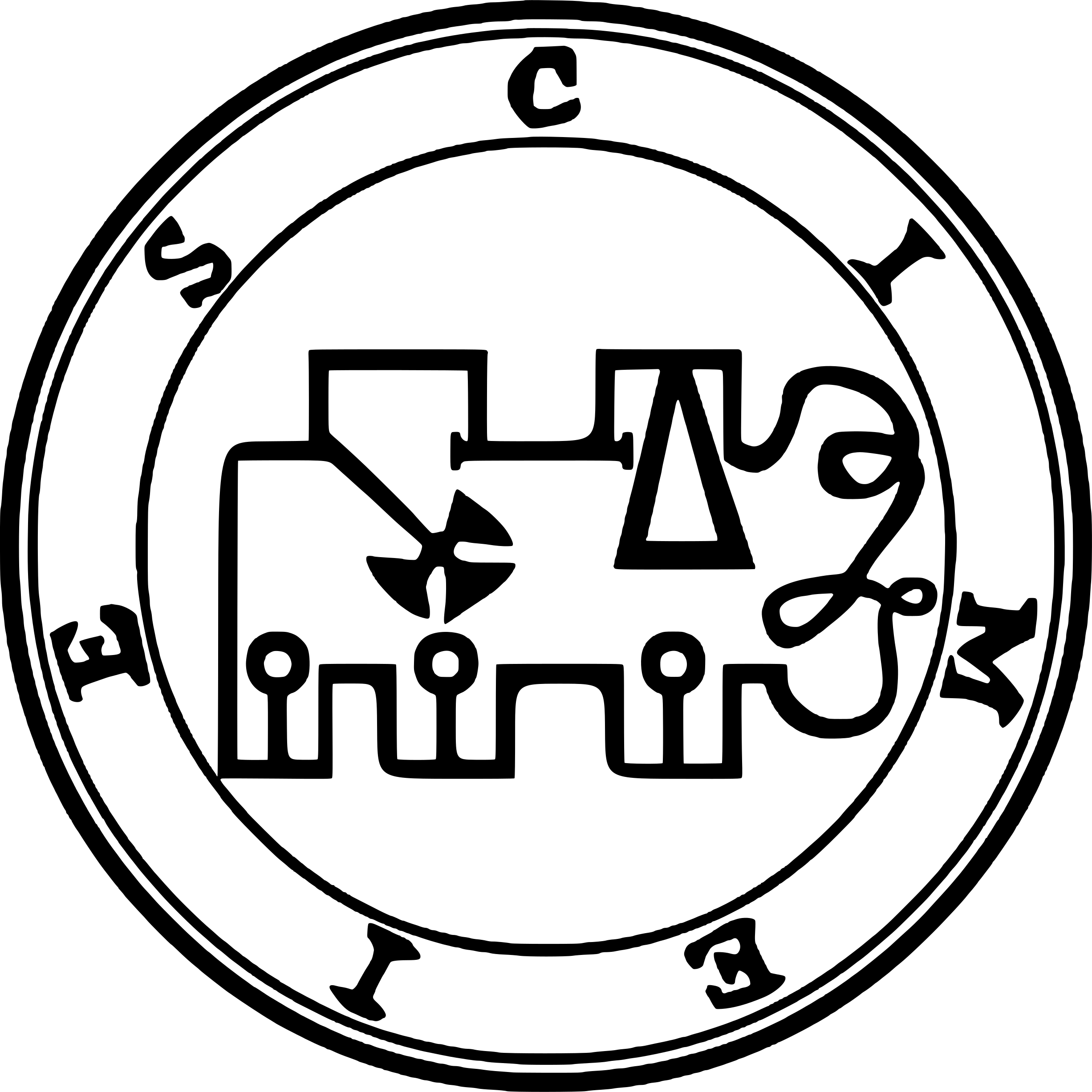
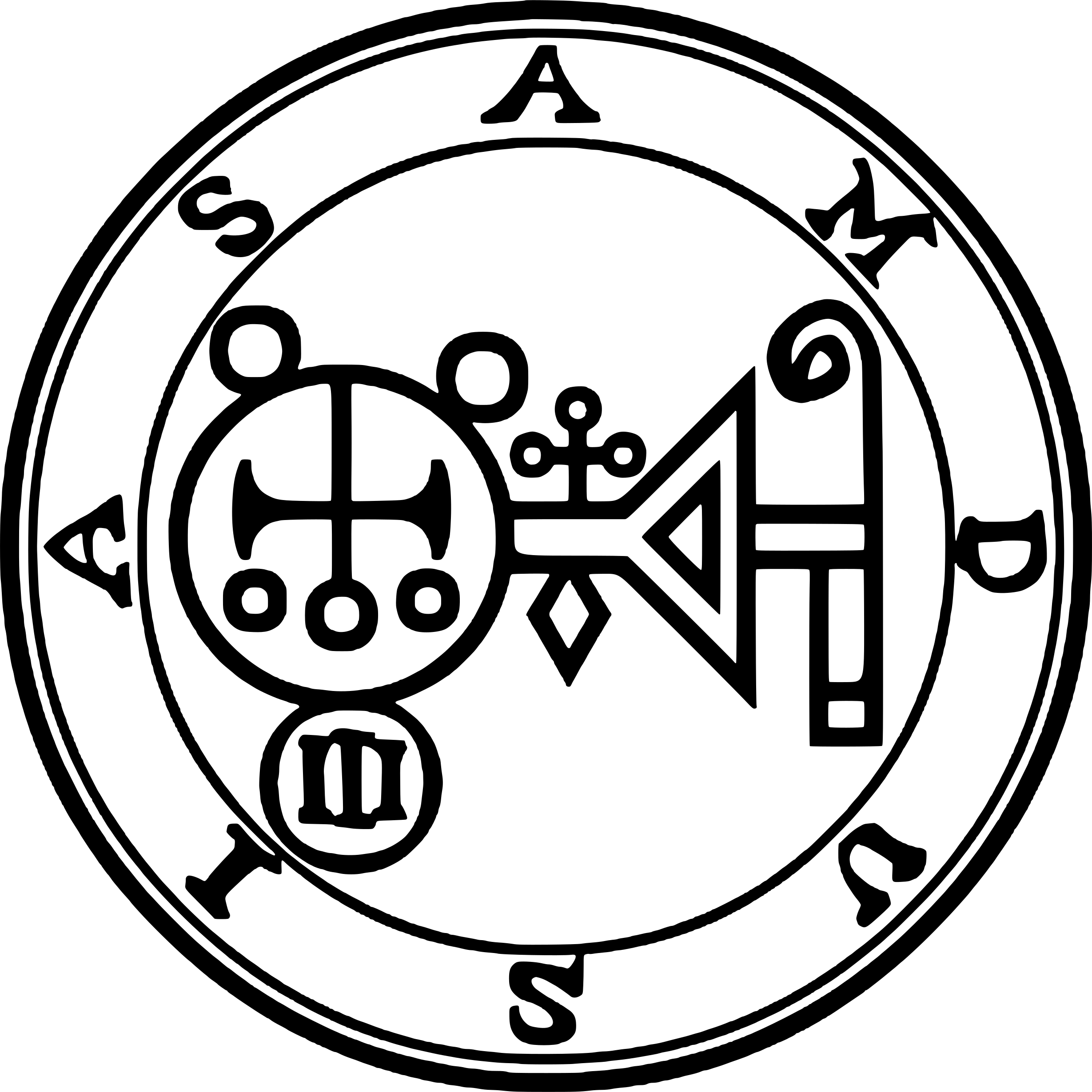
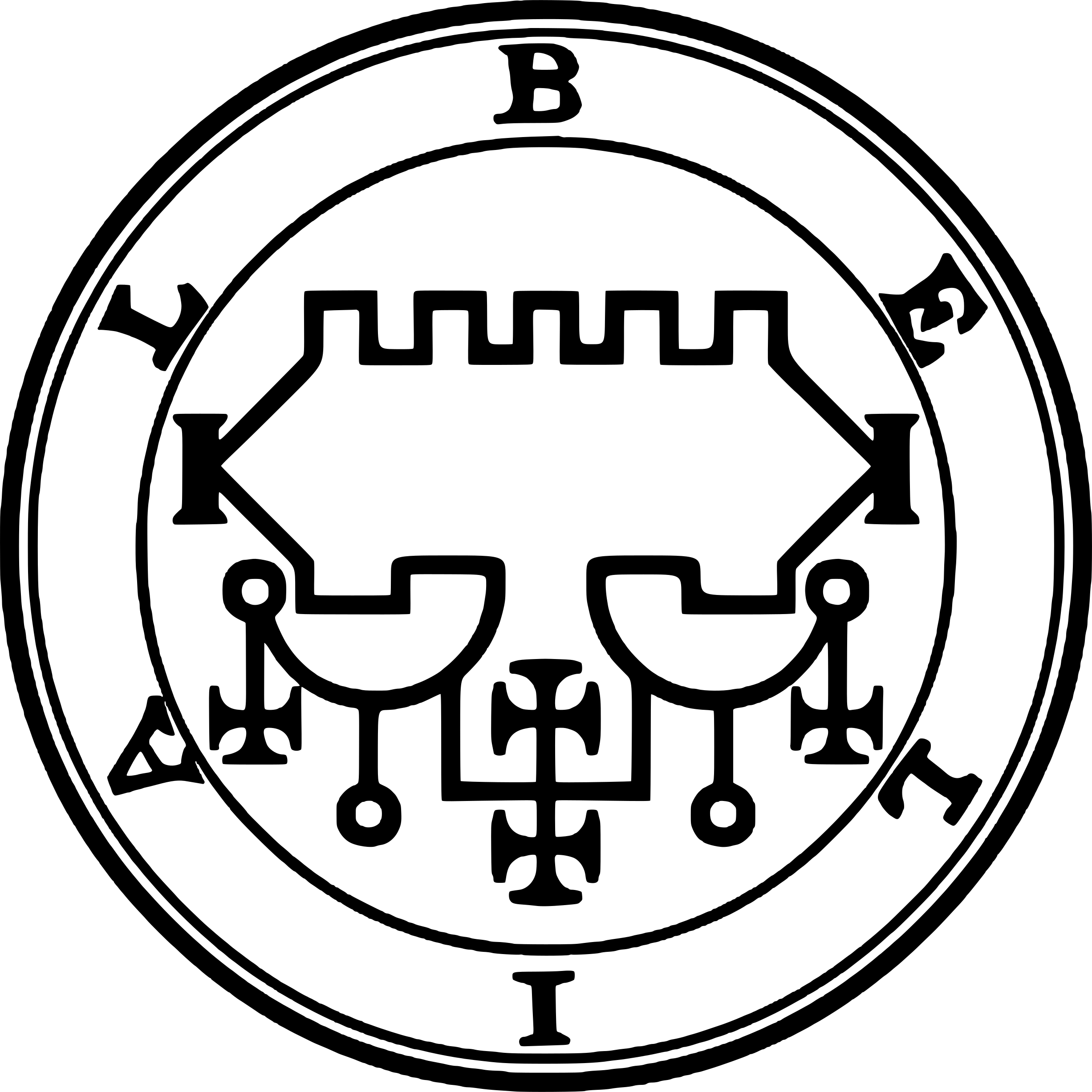
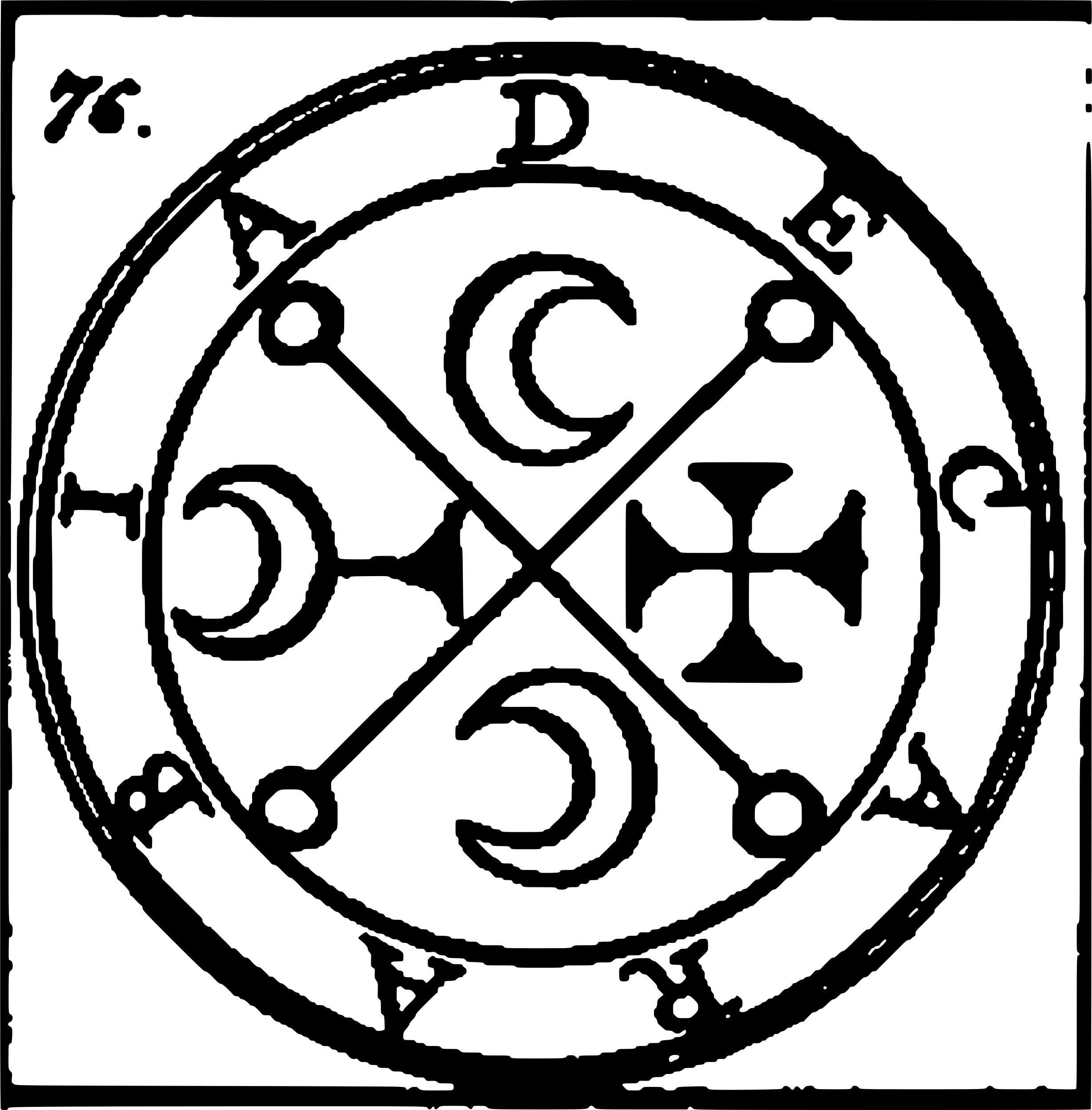
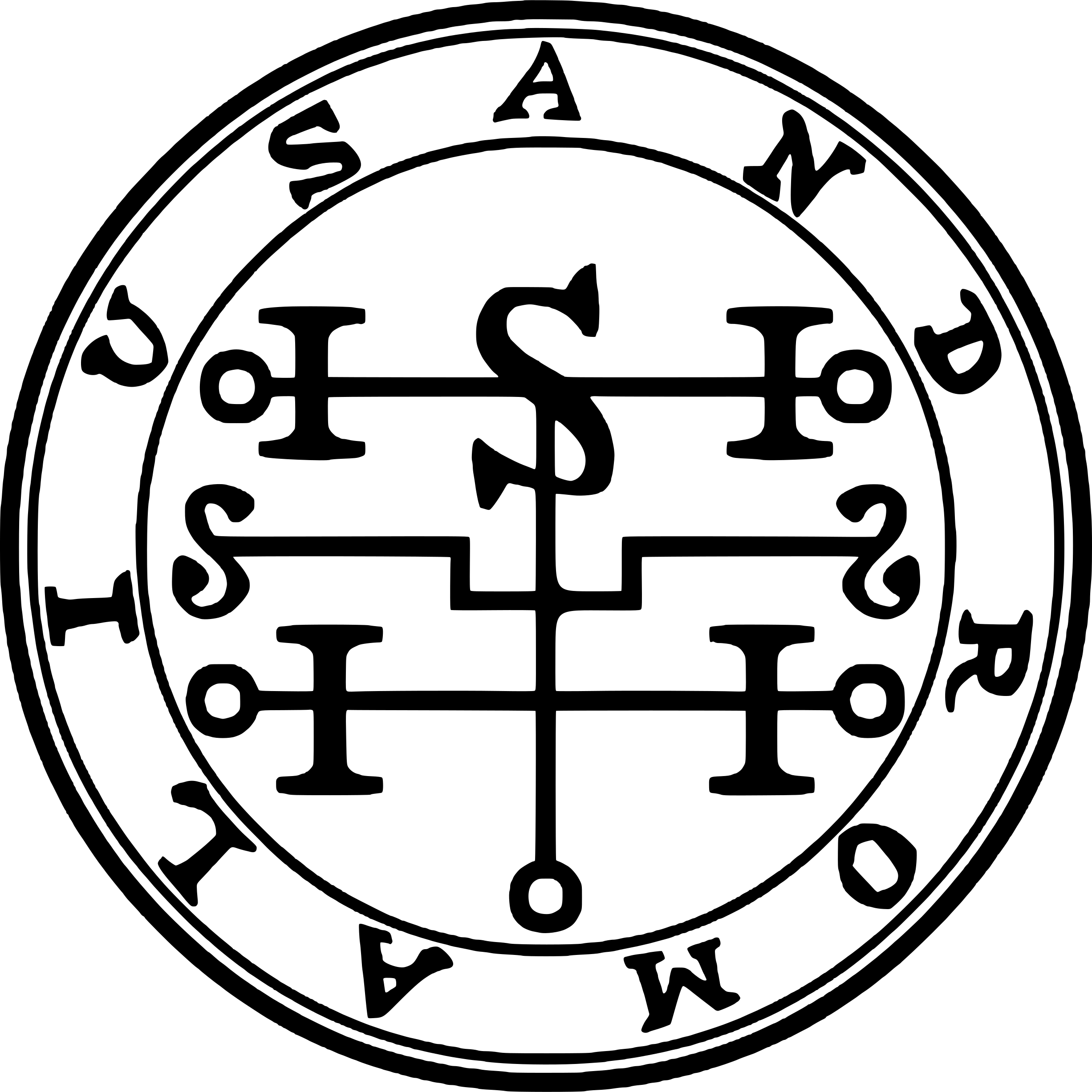
The 72 seals of the Ars Goetia, faithfully vectorized from the S. L. MacGregor Mathers & Aleister Crowley edition (1904) — public domain. This is the printed 1904 form; the Lemegeton manuscripts themselves preserve variants. They are free (CC0): use them for anything, including commercially.


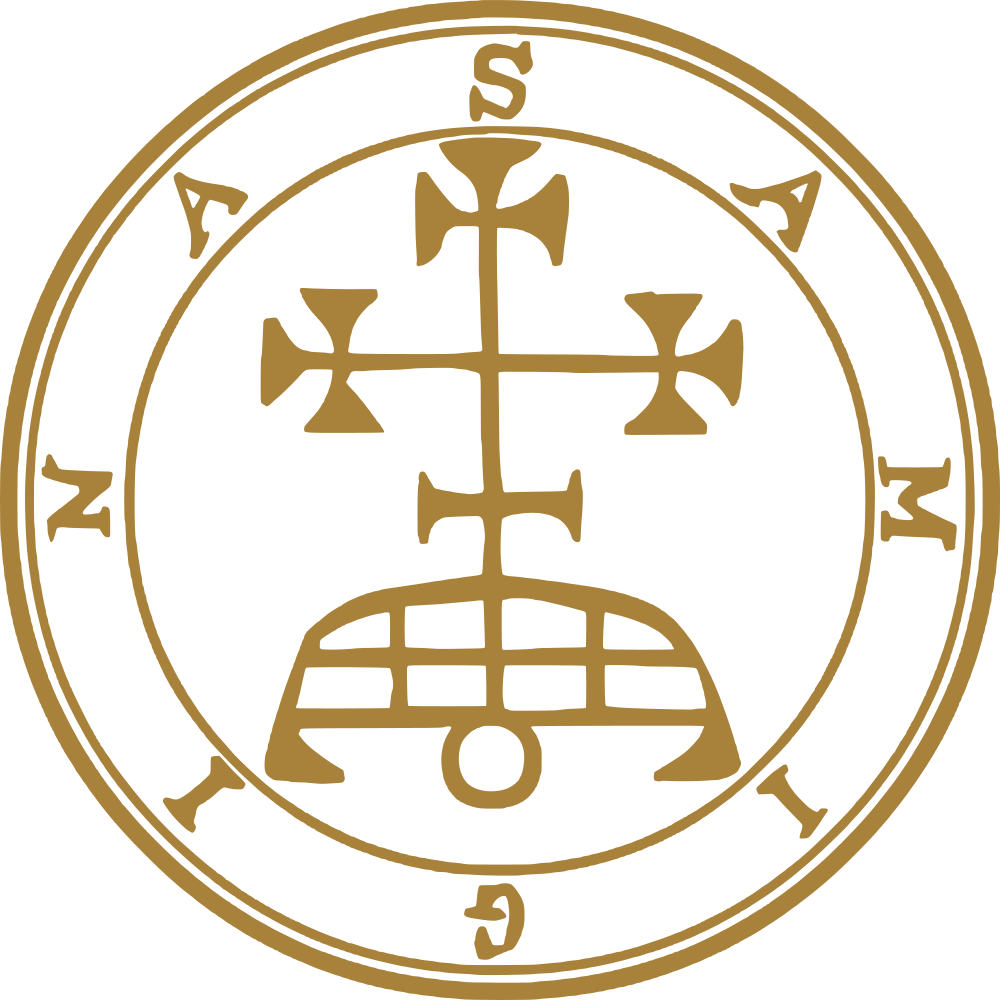
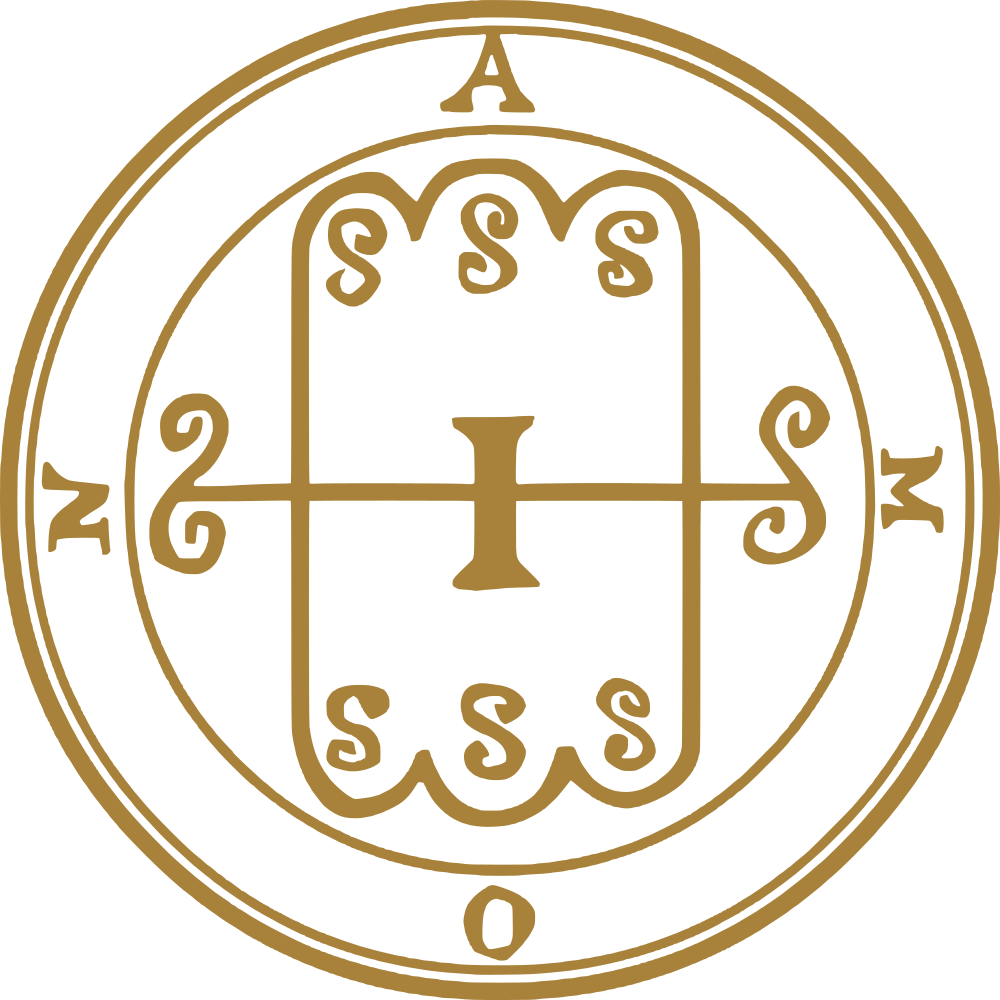



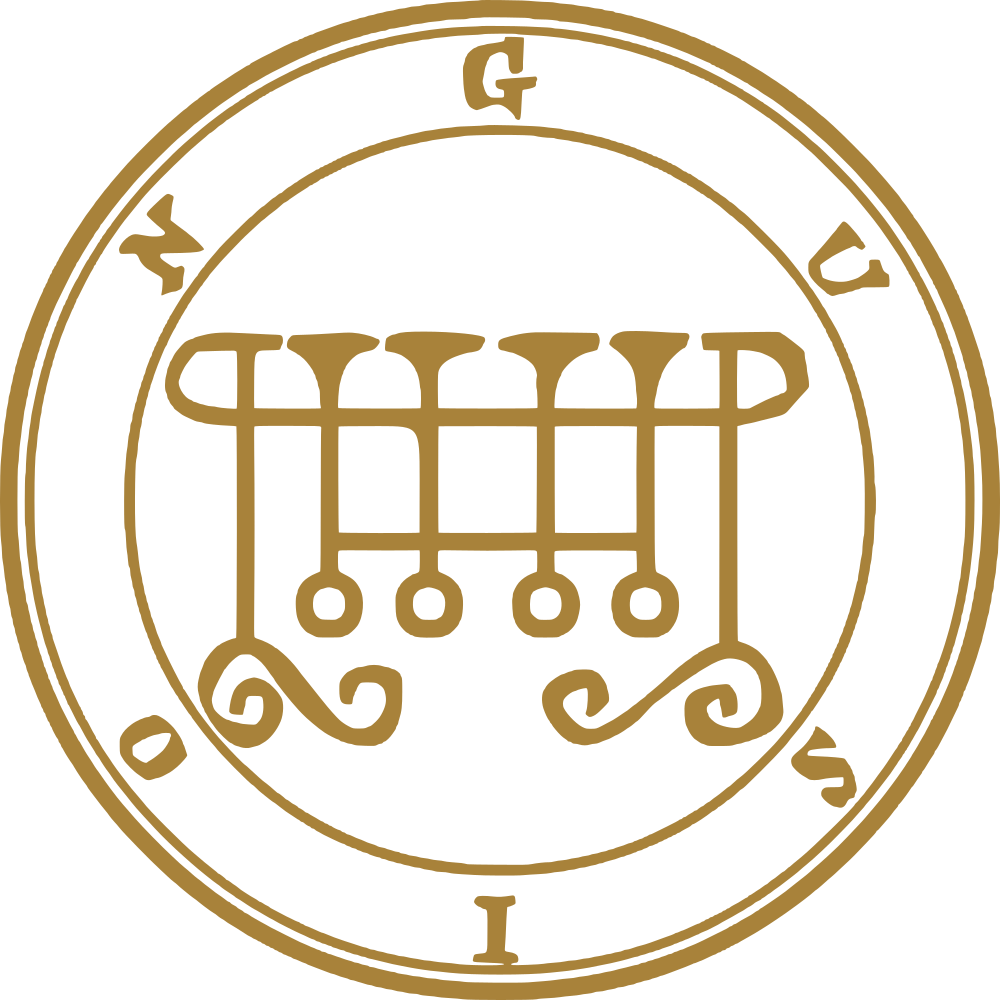
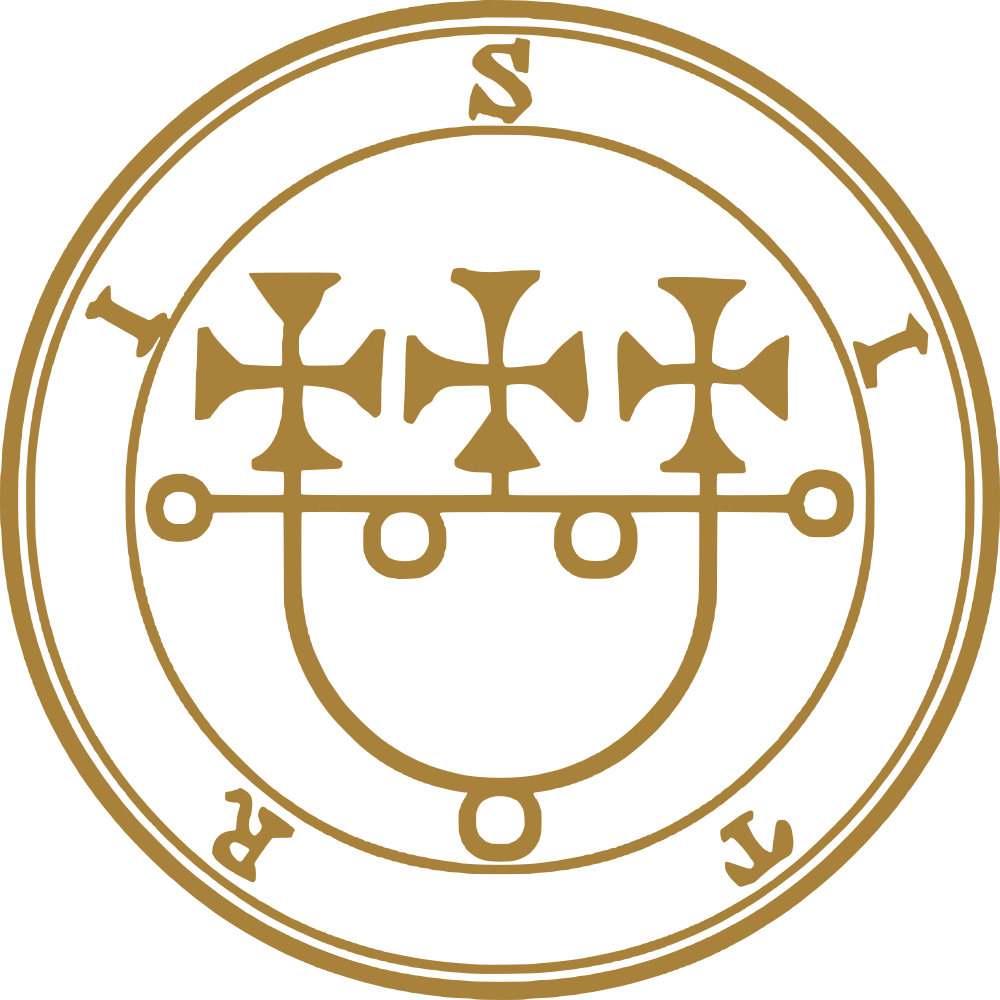
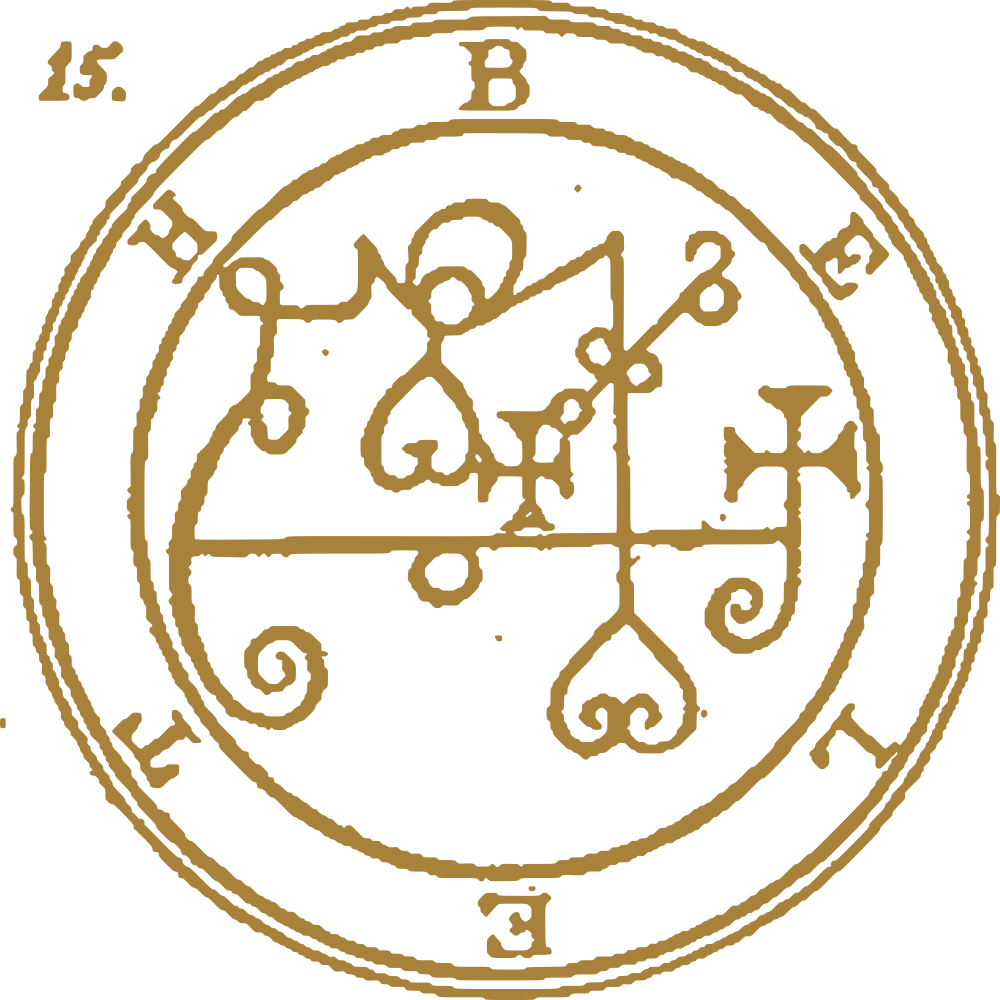
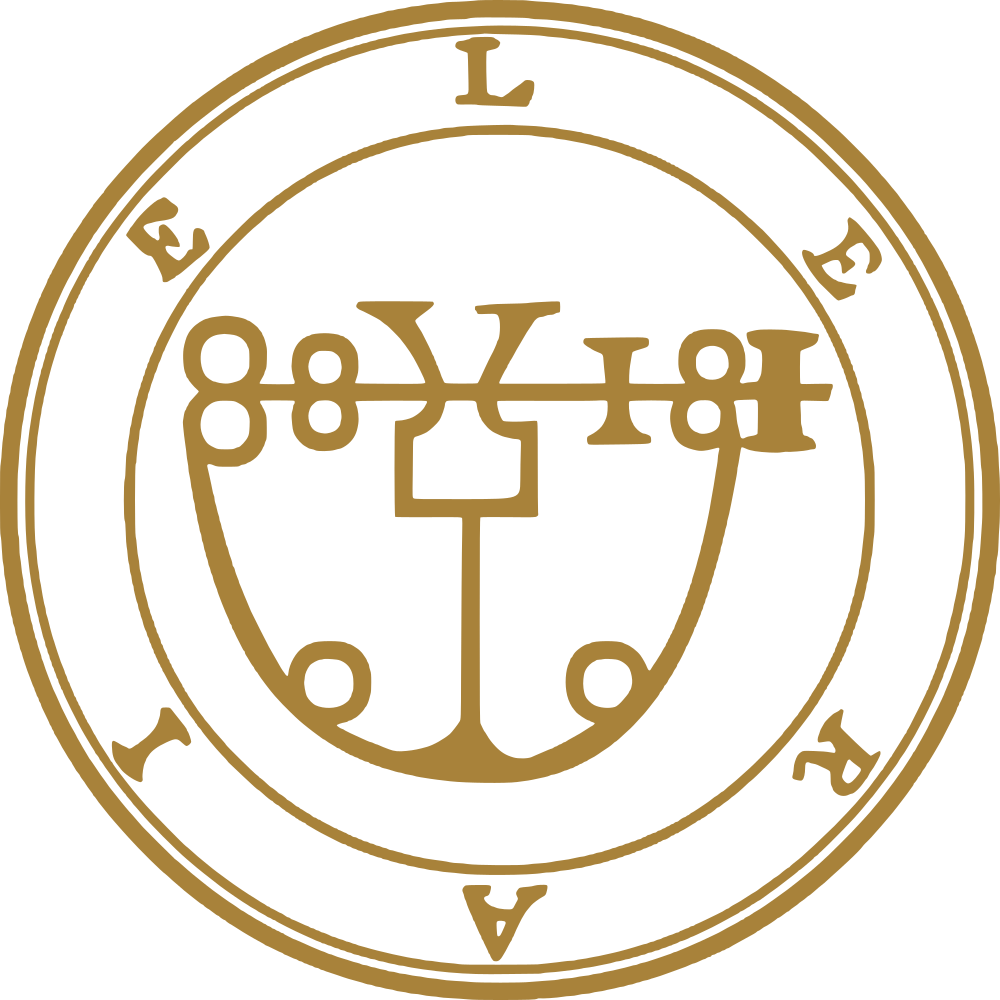
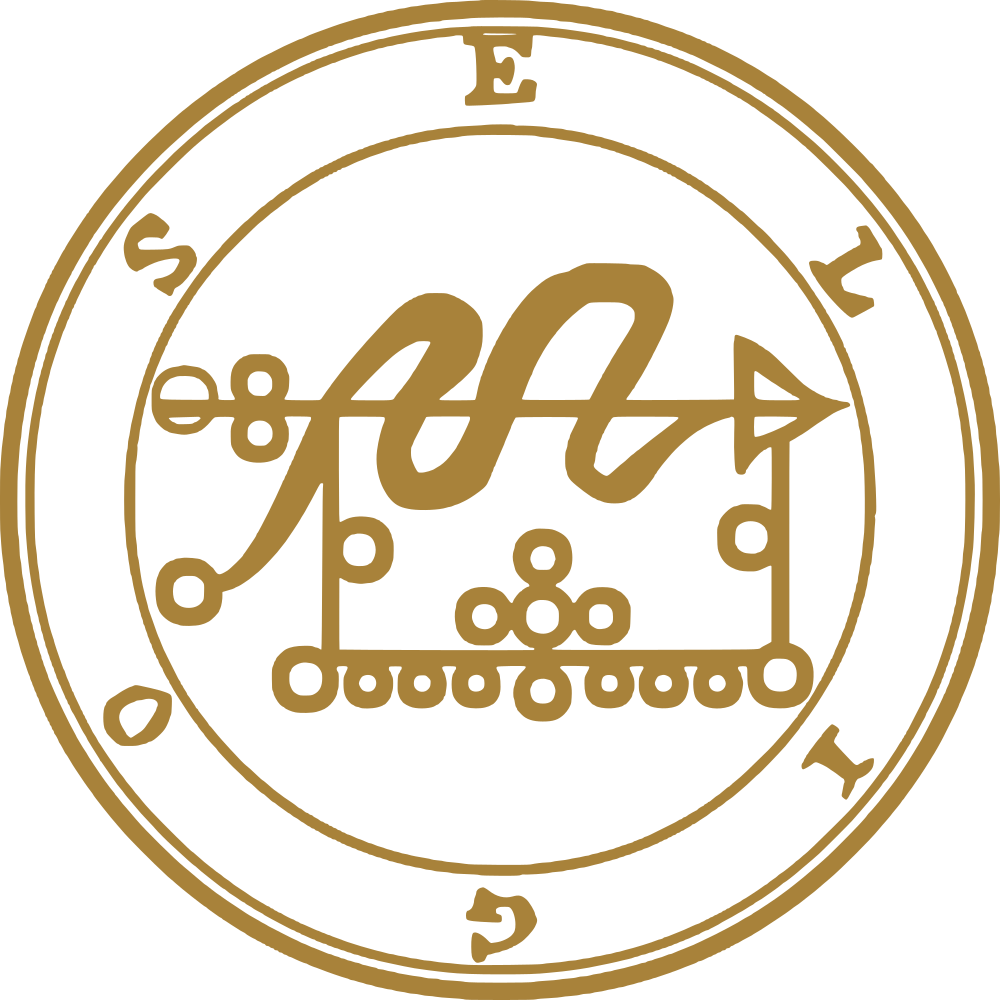

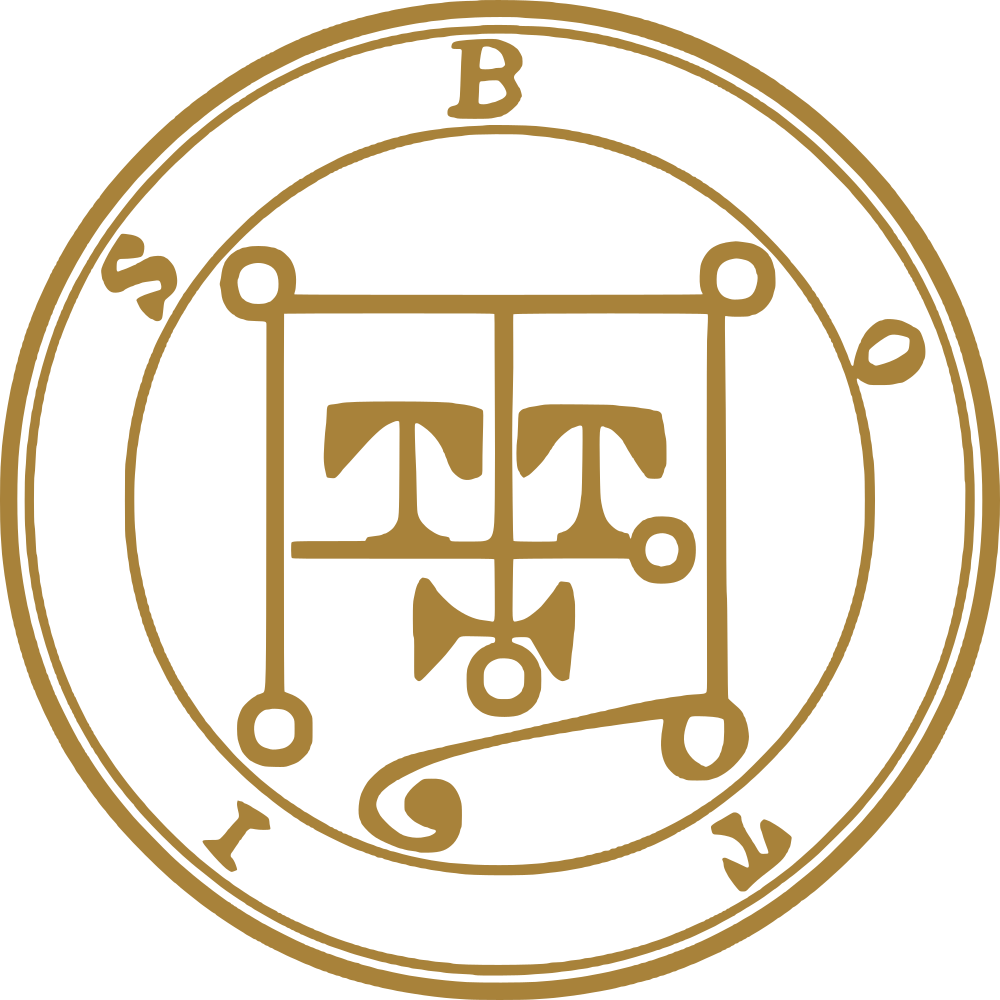

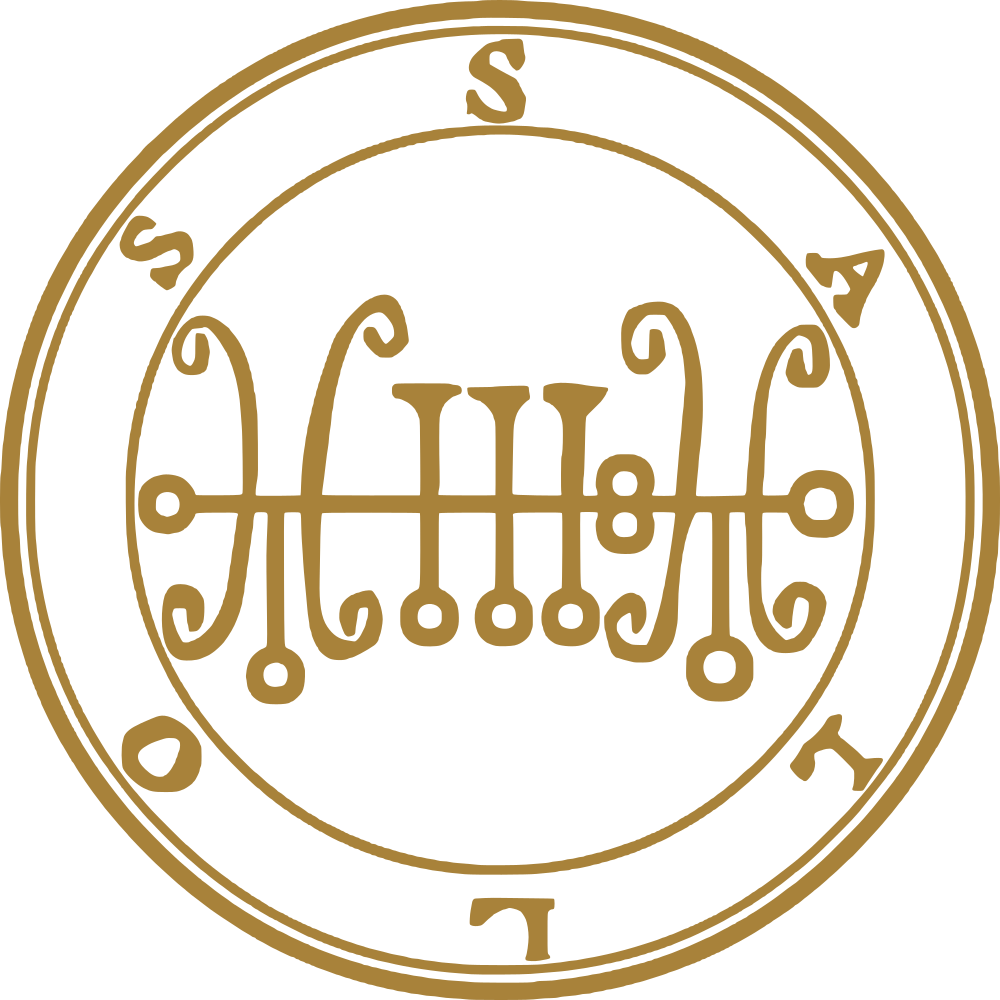


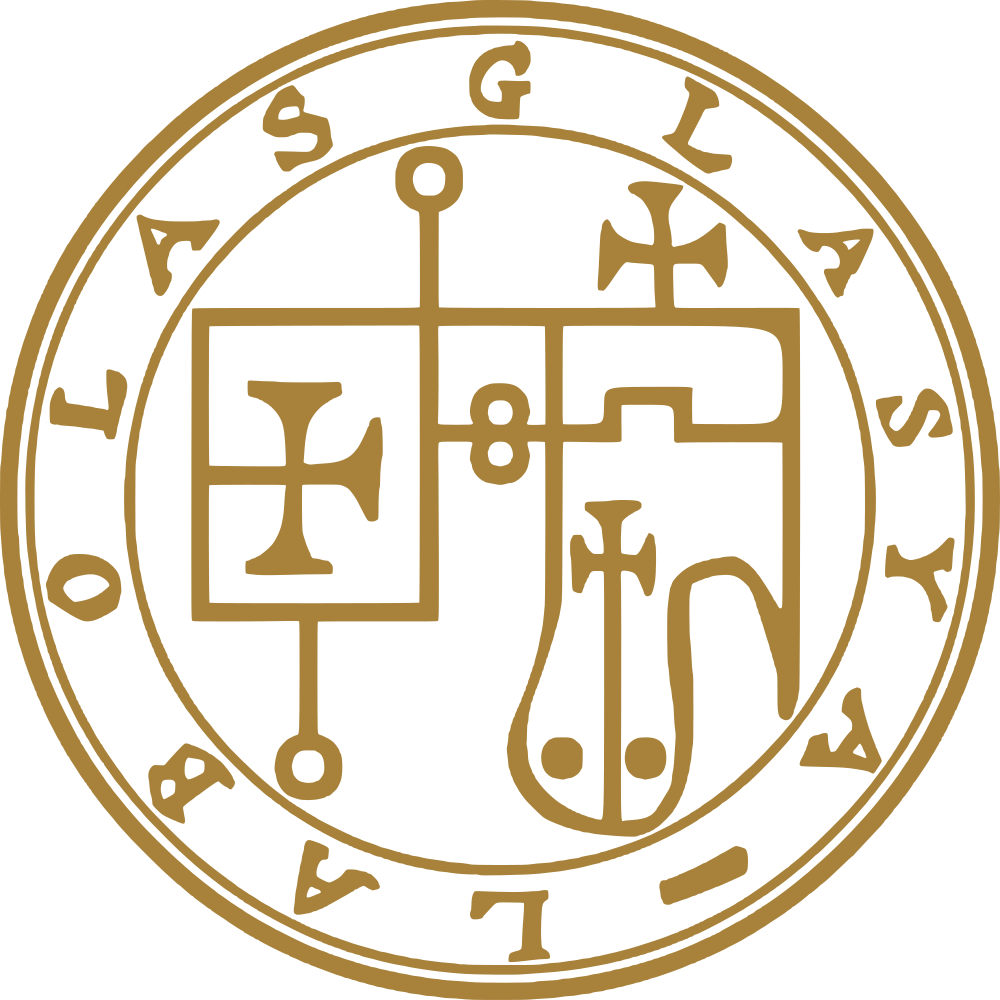
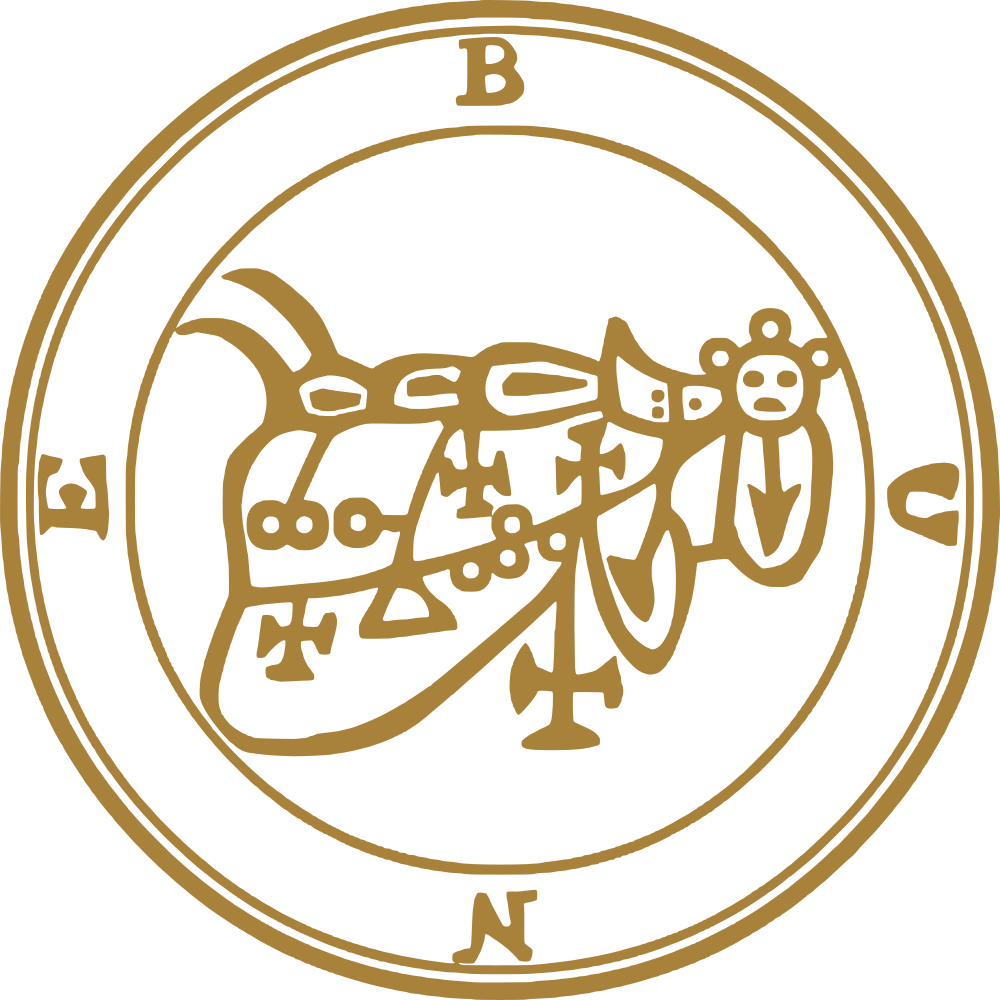
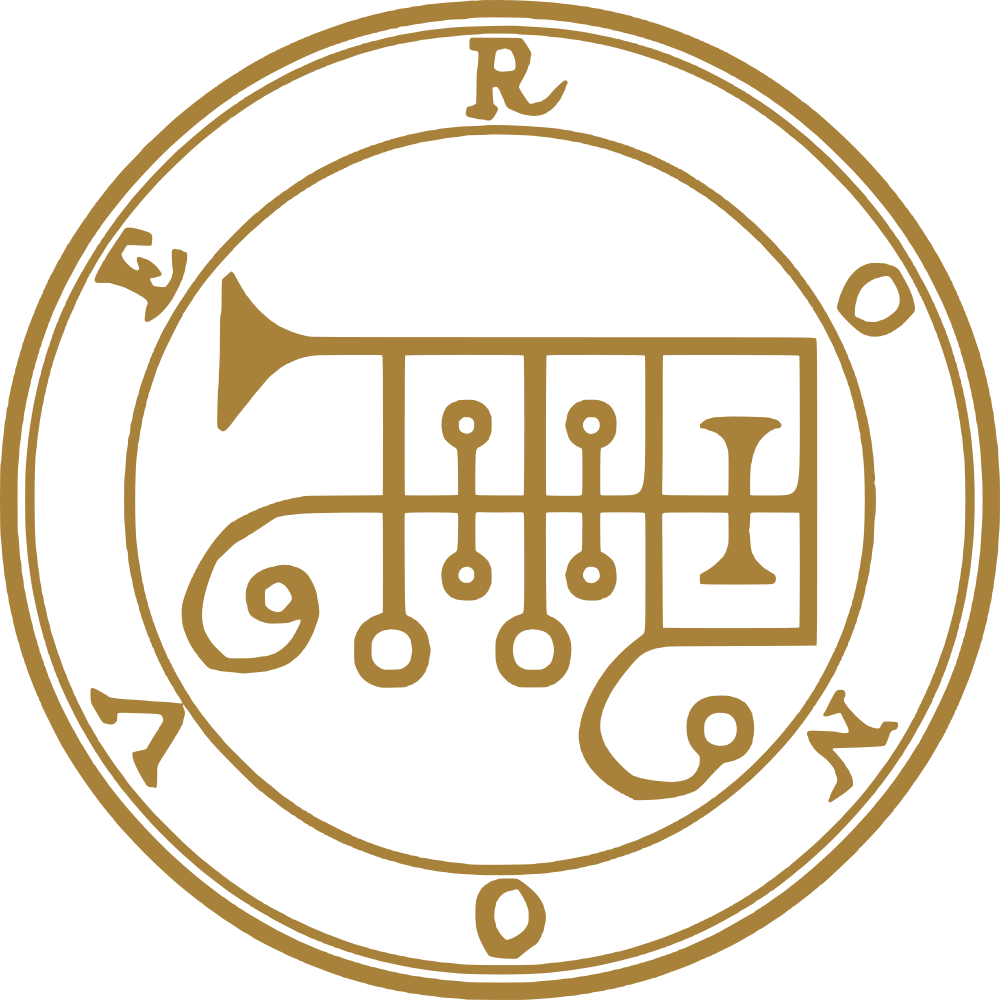

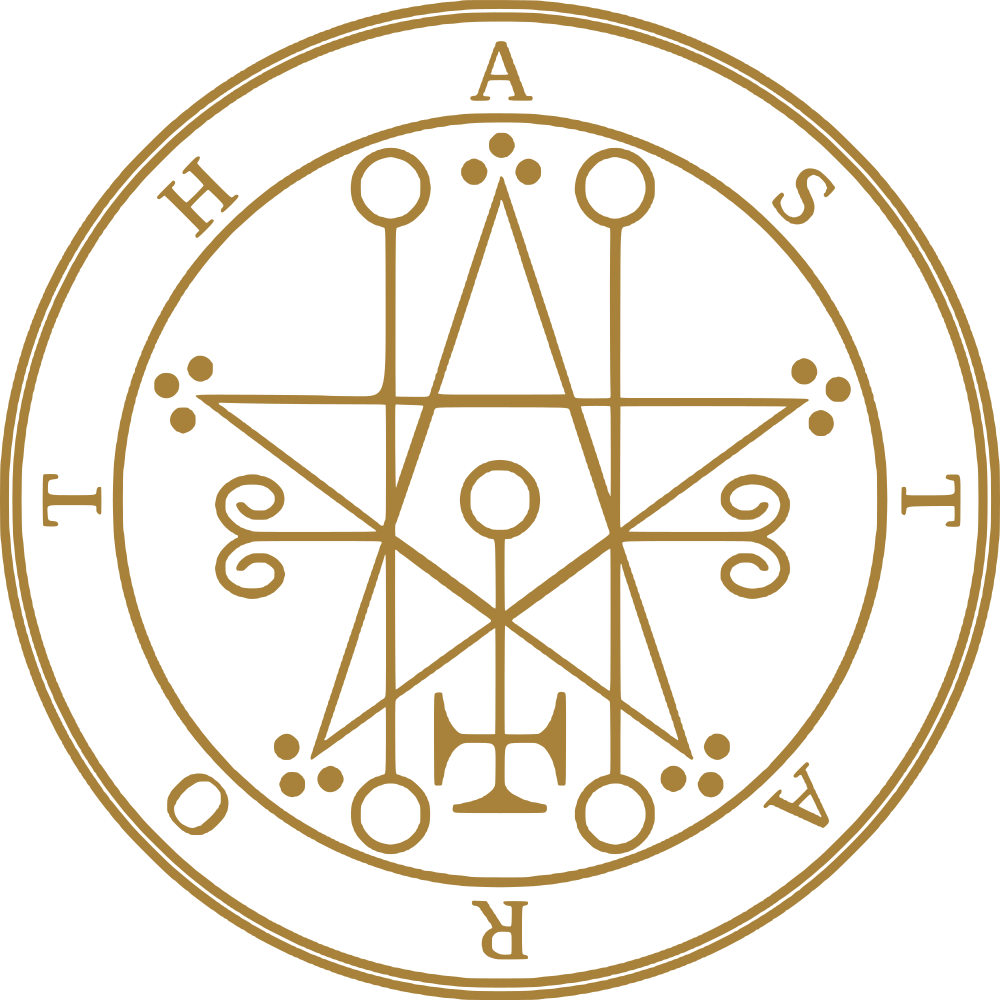



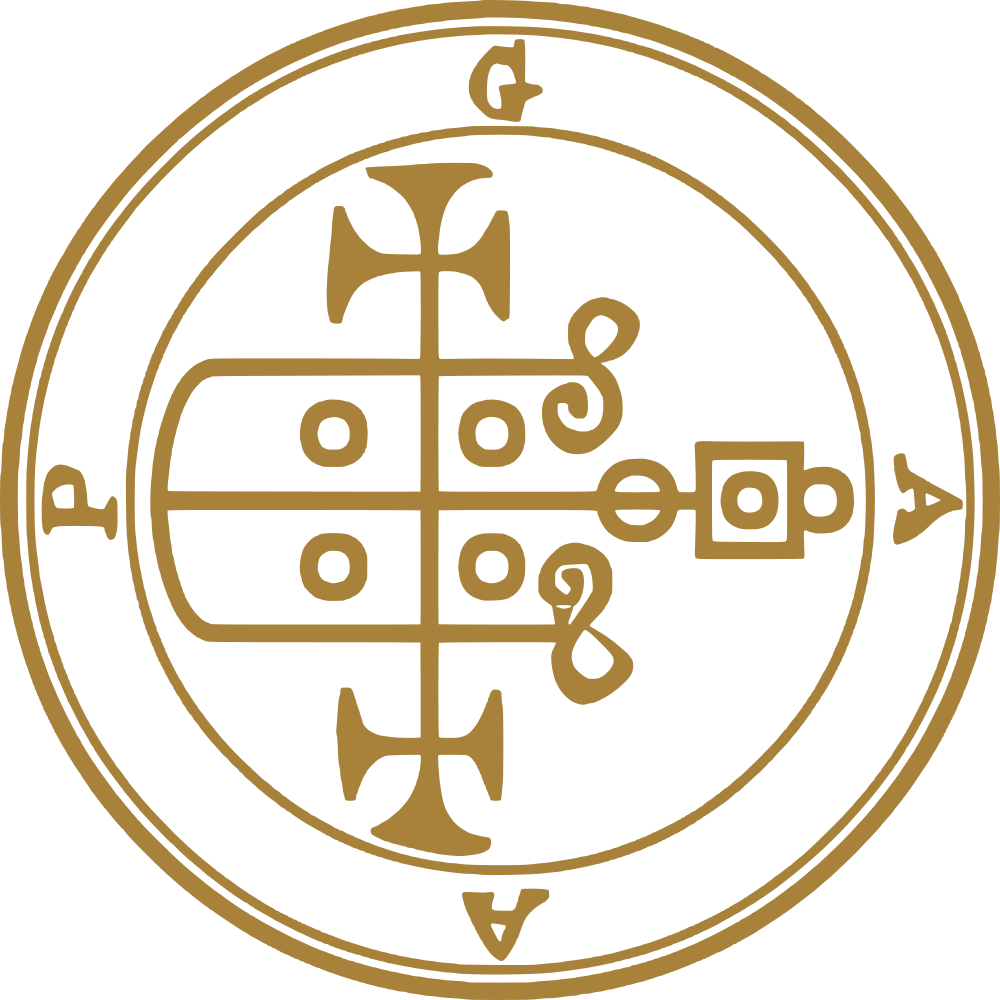
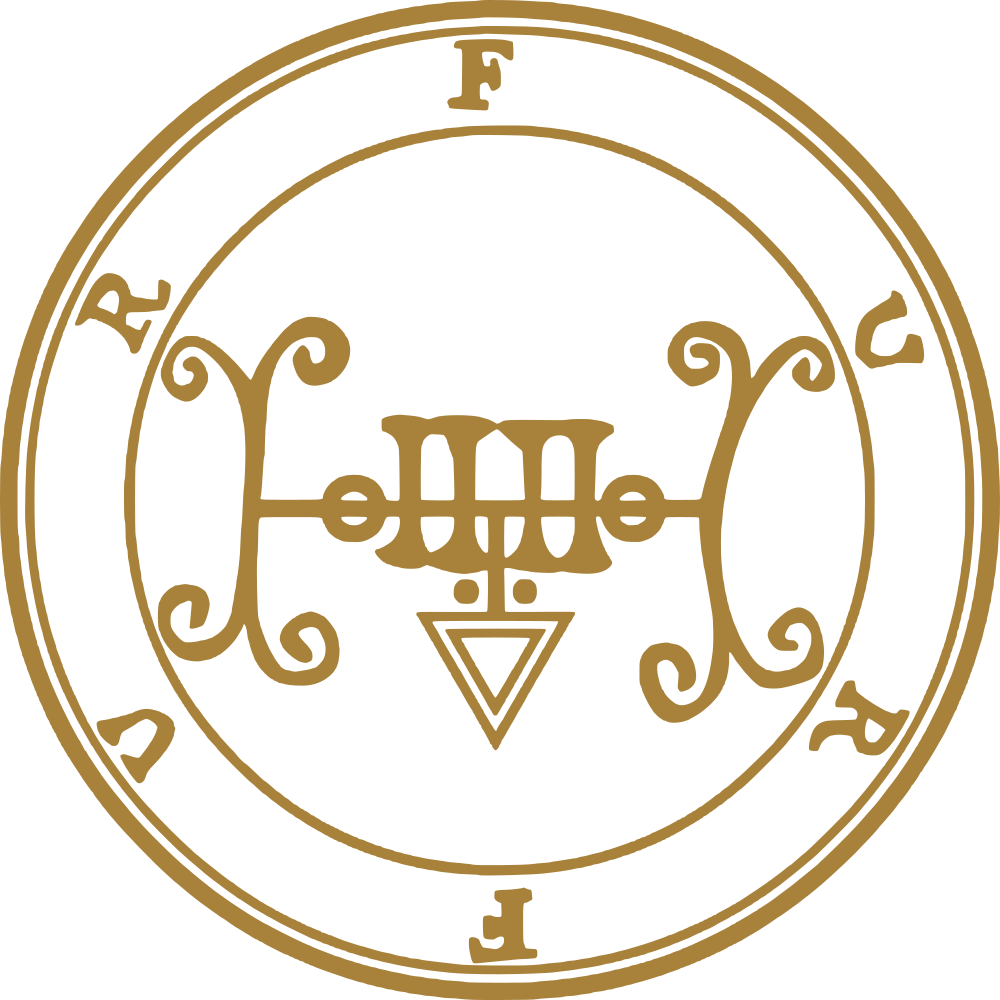
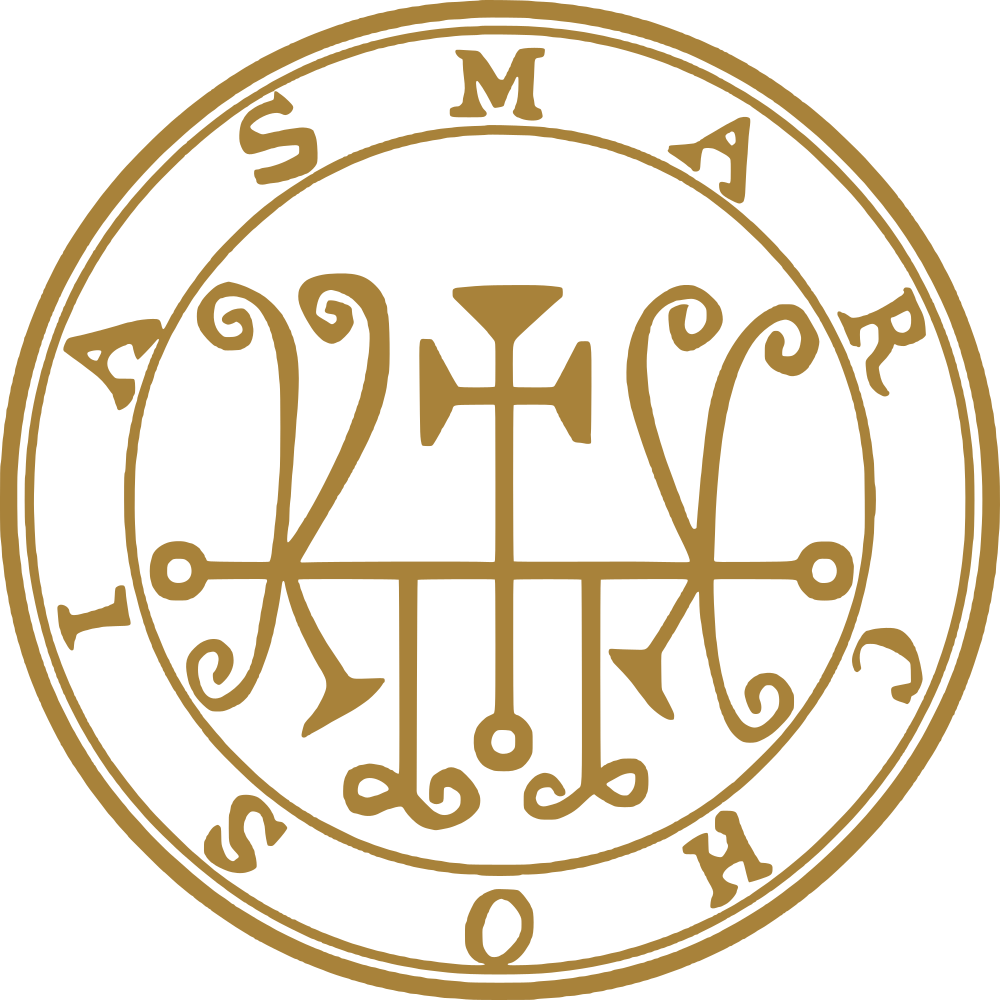
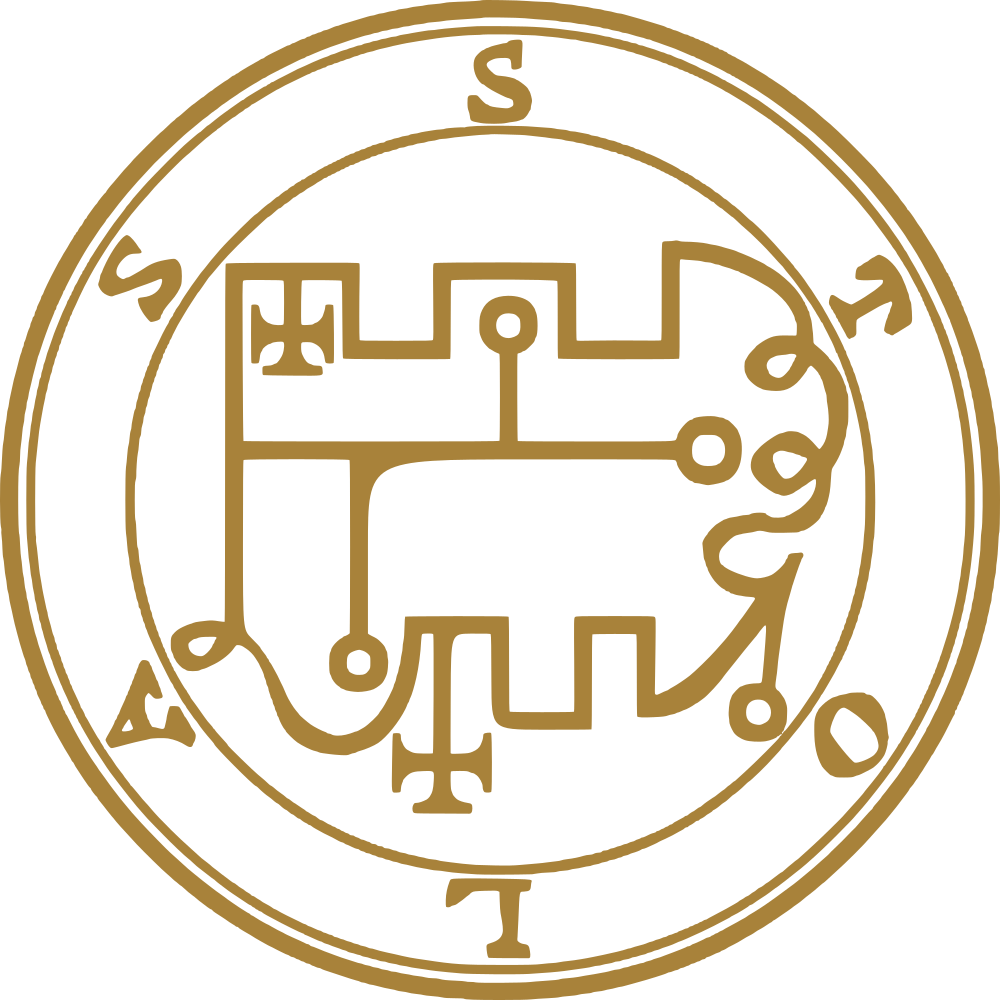
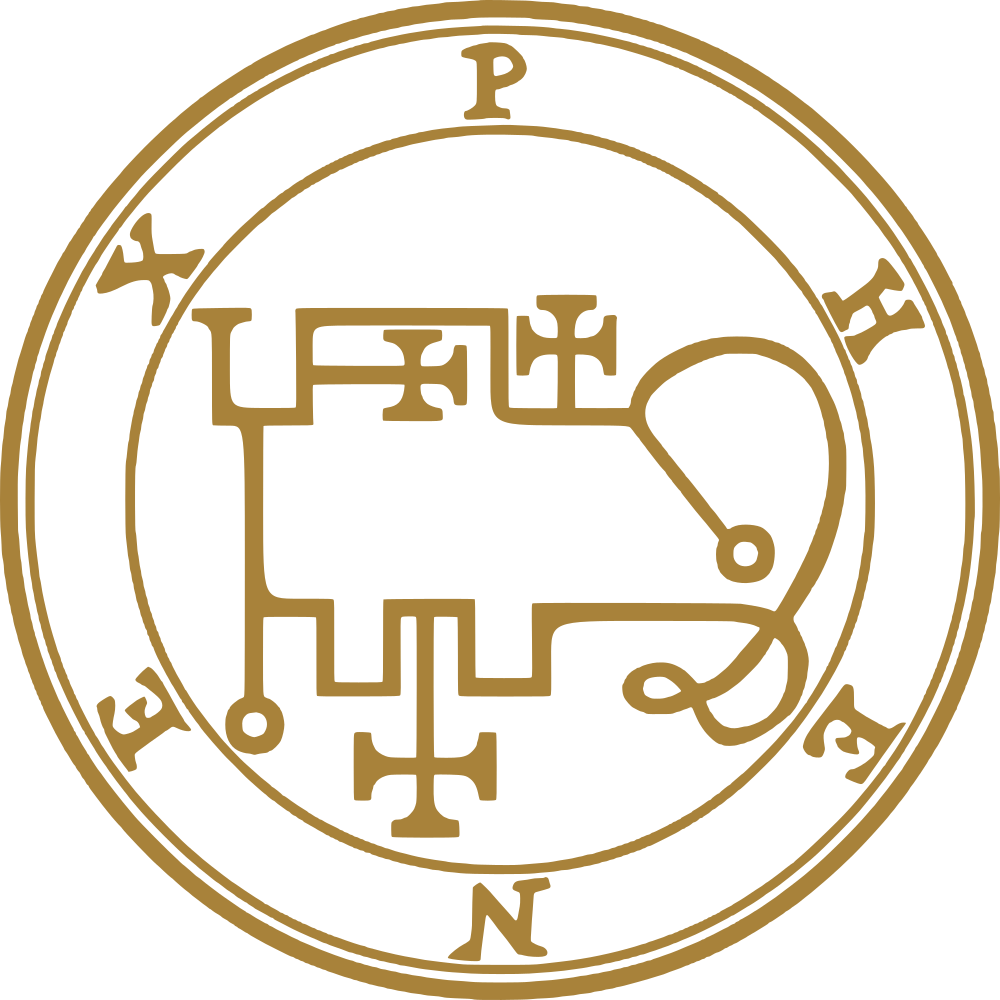
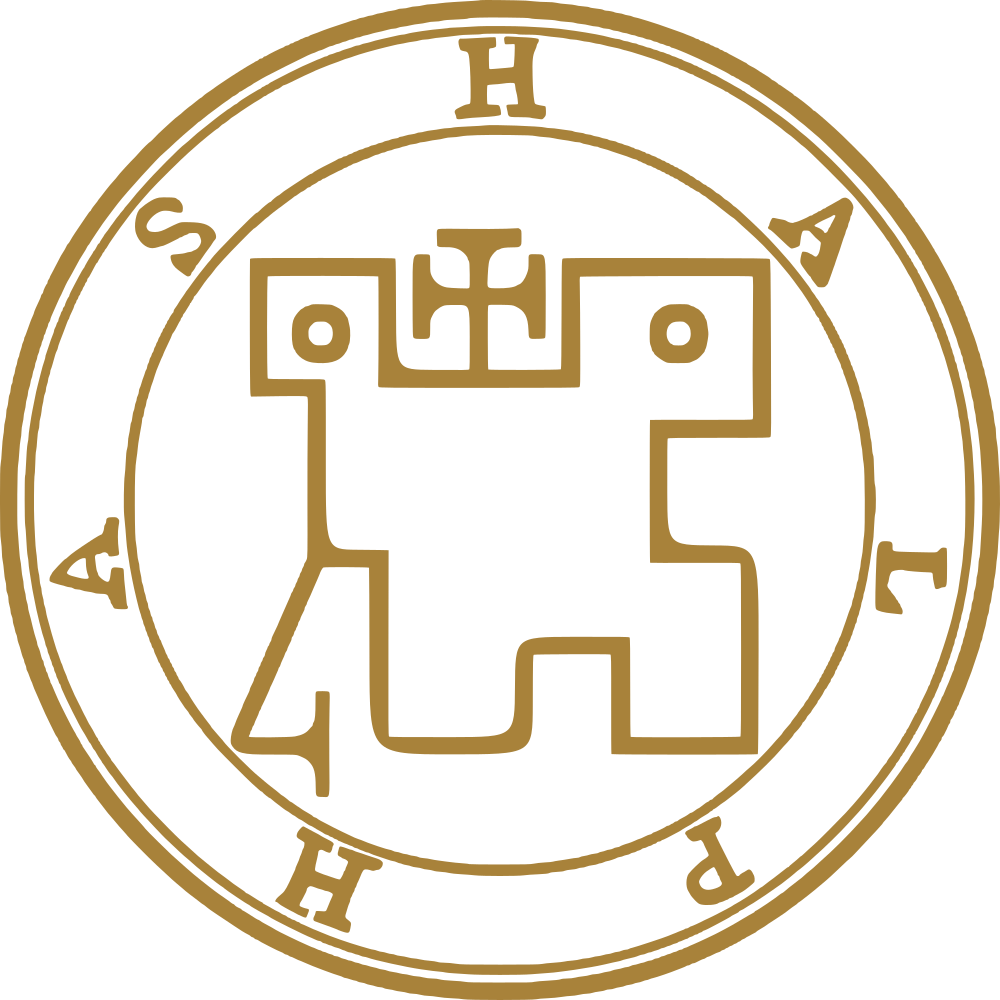
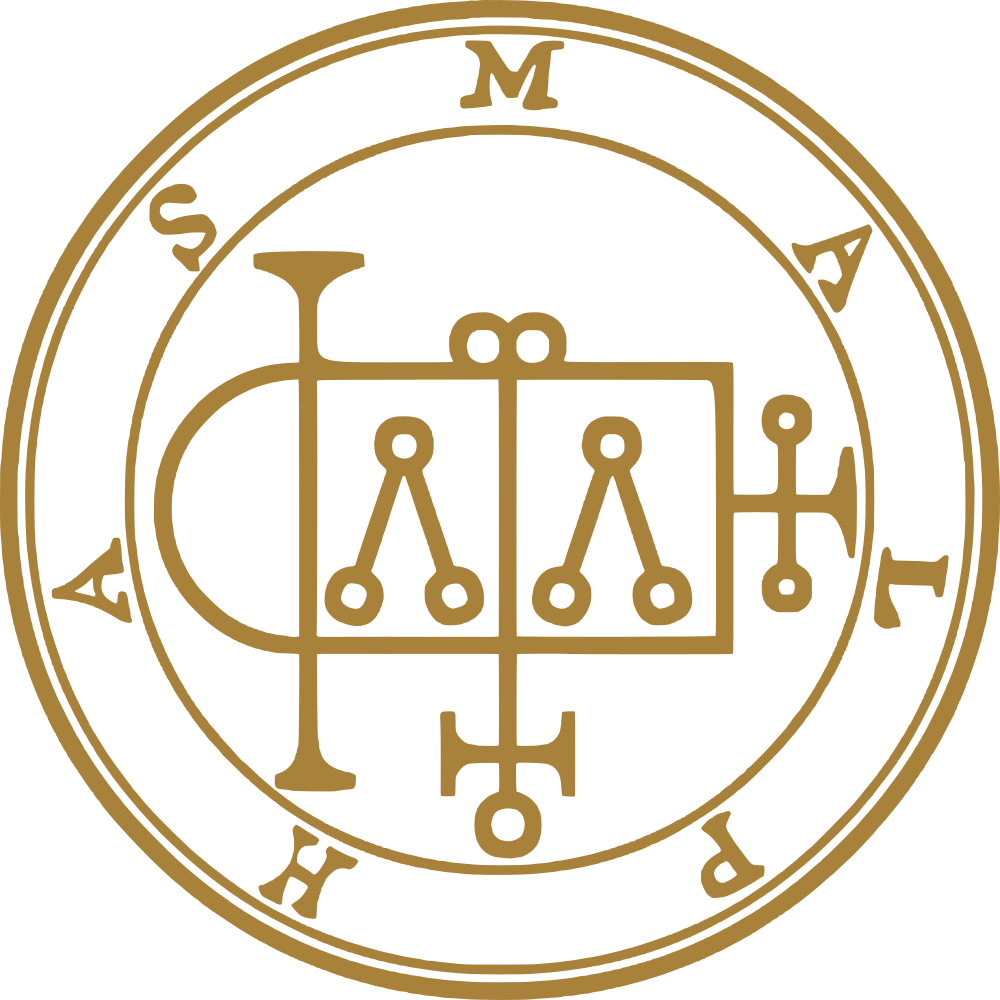
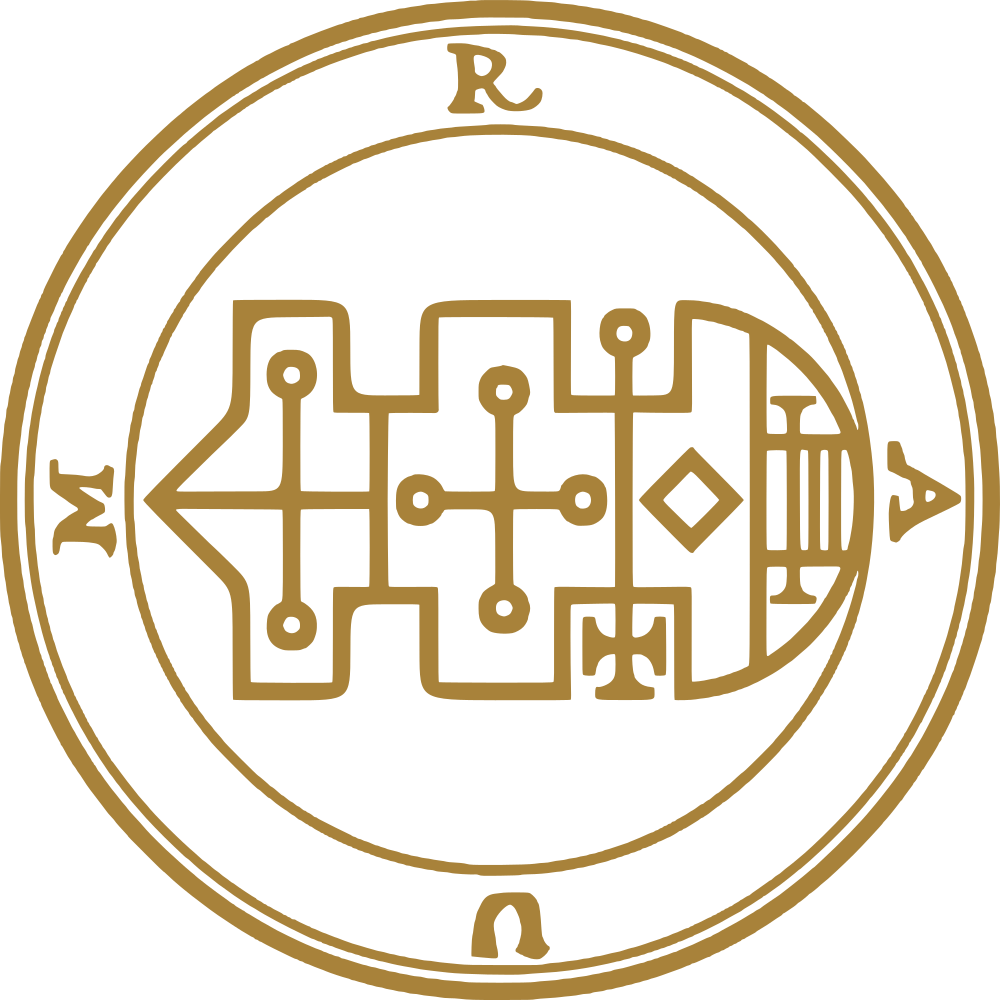
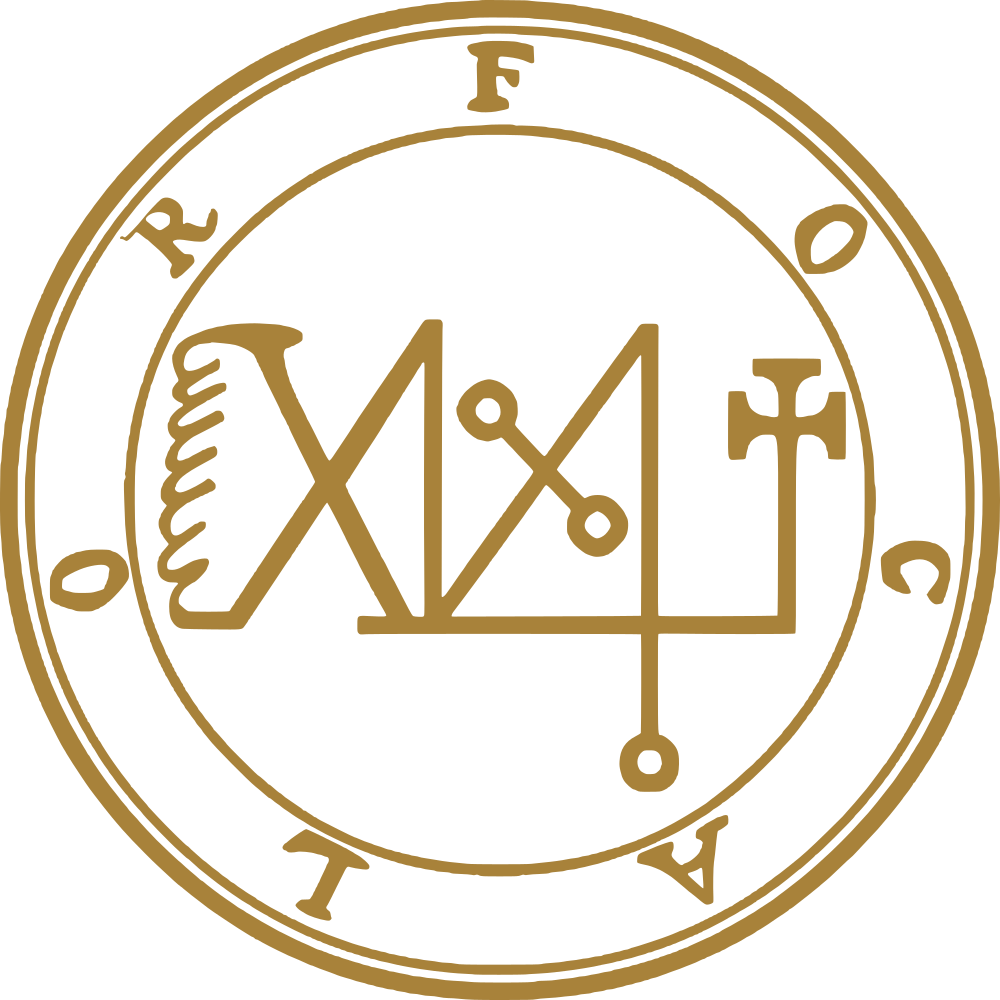





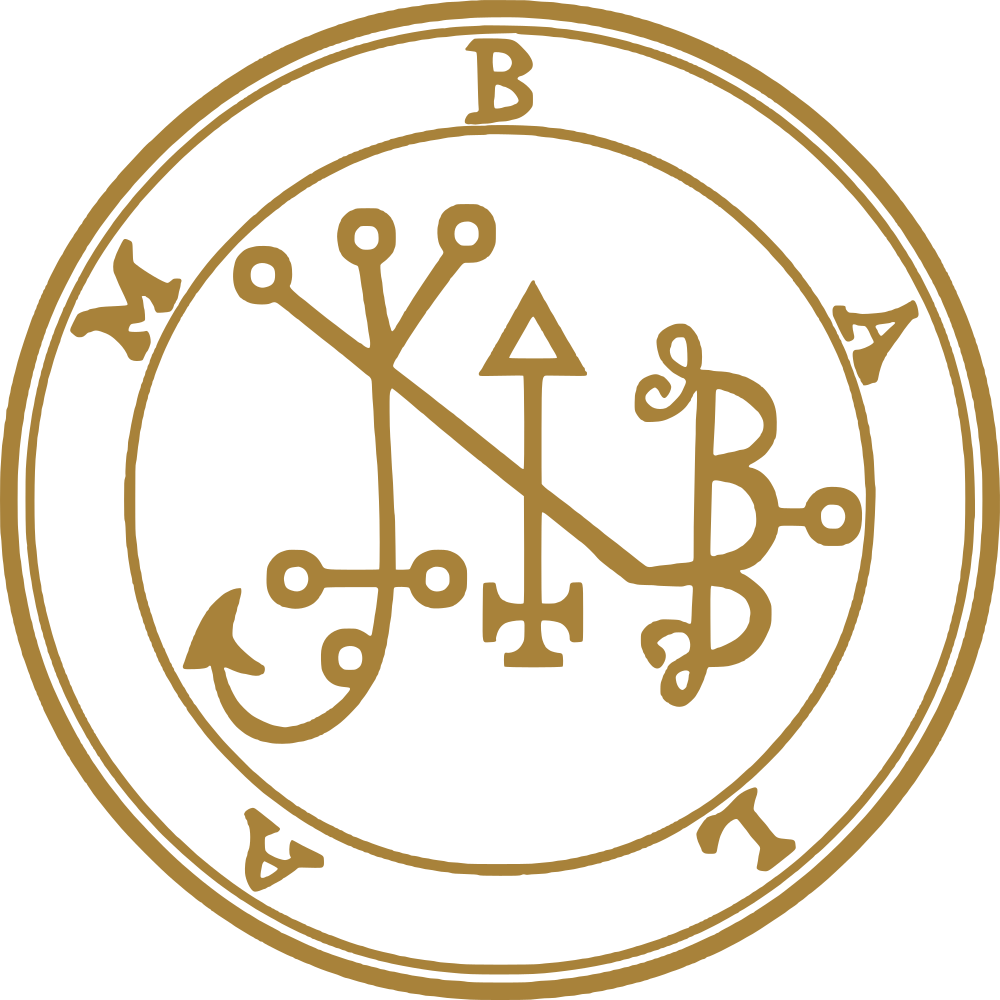




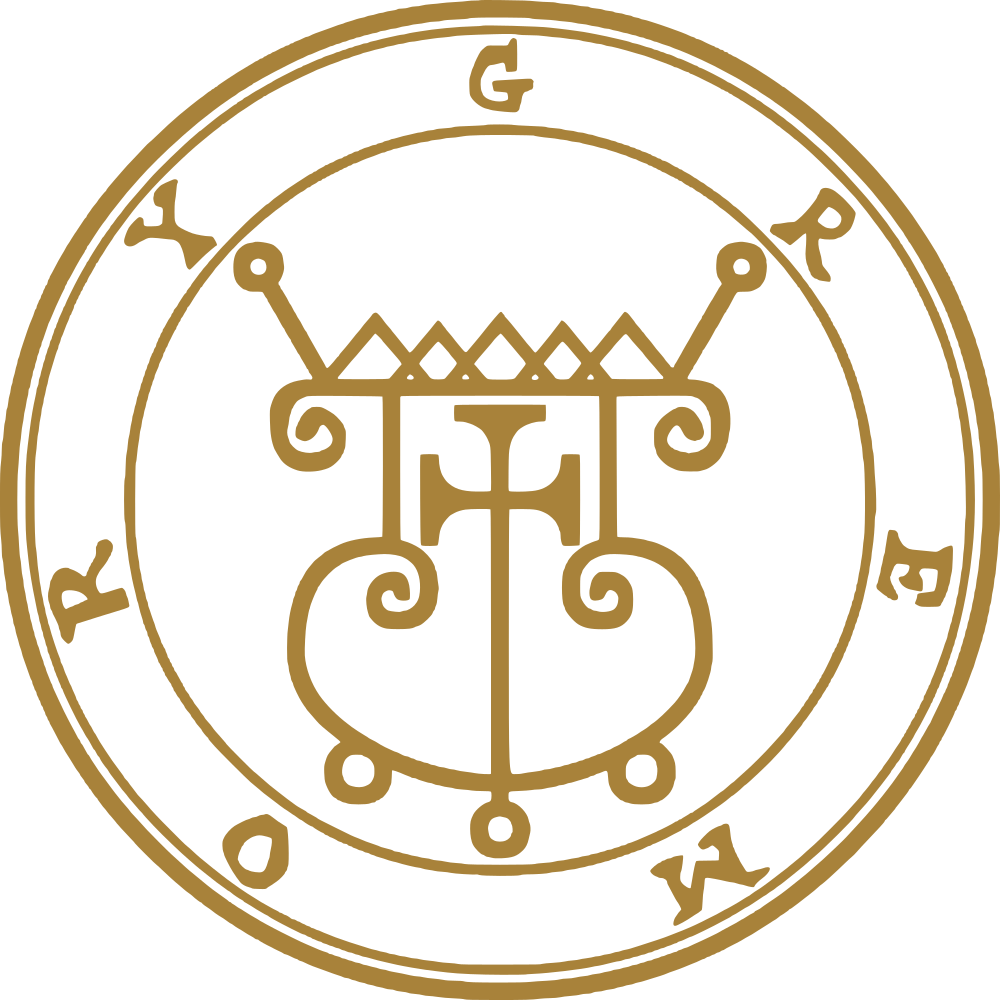




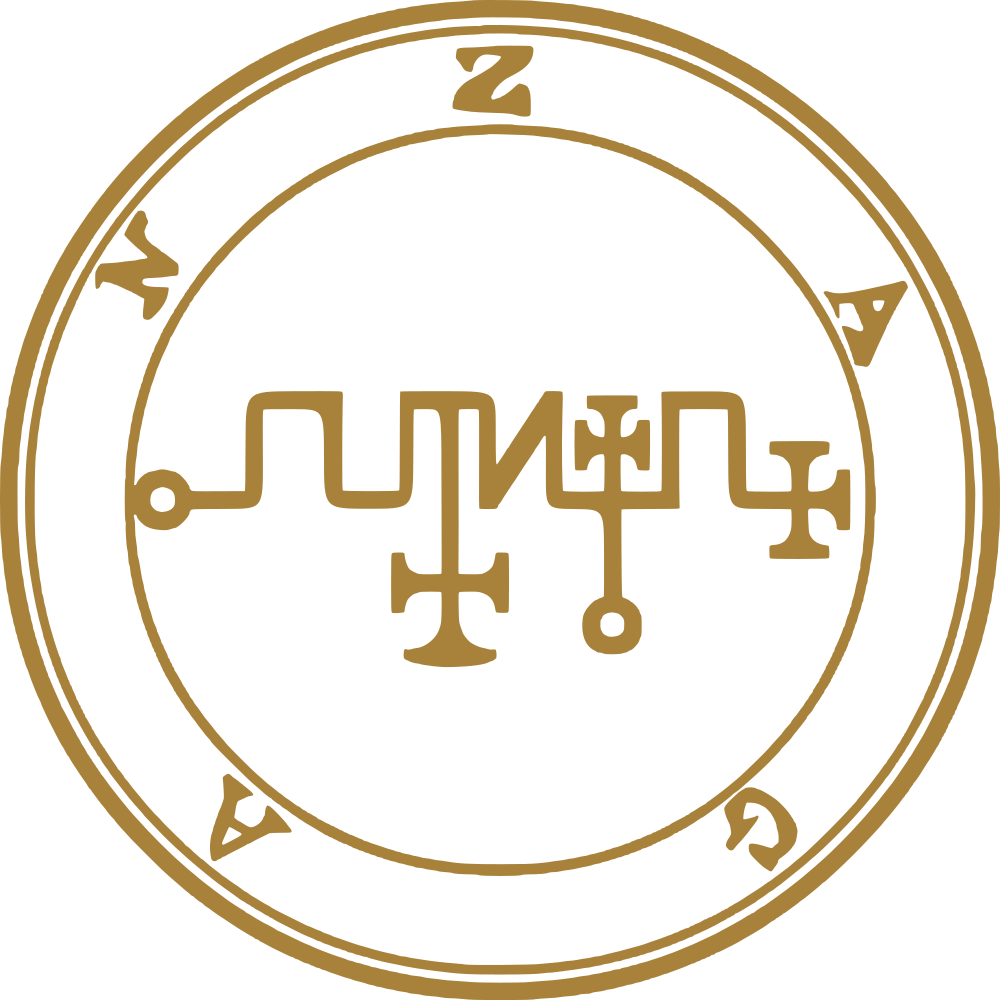



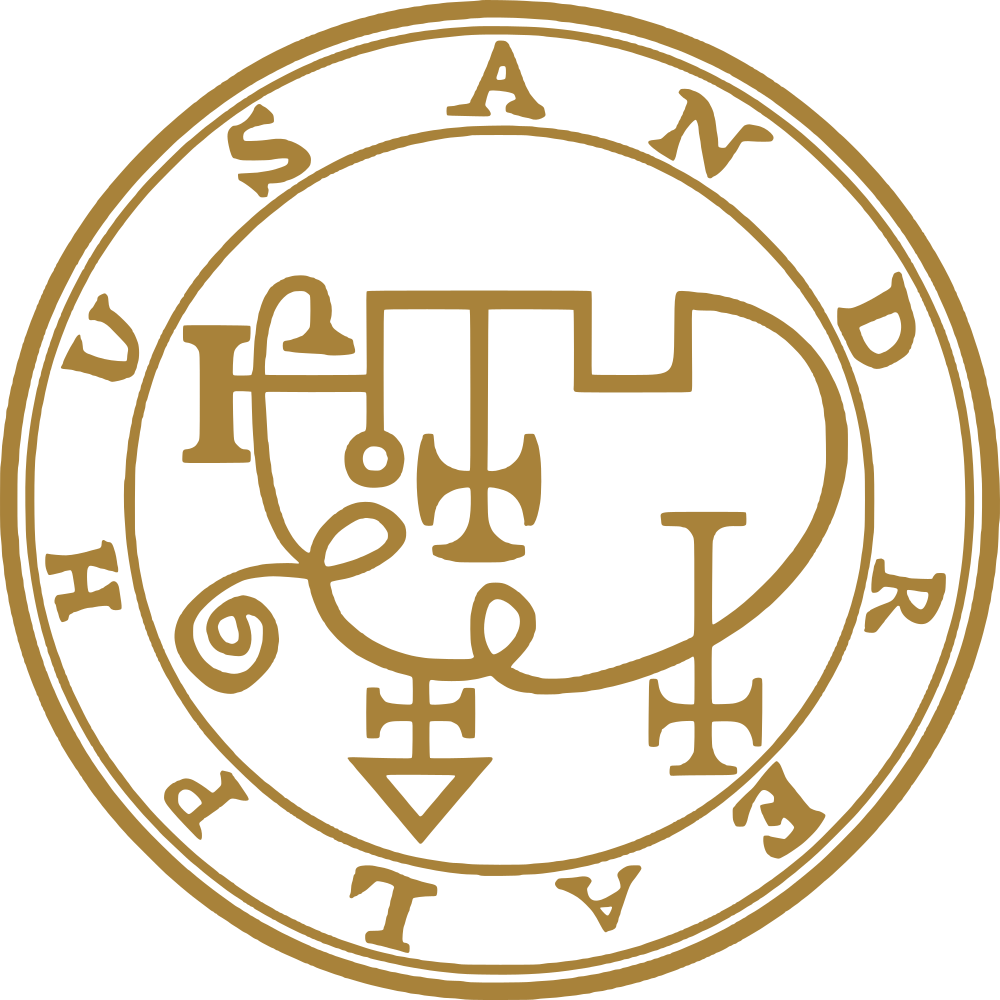
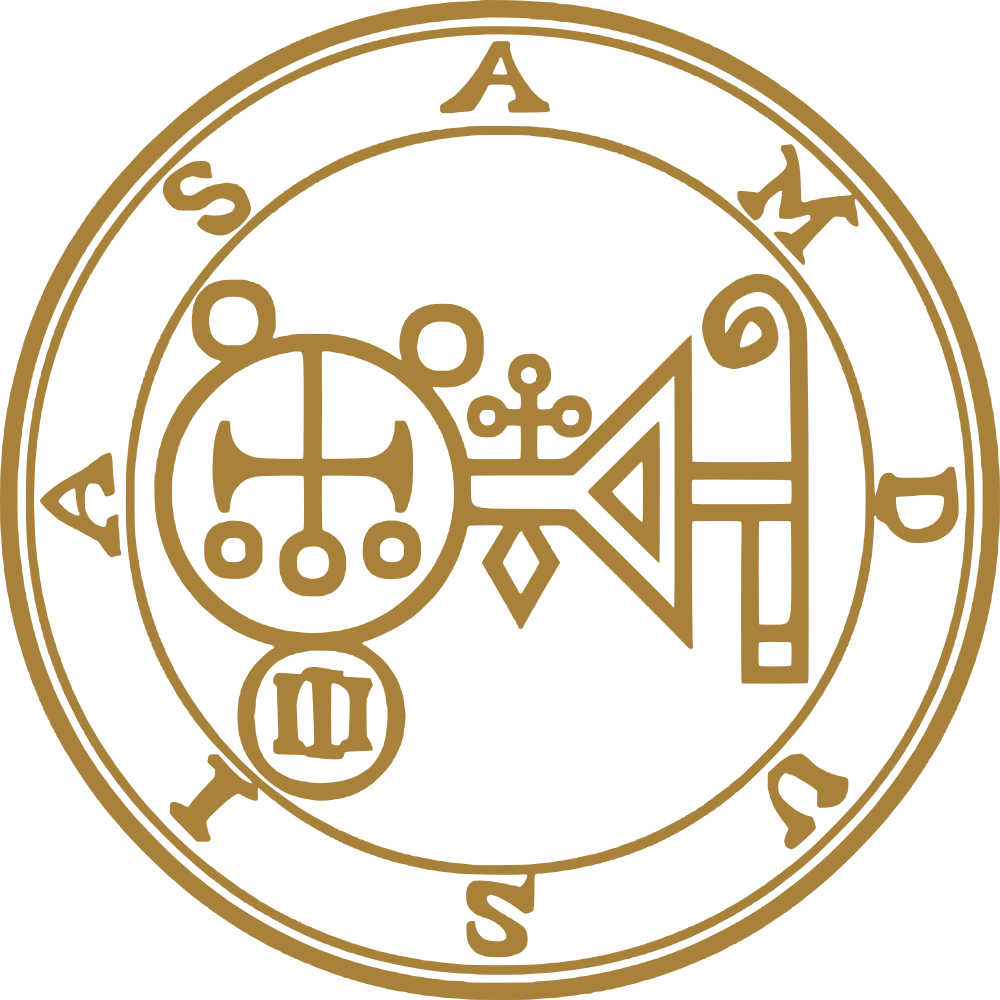


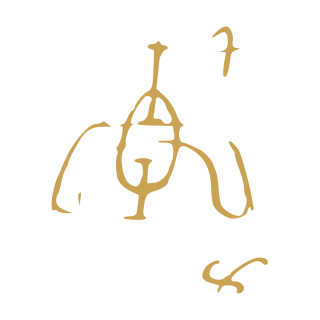
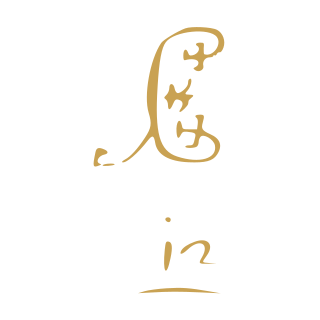
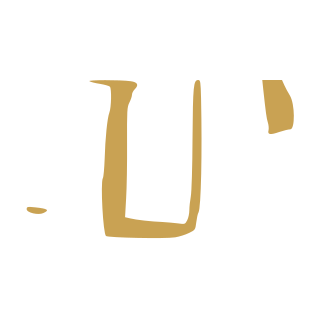
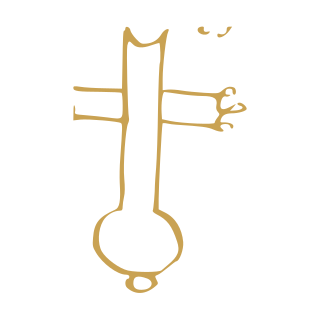
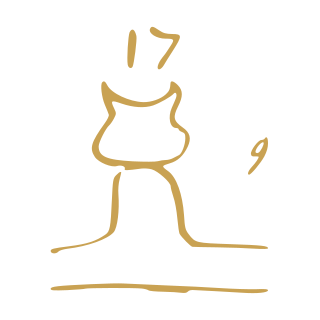
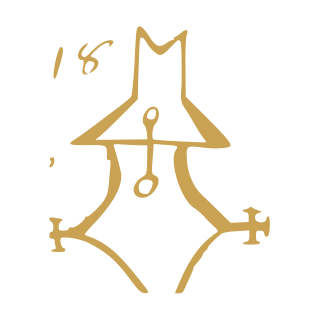
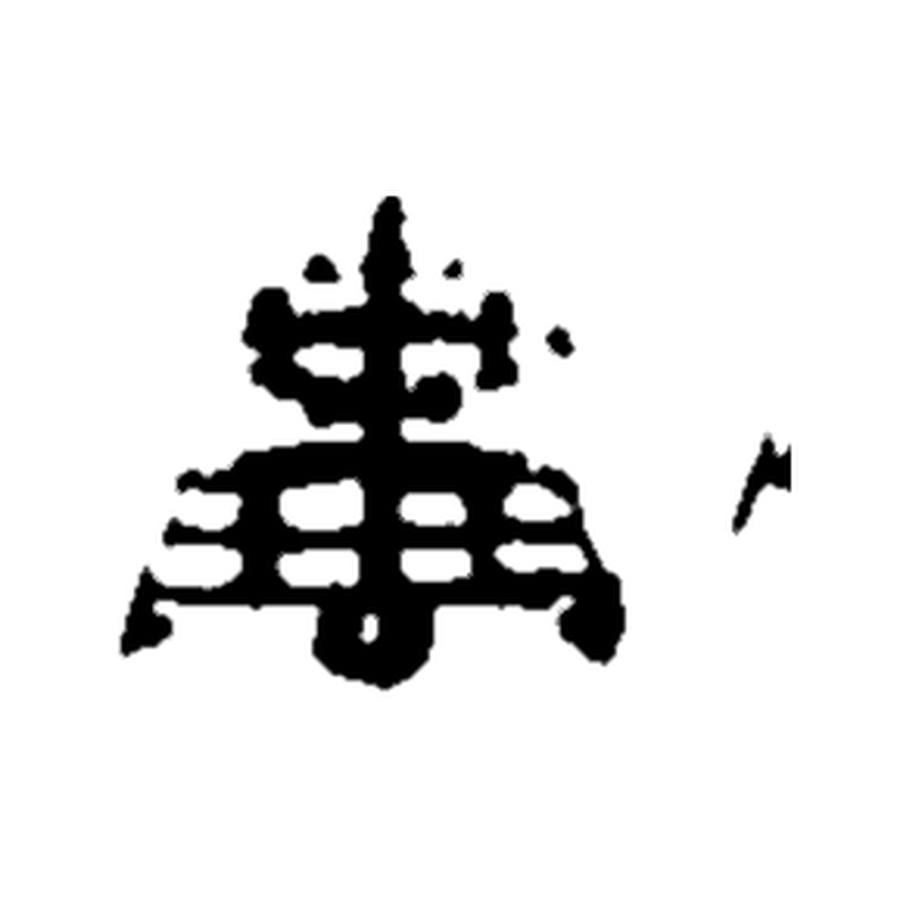
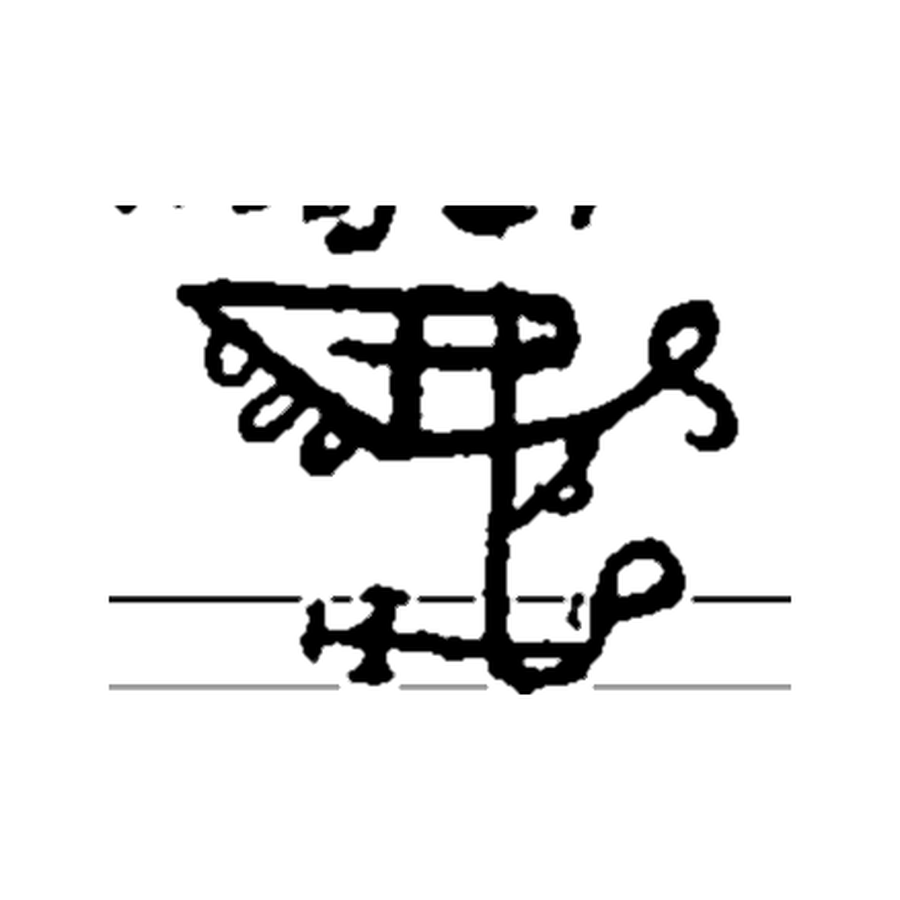
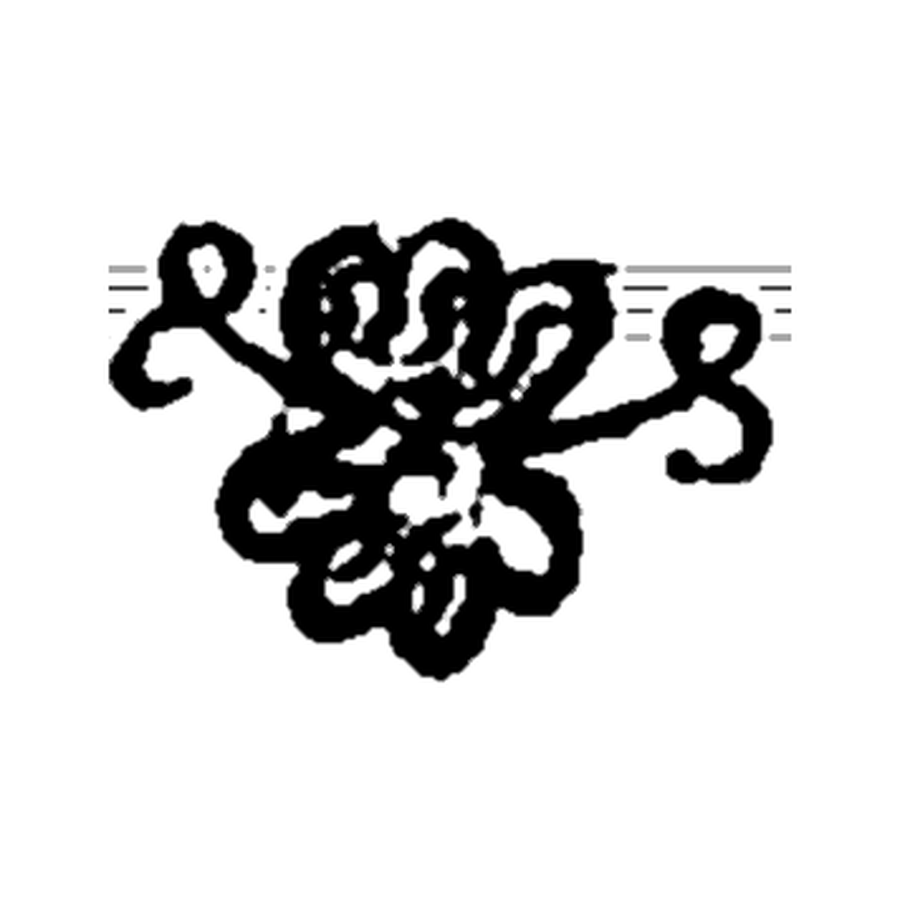
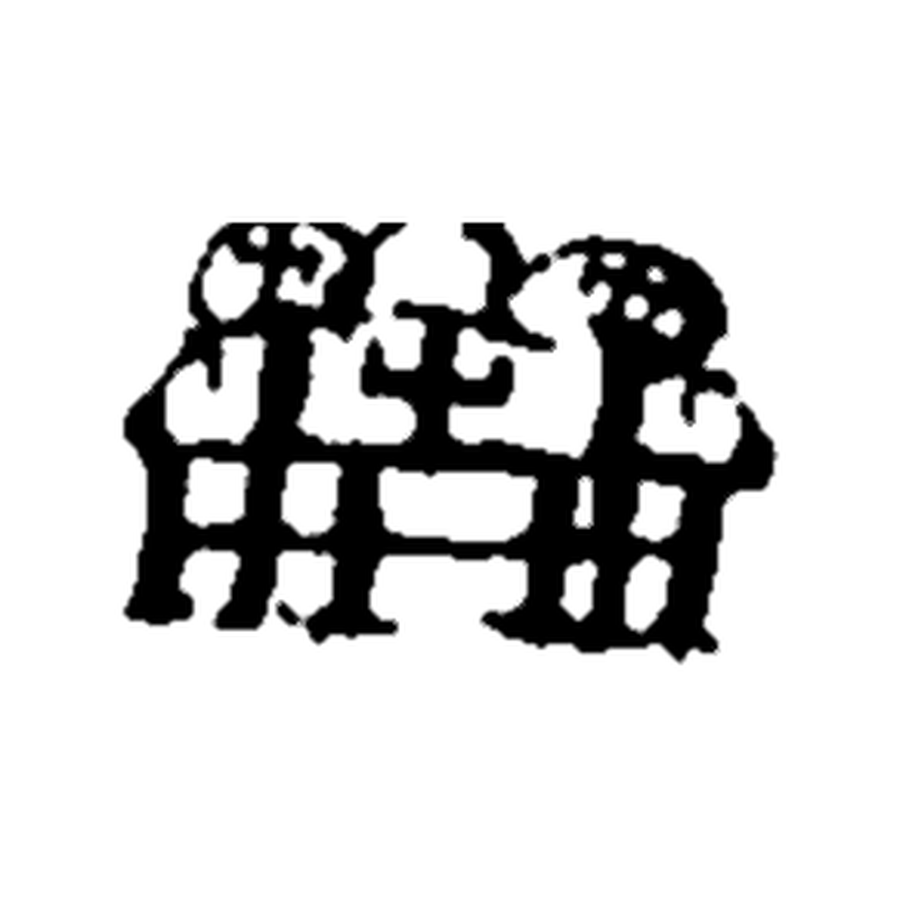
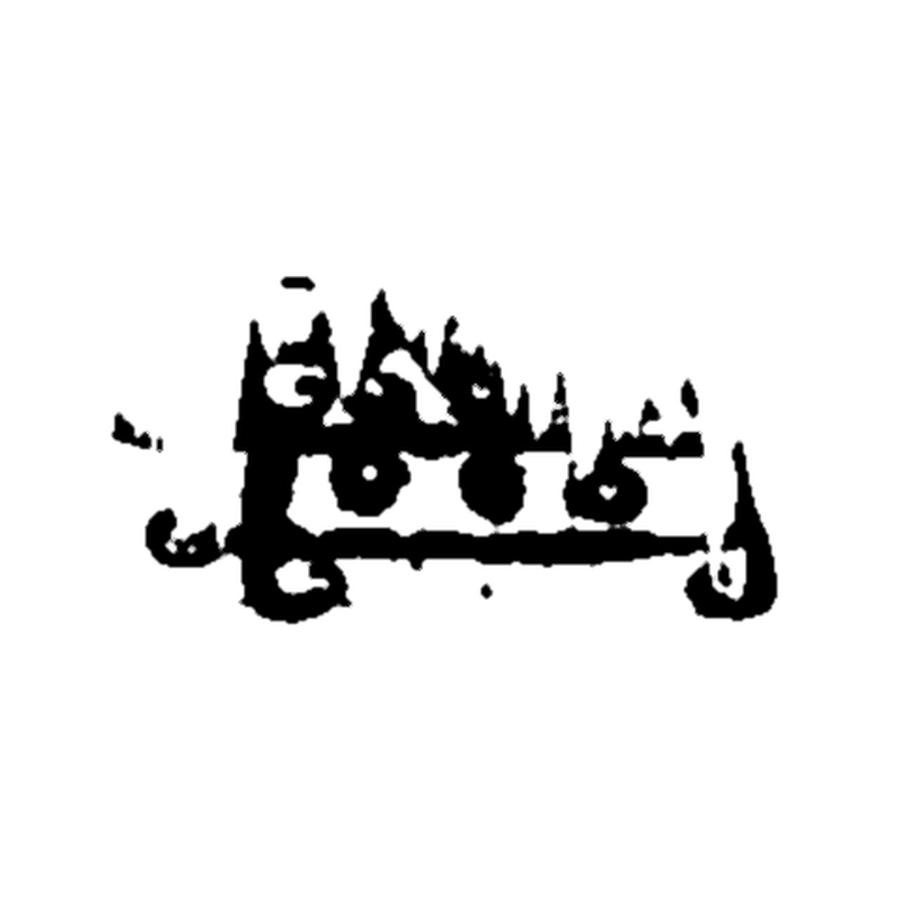
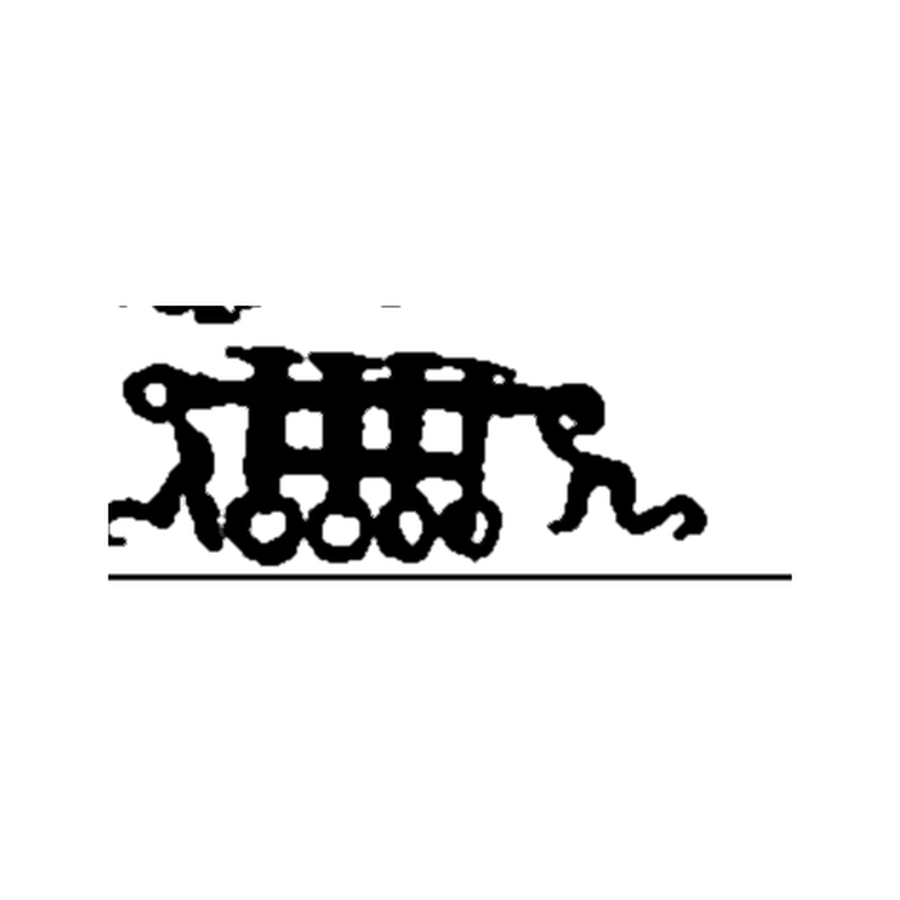
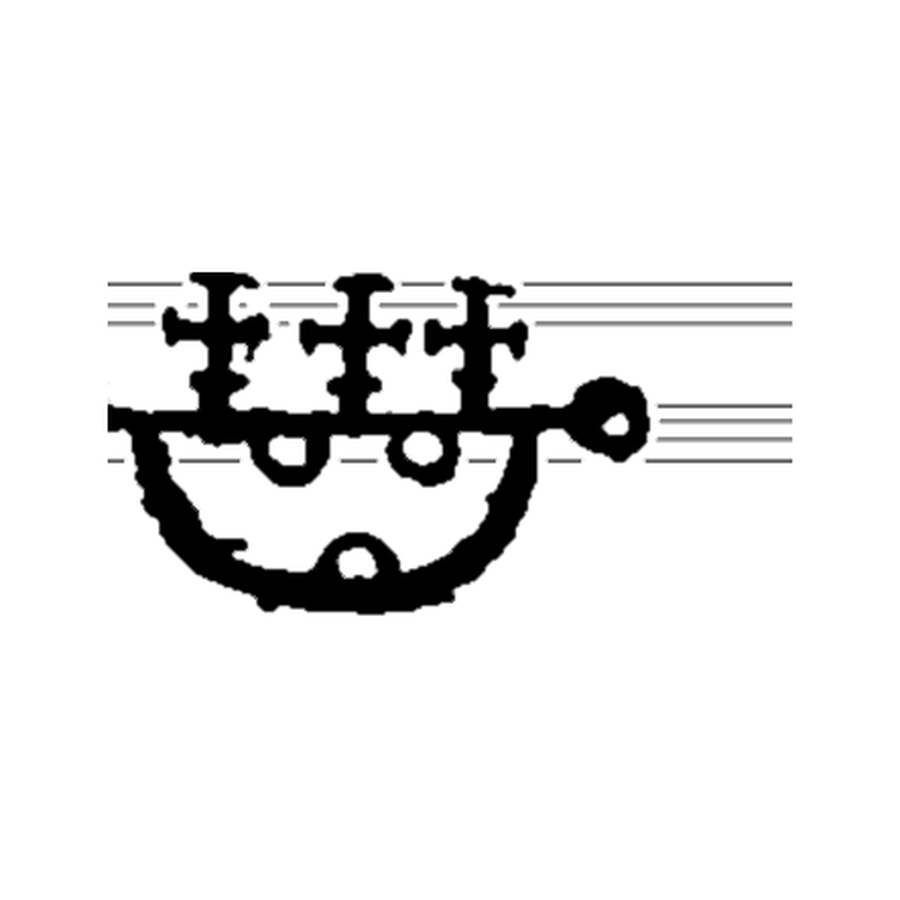
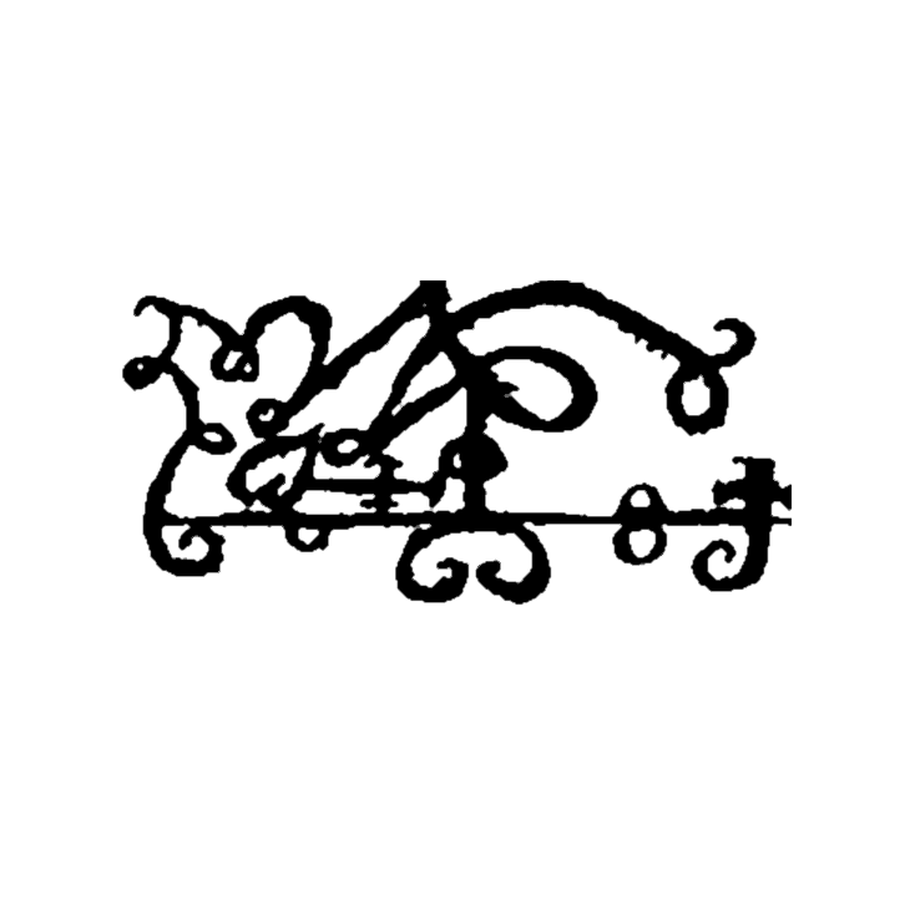
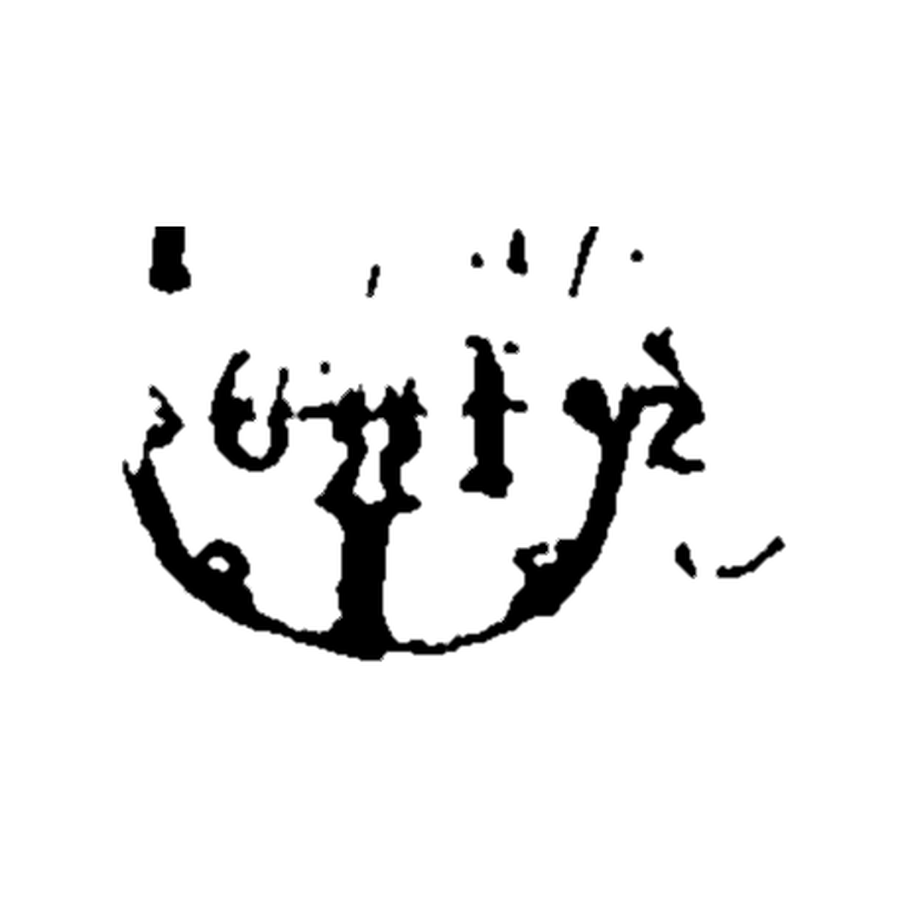
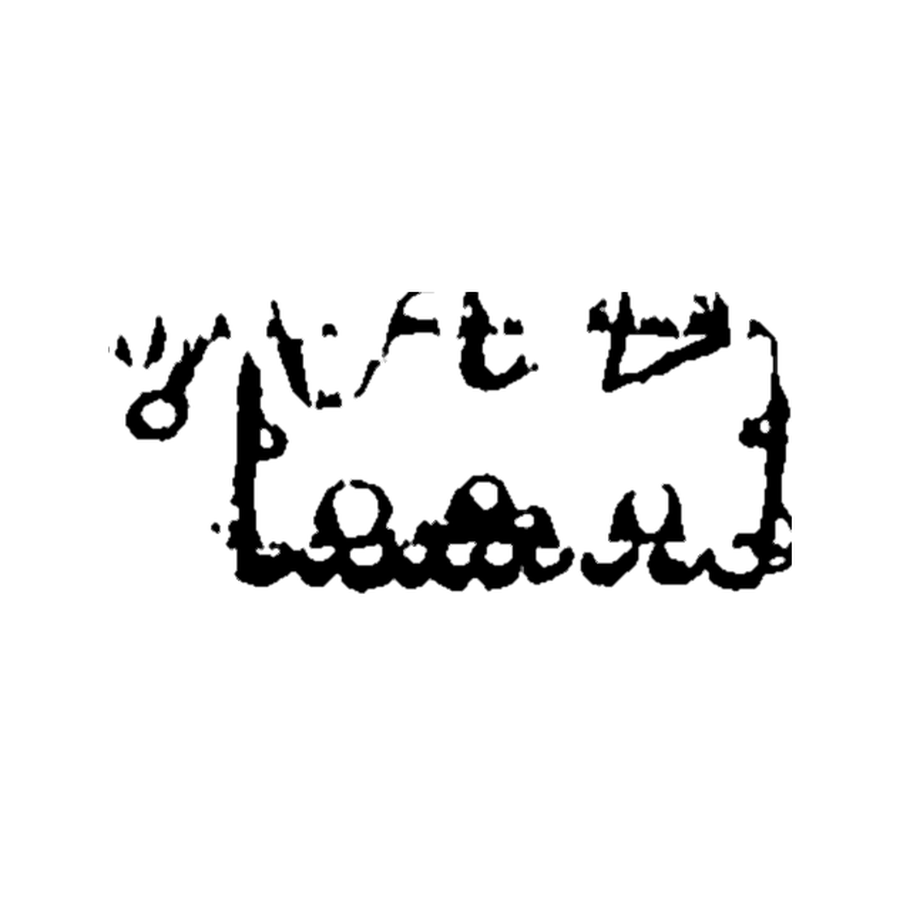
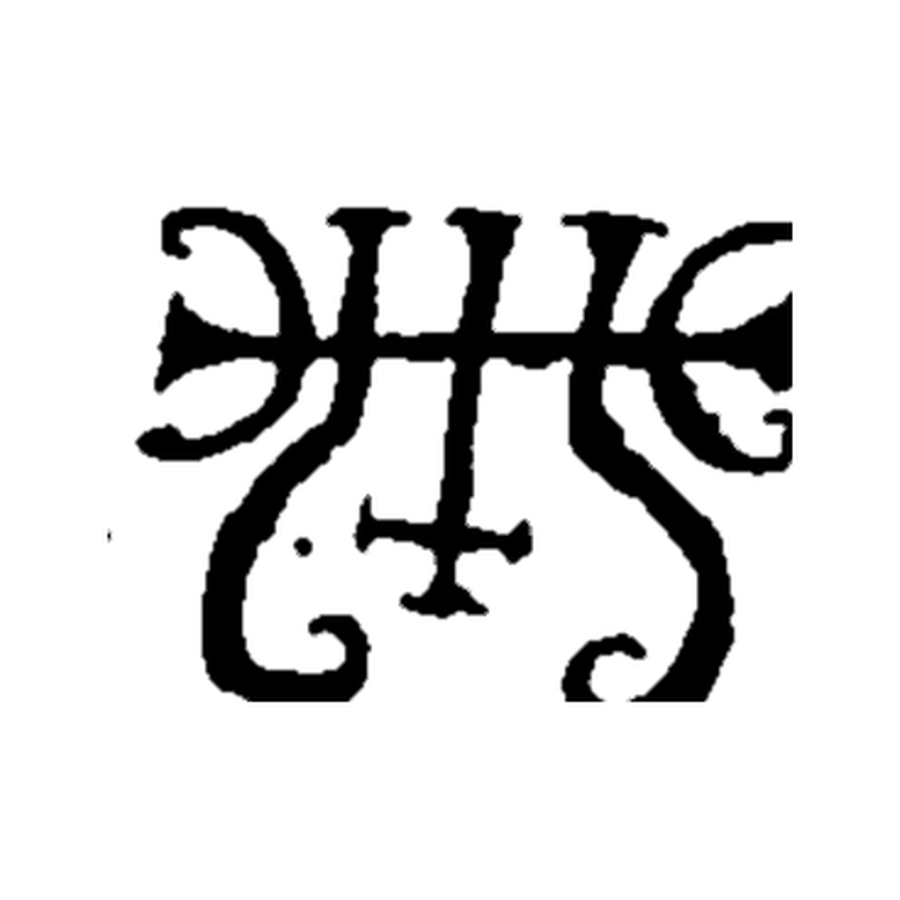
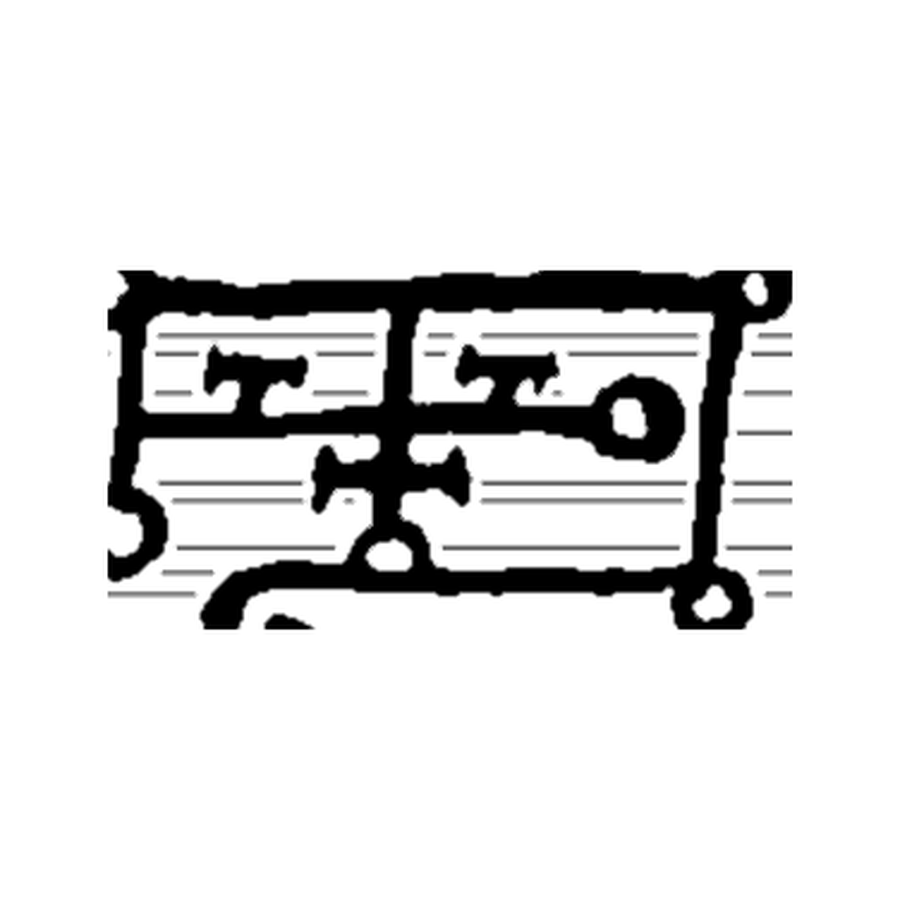
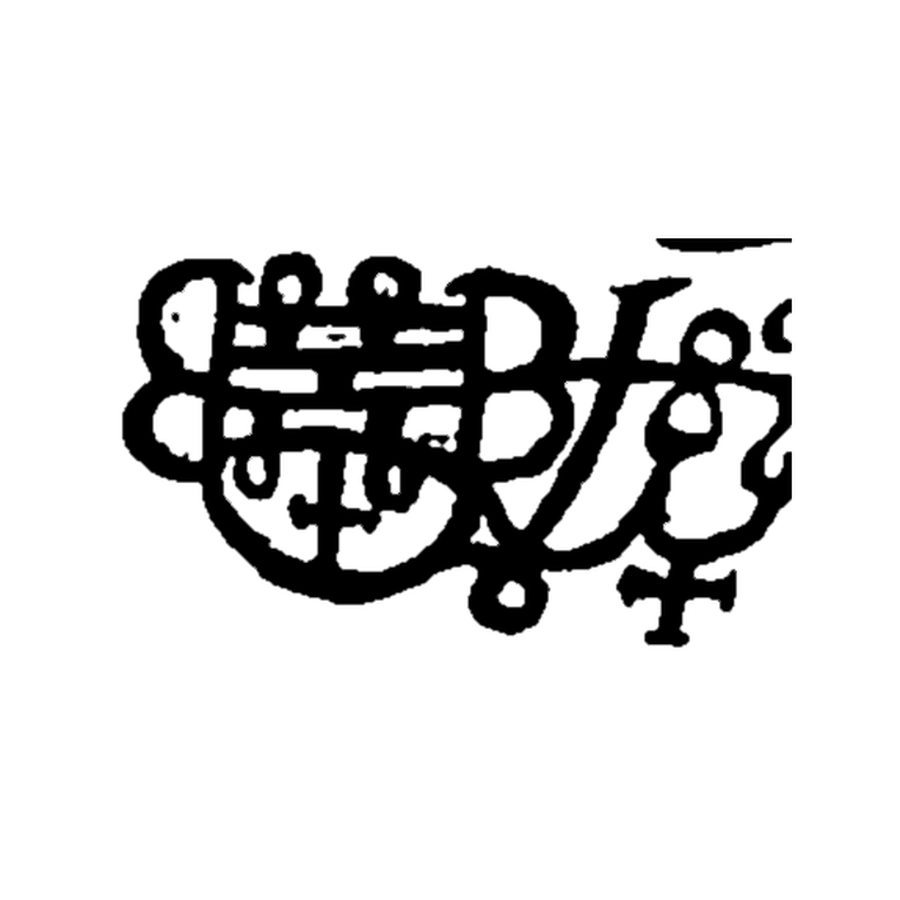
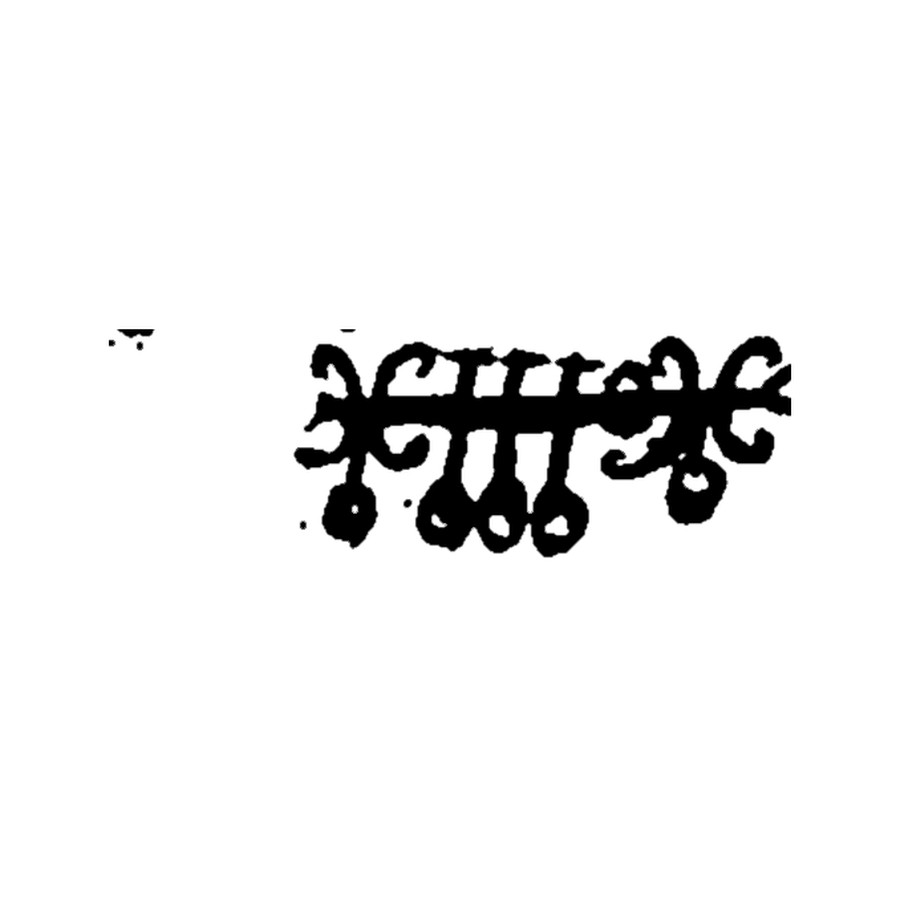
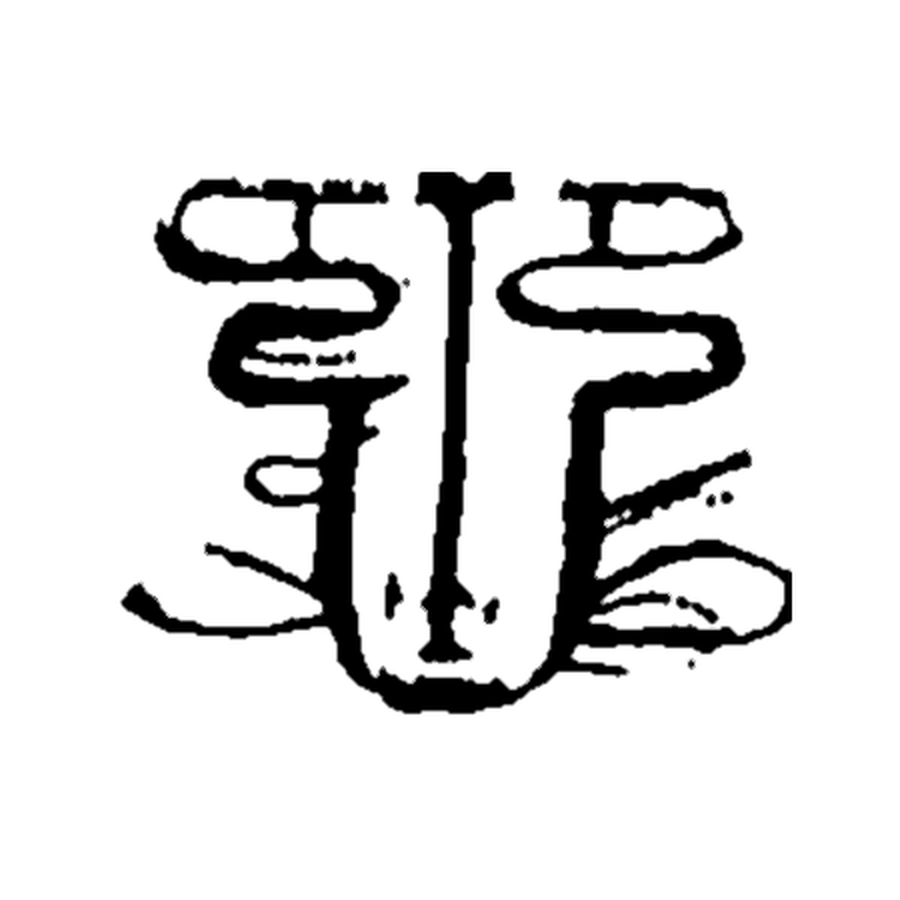
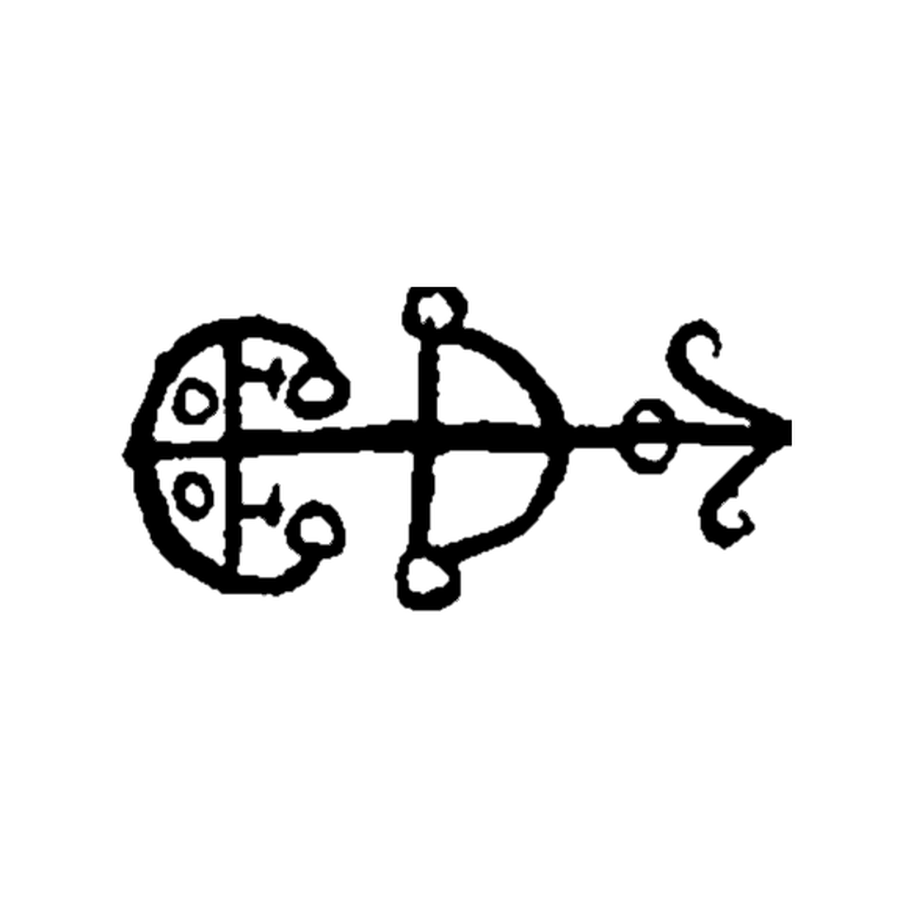
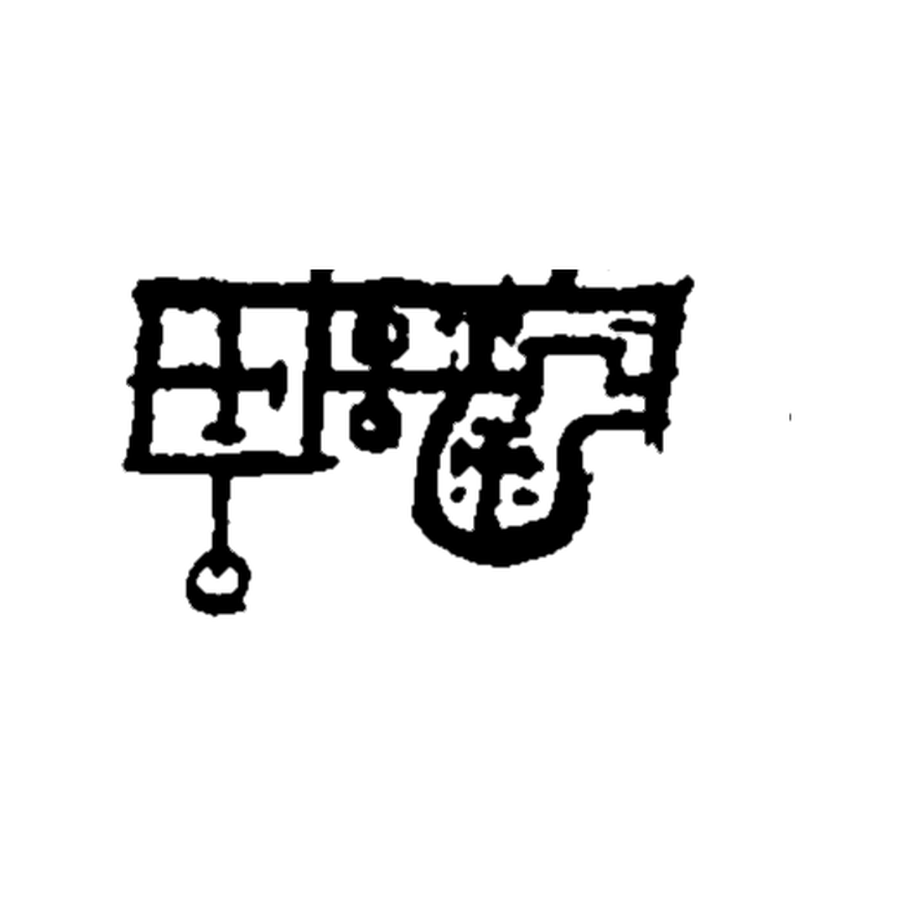
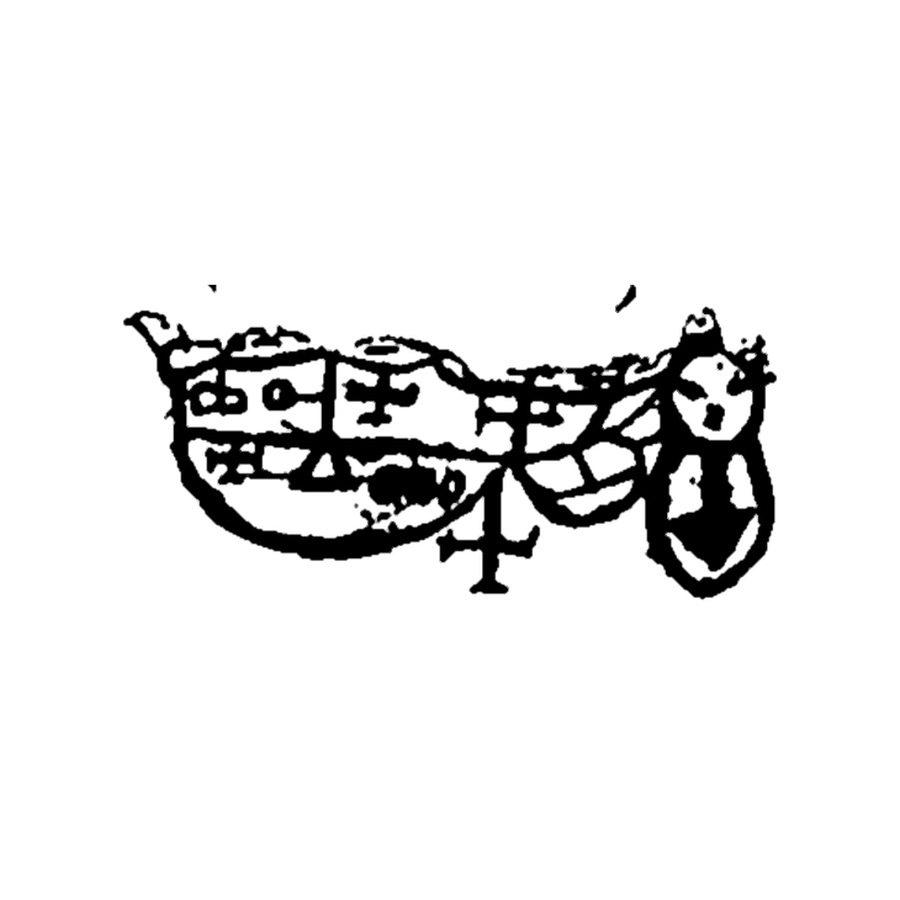
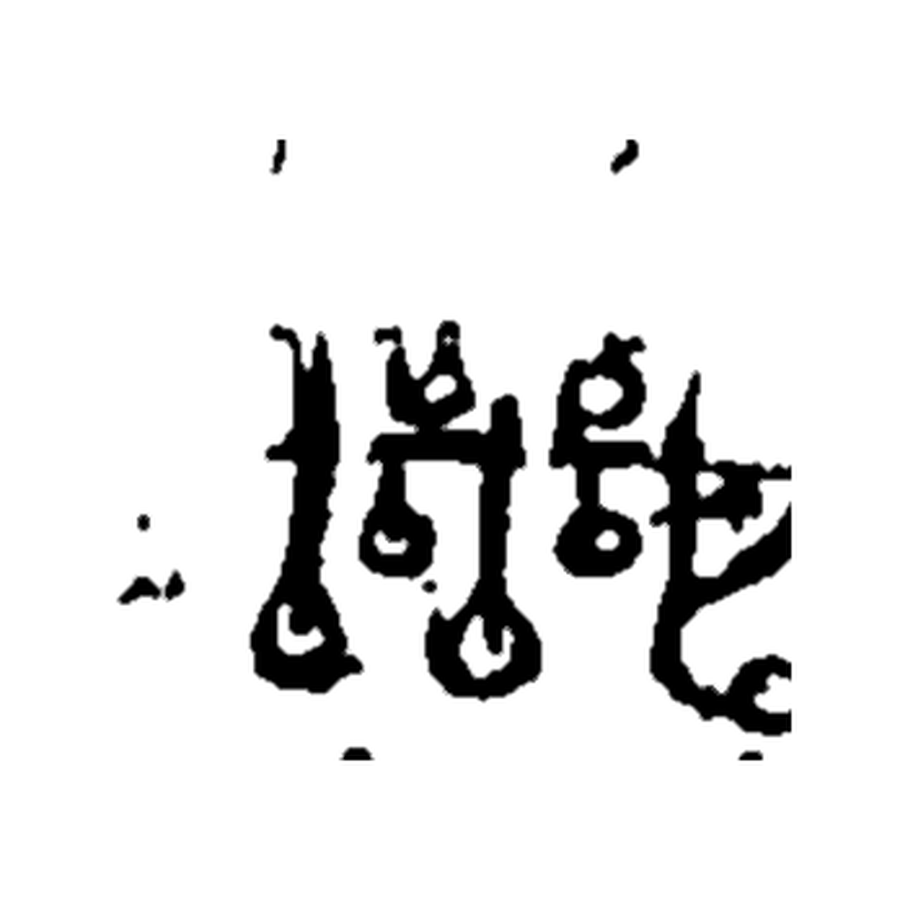
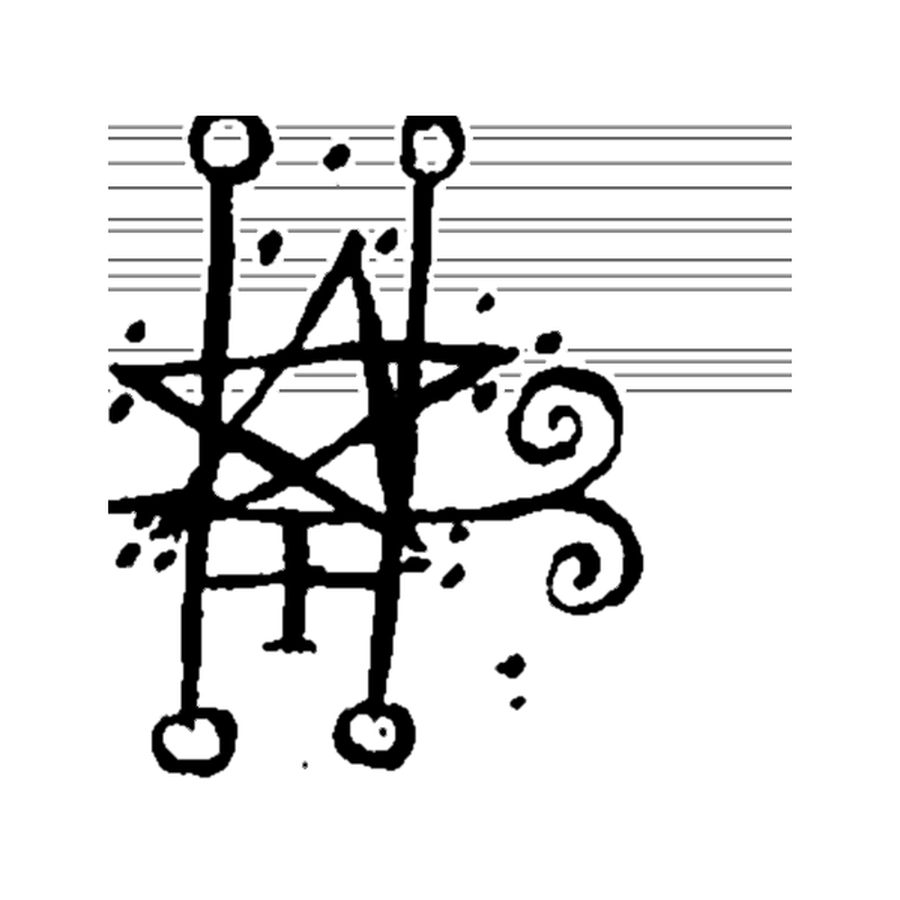
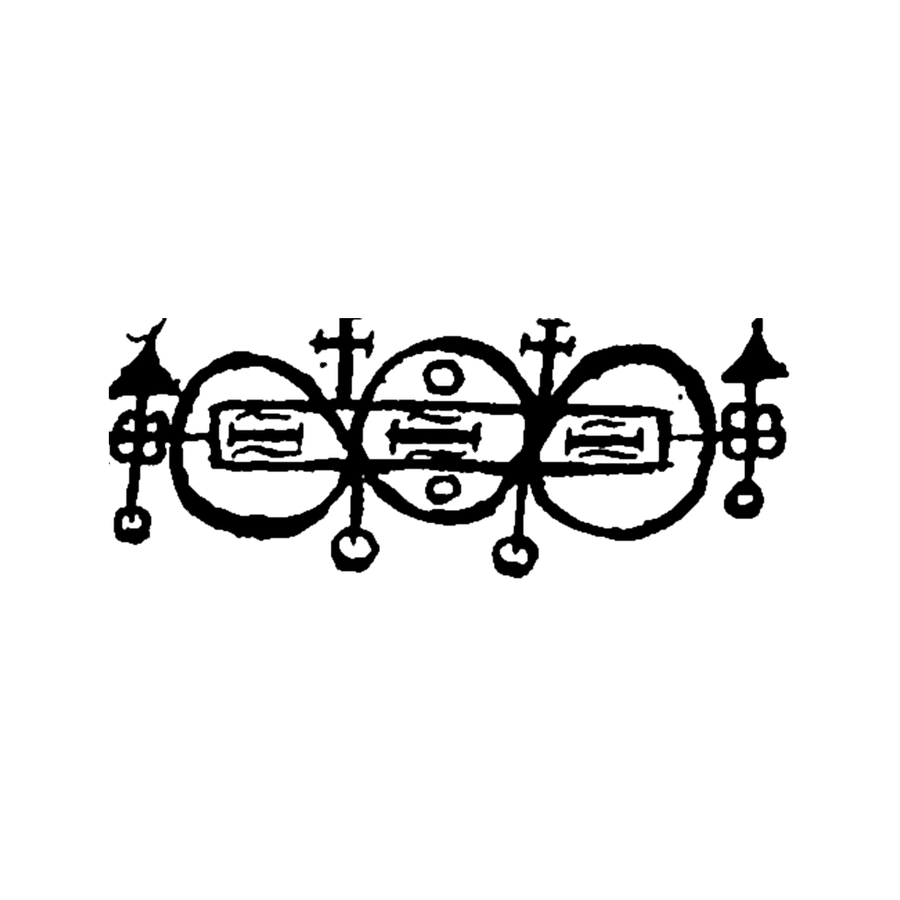
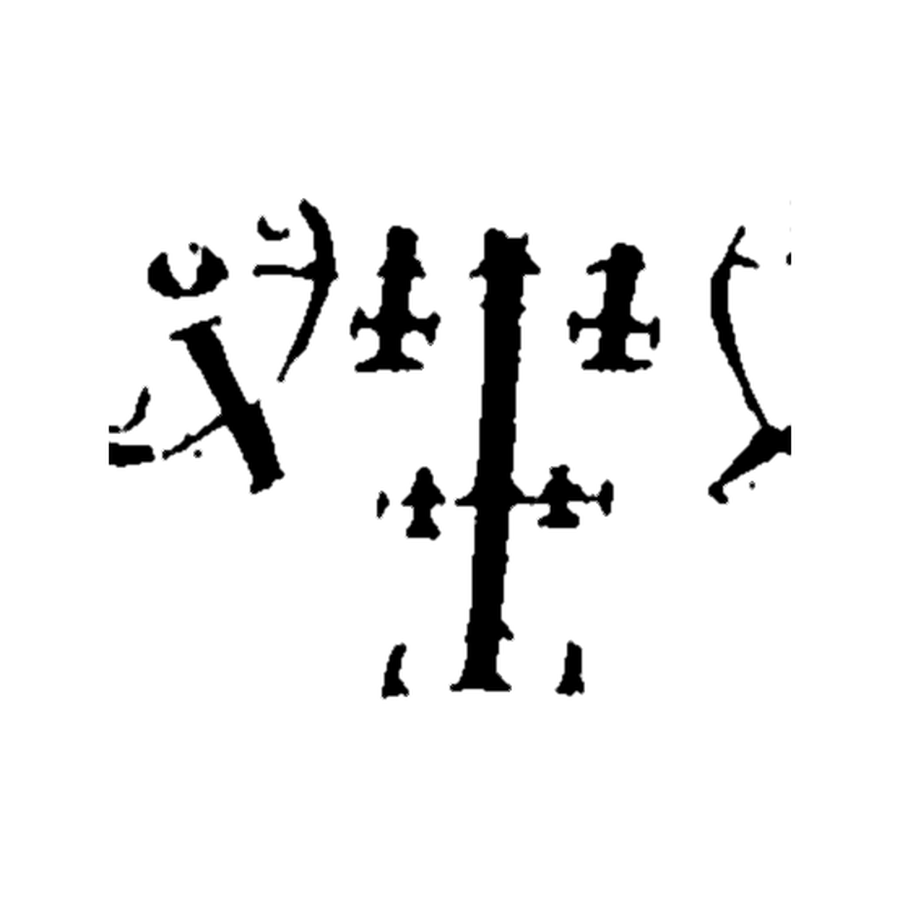
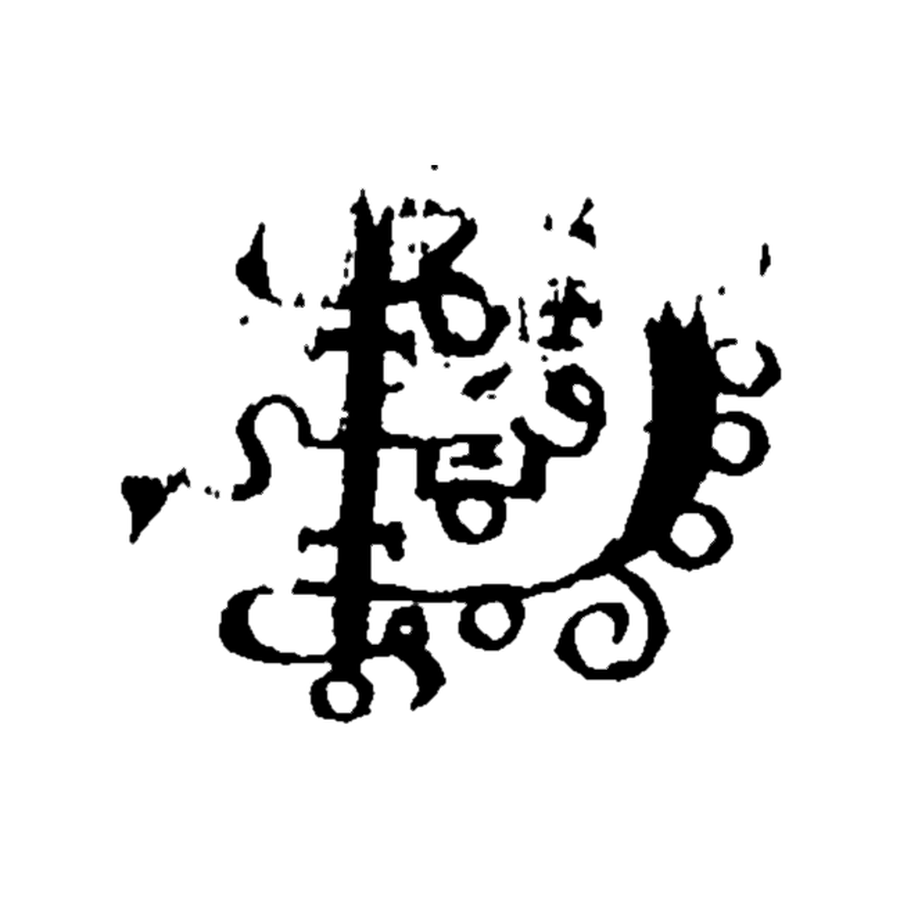
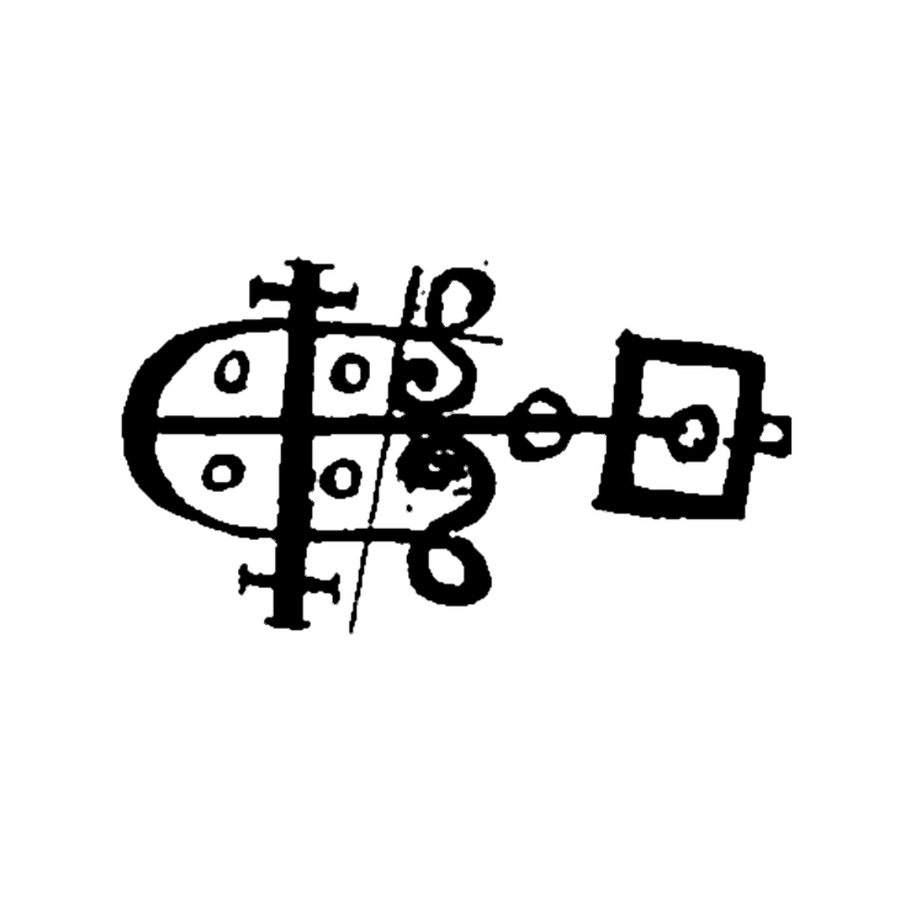
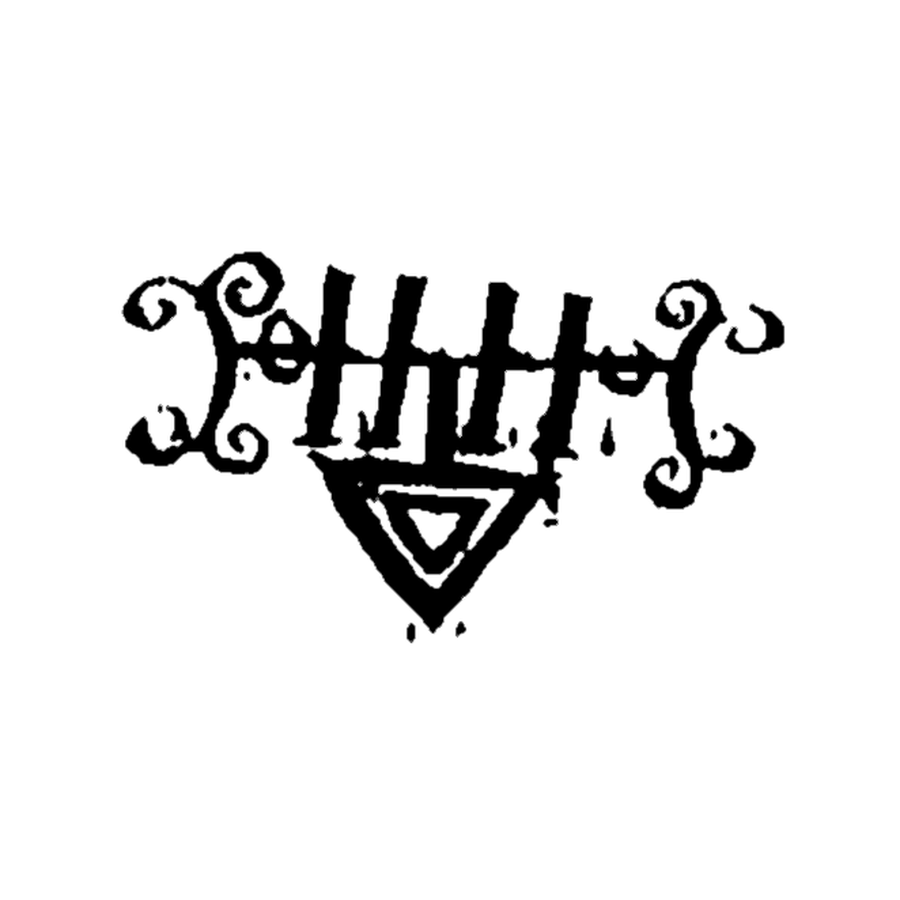
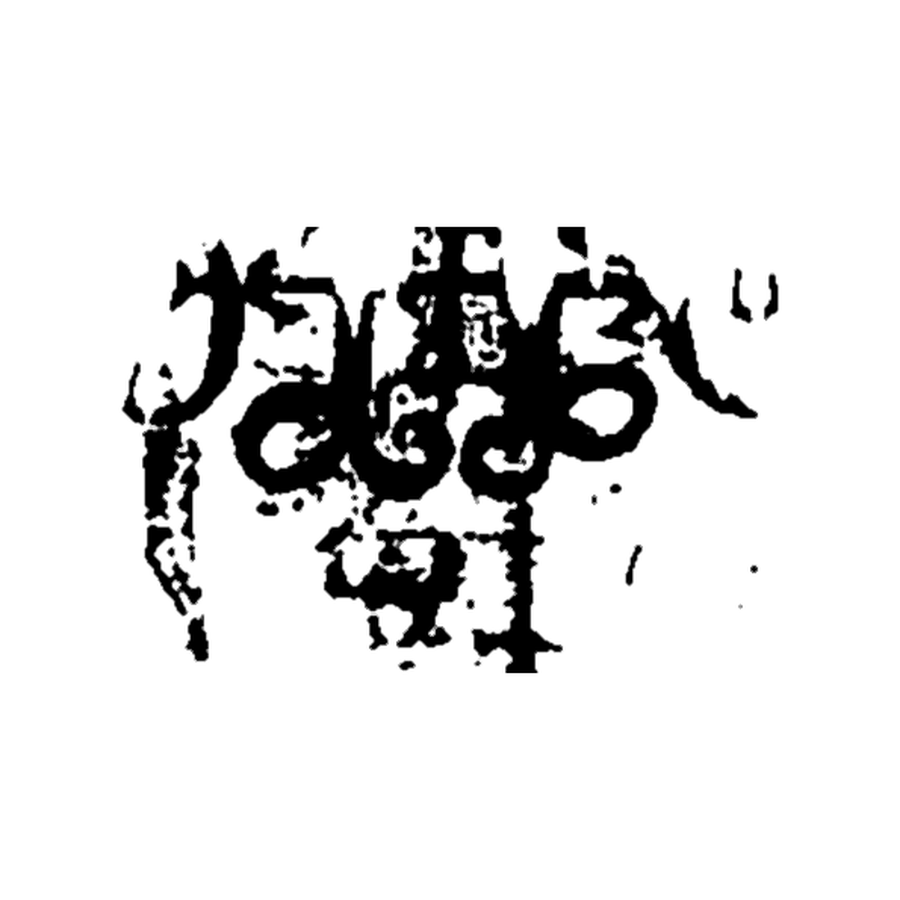
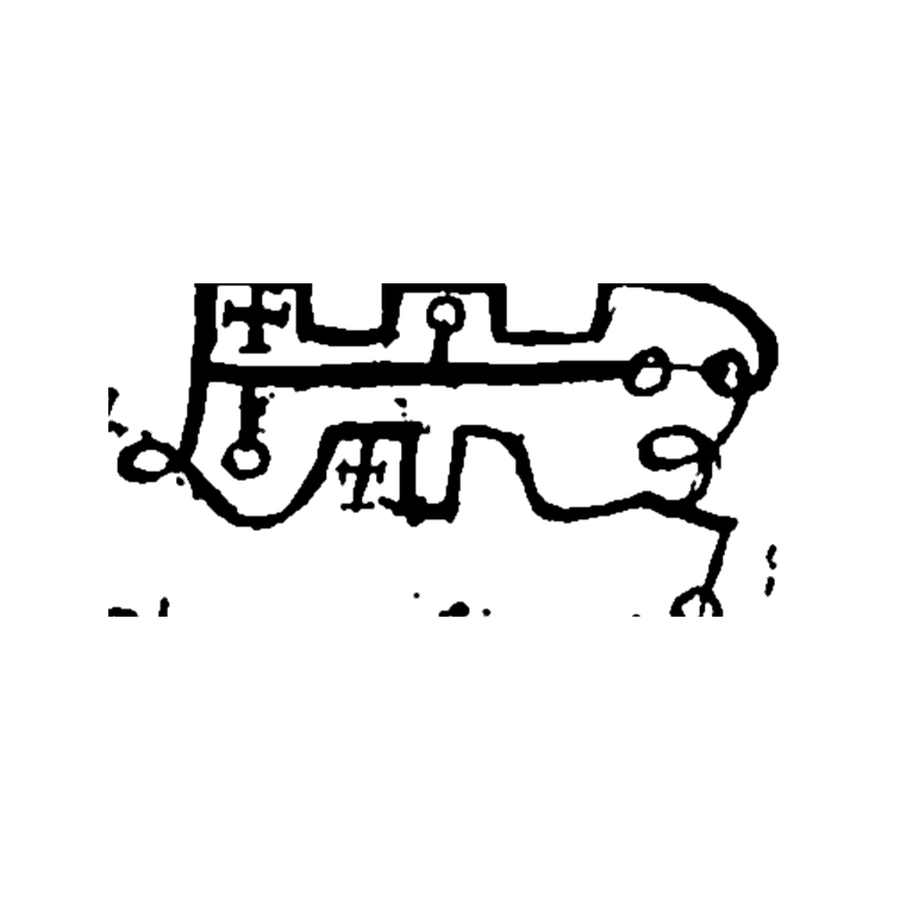
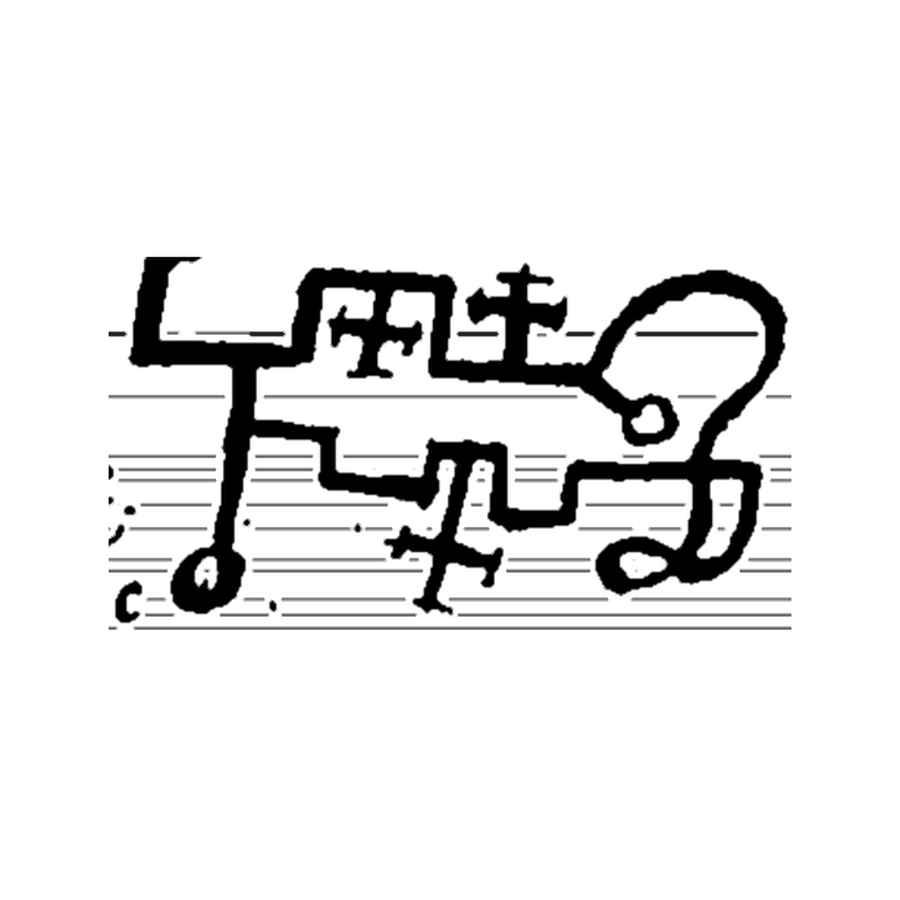
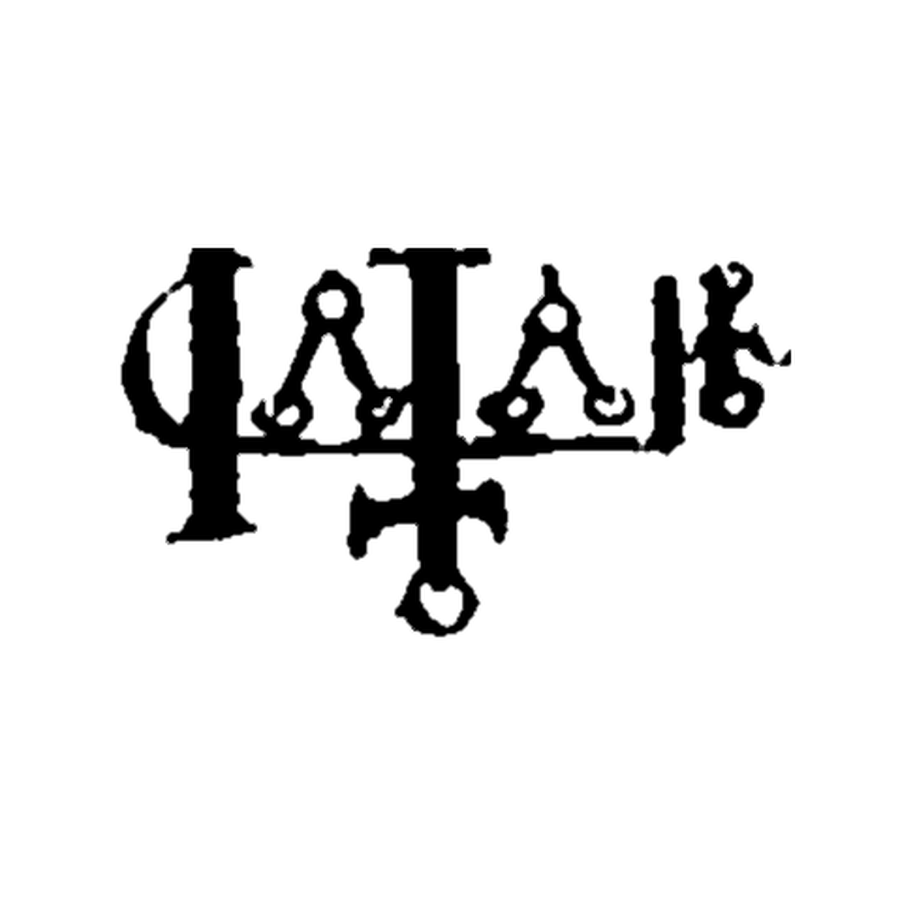
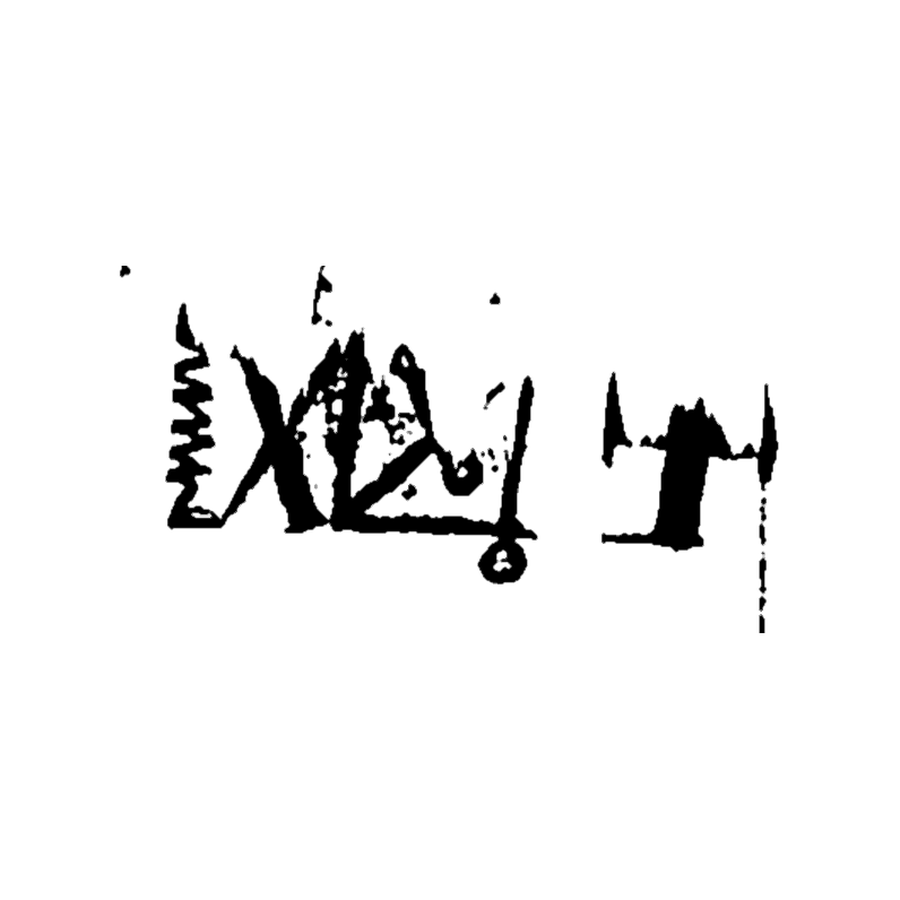
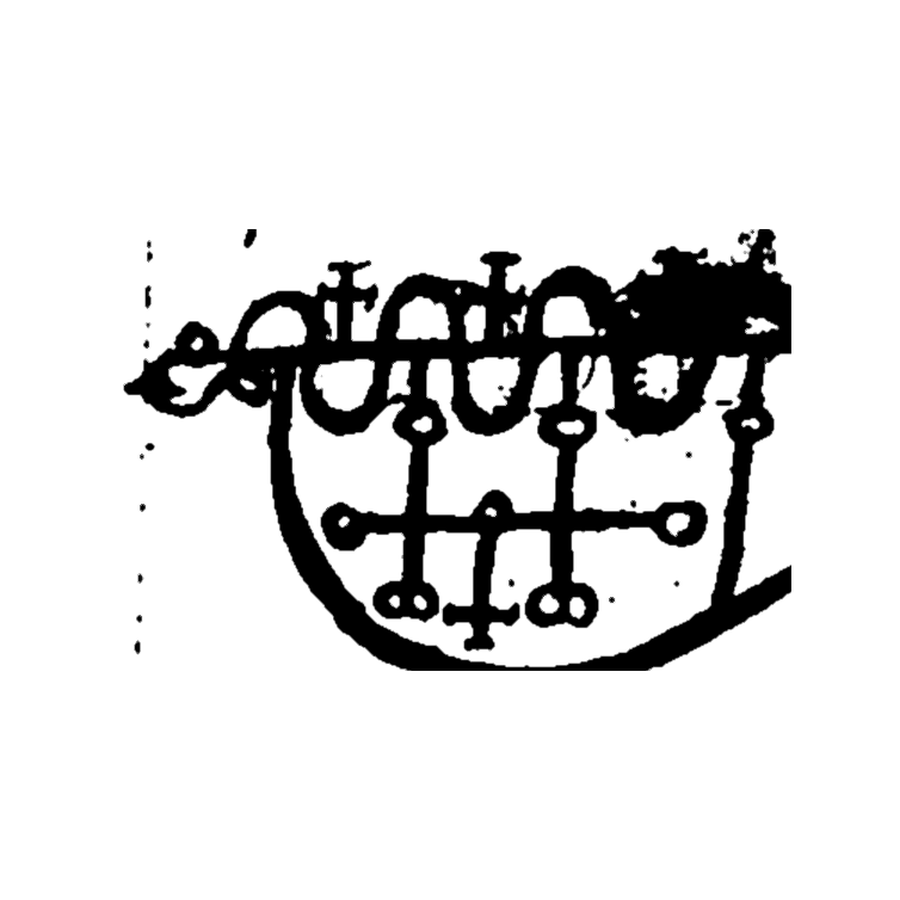
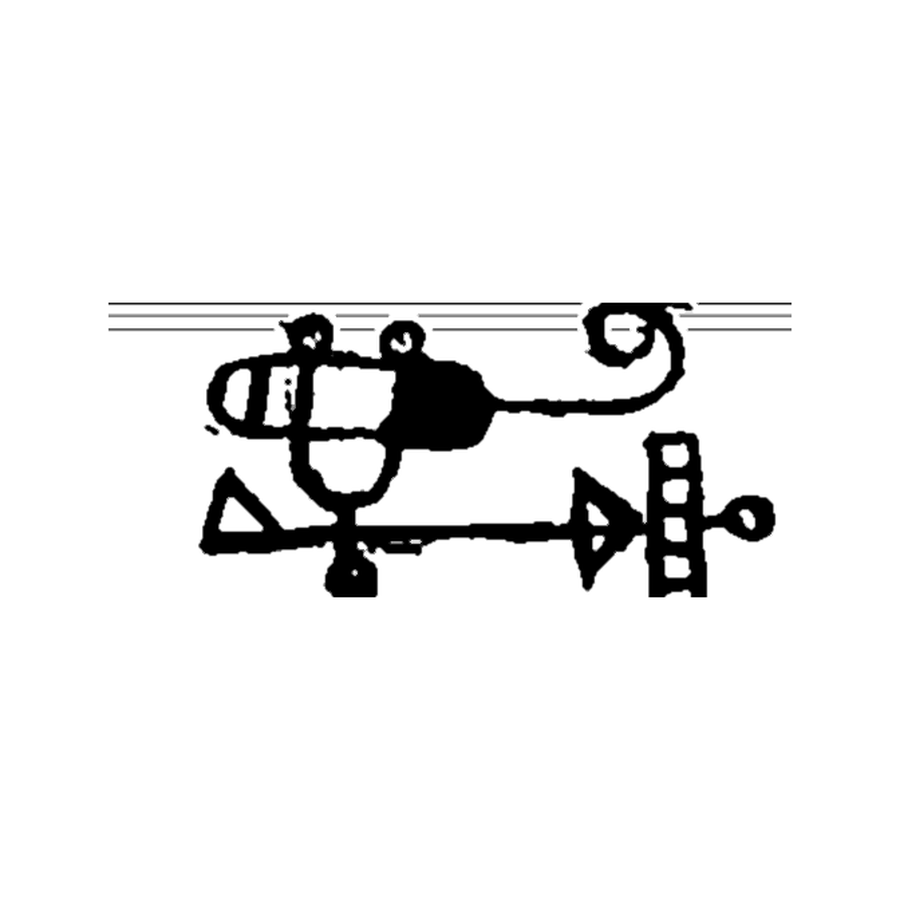
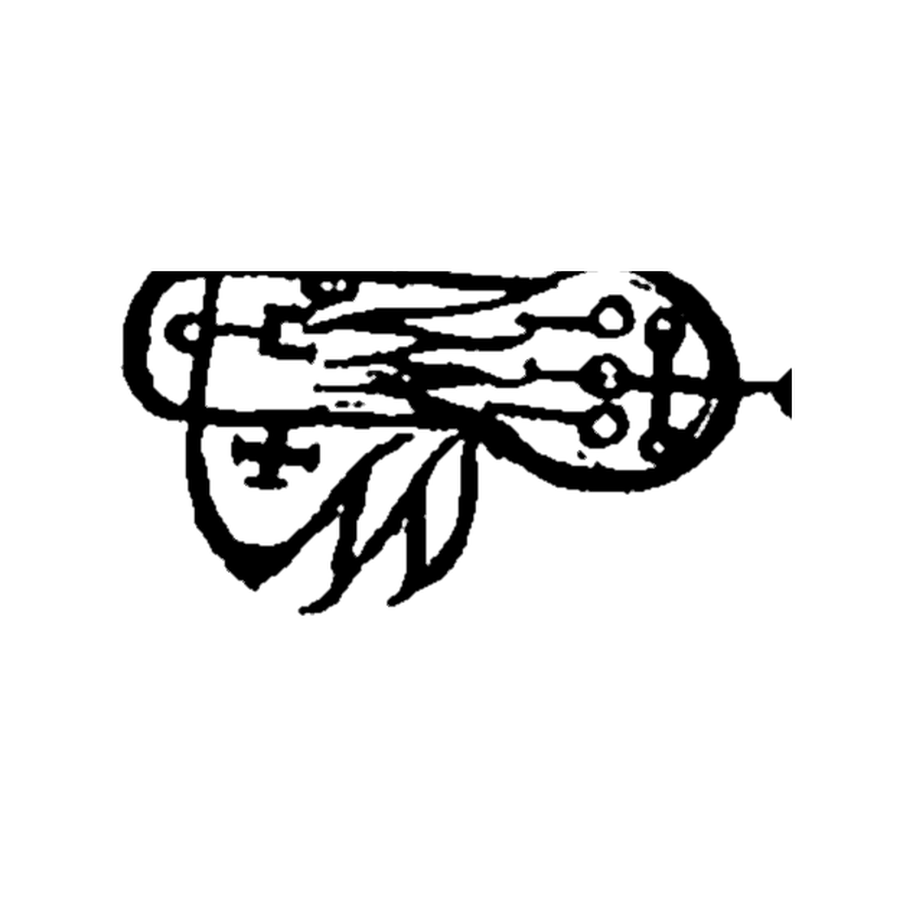
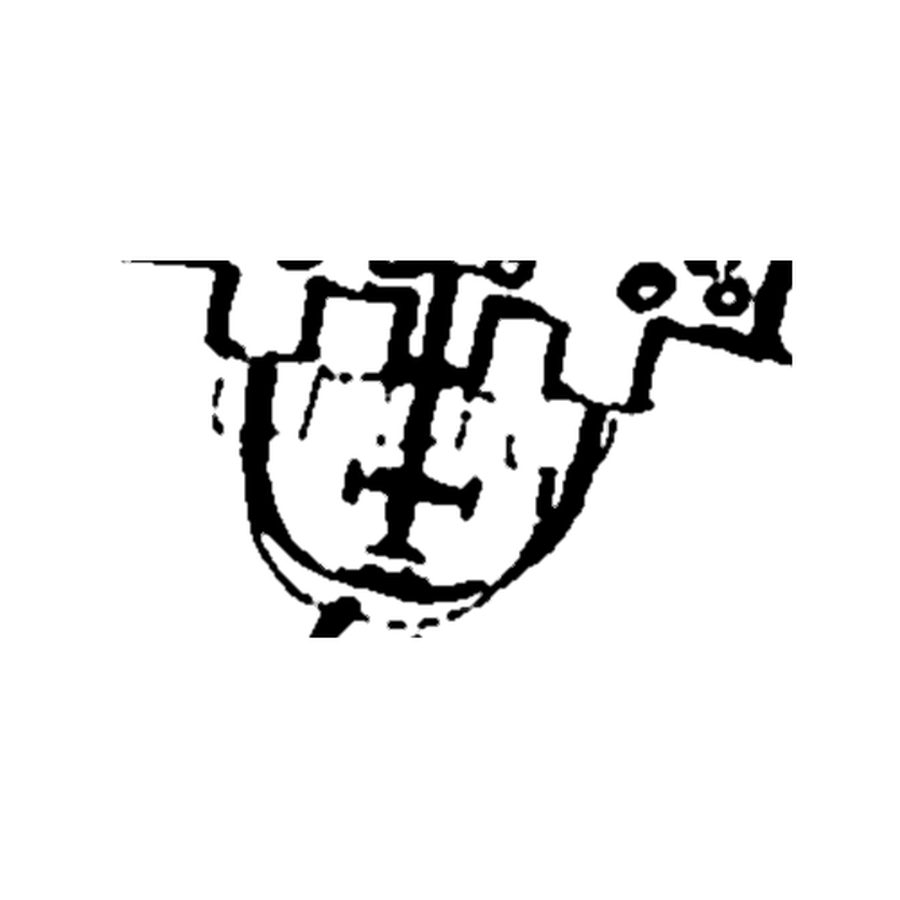
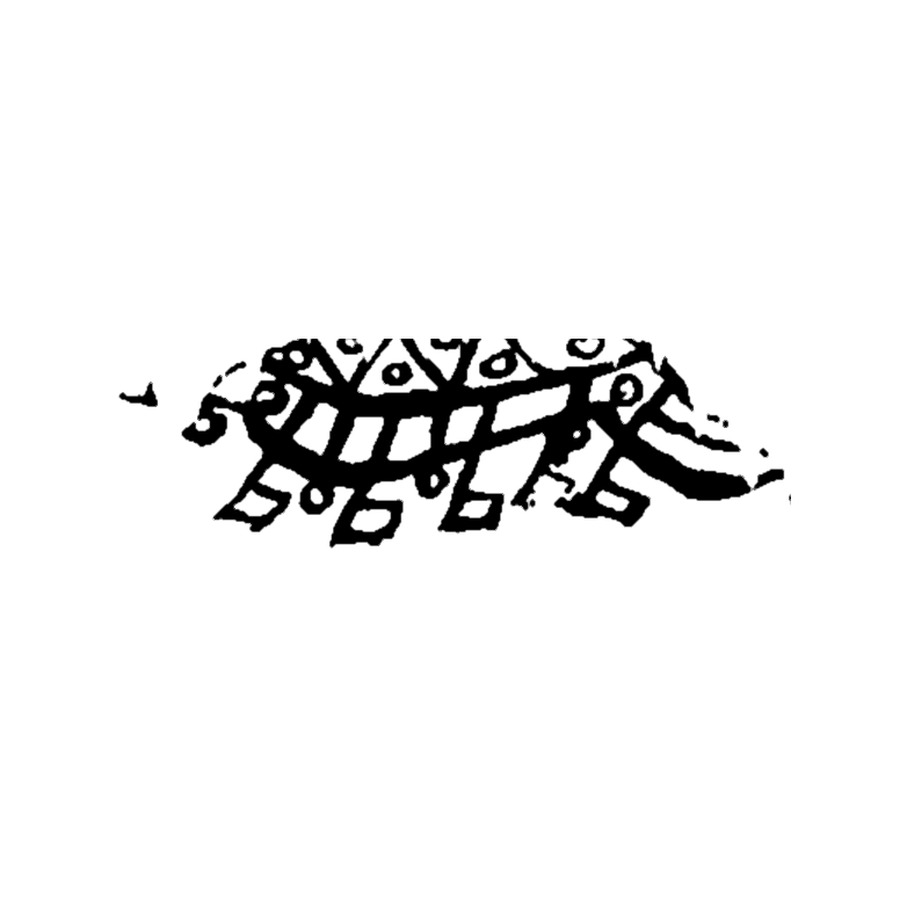
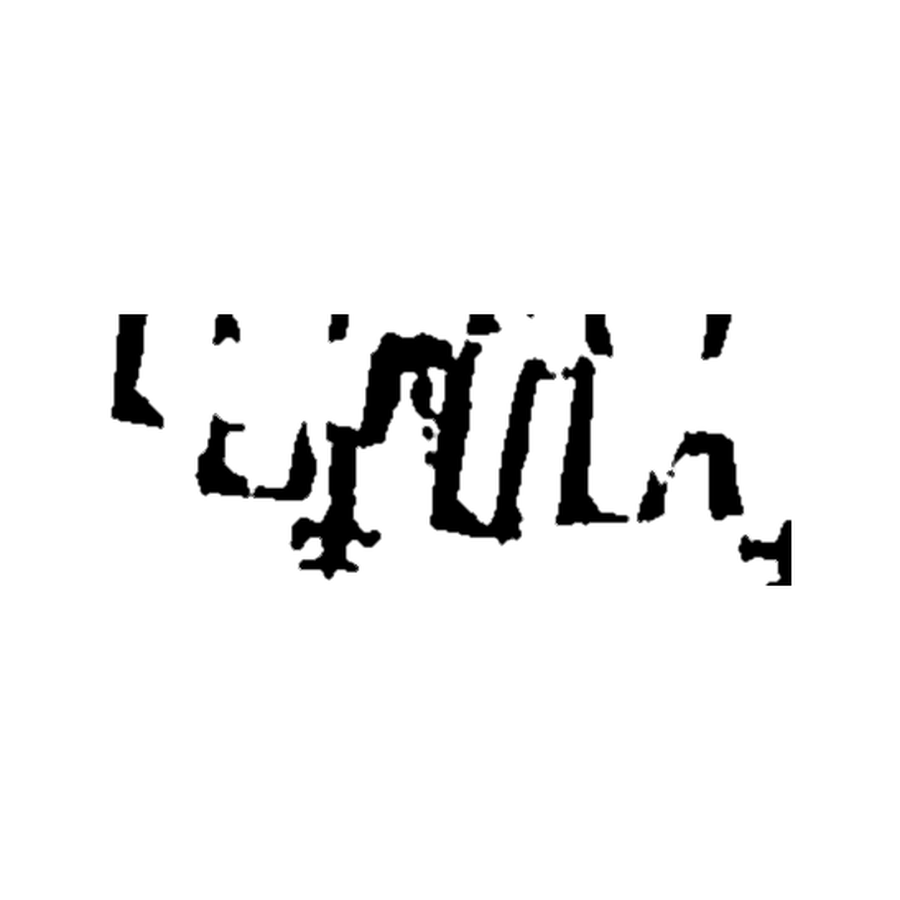
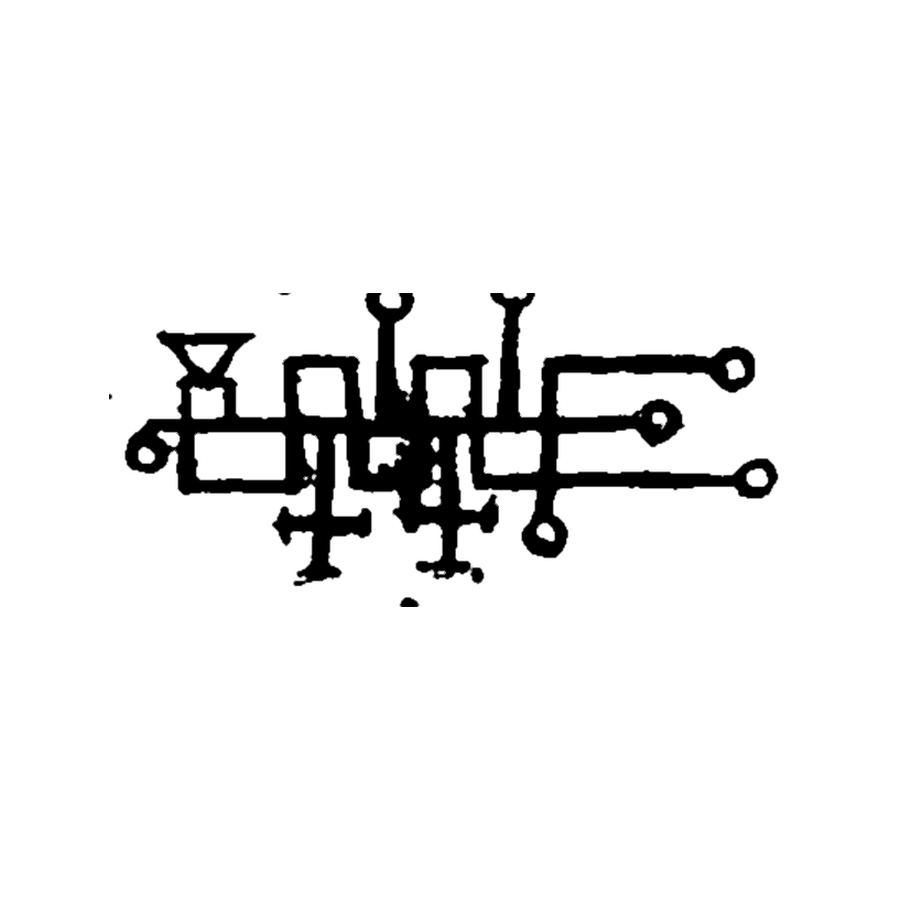
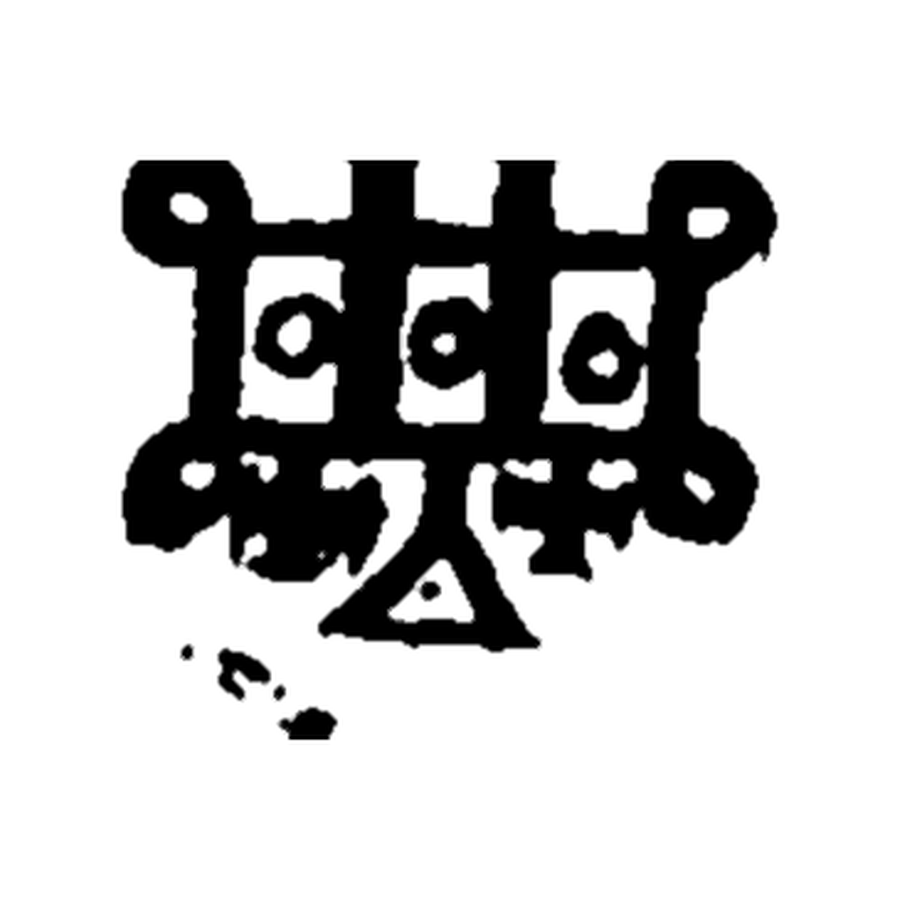
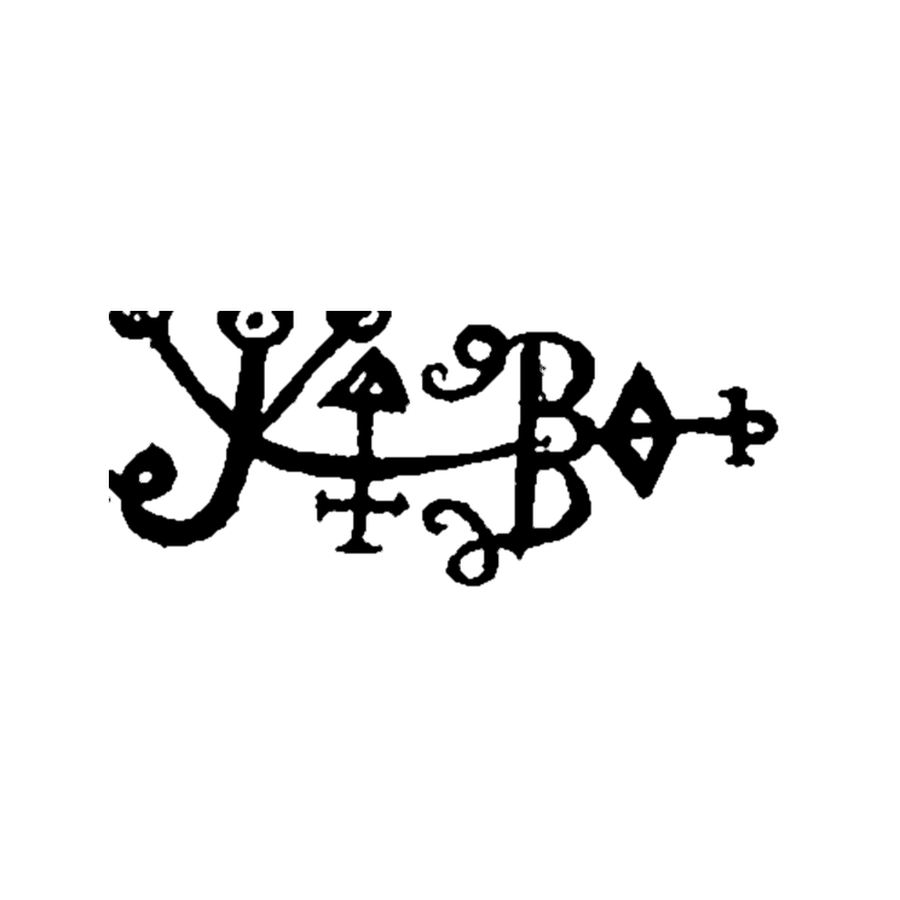
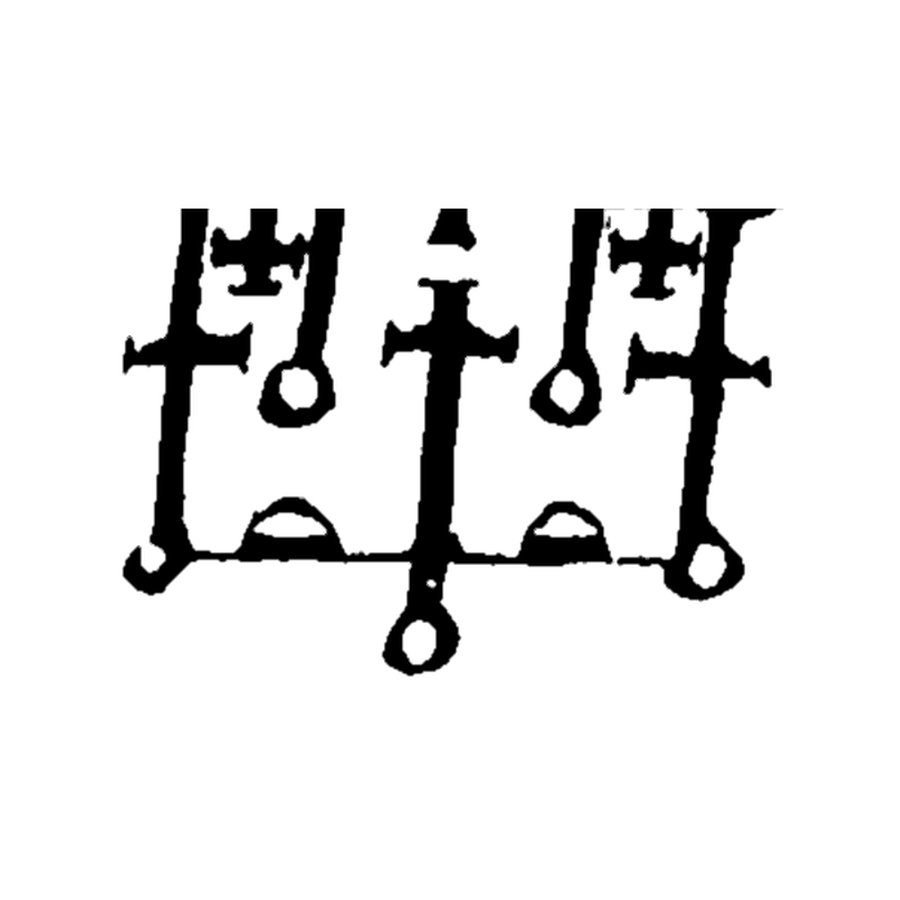
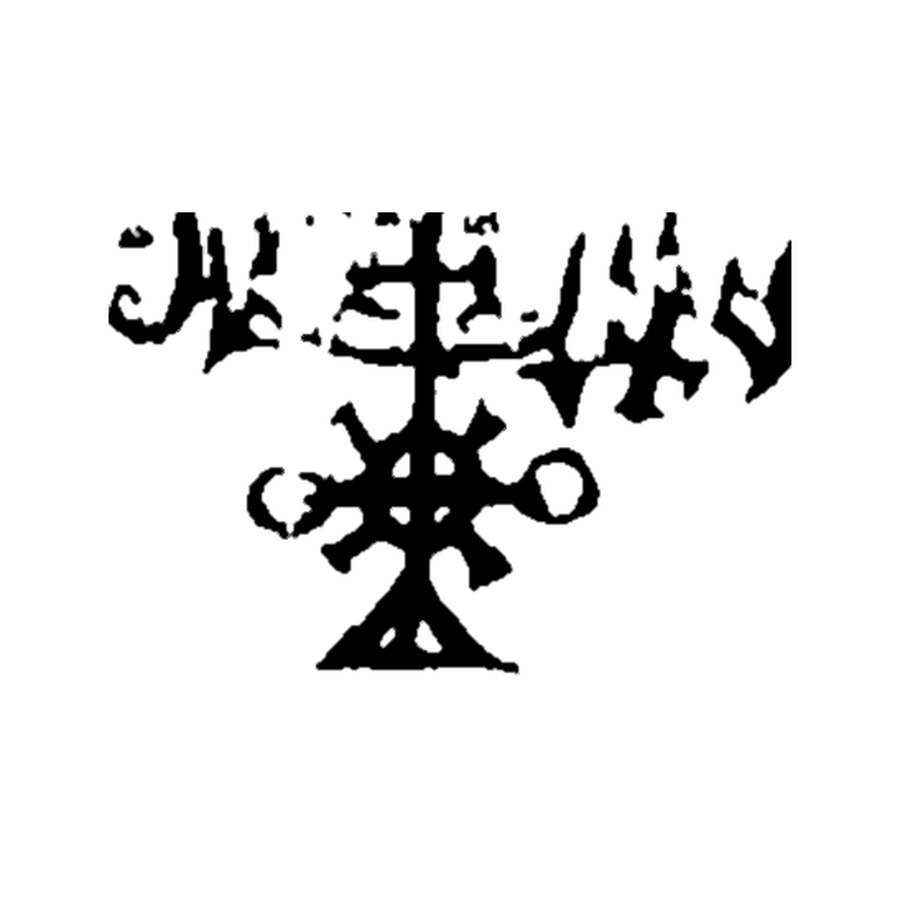
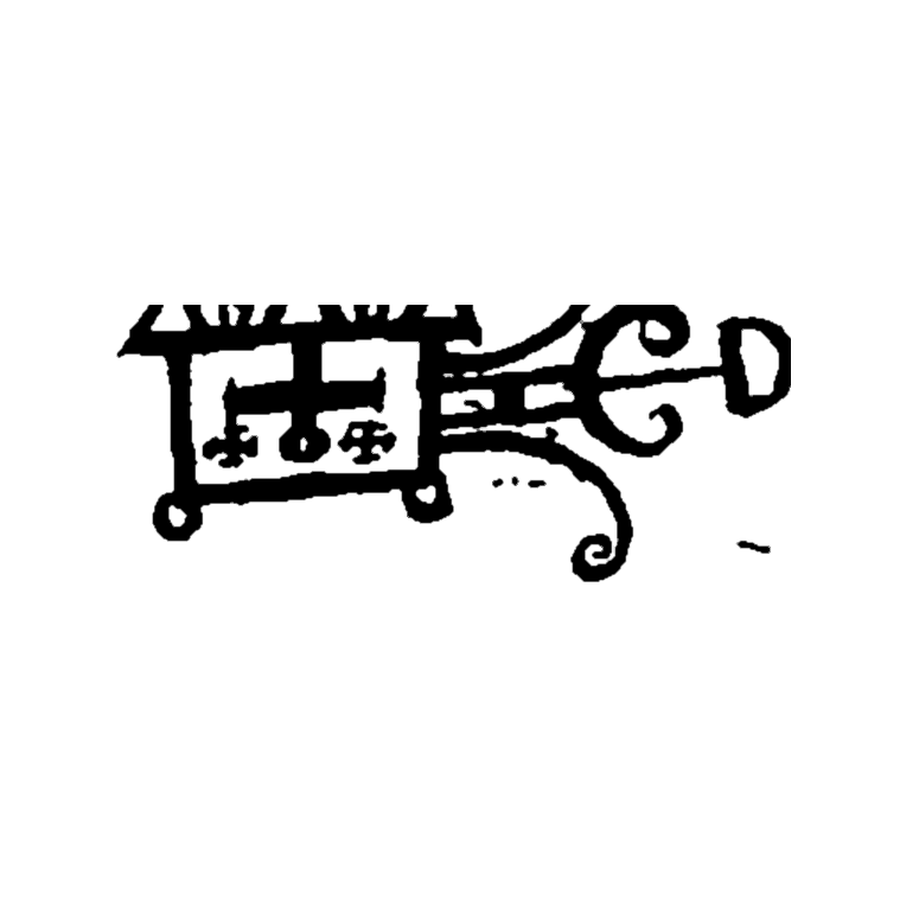
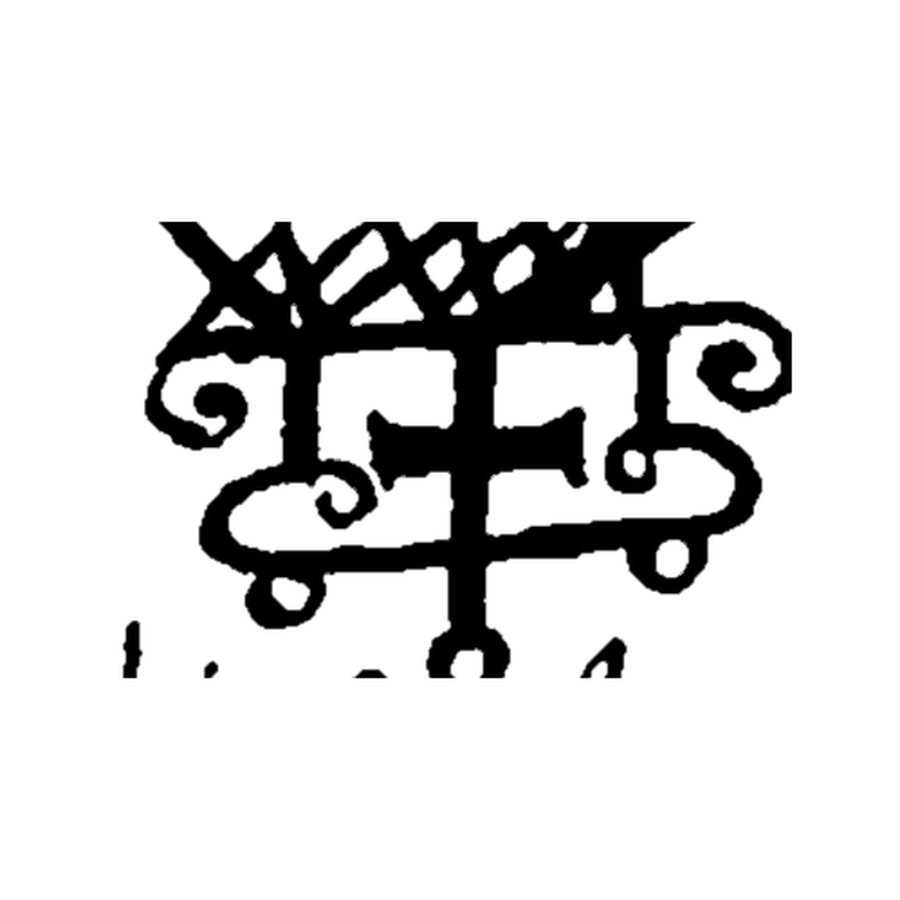
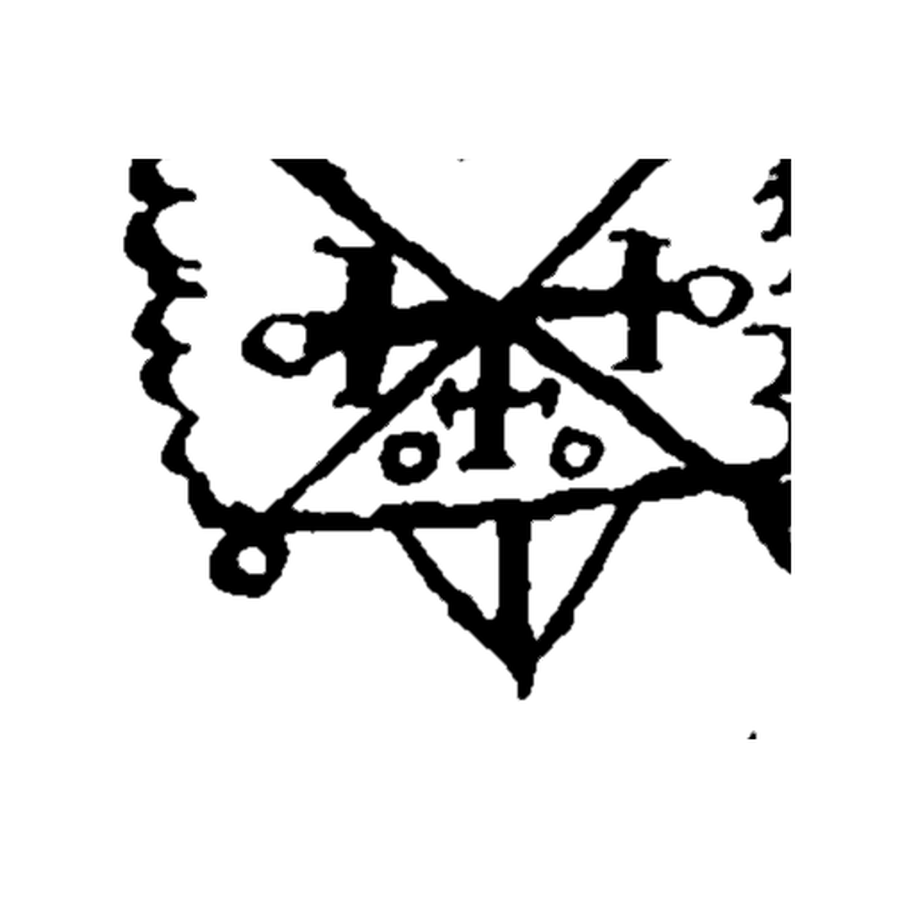
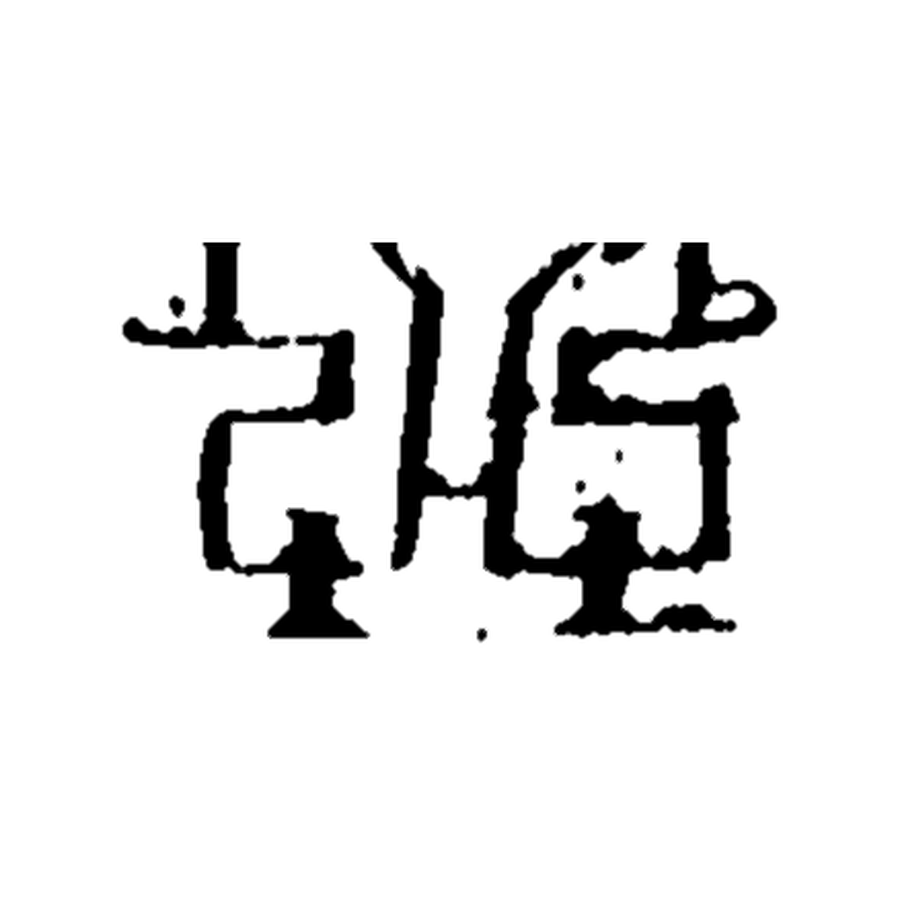
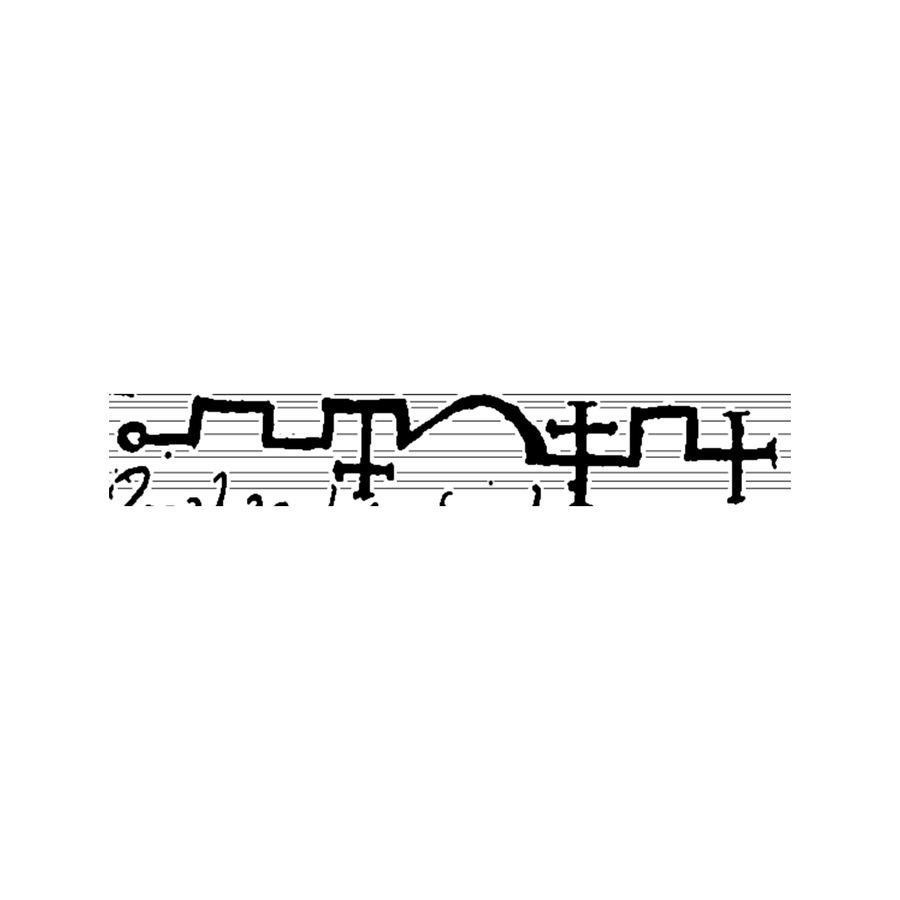
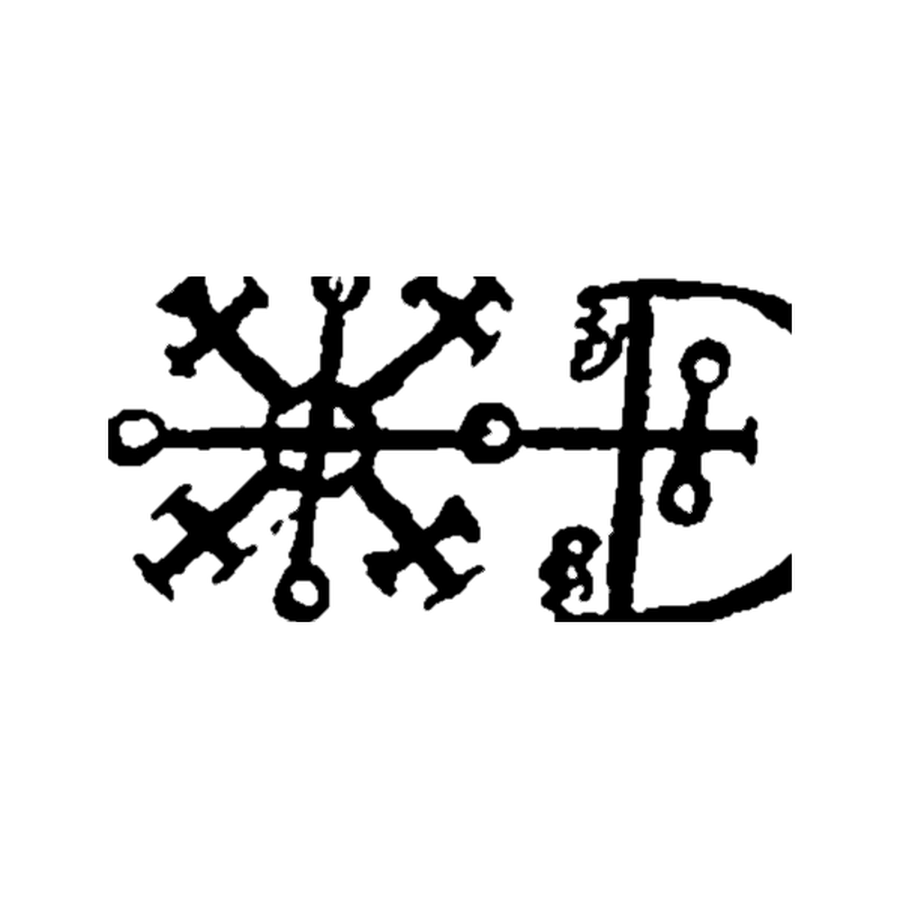
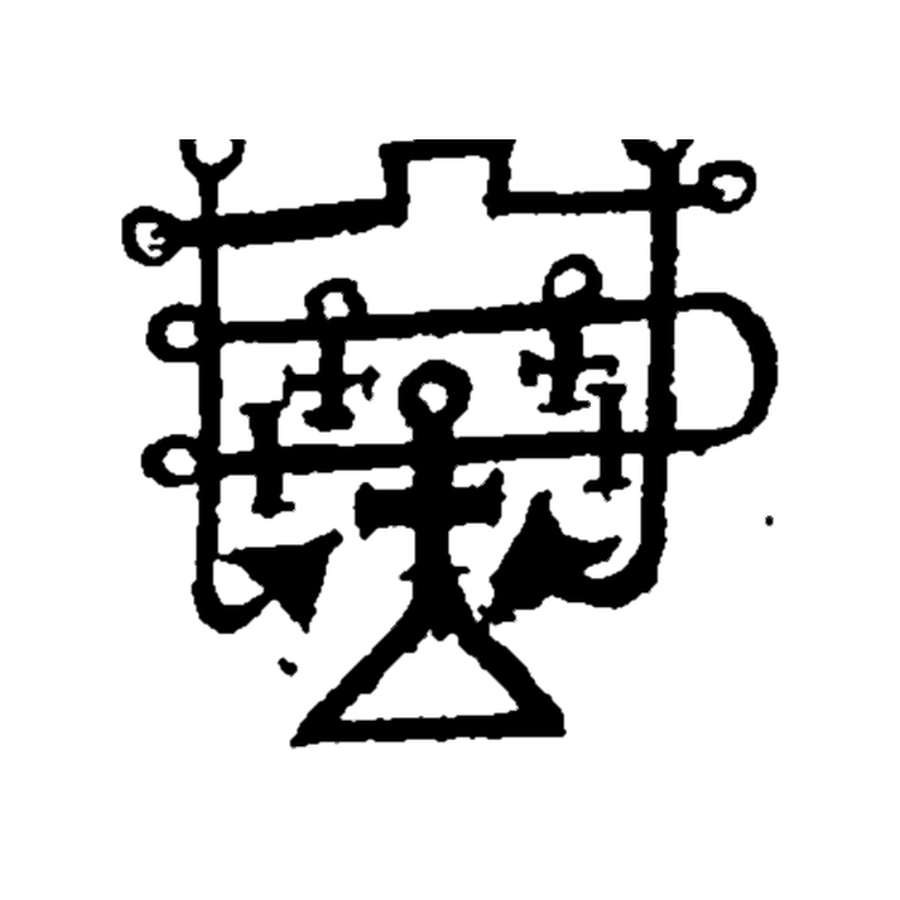
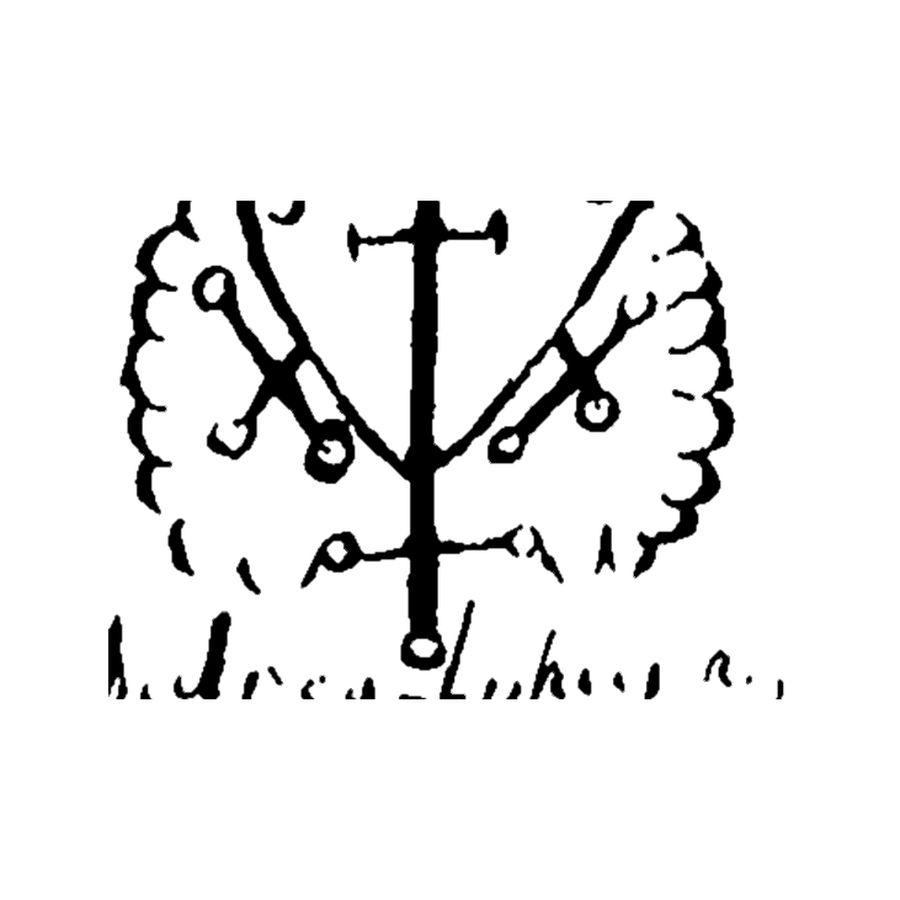
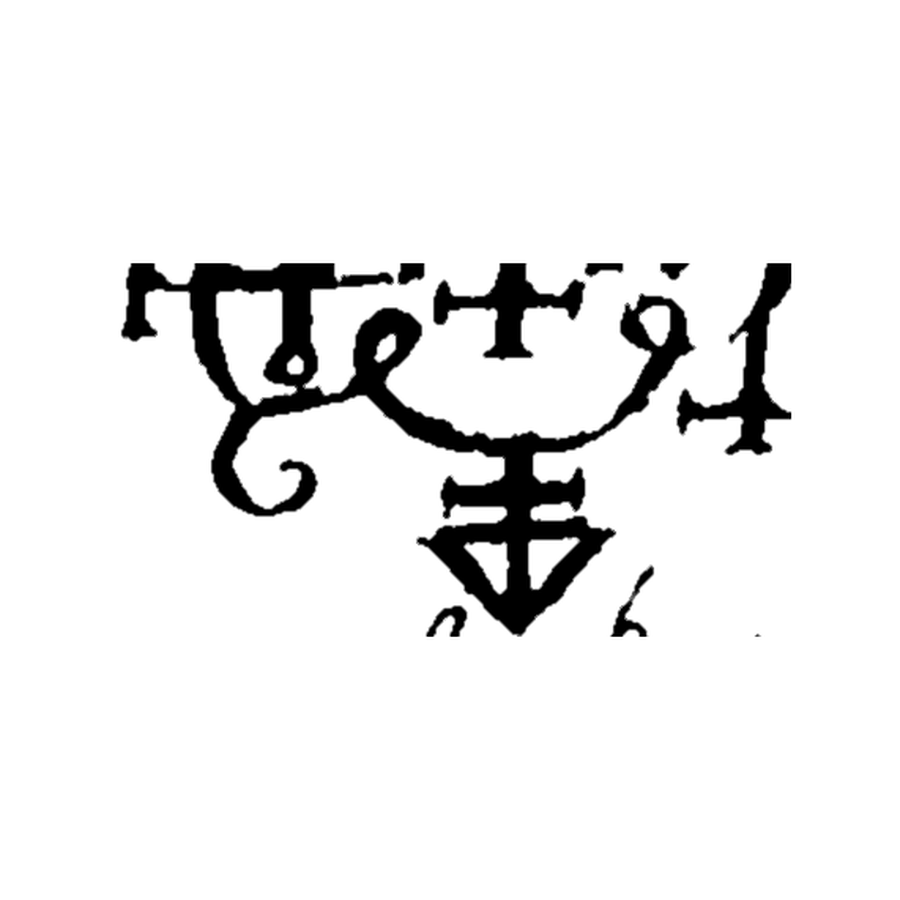
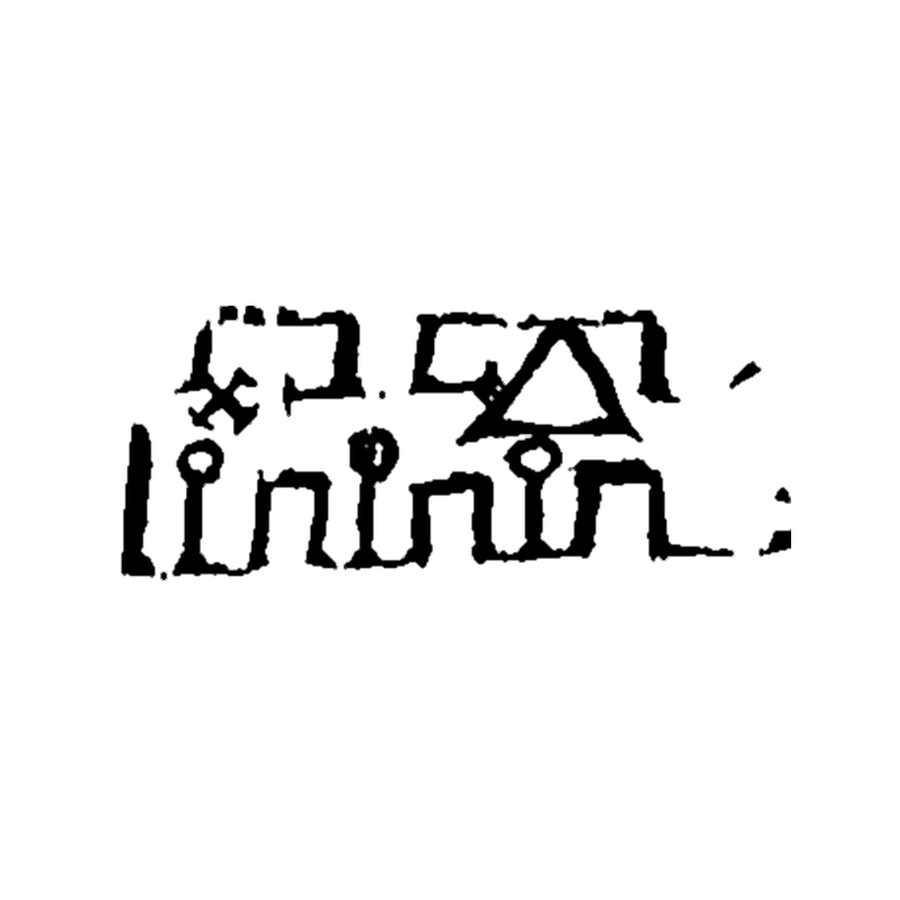
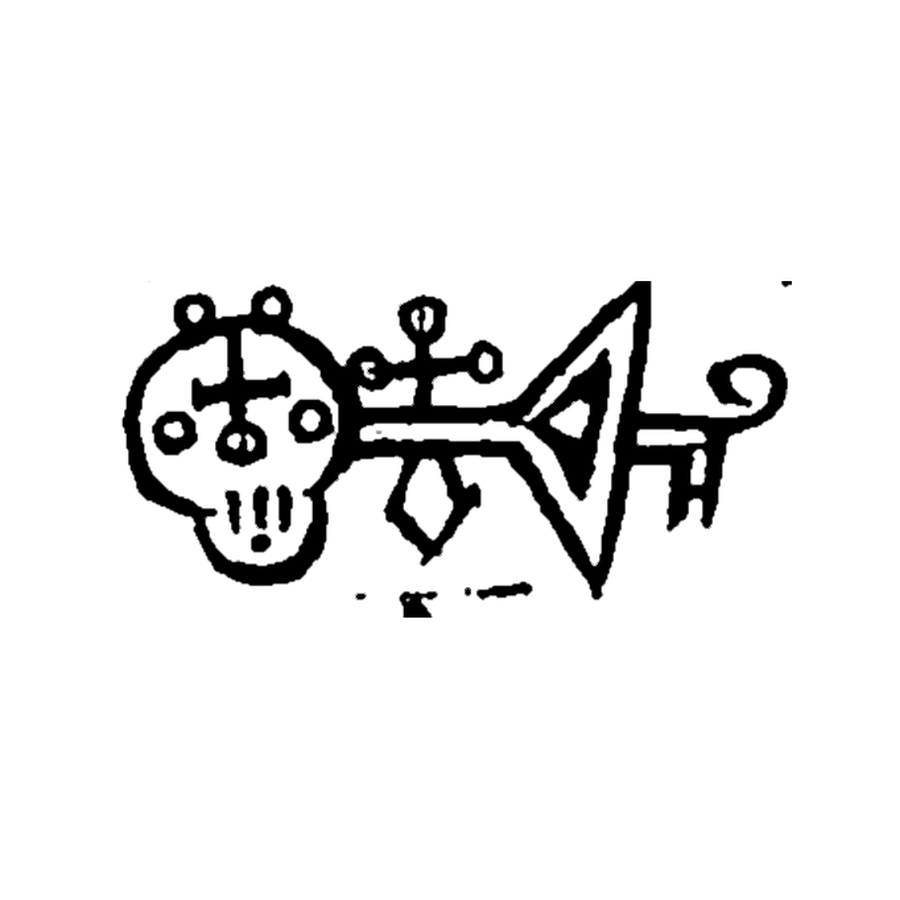
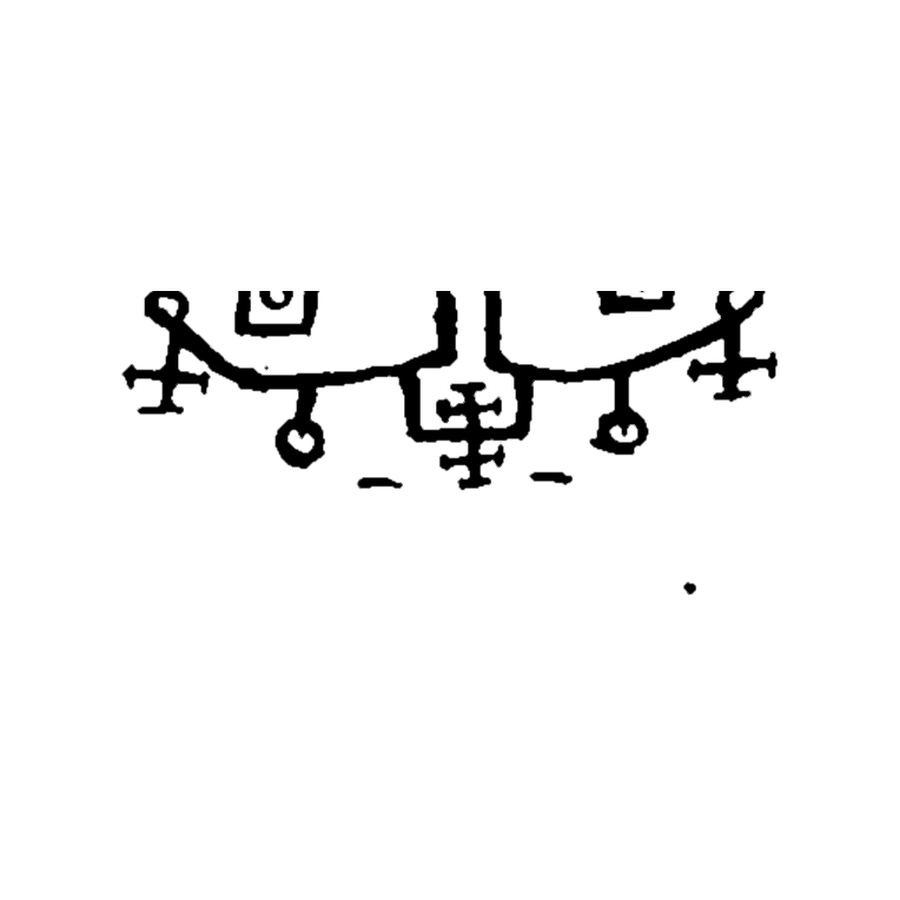
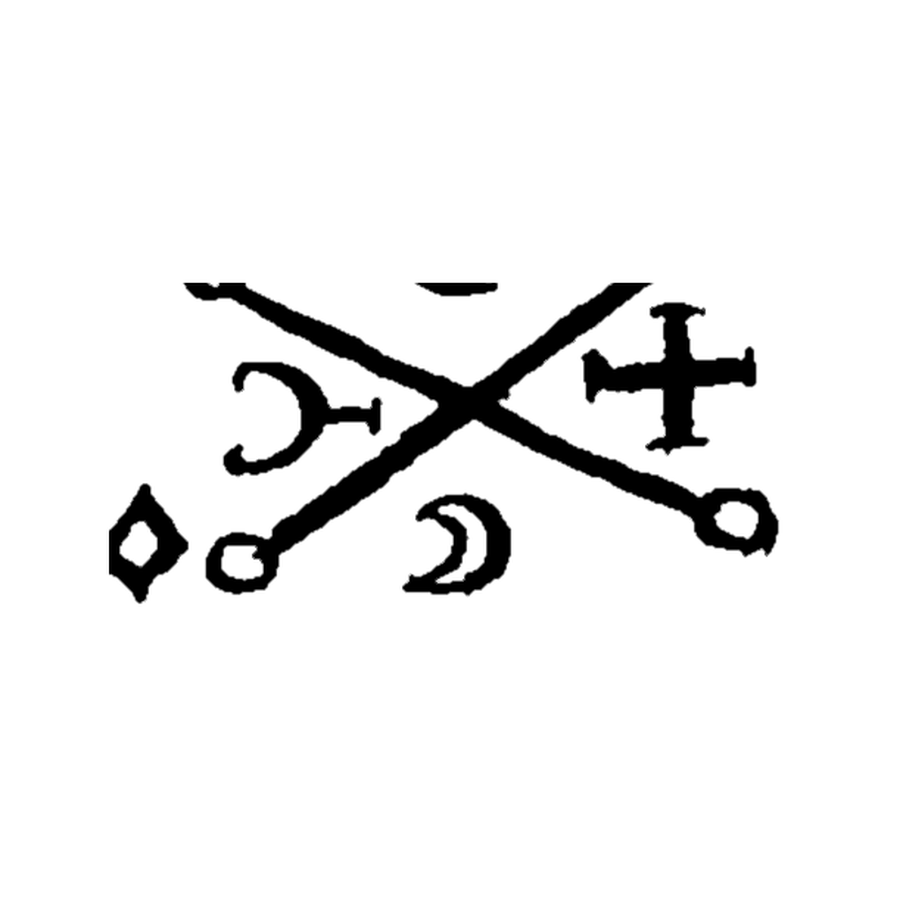
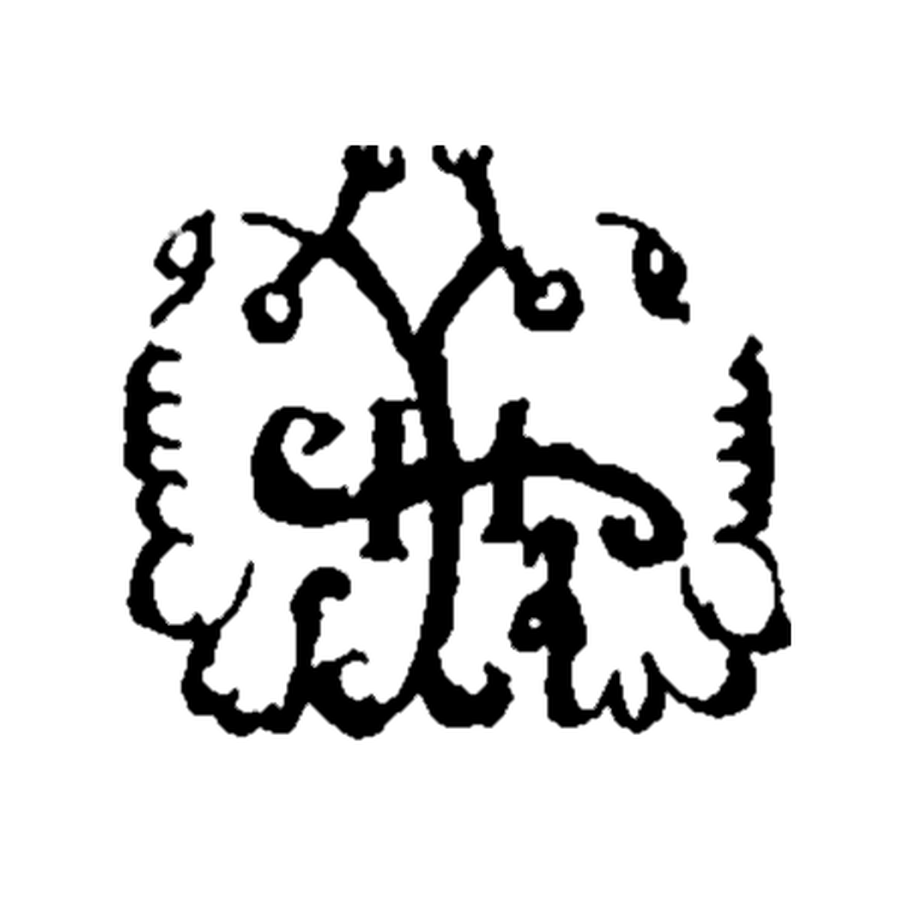
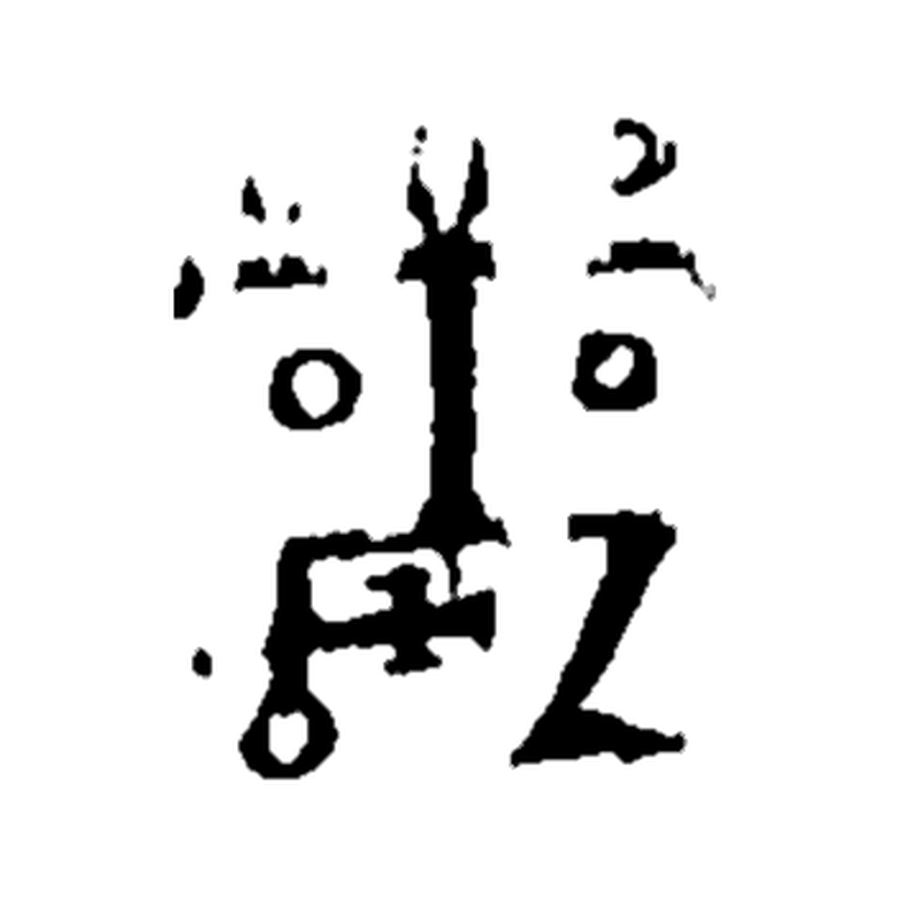
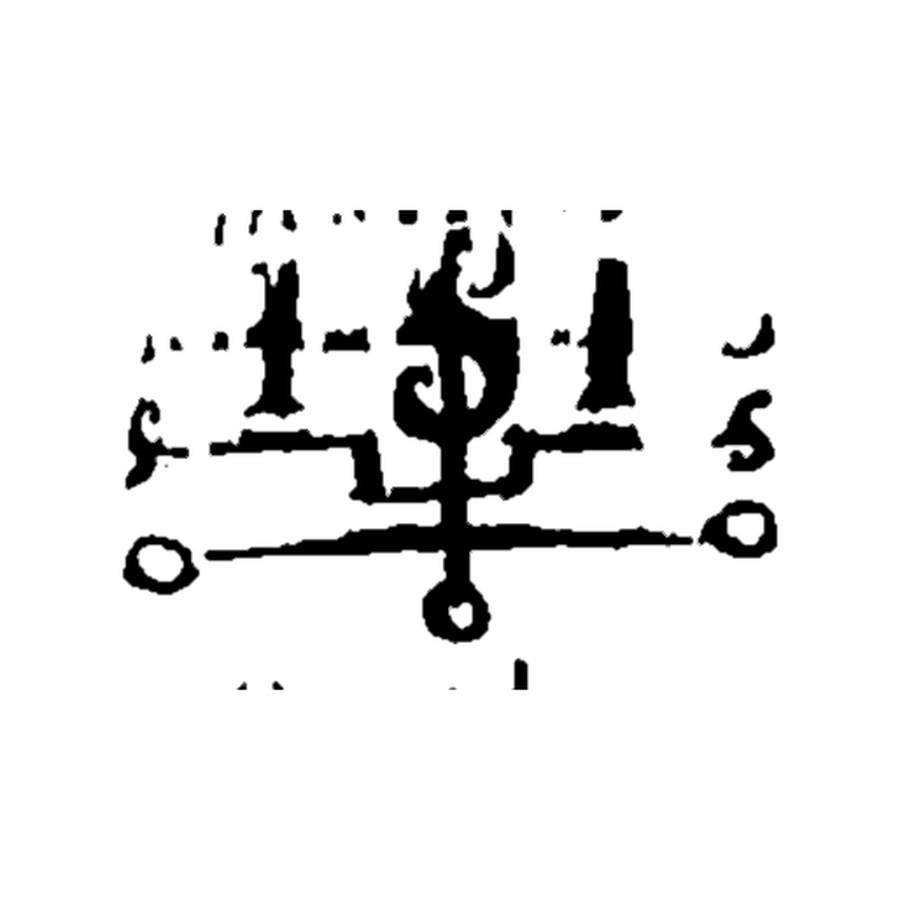
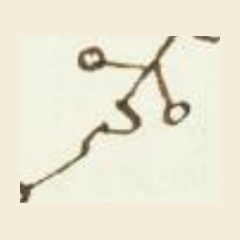
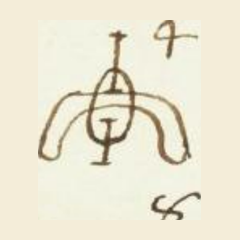
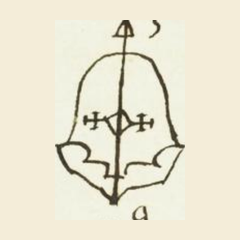
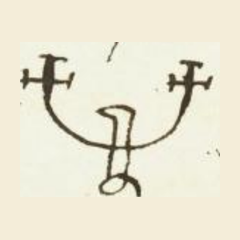
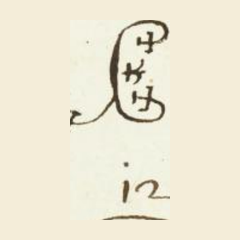
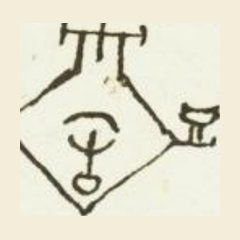
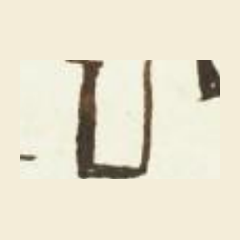
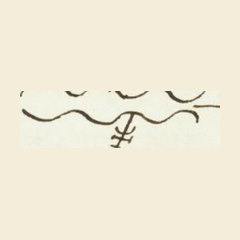
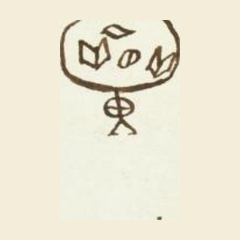
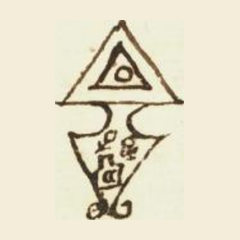
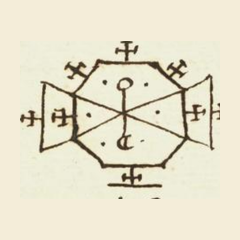
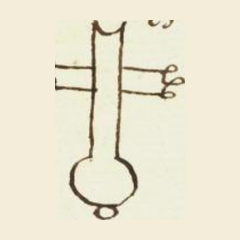
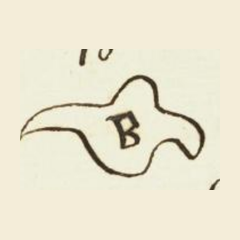
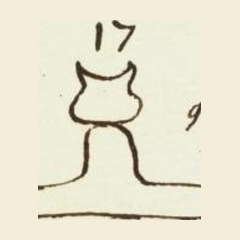
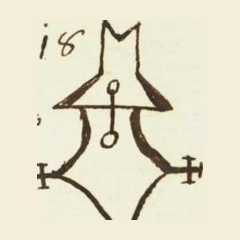
The 18 characters of the spirits of Syrach, cropped from the De Secretis facsimile (SLUB Dresden, Mscr.Dresd.N.91, 17th c., Public Domain Mark 1.0) and vectorized by us. These are not Ars Goetia seals: they are a different textual family. Facsimile PD; our vectorization CC-BY 4.0.
Who is Duke Syrach?
The Grimorium Verum —printed in the 18th c. but heir to the 17th-c. De Secretis manuscripts— closes its catalogue with a brief passage: «there are yet other daemons… who are under Duke Syrach; there are eighteen of these» [documented, Waite ed.]. Syrach is given no office of his own like the Goetic spirits: he is the rubric gathering these eighteen, whose concrete powers —riches, love, storms, invisibility, resurrection…— the Verum's Second Book sets out. Above him the work places the three superiors (Lucifer, Beelzebuth and Astaroth). He is thus not a “greater demon” with a biography: he is the name under which a southern tradition orders its eighteen servants. The spelling “Sirachi” circulates in modern practice, with no located historical source; we use Syrach, the documented form. His equivalence to the Ars Goetia is [reconstructed]: this is another textual family, not the 72 with extra spirits. Read the full page on Duke Syrach →


































No seal matches.
grimorium.lat · Documentary library of ritual magic, demonology and historical grimoires